

Simopone dux
- Scientific Name
- Simopone dux
- Subfamily
- Dorylinae
- Author
- Bolton & Fisher, 2012
- Distribution
- Found in 1 countries
Simopone dux Overview
Simopone dux is an ant species of the genus Simopone. It is primarily documented in 1 countries , including Madagascar. Detailed taxonomic data and occurrence records can be further explored via authoritative databases such as AntWeb or the Global Biodiversity Information Facility (GBIF).
Simopone dux
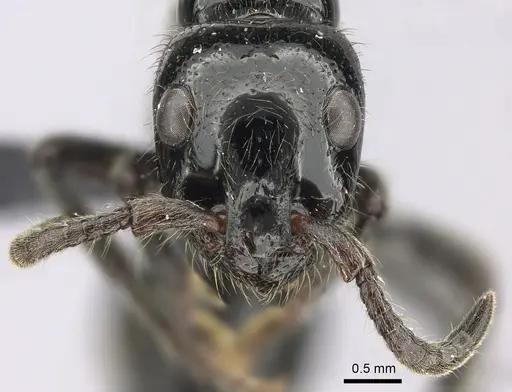
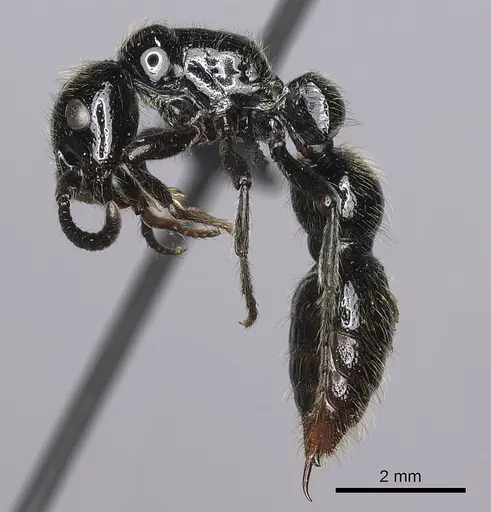
Simopone dux is a small, predatory ant species endemic to Madagascar, belonging to the Dorylinae subfamily (army ants). Workers measure approximately 4-5mm in total length, with a distinctive black body, blackish-brown legs and antennae, and often a red spot on the pronotum and abdominal segments. They have a conspicuously humped pronotum (the section just behind the head) and are covered in abundant long curved hairs. This species belongs to the emeryi species group and was formally described in 2012 by Bolton and Fisher. In the wild, they inhabit rainforest habitats at elevations around 785 meters, typically found on low vegetation.
Quick Summary
- Difficulty: Expert
- Origin & Habitat: Madagascar, specifically the rainforests around 45km south of Ambalavao at approximately 785m elevation [1]. This is a forest-dwelling species that lives in a tropical island environment with high humidity and consistent year-round warmth.
- Colony Type: Unknown. Only worker castes have been described. Dorylinae ants typically form single-queen colonies, but Simopone-specific colony structure has not been documented.
- Size & Growth:
- Queen: Undescribed, only workers have been formally described [1]
- Worker: Workers measure approximately 4-5mm total length (HL 1.76-2.16mm, WL 2.06-2.60mm) [1]
- Colony: Unknown, no colony size data available
- Growth: Unknown, no development data available
- Development: Unknown, no direct development data exists for this species. Based on typical Dorylinae patterns and tropical environment, estimate 4-8 weeks at optimal temperature. (Development timeline is unconfirmed. Tropical species typically develop faster than temperate ones.)
- Antkeeping:
- Temperature: Based on Madagascar rainforest habitat, aim for 22-26°C with stable warmth. Avoid temperatures below 20°C.
- Humidity: High humidity required, rainforest species. Keep substrate consistently moist but not waterlogged. Target 70-85% humidity.
- Diapause: No, this is a tropical species from Madagascar with no documented winter dormancy. Maintain consistent conditions year-round.
- Nesting: No specific nesting data exists. Based on forest habitat and being found on low vegetation, they likely nest in soil or decaying wood. In captivity, a naturalistic setup with moist substrate or a plaster/acrylic nest with high humidity would be appropriate.
- Behavior: As a Dorylinae member, this species is predatory on small invertebrates. They likely forage actively and may exhibit swarm-hunting behavior typical of army ants. They possess a functional stinger for subdueing prey and defense. Their small size (4-5mm workers) means escape prevention is important, they can slip through small gaps. Exercise caution when handling as they can sting.
- Common Issues: very limited biological data makes captive care challenging, much is inference rather than confirmed requirements, tropical species requires stable warm conditions year-round, cannot tolerate cool temperatures, predatory diet means you must provide regular live small prey, this is more demanding than feeding standard ant colonies, escape prevention is critical due to small worker size, no colony size data means you won't know what to expect as your colony matures
Temperature and Care
Simopone dux originates from the tropical rainforests of Madagascar, which means they need warm, stable temperatures to thrive. Keep their enclosure in the 22-26°C range, this matches their natural environment where temperatures remain consistently warm year-round. A heating cable or mat on one side of the nest can help maintain this temperature, but always provide a gradient so ants can move to cooler areas if needed. Avoid any temperature drops below 20°C, as this species has no tolerance for cool conditions. Room temperature may be sufficient if your home stays consistently warm, but monitor with a thermometer. Temperature stability matters more than hitting an exact number, avoid placing the colony near drafts, air conditioning units, or windows that get direct sunlight that could cause fluctuations. [1]
Humidity and Water
Being a rainforest species, Simopone dux requires high humidity, think damp forest floor rather than dry conditions. Keep the nest substrate consistently moist but not waterlogged. The substrate should feel damp to the touch, with no standing water. A humidity range of 70-85% is ideal. You can maintain this by using a water reservoir in the nest setup, misting occasionally (though less frequently than you might think, rehydrate based on substrate condition, not a fixed schedule), and ensuring the outworld isn't too dry. Good ventilation is still important to prevent mold, but avoid excessive airflow that dries things out too quickly. If you see condensation on the nest walls, that's a good sign humidity is in the right range. If the substrate dries out quickly between waterings, consider switching to a more moisture-retentive material or adding a larger water reservoir. [1]
Feeding and Diet
As a Dorylinae ant, Simopone dux is predatory and needs a protein-based diet. Feed them small live prey such as fruit flies, springtails, small crickets, mealworms, or other tiny invertebrates appropriate to their size. They are small workers (4-5mm), so prey should be appropriately sized, no larger than about half their body length. Offer protein prey 2-3 times per week, removing any uneaten prey after 24-48 hours to prevent mold. While not directly documented for this species, Dorylinae ants typically supplement their diet with some sugar sources, so you could occasionally offer a drop of honey or sugar water, but protein should be the primary food. Fresh water should always be available, a shallow water dish with a cotton ball or pebble barrier prevents drowning. [1]
Housing and Nest Setup
No specific natural nesting data exists for Simopone dux, but being a forest species found on low vegetation suggests they nest in soil or decaying wood in the wild. For captivity, a naturalistic setup with moist substrate (like a soil-sand mix) works well, or you could use a plaster/acrylic nest designed for moisture-loving species. The key requirements are: enough space for the colony to grow, moisture retention in the nest area, and proper escape prevention. Because workers are only 4-5mm, use fine mesh on any ventilation holes and ensure all connections are tight-fitting. A formicarium with a built-in water reservoir for humidity maintenance is ideal. The outworld (foraging area) should be spacious enough for hunting and can be decorated with fake plants or leaves to simulate their low-vegetation habitat. [1]
Behavior and Temperament
Simopone dux is a predatory ant with a functional stinger, belonging to the Dorylinae subfamily (army ants). While their specific behavior hasn't been documented, Dorylinae ants are known for active foraging and may exhibit coordinated hunting. Workers are small at 4-5mm but possess the characteristic Dorylinae defensive abilities. They are likely more active foragers compared to many other ant genera, searching for small invertebrate prey. Handle with caution, while not aggressive toward humans unless threatened, they can sting if provoked. Their small size also makes them skilled escape artists, so escape prevention must be excellent. Watch for colony activity patterns and adjust feeding and care based on how actively they forage. [1]
Understanding the Challenges
This is not a species for beginners. Simopone dux has extremely limited documented care information, we only have worker measurements and distribution data from the original species description. Everything beyond that (temperature preferences, humidity exact needs, colony development, founding behavior) is inference from related species and habitat. This means you'll be learning alongside your colony rather than following established husbandry guidelines. Start with a small colony if possible so you can experiment with conditions. Document your observations carefully, what temperatures do they prefer? What prey do they accept readily? How quickly does brood develop? Your experiences will help build knowledge for this poorly-understood species. Consider joining antkeeping communities to share findings. [1]
Legal and Ethical Considerations
Simopone dux is endemic to Madagascar, it is not found anywhere else in the world naturally. This means any specimens in the antkeeping hobby likely originated from scientific collections or very specialized exporters. Before acquiring this species, verify that it is legal to keep in your country and that the seller has proper collection permits. Never release this species (or any non-native ant) into the wild, they could become invasive in new environments and cause ecological damage. If you decide to keep this species, you are helping build husbandry knowledge for a species that has never been maintained in captivity before, which is both a responsibility and an opportunity. [1]
Growth and Development Expectations
Since no development data exists for Simopone dux, you need to set realistic expectations. Based on typical Dorylinae patterns and their tropical origin, expect relatively fast development compared to temperate species, possibly 4-8 weeks from egg to worker at optimal temperature (around 24-26°C). However, this is purely an estimate. Your first workers (nanitics) may be smaller than fully-grown workers, which is normal. Growth rate will depend heavily on how well you meet their care requirements, consistent warmth, high humidity, and regular protein feeding are essential. Don't be alarmed if development seems slow, without established baselines, patience is key. Focus on providing optimal conditions and let the colony develop at its own pace. [1]
Frequently Asked Questions
How long does it take for Simopone dux to produce first workers?
The egg-to-worker timeline is unknown for this species, no development data has been documented. Based on typical Dorylinae patterns and their tropical Madagascar origin, estimate 4-8 weeks at optimal temperature (around 24-26°C). However, this is an educated guess rather than a confirmed timeline. Your actual results may vary based on conditions.
What do Simopone dux ants eat?
As a Dorylinae (army ant) species, Simopone dux is predatory and needs live small invertebrates. Offer appropriately-sized prey such as fruit flies, springtails, tiny crickets, or mealworms. Feed protein prey 2-3 times per week. They may occasionally accept sugar sources like honey water, but protein should be the primary diet.
What temperature do Simopone dux ants need?
Based on their Madagascar rainforest habitat, keep them at 22-26°C. Avoid temperatures below 20°C. They need stable, warm conditions year-round since they come from a tropical environment with no seasonal temperature swings. A heating cable on one side of the nest can help maintain appropriate temperatures.
Are Simopone dux good for beginners?
No. This is an expert-level species due to extremely limited care documentation. Only workers have ever been described scientifically, we have no information on colony founding, queen care, development timelines, or specific humidity needs. You will be pioneering husbandry for a species that has never been kept in captivity before. This makes them fascinating but challenging.
How big do Simopone dux colonies get?
Colony size is unknown, no colony size data exists in scientific literature. Based on worker size (4-5mm) and typical Dorylinae patterns, expect moderate-sized colonies, but this is speculation. Your observations will help establish baseline expectations for this species.
Do Simopone dux need hibernation or diapause?
No. This is a tropical species from Madagascar with no winter season. They do not require diapause or hibernation. Maintain consistent warm, humid conditions year-round. Temperature drops below 20°C should be avoided.
What humidity level do Simopone dux need?
High humidity is required, they are a rainforest species. Aim for 70-85% humidity. Keep the nest substrate consistently moist but not waterlogged. A setup with a water reservoir helps maintain humidity stability. Good ventilation prevents mold while maintaining moisture.
Can I keep multiple Simopone dux queens together?
Unknown. Colony structure (monogyne vs polygyne) has not been documented for this species. Only worker castes have been described, queens have never been formally documented. Without this basic information, combining unrelated queens is not recommended.
When will Simopone dux alates (reproductives) appear?
Unknown. Nuptial flight timing has not been documented for this species. Since only workers have ever been collected and described, we have no data on when or how reproductives develop. Without established colony care, expecting alates may be premature, focus on establishing a healthy worker colony first.
Why are my Simopone dux dying?
Without established care guidelines, diagnosing problems is difficult. Common issues likely include: temperature too cool (below 20°C), humidity too low or too high (aim for 70-85% with moist but not waterlogged substrate), insufficient protein prey, or escape-related losses. Document your conditions carefully and adjust incrementally. This species may simply have high mortality in captivity due to our limited understanding of their needs.
Is Simopone dux invasive anywhere?
No. Simopone dux is endemic to Madagascar, it is found nowhere else in the world naturally. There are no documented invasive populations. However, never release any non-native ant species into the wild, as they could establish and cause ecological damage.
References

This caresheet is licensed under CC BY-SA 4.0 .
CASENT0004549
View on AntWeb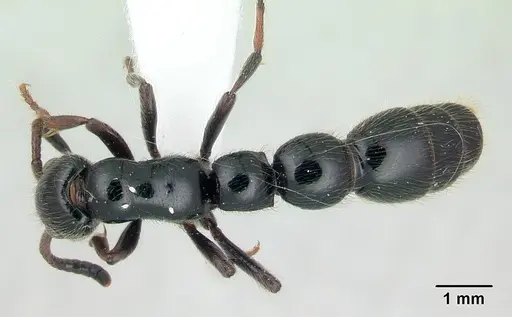
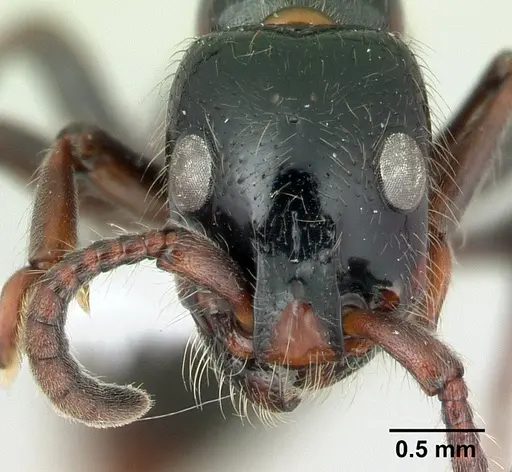
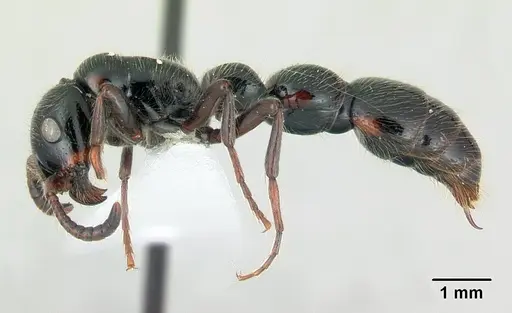
CASENT0004550
View on AntWeb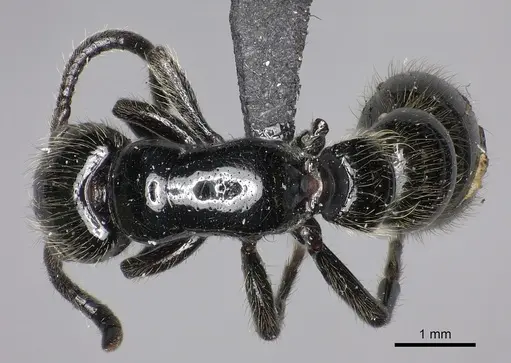
Literature
Loading...Loading products...