

Simopone consimilis
- Scientific Name
- Simopone consimilis
- Subfamily
- Dorylinae
- Author
- Bolton & Fisher, 2012
- Distribution
- Found in 1 countries
Simopone consimilis Overview
Simopone consimilis is an ant species of the genus Simopone. It is primarily documented in 1 countries , including Madagascar. Detailed taxonomic data and occurrence records can be further explored via authoritative databases such as AntWeb or the Global Biodiversity Information Facility (GBIF).
Simopone consimilis
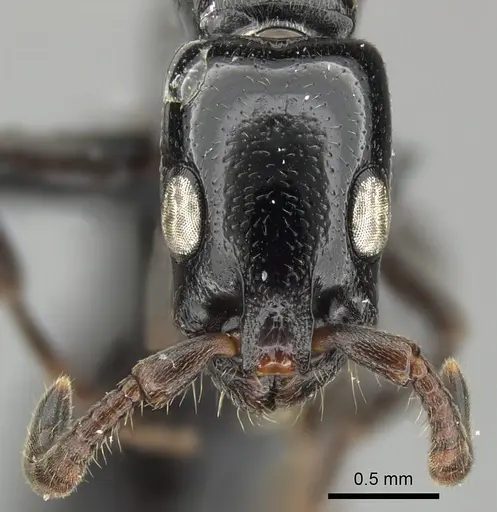
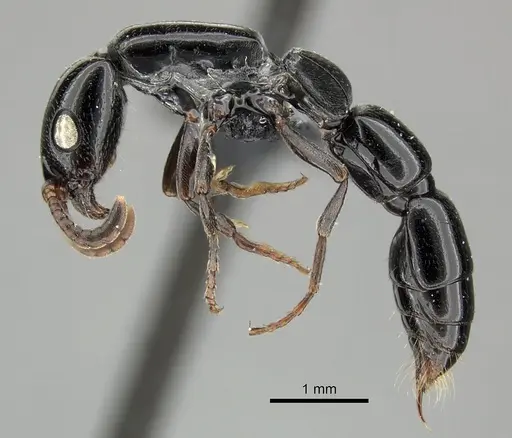
Simopone consimilis is a small, dark ant species endemic to Madagascar, belonging to the Dorylinae subfamily. Workers measure 1.60-1.68mm in head length and have a distinctive black coloration with lighter appendages and clypeus [1]. This species is unique among Malagasy Simopone in that the mesosoma (the middle body section) is broadest across the mesonotum when viewed from above, a trait not seen in other species from the region [1]. The types were collected from low vegetation in rainforest habitat at 650-800m elevation in Prov. Antsiranana [1][2]. Little is known about their exact colony structure or behavior in the wild, but as a Dorylinae species, they likely have some social flexibility typical of this group.
Quick Summary
- Difficulty: Expert
- Origin & Habitat: Madagascar only, Prov. Antsiranana, Forêt Binara near Daraina,650-800m elevation. Found in rainforest habitat, collected from low vegetation [1][2].
- Colony Type: Unknown, colony structure has not been documented for this species. Dorylinae species typically have single-queen colonies but this has not been confirmed for S. consimilis.
- Size & Growth:
- Queen: Unknown, queen morphology has not been described [1].
- Worker: 1.60-1.68mm head length,1.06-1.16mm head width,1.70-1.82mm Weber's length [1].
- Colony: Unknown, no colony size data available.
- Growth: Unknown, no development data available for this species.
- Development: Unknown, no direct development data exists. Based on typical Dorylinae patterns, expect 4-8 weeks at warm temperatures but this is an estimate. (Development timeline is unconfirmed for this species. No published data on egg-to-worker development time.)
- Antkeeping:
- Temperature: Likely 22-26°C based on rainforest origin, provide a warm, stable environment. Use a heating cable on one side of the nest to create a gentle gradient if room temperature is below this range.
- Humidity: High humidity required, rainforest species. Keep nest substrate consistently moist but not waterlogged. The substrate should feel damp to the touch with some slightly drier areas available.
- Diapause: Unknown, no data on overwintering requirements. As a tropical Madagascar species, they likely do not require a true diapause but may have seasonal activity patterns.
- Nesting: Based on collection from low vegetation, they may prefer arboreal or semi-arboreal nesting. Y-tong (AAC) nests or plaster nests with high humidity work well. Provide narrow chambers scaled to their small size.
- Behavior: Behavior is poorly documented. As a Dorylinae species, they may be predatory on other small invertebrates. Their small size (under 2mm) means escape prevention must be excellent, use fine mesh barriers and tight-fitting lids. They are unlikely to be aggressive toward humans but their defensive behaviors are unknown.
- Common Issues: lack of available care information makes proper husbandry challenging, escape prevention is critical due to their tiny size, humidity requirements must be met or colonies may fail, no confirmed diet acceptance data, unknown what they will eat in captivity, no development data makes it difficult to assess colony health
Species Overview and Identification
Simopone consimilis is a rarely kept species in the antkeeping hobby, described in 2012 by Bolton and Fisher. It belongs to the emeryi species group within the genus Simopone, which contains around 20 described species found primarily in Africa and Madagascar [1]. Workers are small at approximately 1.6mm head length, making them one of the smaller Simopone species. The most distinctive identification feature is that the mesosoma is broadest across the mesonotum, in all other Malagasy Simopone species, the mesonotum is narrower than the propodeum. Workers are black with noticeably lighter appendages and clypeus [1]. This species is known only from a single locality in northern Madagascar.
Natural History and Habitat
S. consimilis is endemic to Madagascar and known only from the type locality in Forêt Binara, near Daraina in Antsiranana Province. The type specimens were collected at 650-800m elevation in rainforest habitat, found on low vegetation [1][2]. This suggests they are a forest-floor or low-vegetation dwelling species rather than truly arboreal. The rainforest environment indicates they need consistently high humidity and stable temperatures. Nothing is known about their diet, foraging behavior, or colony structure in the wild. As a Dorylinae member, they may be predatory like many army ant relatives, but this is unconfirmed.
Housing and Nest Setup
Based on their collection from low vegetation in rainforest, Simopone consimilis likely prefers humid conditions with access to small prey items. A Y-tong (AAC) nest or plaster nest works well for small Dorylinae species, these provide good humidity control and allow you to observe the colony. Keep the nest substrate consistently moist but avoid waterlogging. Because workers are only about 1.6mm in size, escape prevention is critical. Use fine mesh (at least 0.5mm or smaller) on any ventilation holes and ensure all connections between the outworld and nest are secure. A small outworld is appropriate given their tiny colony size expectations.
Feeding and Diet
The natural diet of S. consimilis is unknown. As a Dorylinae species, they may be predatory on small invertebrates like other ants, springtails, or micro-arthropods. Start by offering small live prey such as fruit flies, pinhead crickets, or small mealworms. You might also try offering sugar water or honey occasionally, though acceptance is uncertain. Given their small size, any prey items should be appropriately sized, very small pieces are better than large ones. Monitor uneaten food and remove it promptly to prevent mold. Do not rely on sugar sources unless acceptance is confirmed.
Temperature and Humidity Requirements
As a rainforest species from Madagascar, Simopone consimilis requires warm, humid conditions. Aim for temperatures in the 22-26°C range, stable warmth is more important than exact numbers. A heating cable placed on one side of the nest can create a gentle temperature gradient, allowing ants to regulate their own exposure to heat. Humidity should be high, the nest substrate should feel consistently damp but not soggy. Mist the nest occasionally and monitor condensation levels. Good ventilation is important to prevent mold while maintaining humidity. Avoid placing the nest near air conditioning vents or in drafty areas.
Colony Structure and Reproduction
The colony structure of S. consimilis has not been documented. Dorylinae species typically have single-queen colonies, but this needs confirmation for this specific species. Similarly, nothing is known about nuptial flight timing, queen morphology, or colony founding behavior. If you obtain a founding queen, monitor her closely and provide appropriate humidity. Expect slow growth given the limited data available, do not be alarmed if development takes longer than more common species. Any colony established from this species would be a significant contribution to hobby knowledge.
Frequently Asked Questions
How long does it take for Simopone consimilis to produce first workers?
The development timeline is unknown, no published data exists on egg-to-worker development for this species. Based on typical Dorylinae patterns, expect 4-8 weeks at warm temperatures (24-26°C), but this is an estimate. Be patient and do not disturb the founding queen unnecessarily.
What do Simopone consimilis ants eat?
Their natural diet is unknown. Start with small live prey such as fruit flies, tiny crickets, or small mealworms. They may accept sugar water or honey occasionally, but this is unconfirmed. Remove uneaten food promptly to prevent mold.
Can I keep Simopone consimilis in a test tube?
A test tube setup can work for founding colonies if humidity is maintained. However, given their need for high humidity and small size, a Y-tong or plaster nest may be better long-term options. Ensure excellent escape prevention regardless of setup.
Are Simopone consimilis good for beginners?
No, this species is not recommended for beginners. It is expert difficulty due to lack of available care information, unknown colony requirements, and the challenge of establishing colonies with no documented husbandry guidelines.
How big do Simopone consimilis colonies get?
Colony size is unknown, no data exists on maximum colony size for this species. Based on related Simopone species and their small worker size, colonies are likely modest, possibly under 100-500 workers.
Do Simopone consimilis need hibernation?
Diapause requirements are unknown. As a tropical Madagascar species from rainforest habitat, they likely do not require a true hibernation. Maintain warm temperatures year-round.
Why is my Simopone consimilis colony dying?
Without established care guidelines, colony failures are common. Ensure humidity is high but not excessive, temperatures are stable (22-26°C), and escape prevention is adequate. Also verify that food is appropriate for their tiny size. Poor colony establishment may simply reflect our lack of knowledge about this species.
Can I keep multiple queens together?
Colony structure is unconfirmed, combining unrelated queens has not been documented for this species. Do not attempt pleometrosis (multiple queen founding) without data on whether they tolerate this.
What makes Simopone consimilis unique compared to other ants?
This species is the only Malagasy Simopone where the mesosoma is broadest across the mesonotum in dorsal view. It was only described in 2012,making it one of the more recently described ant species in the hobby. Very few people have kept this species in captivity.
References

This caresheet is licensed under CC BY-SA 4.0 .
CASENT0077387
View on AntWeb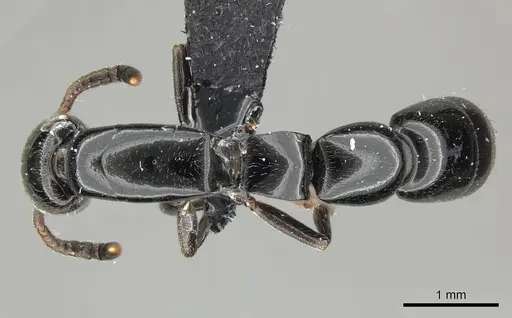
Literature
Loading...Loading products...