

Simopone conradti
- Scientific Name
- Simopone conradti
- Subfamily
- Dorylinae
- Author
- Emery, 1899
- Distribution
- Found in 2 countries
Simopone conradti Overview
Simopone conradti is an ant species of the genus Simopone. It is primarily documented in 2 countries , including Kenya, Uganda. Detailed taxonomic data and occurrence records can be further explored via authoritative databases such as AntWeb or the Global Biodiversity Information Facility (GBIF).
Simopone conradti - "Conradt's Simopone Ant"
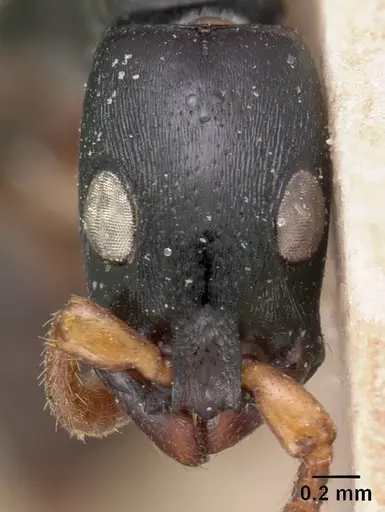
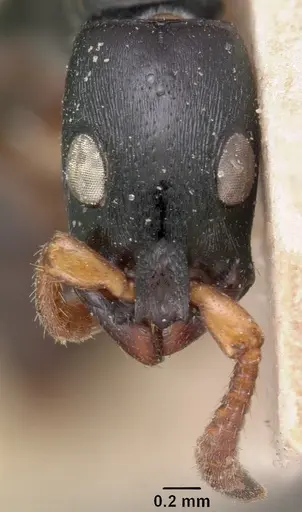
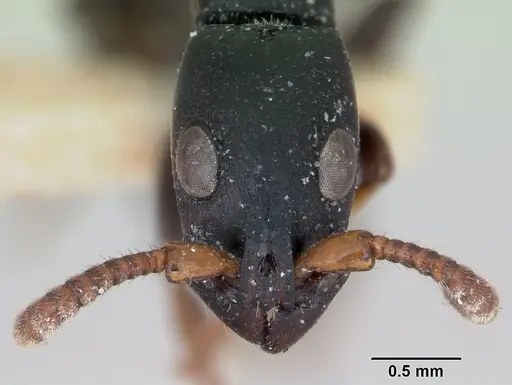
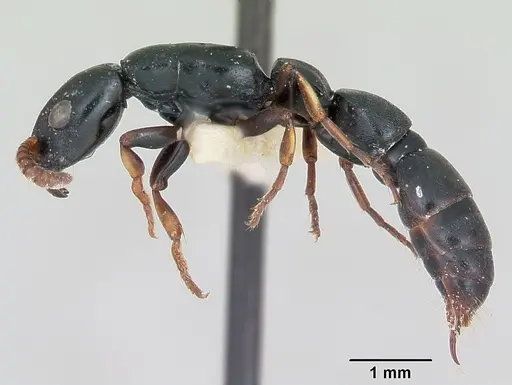
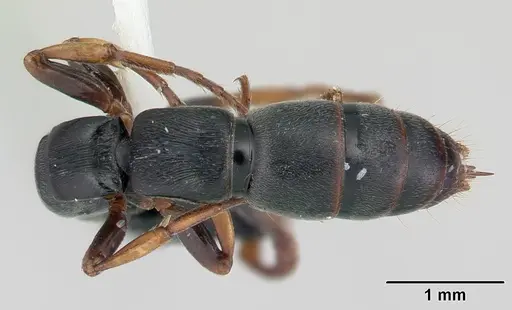
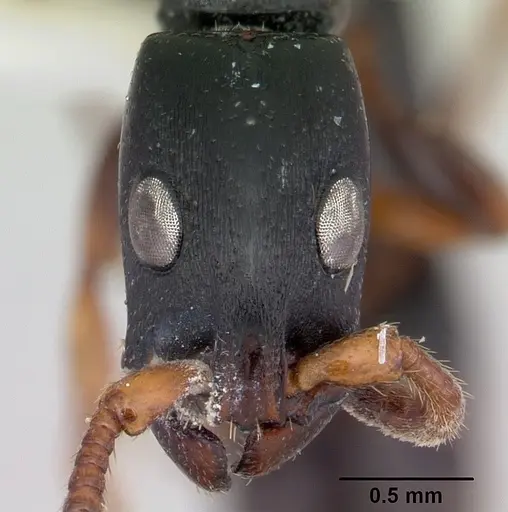
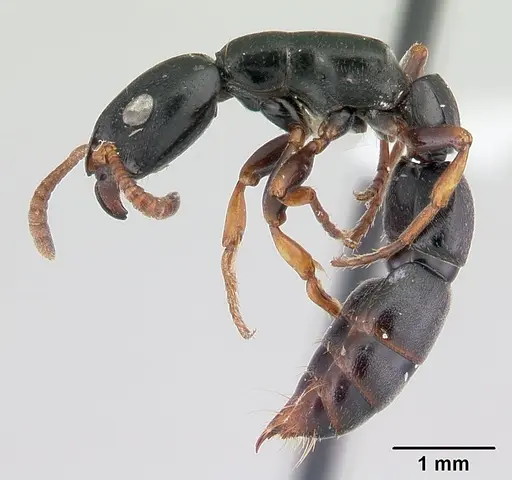
Simopone conradti is a unique ant species from the Dorylinae subfamily, found in various rainforest habitats across Africa. These ants are known for their distinctive dark black bodies with contrasting dull yellow scapes on their heads. Workers exhibit a notable median clypeal prominence and intricate sculpture on their abdominal tergites, making them easily identifiable. They are primarily arboreal predators, often preying on the brood of other ant species, though foraging workers may sometimes be found on the ground or in rotten logs. The queens, while having a full complement of flight sclerites, are described as being worker-like in general appearance, meaning they don't have the drastically different proportions often seen in other ant queens. Colonies of Simopone conradti are rarely encountered, suggesting they may have a cryptic lifestyle, and much of their detailed biology remains a mystery to ant enthusiasts and scientists alike.
- Difficulty: Expert
- Origin & Habitat: Africa (Cameroon, Central African Republic, Democratic Republic of Congo, Gabon, Ivory Coast, Kenya, Nigeria, Uganda) in Rainforest habitat, primarily arboreal (in trees); occasionally found foraging on the ground or in rotten logs..
- Colony Type: Monogyne (single queen) or potentially polygyne, with some species in the genus possibly having gamergates in certain regions., claustral (based on known queens having flight sclerites, though specific founding behavior is not well-documented) founding.
- Size & Growth:
- Queen: 5.5-8.2mm
- Worker: 4.5-6.6mm
- Colony: Small (hundreds), though specific estimates for this species are unknown.. Slow, due to their predatory and specialized nature, and infrequent collection records. growth.
- Antkeeping:
- Temperature: Specific temperature requirements are not documented, but given their rainforest origin, a stable tropical temperature range of 24-28°C would likely be appropriate..
- Humidity: High humidity, likely between 70-90%, to mimic their natural rainforest environment. Proper ventilation is still crucial to prevent mold..
- Diapause: Not required. Not specified at Not specified.
- Nesting: Arboreal setups such as vertical acrylic nests with cork inserts, natural wood nests, or setups allowing for nesting within branches or logs. They may also utilize substrates for foraging..
- Behavior: Medium (predatory towards other ants' brood) aggressiveness.
- Common Issues: Lack of specific care knowledge, Sourcing appropriate live prey (other ant brood), Maintaining high humidity without mold, Colony stalling due to stress or improper conditions.
Keeping Simopone conradti is truly an expert-level endeavor for dedicated antkeepers due to the extremely limited information available on their specific biology and care. As primarily arboreal predators, replicating their natural rainforest habitat, which often involves nesting within wood or branches, is paramount. This means providing a formicarium that mimics these conditions, possibly with cork or specialized wood inserts, rather than typical soil-based setups.
Their predatory diet, primarily consisting of other ant brood, presents a significant challenge. Unlike many commonly kept species that readily accept insects or sugar water, Simopone conradti will require a consistent supply of small ant colonies or their brood. Sourcing and maintaining feeder colonies can be time-consuming and difficult. Experiments with various types of ant brood (e.g., Crematogaster or Terataner brood, as has been observed in other Simopone species) would be necessary to determine their preferred prey.
Humidity and temperature control are critical, mirroring their tropical rainforest origins. Maintaining consistently high humidity without encouraging mold growth will require careful ventilation and monitoring. Given their cryptic nature and infrequent collection in the wild, establishing a healthy colony from a queen or a small wild-caught colony will be a rare opportunity, demanding meticulous attention to their environment and feeding requirements.
The queen of Simopone conradti is described as being 'worker-like' in overall body size, but with a full complement of flight sclerites, indicating she is a winged queen. However, in some Simopone species from Madagascar, ergatoid (worker-like) queens or even gamergates (reproductively active workers) are suspected. This makes the reproductive strategy and founding behavior somewhat unclear for all species within the genus, including S. conradti, adding to the complexity of their care.
Given their elusive nature, very little is known about the typical colony size or growth rate for Simopone conradti. It's likely that colonies remain relatively small compared to widely kept species. Any successful attempt at keeping this species will contribute valuable knowledge to the antkeeping community and scientific understanding of this poorly documented genus.
Frequently Asked Questions
What makes Simopone conradti ants so difficult to keep?
Simopone conradti ants are considered an 'Expert' difficulty species for antkeeping largely due to the extreme lack of detailed information on their biology and care. Unlike common species, their precise dietary needs, especially their preference for specific ant brood, are hard to meet consistently. Also, replicating their arboreal rainforest habitat with stable high humidity and adequate ventilation is a significant challenge for even experienced keepers.
What do Simopone conradti ants eat?
These ants are specialist predators, primarily feeding on the brood of other ant species. While specific prey for Simopone conradti isn't fully documented, other Simopone species have been observed raiding Crematogaster and Terataner brood. This means you'll likely need to maintain feeder colonies of these or similar ant species to provide a consistent food source.
Where do Simopone conradti ants live in the wild?
Simopone conradti are native to the rainforests of the Afrotropical region, including countries like Cameroon, Gabon, Kenya, and Nigeria. They are predominantly arboreal, meaning they typically nest and forage in trees, though they might occasionally be found on the ground or within rotten logs.
Are Simopone conradti queens different from their workers?
Interestingly, Simopone conradti queens are described as 'worker-like' in their general body shape, but they possess the full flight sclerites of a winged queen. This is different from some other ant species where queens are much larger and distinctly different. For some Simopone species, there's even speculation about ergatoid (worker-like, wingless) queens or gamergates (reproductively active workers) replacing queens entirely, adding to the mystery!
What kind of nest is best for Simopone conradti?
Given their arboreal nature, a formicarium that mimics a tree-dwelling environment is ideal. Vertical acrylic nests with cork inserts, natural wood nests, or setups that incorporate branches and logs are recommended. A high-humidity environment with good ventilation is key to prevent mold while mimicking their rainforest home.
Do Simopone conradti ants sting or bite?
There is no specific information available about Simopone conradti having a sting that affects humans. As predatory ants, they are likely to have some defensive mechanisms, but their aggression is primarily directed towards their prey (other ant brood).
How large do Simopone conradti colonies get?
The exact colony size for Simopone conradti is currently unknown due to their rarity in collection and limited study. However, many specialized predatory ant species tend to have smaller colonies compared to generalist foraging ants, so a colony size in the hundreds would be a reasonable estimate.
Is diapause necessary for Simopone conradti?
Given their natural habitat in tropical rainforests, Simopone conradti ants are not expected to require a diapause period. They are adapted to stable warm temperatures and high humidity year-round.
What are the biggest challenges in Simopone conradti ant care?
The primary challenges revolve around the scarcity of information. Sourcing their specialized live ant brood diet, maintaining precise environmental conditions (high humidity without mold), and the general lack of husbandry guides make them incredibly challenging. These ants are for the most dedicated and experienced antkeepers looking to break new ground.
Are Simopone conradti a good species for beginner antkeepers?
Absolutely not. Simopone conradti is an 'Expert' level species, not suitable for beginners or even intermediate antkeepers. Their highly specialized care requirements, unknown specific needs, and difficulty in sourcing their live prey make them a significant challenge, even for very experienced enthusiasts.
How fast do Simopone conradti colonies grow?
Information on their growth rate is sparse, but given their predatory nature and the challenges in their care, it's reasonable to assume a slow growth rate. Specialized predators often invest more resources into individual offspring rather than rapid colony expansion.
Can Simopone conradti coexist with other ant species?
As predatory ants, Simopone conradti are not suitable for cohabitation with other ant species. They are known to prey on the brood of other ants, and introducing them to a mixed setup would likely result in conflict and predation. They should be kept in a species-specific setup.

This caresheet is licensed under CC BY-SA 4.0 .
CASENT0004508
View on AntWeb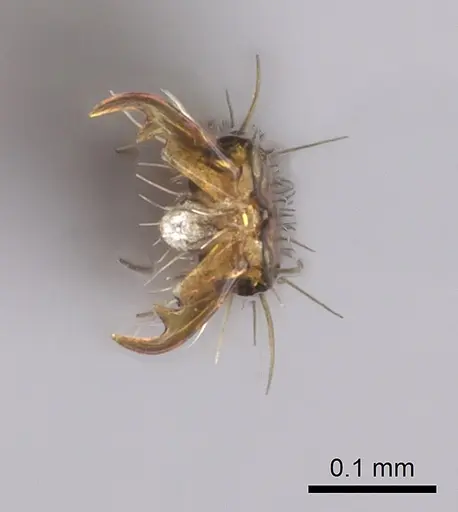
CASENT0102002
View on AntWeb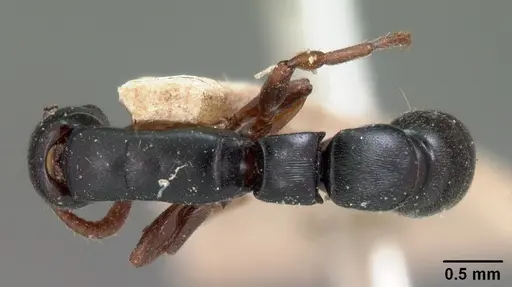
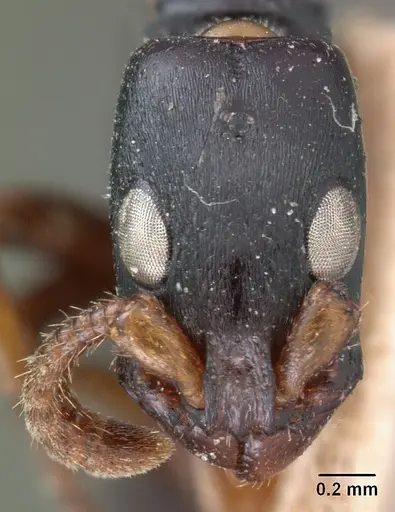
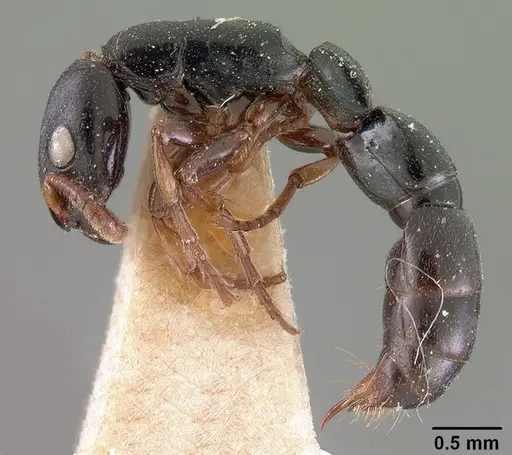
CASENT0102003
View on AntWeb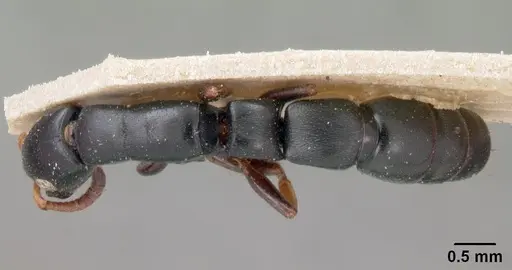
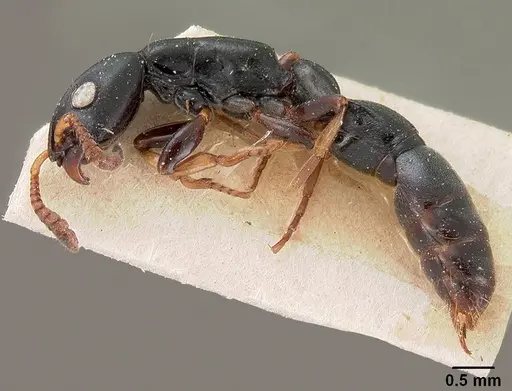
CASENT0173046
View on AntWeb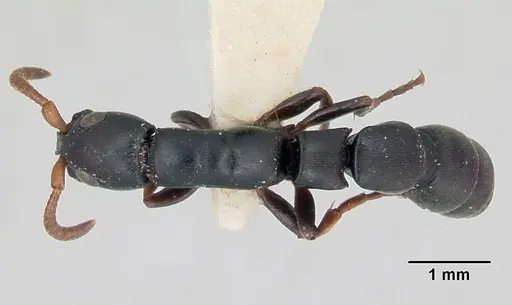
CASENT0178214
View on AntWeb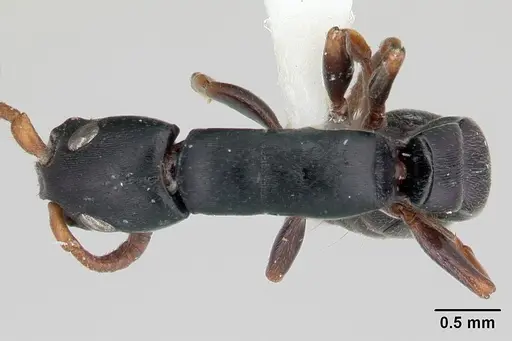
Literature
Loading...Loading products...