

Simopelta pergandei
- Scientific Name
- Simopelta pergandei
- Tribe
- Ponerini
- Subfamily
- Ponerinae
- Author
- Forel, 1909
- Distribution
- Found in 7 countries
Simopelta pergandei Overview
Simopelta pergandei is an ant species of the genus Simopelta. It is primarily documented in 7 countries , including Colombia, Costa Rica, French Guiana. Detailed taxonomic data and occurrence records can be further explored via authoritative databases such as AntWeb or the Global Biodiversity Information Facility (GBIF).
Simopelta pergandei
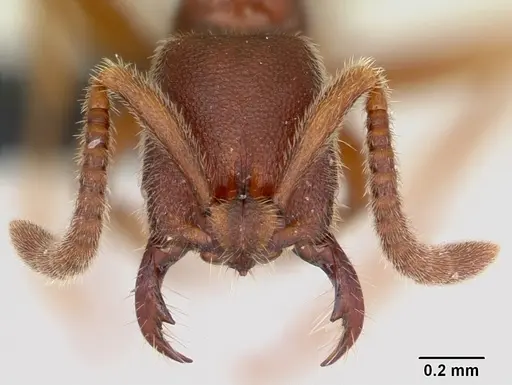
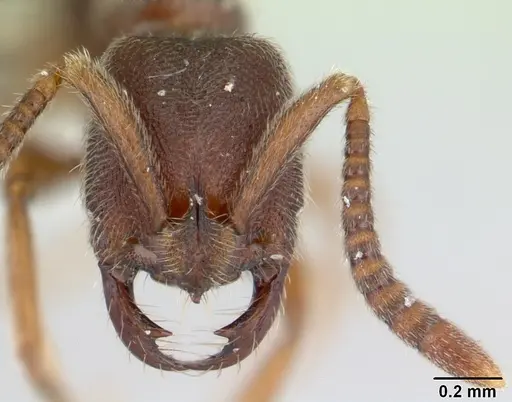
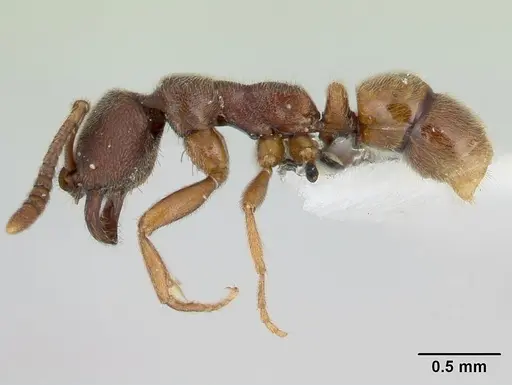
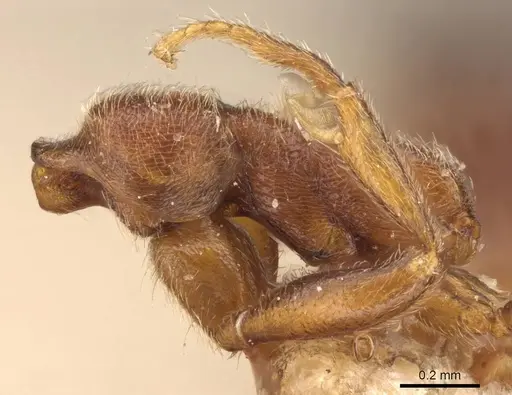
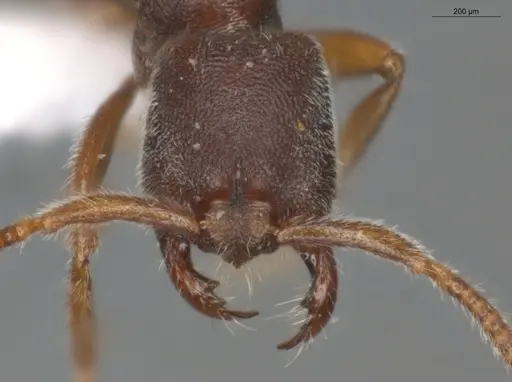
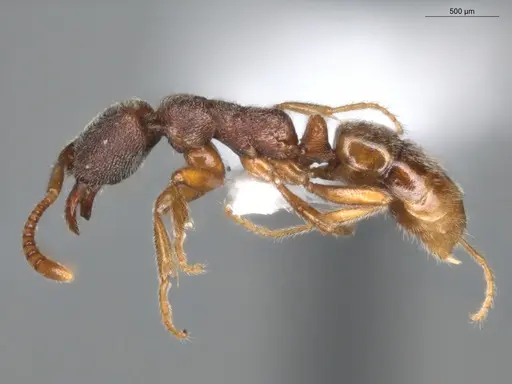
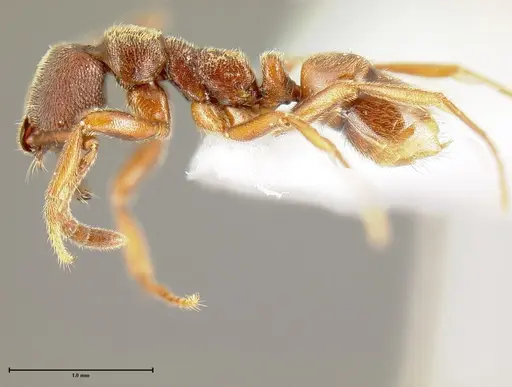
Simopelta pergandei is a small predatory ant (workers about 3mm) native to Central and South America, ranging from Guatemala down through Costa Rica, Colombia, Venezuela, and Peru [1][2]. Workers are yellowish-red with a distinctive long spine on the clypeus (the face shield), three sharp teeth on their mandibles, and notably small eyes, a trait shared with army ants they evolved alongside [1][3]. These ants stand out for their nomadic lifestyle, moving their colonies frequently rather than staying in one permanent nest [4]. Queens are dichthadiiform, meaning they are permanently wingless with an enlarged abdomen, a rare and specialized reproductive form [3][4].
Quick Summary
- Difficulty: Medium
- Origin & Habitat: High elevation tropical forests in Central and South America, found at elevations between 920-2500 meters in Guatemala, Costa Rica, Colombia, Venezuela, and Peru [1][2]. They inhabit humid montane forests, typically between 500-2000m in Costa Rica [3].
- Colony Type: Single-queen colonies (monogyne) with ergatoid (wingless) queens that are highly specialized dichthadiiforms with enlarged gasters [3][4]. The queen never develops wings and mates with only one male, which is unusual among army-ant-like species [4].
- Colony: Monogyne
- Size & Growth:
- Queen: Small, about 3mm total length (queen measurements not fully specified but similar to worker size with enlarged gaster) [1]
- Worker: About 3mm total length [1][5]
- Colony: Variable size colonies, exact maximum unknown [3]
- Growth: Moderate, small species with nomadic lifestyle suggests moderate development speed
- Development: Unknown, no specific development data available for this species (Development timeline has not been documented in scientific literature. Related Simopelta species typically develop in 6-10 weeks at optimal temperatures.)
- Antkeeping:
- Temperature: As a high-elevation species from montane forests, keep them cooler than typical tropical ants, aim for 20-24°C with stable conditions [1]. They naturally occur at elevations up to 2500m where temperatures are cooler [1].
- Humidity: High humidity required, these are forest floor ants from humid montane environments. Keep nest substrate consistently moist but not waterlogged, with humidity around 70-80% [3].
- Diapause: Unknown, no specific data on overwintering requirements. As a tropical montane species from high elevations, they may experience seasonal temperature changes in their native habitat and likely benefit from a slight cool period (15-18°C) during winter months [1].
- Nesting: In the wild, colonies nest in hollow twigs, under rocks, and in soil [3]. For captivity, a test tube setup works well for founding colonies, transitioning to a naturalistic setup or Y-tong nest with moist substrate as the colony grows. They prefer tight, enclosed spaces similar to their natural nesting in twigs and under stones.
- Behavior: These ants show fascinating convergent evolution with army ants, they forage in dense columns, have reduced eyes, and move their nests frequently (nomadic lifestyle) [3][4]. Workers are moderately aggressive predators, typical of Ponerine ants. They can sting, Ponerinae ants have functional stingers. Escape prevention is important due to their small size (3mm), though they are not particularly fast-moving. They are group foragers rather than solitary hunters.
- Common Issues: small size means escapes are possible without fine mesh barriers, nomadic behavior may cause stress if colony frequently tries to emigrate, provide multiple connected chambers, high humidity needs can lead to mold if ventilation is poor, predatory nature requires constant live prey, colonies may struggle without adequate protein sources, limited availability in the antkeeping hobby means established colonies are rare
Housing and Setup
For Simopelta pergandei, start with a standard test tube setup for the founding queen. Use a test tube with a water reservoir plugged with cotton, providing a humidity gradient the queen can choose from. Once the colony reaches 15-20 workers, you can transition to a small naturalistic setup or Y-tong nest with moist substrate. These ants naturally nest in hollow twigs, under rocks, and in soil, so a setup mimicking these conditions works well [3]. Include multiple chambers connected by narrow passages, this helps satisfy their tendency to move frequently. Because they are small (3mm), use fine mesh on any openings to prevent escapes [1]. A layer of moist soil or plaster works well for maintaining humidity.
Feeding and Diet
Simopelta pergandei is a predatory Ponerine ant, meaning they hunt and kill small invertebrates. In captivity, offer small live prey such as fruit flies, pinhead crickets, small mealworms, and other tiny arthropods. They should have access to protein-rich foods at least twice weekly. While they are primarily predatory, you can occasionally offer a drop of diluted honey or sugar water, but protein should make up the bulk of their diet. Remove uneaten prey after 24-48 hours to prevent mold. Because they forage in groups like army ants, they may accept prey items collectively rather than individually [3].
Temperature and Humidity
As a high-elevation species from montane tropical forests (920-2500m), Simopelta pergandei prefers cooler temperatures than most tropical ants [1]. Keep the nest at 20-24°C, avoiding temperatures above 28°C. A slight temperature gradient allows the colony to self-regulate. For humidity, maintain 70-80% relative humidity within the nest, these forest-floor ants need consistently moist conditions [3]. Use a water reservoir system or mist the setup regularly, but ensure proper ventilation to prevent mold. The combination of moderate temperature and high humidity mimics their natural montane forest habitat.
Behavior and Colony Dynamics
One of the most fascinating aspects of Simopelta pergandei is their convergent evolution with army ants. They have reduced eyes (a trait common to army ants), forage in dense columns, and most notably, practice a nomadic lifestyle with frequent nest emigrations [3][4]. This means your colony may try to move to new locations periodically, provide them with multiple connected chambers to reduce stress from this behavior. Queens are dichthadiiform, they never develop wings and have greatly enlarged abdomens for egg production [3][4]. They are strictly monandrous, meaning each queen mates with only one male, which is unusual among army-ant-like species [4]. Workers are moderately aggressive and can sting if threatened.
Growth and Development
The exact development timeline from egg to worker has not been documented for this species. Based on related Ponerine ants of similar size, you can expect approximately 6-10 weeks for the first workers (nanitics) to emerge at optimal temperatures. The queen is dichthadiiform with an enlarged gaster, suggesting she has substantial energy reserves for founding [3]. Growth rate is likely moderate, faster than larger Ponerines but slower than some tropical species. Colonies may remain small to moderate in size (likely under 500 workers) based on what is known about their nomadic lifestyle and variable colony sizes in the wild [3].
Frequently Asked Questions
Can I keep Simopelta pergandei in a test tube?
Yes, test tubes work well for founding colonies. Use a standard test tube setup with a water reservoir. Once the colony reaches 15-20 workers, consider transitioning to a naturalistic setup or Y-tong nest to accommodate their nomadic tendencies and need for more space [3].
How long does it take for Simopelta pergandei to produce first workers?
The exact timeline is unconfirmed, but based on related Ponerine species of similar size, expect approximately 6-10 weeks from egg to first worker at optimal temperatures (20-24°C). This is an estimate as specific development data for this species has not been documented.
What do Simopelta pergandei eat?
They are predatory ants that hunt small invertebrates. Feed them small live prey such as fruit flies, pinhead crickets, small mealworms, and other tiny arthropods. Offer protein 2-3 times per week. You can occasionally offer sugar water or honey, but protein should be their primary food source.
Are Simopelta pergandei good for beginners?
This species is rated as Medium difficulty. While not the most challenging ant, they have specific requirements (high humidity, cooler temperatures, live prey) that make them better suited for keepers with some experience. Their nomadic behavior and need for live food require more attention than easier species.
How big do Simopelta pergandei colonies get?
Colony size is variable and appears to stay moderate. Based on their nomadic lifestyle and available data, colonies likely reach several hundred workers at most, not the massive swarms seen in true army ants [3]. Exact maximum is unknown.
Do Simopelta pergandei need hibernation?
Diapause requirements are not well documented for this species. As a high-elevation tropical species, they may benefit from a slight cool period (15-18°C) during winter months rather than a true hibernation. Monitor your colony's activity levels and adjust accordingly.
Why does my Simopelta pergandei colony keep trying to move?
This is normal behavior, Simopelta pergandei has a nomadic lifestyle and frequently emigrates in the wild [4]. Provide multiple connected chambers in their setup to reduce stress. This is a feature of the species, not a problem to solve.
Can I keep multiple Simopelta pergandei queens together?
No, this species is monogyne (single-queen colonies) with ergatoid queens. Multiple unrelated queens would likely fight. Only one queen per colony is recommended.
What makes Simopelta pergandei different from army ants?
While they show convergent evolution with army ants (reduced eyes, group foraging, nomadic lifestyle), they belong to a different subfamily (Ponerinae vs Dorylinae). Unlike true army ants, they are not obligate raiders and do not form supercolonies. They also have a unique mating system where queens mate with only one male (monandrous), unlike the polyandrous army ants [4].
References

This caresheet is licensed under CC BY-SA 4.0 .
CASENT0052744
View on AntWeb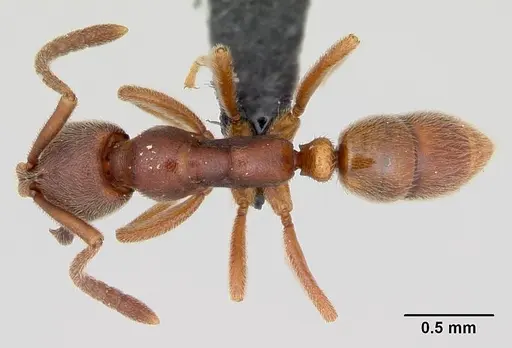
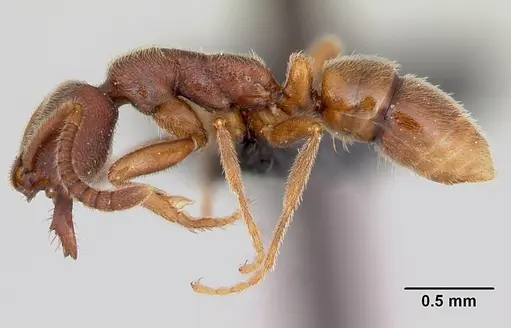
CASENT0178701
View on AntWeb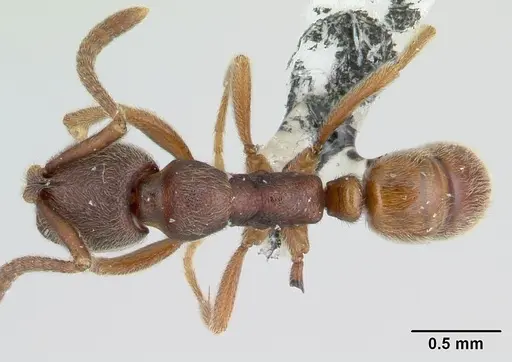
CASENT0249248
View on AntWeb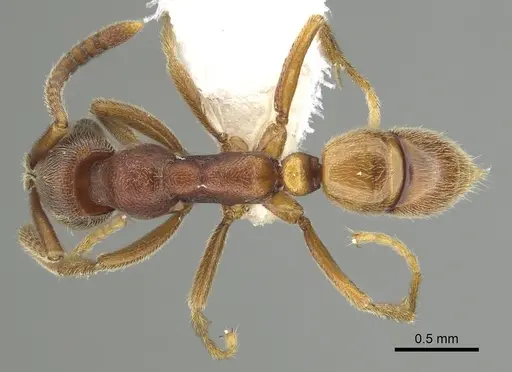
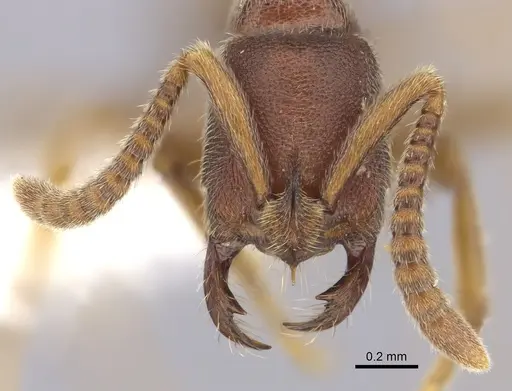
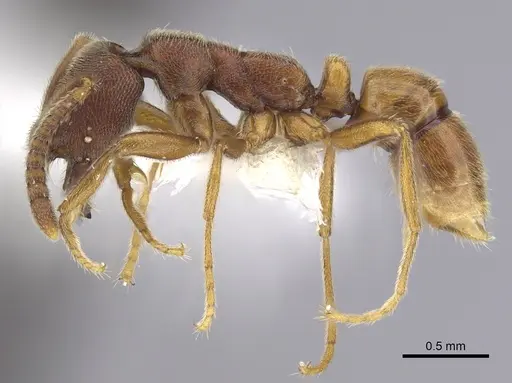
CASENT0907294
View on AntWeb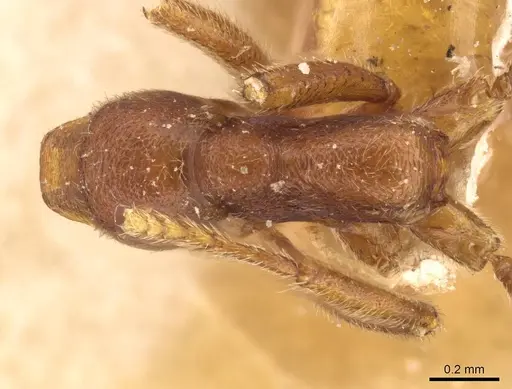
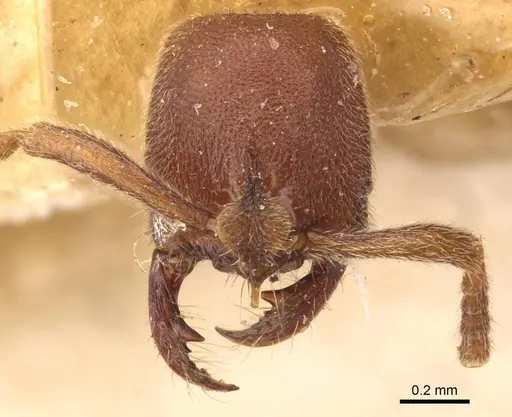
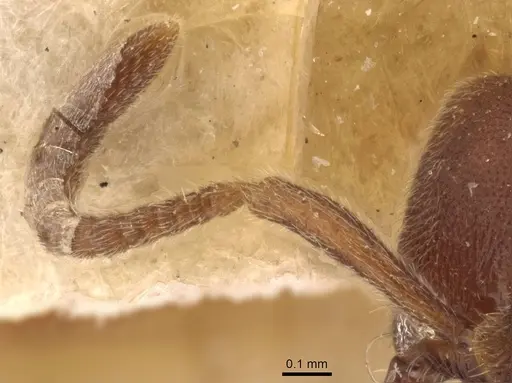
ECOFOG-MI15-0235-21
View on AntWeb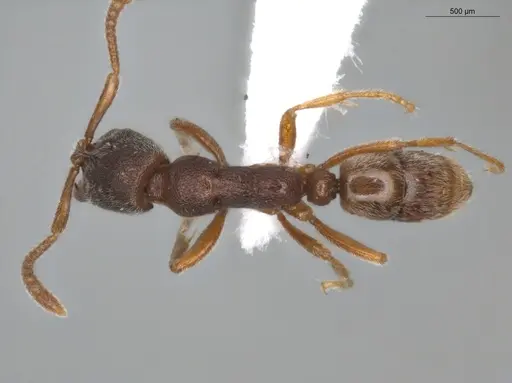
INB0003680176
View on AntWeb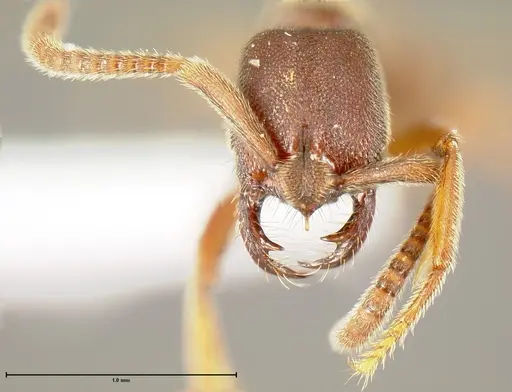
Literature
Loading...Loading products...