

Simopelta paeminosa
- Scientific Name
- Simopelta paeminosa
- Tribe
- Ponerini
- Subfamily
- Ponerinae
- Author
- Snelling, 1971
- Distribution
- Found in 2 countries
Simopelta paeminosa Overview
Simopelta paeminosa is an ant species of the genus Simopelta. It is primarily documented in 2 countries , including Costa Rica, Panama. Detailed taxonomic data and occurrence records can be further explored via authoritative databases such as AntWeb or the Global Biodiversity Information Facility (GBIF).
Simopelta paeminosa
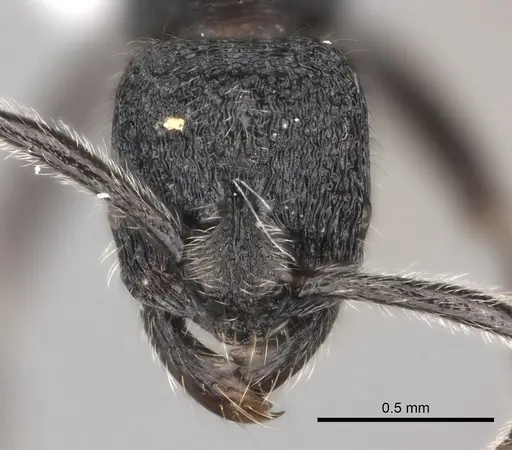
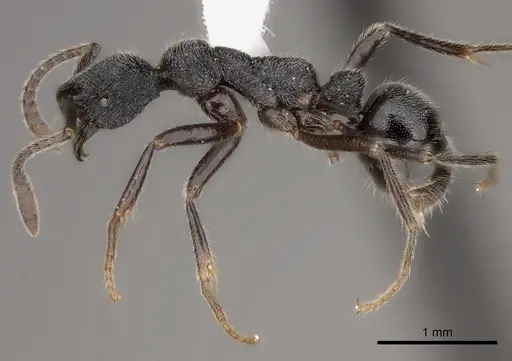
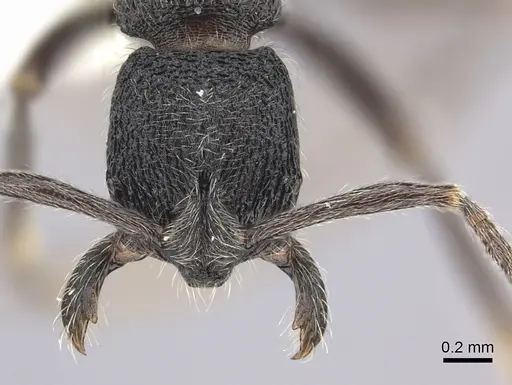
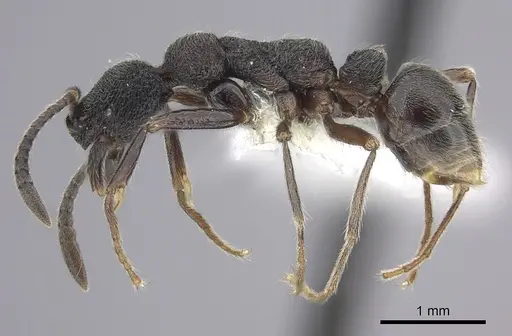
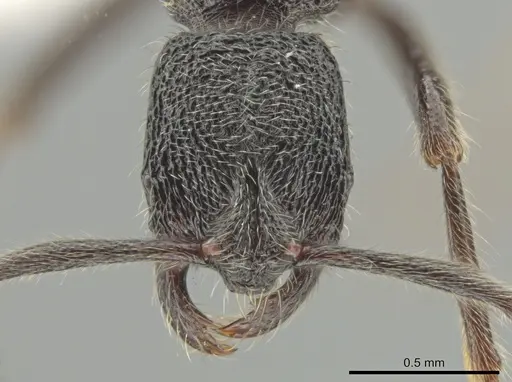
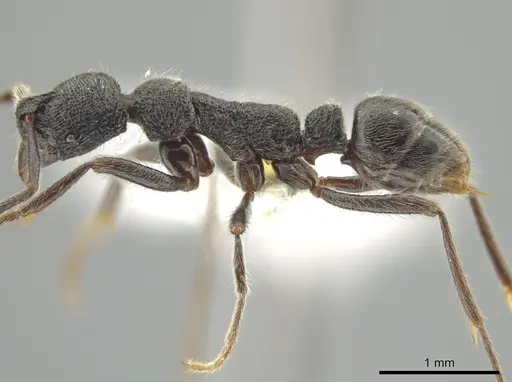
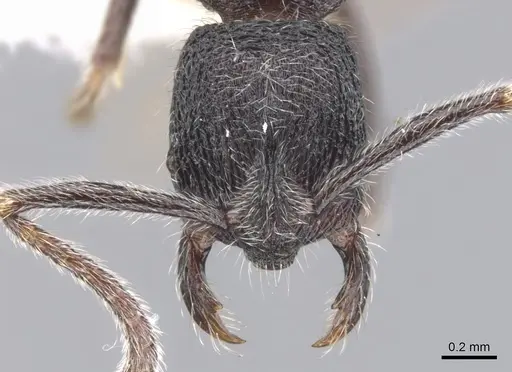
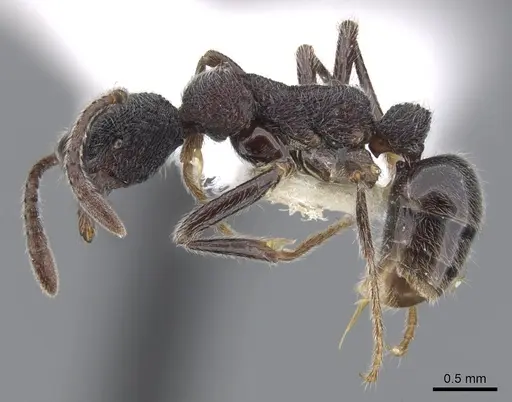
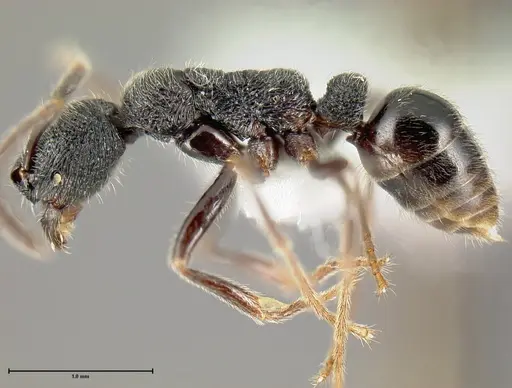
Simopelta paeminosa is a small, dark reddish-black ant measuring just over 4mm in total length, with somewhat paler appendages. The species belongs to the Ponerinae subfamily, meaning workers have a functional stinger. They have distinctive three-toothed mandibles, small eyes, and granulate sculpturing on the head, mesosoma, and petiole. The postpetiole shows scattered punctures with smooth areas between them [1].
This species is a montane cloud forest specialist, found exclusively in wet forest habitats at elevations between 1050-1150m in Costa Rica, Panama, and Colombia [1][2]. Workers are litter-dwelling, found foraging and nesting in leaf litter and soil. Notably, this species is extremely rare in collections, only the worker caste has ever been described, and no queen has been documented despite extensive sampling efforts [2].
Quick Summary
- Difficulty: Expert
- Origin & Habitat: Wet montane tropical and cloud forest in Costa Rica, Panama, and Colombia, typically above 1000m elevation [1][2].
- Colony Type: Unknown, only worker caste has been described. No queen or reproductive caste has been documented in scientific collections [2].
- Size & Growth:
- Antkeeping:
- Temperature: Based on montane cloud forest habitat (1050-1150m), likely prefer cooler temperatures than typical tropical ants. Estimate 18-22°C, but this is inferred, no direct temperature studies exist.
- Humidity: High humidity required, wet montane forest habitat. Keep substrate consistently moist but not waterlogged. Mist regularly and provide drainage.
- Diapause: Unknown, no seasonal studies conducted. Montane species may experience cooler temperatures year-round but likely do not enter true diapause.
- Nesting: Litter-dwelling species. In captivity, provide moist substrate (soil/peat mix) with plenty of leaf litter and hiding spots. Shallow setups work better than deep nests since they naturally live in the top layer of forest floor.
- Behavior: Ponerine ants are predatory and likely use their stinger to subdue prey. Workers forage in leaf litter, searching for small arthropods. Based on related Simopelta species, they are probably solitary hunters rather than forming raiding parties. Their small size (4mm) and litter-dwelling habit means escape prevention is important, they can squeeze through small gaps. Handle with caution due to functional stinger.
- Common Issues: no queen has ever been found, this species may not have been successfully mated in captivity, making colony establishment from wild queens impossible, extremely rare in the hobby with almost no established captive colonies, specific humidity and temperature requirements of montane cloud forest are difficult to replicate reliably, predatory diet requirements mean they need constant access to live small prey, no information on founding behavior makes claustral vs semi-claustral uncertain
Why This Species is Challenging
Simopelta paeminosa is one of the most difficult ants to keep because virtually nothing is known about its captive care. The most significant challenge is that only workers have ever been collected, no queen has been documented in over 50 years of scientific sampling [2]. This means you cannot start a colony from a wild-caught queen. Even if you find a colony in the wild, locating and capturing a queen may be impossible since none have ever been found in their natural habitat [2].
This species exists in a scientific gray zone where even basic biology (colony size, reproductive behavior, development timeline) remains completely unknown. Unlike common ants like Camponotus or Lasius where decades of hobbyist experience exist, S. paeminosa has no established care protocols. You will essentially be pioneering all aspects of husbandry through careful observation and experimentation.
Housing and Setup
Since this is a litter-dwelling species, naturalistic setups with shallow substrate work best. Use a mixture of moist soil and decomposed leaf litter to replicate their natural forest floor environment. The setup should allow for high humidity while still providing some ventilation to prevent mold.
Avoid deep formicarium-style nests, these ants live in the top few centimeters of leaf litter, not in underground chambers. A simple plastic container with damp substrate, leaf litter, and small hiding structures (pieces of bark, small stones) mimics their natural conditions better than any commercial nest. Keep the setup compact since they are tiny and will be overwhelmed by large open spaces.
Escape prevention is important despite their small size, use fine mesh on any ventilation holes and ensure all connections are sealed. While not known as particularly good climbers, their small size allows them to exploit any gaps. [2]
Feeding and Diet
As a Ponerinae ant, Simopelta paeminosa is predatory and will likely accept small live prey. Based on their leaf-litter foraging behavior and the related Simopelta species, they probably hunt small arthropods including springtails, mites, tiny beetles, and other micro-invertebrates found in forest floor litter.
Feed small live prey items appropriate to their size, too large and they cannot subdue it. Small fruit flies, pinhead crickets, and most importantly, springtails are likely accepted. Since no captive feeding observations exist, start with springtails and other micro-arthropods and observe acceptance. Sugar sources are unlikely to be important given their predatory nature, but offering occasional honey water or sugar water is worth testing.
Feed every 2-3 days with fresh prey, removing any uneaten items promptly to maintain water quality. [1]
Temperature and Humidity
This species comes from montane cloud forest at 1050-1150m elevation, where temperatures are cooler and humidity is constantly high [1]. Replicating these conditions is essential but challenging. Aim for temperatures in the 18-22°C range, significantly cooler than typical room temperature for most antkeepers.
High humidity is non-negotiable. The substrate should remain consistently moist but never waterlogged. Montane cloud forests have constant moisture from fog and mist. Use a hygrometer to monitor humidity levels, aiming for 70-85% relative humidity. Regular misting helps maintain these conditions, but ensure adequate ventilation to prevent stagnant air and mold.
A cooling setup may be necessary depending on your room temperature. If your space runs warmer than 22°C, consider using a small thermoelectric cooler or positioning the enclosure away from heat sources.
Legal and Ethical Considerations
Before acquiring this species, verify its legal status in your jurisdiction. Simopelta paeminosa is native to Costa Rica, Panama, and Colombia, and international trade may be regulated under CITES or local wildlife laws. Do not purchase wild-caught specimens from questionable sources.
Given that no queen has ever been documented, any colony in the hobby likely originated from a very limited number of workers collected from the wild. This makes the species particularly valuable for conservation and study. If you do obtain workers, consider documenting any behaviors or colony dynamics that could contribute to scientific knowledge about this poorly-understood species.
Frequently Asked Questions
Can I keep Simopelta paeminosa in a test tube?
A test tube setup is not ideal for this species. They are litter-dwelling ants that naturally live in leaf litter and shallow soil, not in underground chambers. A naturalistic setup with moist substrate and leaf litter mimics their natural habitat better than a test tube.
How do I get a colony of Simopelta paeminosa?
This is the fundamental challenge with this species, no queen has ever been documented [2]. Unlike most ants where you can catch a queen during nuptial flights, S. paeminosa queens have never been scientifically described. You would need to find an established wild colony and carefully extract workers, but this is extremely difficult since they live in leaf litter and no one has ever found a queen nest.
Do Simopelta paeminosa ants sting?
Yes. As a member of the Ponerinae subfamily, they have a functional stinger [1]. While their small size means any sting would be mild compared to larger Ponerines like Paraponera (bullet ants), you should still handle them carefully and avoid provoking them.
What do Simopelta paeminosa eat?
Based on their Ponerine classification and leaf-litter foraging behavior, they are predatory on small arthropods. Feed small live prey like springtails, micro mites, tiny beetles, and fruit flies. Sugar sources are unlikely to be significant in their diet.
Are Simopelta paeminosa good for beginners?
No. This species is extremely challenging even for experienced antkeepers. No queen has ever been described, no captive breeding has been documented, and virtually nothing is known about their care requirements. They require specific montane cloud forest conditions (cool temperatures, high humidity) that are difficult to maintain. This is an expert-only species.
How long until first workers in Simopelta paeminosa?
Unknown, no development data exists for this species. Since no queen has ever been found, no one has observed their complete lifecycle from egg to adult worker.
Do Simopelta paeminosa need hibernation?
Unknown. As a montane cloud forest species from 1050-1150m elevation, they likely experience cooler temperatures year-round but may not enter true diapause. No seasonal studies have been conducted on this species.
Why are my Simopelta paeminosa dying?
Without established care protocols, mortality causes are difficult to diagnose. Likely issues include: temperature too warm (they need 18-22°C), humidity too low (they need 70-85%), improper prey size, or stress from inadequate housing. This species is so rarely kept that diagnostic experience does not exist in the hobby.
What is the best nest type for Simopelta paeminosa?
Do not use traditional formicarium nests. This species lives in leaf litter, not underground chambers. Use a naturalistic setup with shallow moist substrate (soil/peat mix), decomposing leaf litter, and small hiding structures. Keep it shallow (2-3cm substrate depth) to replicate their natural litter-layer habitat.
References

This caresheet is licensed under CC BY-SA 4.0 .
CASENT0217574
View on AntWeb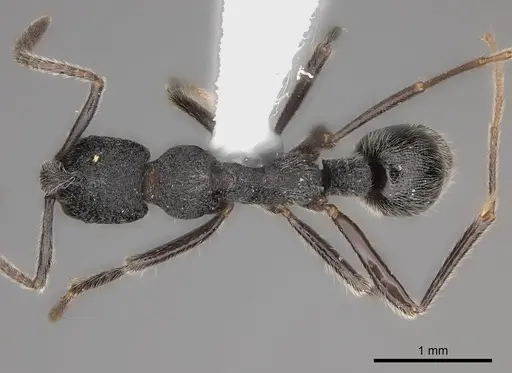
CASENT0249244
View on AntWeb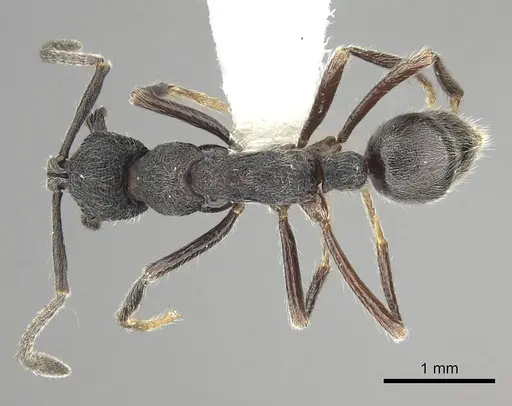
CASENT0631424
View on AntWeb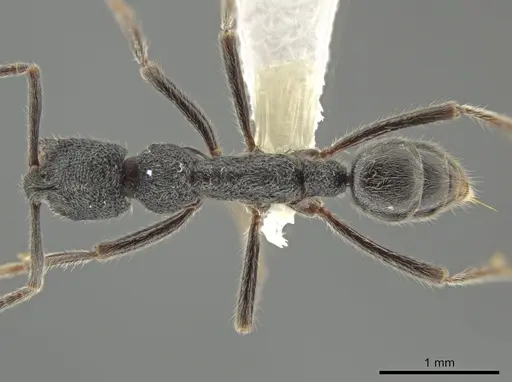
CASENT0902468
View on AntWeb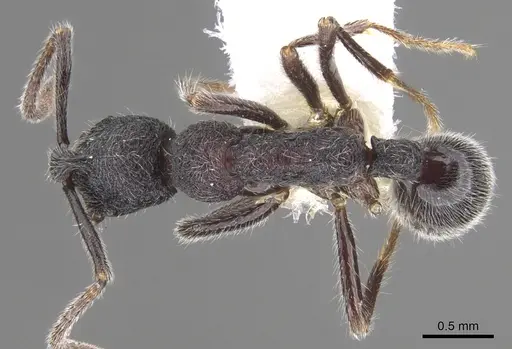
INBIOCRI001279792
View on AntWeb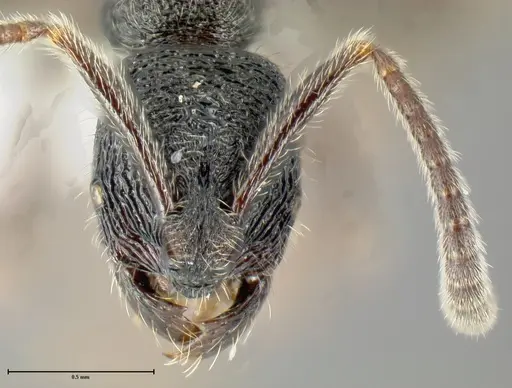
Literature
Loading...Loading products...