

Sericomyrmex saramama
- Scientific Name
- Sericomyrmex saramama
- Tribe
- Attini
- Subfamily
- Myrmicinae
- Author
- Ješovnik & Schultz, 2017
- Distribution
- Found in 2 countries
Sericomyrmex saramama Overview
Sericomyrmex saramama is an ant species of the genus Sericomyrmex. It is primarily documented in 2 countries , including Ecuador, Peru. Detailed taxonomic data and occurrence records can be further explored via authoritative databases such as AntWeb or the Global Biodiversity Information Facility (GBIF).
Sericomyrmex saramama
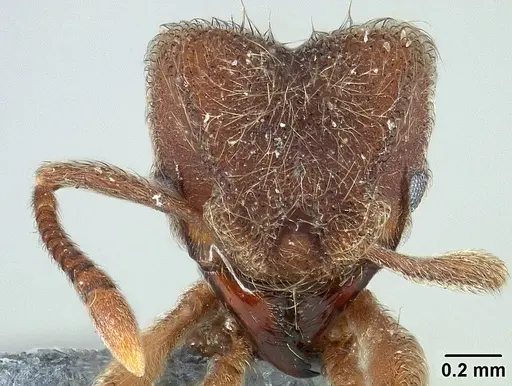
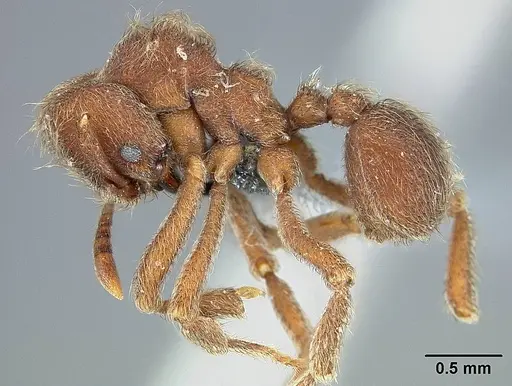
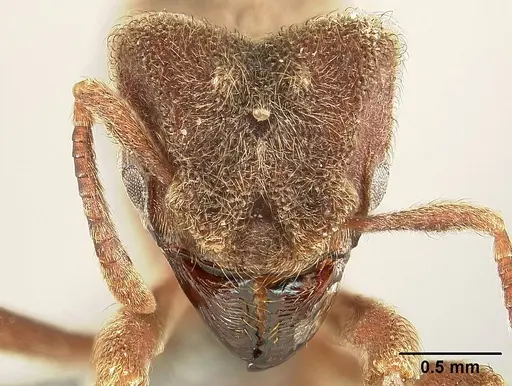
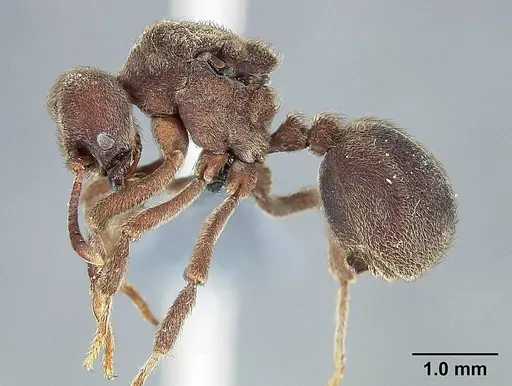
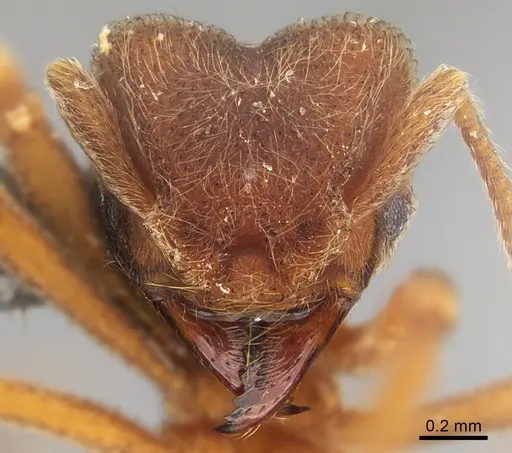
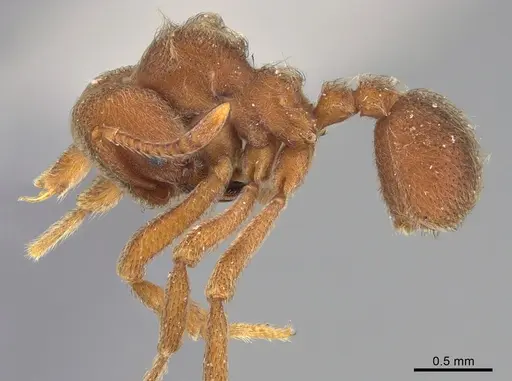
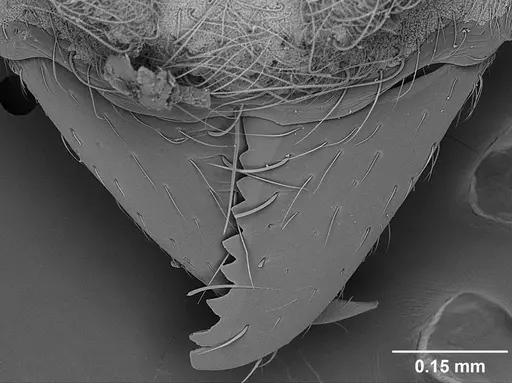
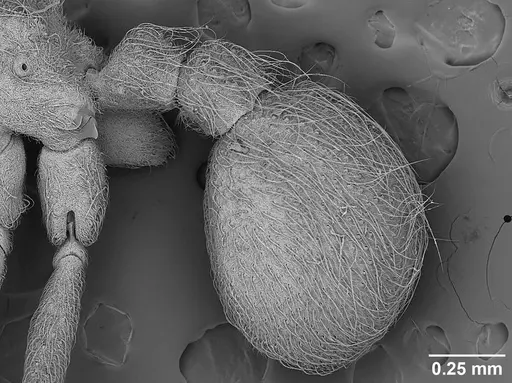
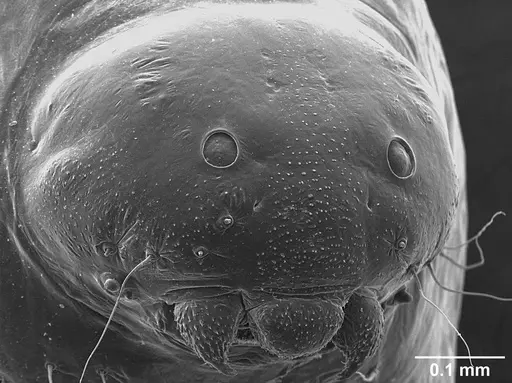
Sericomyrmex saramama is a small fungus-farming ant species native to the rainforests of Peru, Ecuador, and Colombia [1]. Workers measure just 1.12-1.40mm in body length, making them one of the smaller Attini species [1]. They have smooth, glossy mandibles, complete frontal carinae, and eyes without the white layer seen in some related species [1]. The queen is notably larger at 1.92mm and has striate mandibles that differ from the worker [1]. This species is named after Saramama, the Incan goddess of grain, reflecting both its Peruvian origin and its agricultural lifestyle [1]. What makes S. saramama particularly interesting is its specialized fungal cultivar, it grows a unique fungal species that occupies a separate evolutionary branch from all other higher-attine fungi, even when other cultivars are available nearby [2]. The species is rarely collected and has one of the most restricted distributions in the genus [3].
Quick Summary
- Difficulty: Expert
- Origin & Habitat: Primary rainforest in Peru, Ecuador, and Colombia at low elevation (around 224m) [1][4]. This species has never been collected in Amazonian Brazil and appears restricted to northwestern South America [1][3].
- Colony Type: Single-queen colonies (monogyne) with documented colony size of approximately 59 individuals including 1 queen and 51 workers [4]. Colonies remain relatively small compared to other Attini species.
- Colony: Monogyne
- Size & Growth:
- Queen: 1.92mm Weber's length (queen) [1]
- Worker: 1.12-1.40mm Weber's length [1]
- Colony: Up to approximately 60 workers based on field data [4]
- Growth: Unknown, likely slow due to fungal cultivation requirements
- Development: Unknown, no direct development data available for this species (Development likely takes several months given typical Attini patterns, but this is an estimate based on related species rather than confirmed data)
- Antkeeping:
- Temperature: Keep at 24-28°C, these are tropical rainforest ants requiring warm, stable conditions [4]. A gentle heating gradient in the nest area is recommended.
- Humidity: High humidity is essential, think damp rainforest floor. Keep the nest substrate consistently moist but not waterlogged. The fungal garden requires humidity to thrive.
- Diapause: No, being a tropical species, they do not require hibernation. Maintain warm conditions year-round.
- Nesting: In the wild, they nest in a single underground chamber about 10.5cm deep, with a small ground entrance and no mound [4]. For captivity, a plaster or acrylic nest with a chamber sized around 9-11cm wide works well. The nest should have space for both the fungal garden and the ants to walk over it.
- Behavior: These ants are peaceful and non-aggressive, typical of fungus-farming species. They are not known to sting and have minimal defensive capabilities. Workers are small and slow-moving. They spend most of their time tending their fungal cultivar rather than foraging aggressively. Escape risk is moderate, their small size means they could escape through small gaps, but they are not particularly active escape artists. The main activity is fungus maintenance rather than colony expansion.
- Common Issues: Fungal garden failure is the primary risk, the cultivar is specialized and may not survive if conditions are too dry or temperatures fluctuate, Small colony size means losses have greater impact, a few workers dying represents a significant percentage, Humidity management is critical, too dry kills the fungus, too wet causes mold, These ants are rarely available in the hobby and have very specific requirements that differ from common ant species, Temperature drops below 24°C can stress both the ants and their fungal cultivar
Fungus Farming - The Core of Their Diet
Sericomyrmex saramama belongs to the Attini tribe, a group of ants that evolved agriculture approximately 50-60 million years ago [2]. Unlike most ants that hunt insects or collect honeydew, these ants cultivate fungus for food. The ants feed the fungus with plant material (often leaf fragments in related species) and eat the specialized fungal structures the garden produces. This species is particularly interesting because it grows a unique fungal cultivar that is evolutionarily distant from those grown by other Sericomyrmex species [2]. In captivity, you will need to provide suitable substrate for the fungus, typically a mixture that the ants can tend. The fungal garden is the heart of the colony, if it declines, the colony will not survive. This makes S. saramama significantly more challenging to keep than predatory or omnivorous ant species.
Nest Setup and Housing
In their natural habitat, S. saramama creates a simple nest with one chamber located about 10.5cm below ground, accessed by a small hole with no mound structure [4]. The chamber itself is roughly 9cm tall and 9-11cm wide, with a total nest volume of about 466 cm³ [4]. For captivity, a plaster or acrylic formicarium with a chamber of similar dimensions works well. The nest must have a chamber large enough to accommodate both the fungal garden and space for workers to move around it. Use a moisture reservoir to keep the nest humid, these ants come from rainforest environments where humidity is consistently high. A test tube setup is too small for established colonies, a proper formicarium with a dedicated fungal garden area is essential.
Temperature and Humidity Requirements
As a tropical species from primary rainforest in Peru, S. saramama requires warm and humid conditions year-round [1][4]. Maintain temperatures between 24-28°C, avoiding any drops below room temperature. A small heating cable or heating mat on one side of the nest can create a gentle gradient, but avoid direct heat on the fungal garden. Humidity should be high, the substrate should feel consistently damp but never waterlogged. Both the ants and their fungal cultivar are sensitive to drying out. Use a water reservoir or regular misting to maintain humidity, but ensure adequate ventilation to prevent mold buildup. The combination of warmth and humidity mimics their natural understory rainforest environment.
Feeding and Nutrition
Unlike typical ants that accept a wide variety of foods, S. saramama is specialized to eat cultivated fungus. In captivity, you will need to provide organic material for the fungus to grow on, this typically includes small pieces of leaves, flower petals, or other plant matter that the ants can use as substrate for their garden [2]. The fungal garden should be maintained with fresh plant material added periodically. Unlike leaf-cutter ants (Atta and Acromyrmex), Sericomyrmex species generally use smaller plant fragments. Do not feed them only sugar water or insects, their primary food source is the fungus they cultivate. Some keepers report success with very small amounts of honey or sugar water as supplements, but the fungal garden must be the main food source. Research suggests these ants are generalist fungus farmers that can accept various plant materials.
Colony Structure and Growth
Field data shows S. saramama forms small colonies with a single queen and approximately 50 workers [4]. This is significantly smaller than many other Attini species, which can have thousands of workers. The colony structure is monogyne, one queen per nest [4]. Growth is likely slower than non-fungus-farming ants because the colony must invest resources in maintaining and expanding the fungal garden while also raising brood. A colony of 50-60 individuals represents a mature wild colony [4]. In captivity, expect slow growth over many months. The small colony size means you should not expect rapid expansion even under ideal conditions. This species is not suitable for keepers looking for fast-growing colonies.
Behavior and Temperament
Sericomyrmex saramama is a peaceful, non-aggressive species typical of fungus-farming ants [2]. They do not have a functional stinger and rely on their chemical defenses and cryptic lifestyle rather than active aggression. Workers are small and relatively slow-moving, spending most of their time tending the fungal garden rather than foraging aggressively. They are not territorial in the same way as predatory ants and typically stay close to the nest. These ants are not escape artists in the traditional sense, but their small size means they could slip through loose connections or gaps in the formicarium. They are not suitable for observation-focused keepers who want active foraging displays, their behavior is subtle and centered on fungus cultivation.
Frequently Asked Questions
Is Sericomyrmex saramama a good species for beginners?
No. This is an expert-level species due to its specialized fungus-farming requirements. Unlike common ant species that eat insects, honey, or seeds, S. saramama requires a living fungal garden that must be maintained with proper humidity, temperature, and plant material. The fungal cultivar is specialized and may not survive in captive conditions without experience. Additionally, this species is extremely rare in the ant-keeping hobby and has very specific environmental needs from Peruvian rainforests.
What do Sericomyrmex saramama ants eat?
They eat cultivated fungus, not typical ant foods. You must provide organic plant material (small leaf fragments, flower petals, or similar) for the fungus to grow on. The ants will process this material and use it to cultivate their fungal garden, which is their primary food source. Do not rely on sugar water, honey, or insects alone, the fungal garden is essential for their survival. This is fundamentally different from keeping predatory or omnivorous ant species.
How long does it take for Sericomyrmex saramama to develop from egg to worker?
The exact development timeline has not been documented in scientific literature. Based on typical Attini patterns, expect development to take several months rather than the weeks typical of many non-fungus-farming ants. The fungal cultivation adds complexity to brood care, as the colony must maintain both the garden and developing brood simultaneously. This is an estimate, no specific data exists for this species.
Can I keep multiple Sericomyrmex saramama queens together?
No. This species is monogyne, meaning colonies have a single queen [4]. Field data shows one queen per nest with approximately 50 workers [4]. There is no evidence that multiple queens can coexist in a single colony. Combining unrelated queens is not recommended and has not been documented in this species.
What temperature should I keep Sericomyrmex saramama at?
Keep them at 24-28°C, which mimics their natural tropical rainforest environment in Peru [4]. Avoid temperatures below 24°C, being a tropical species, they are sensitive to cold. A heating cable or mat on one side of the nest can maintain warmth, but ensure the fungal garden does not overheat or dry out. Room temperature alone is likely too cold for this species.
How big do Sericomyrmex saramama colonies get?
Based on field data, mature colonies reach approximately 50-60 workers with a single queen [4]. This is relatively small compared to other Attini species. In captivity, expect slow growth and a maximum colony size in this range. The specialized fungal cultivation may limit colony growth compared to species with simpler dietary requirements.
Do Sericomyrmex saramama need hibernation or diapause?
No. As a tropical species from Peruvian rainforests, they do not require hibernation or winter rest [1]. Maintain warm, humid conditions year-round. Unlike temperate ant species that slow down in winter, S. saramama remains active when kept at proper temperatures. Do not expose them to cold temperatures or simulate winter conditions.
Why is my Sericomyrmex saramama colony dying?
The most common cause is fungal garden failure. The specialized cultivar requires high humidity (damp but not waterlogged), warm temperatures (24-28°C), and regular addition of plant material. If the fungus declines, the colony will not survive. Other common issues include: temperatures too low, humidity too low or too high (causing mold), poor ventilation, and stress from disturbance. This species is challenging and losses are common even for experienced keepers.
When should I move Sericomyrmex saramama to a formicarium?
Only move established colonies to a proper formicarium once they have a healthy fungal garden and a reasonable number of workers (at least 20-30). The formicarium must have a chamber large enough to accommodate both the fungal garden and the ants. A test tube is only suitable for founding colonies, a plaster or acrylic nest with a dedicated fungal garden area is needed as the colony grows. Ensure the formicarium maintains humidity without flooding.
Where is Sericomyrmex saramama native to?
This species is native to the primary rainforests of Peru, Ecuador, and Colombia in northwestern South America [1][4]. The type locality is the Tambopata Reserve in Peru at approximately 224m elevation [1]. They have never been collected in Amazonian Brazil and appear restricted to the western Amazon basin region. Their distribution is one of the most restricted in the genus.
References

This caresheet is licensed under CC BY-SA 4.0 .
USNMENT00924064
View on AntWeb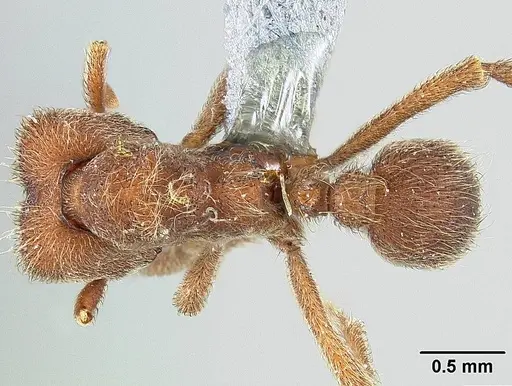
USNMENT00924065
View on AntWeb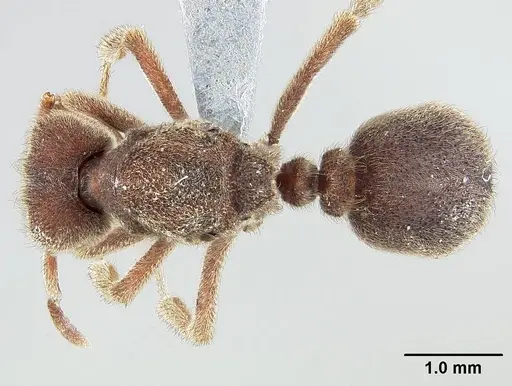
USNMENT00924072
View on AntWeb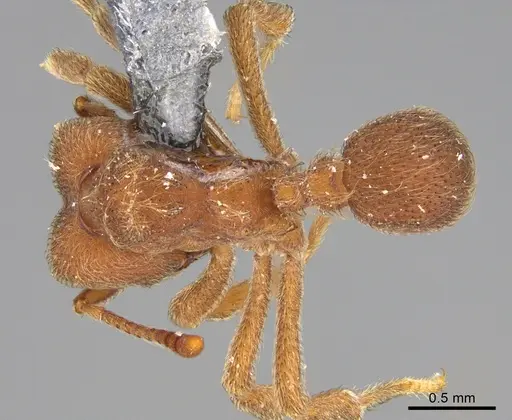
USNMENT01125262
View on AntWeb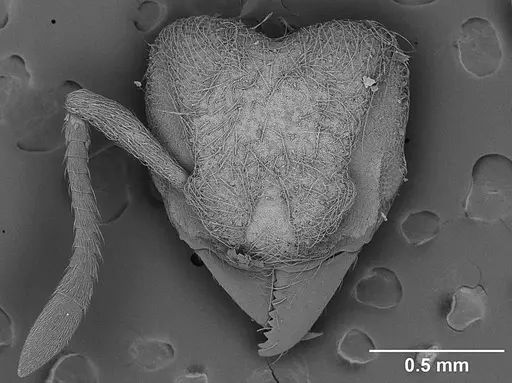
USNMENT01125266
View on AntWeb
Literature
Loading...Loading products...