

Sericomyrmex parvulus
- Scientific Name
- Sericomyrmex parvulus
- Tribe
- Attini
- Subfamily
- Myrmicinae
- Author
- Forel, 1912
- Distribution
- Found in 6 countries
Sericomyrmex parvulus Overview
Sericomyrmex parvulus is an ant species of the genus Sericomyrmex. It is primarily documented in 6 countries , including Bolivia, Plurinational State of, Brazil. Detailed taxonomic data and occurrence records can be further explored via authoritative databases such as AntWeb or the Global Biodiversity Information Facility (GBIF).
Sericomyrmex parvulus
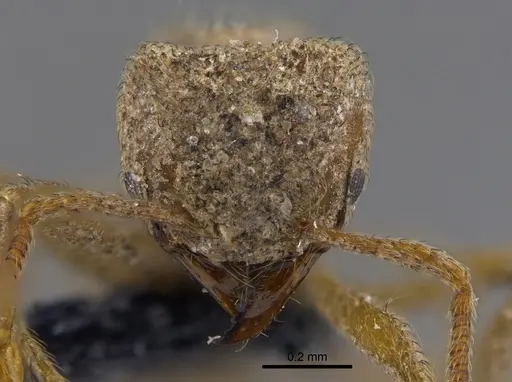
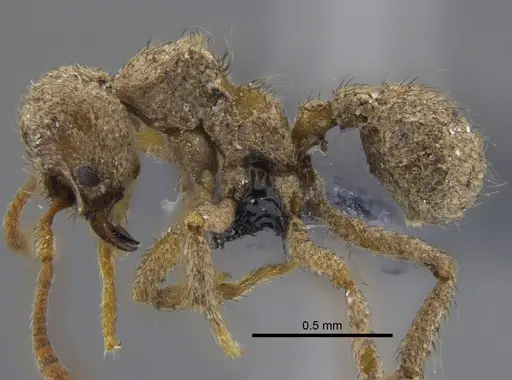
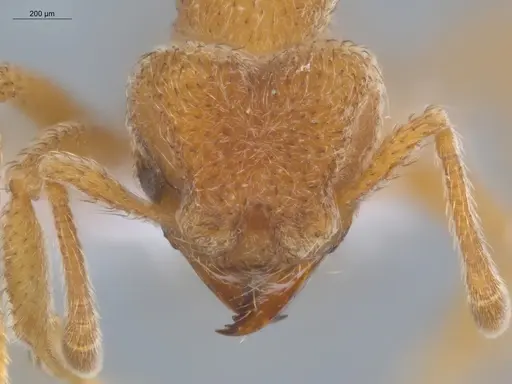
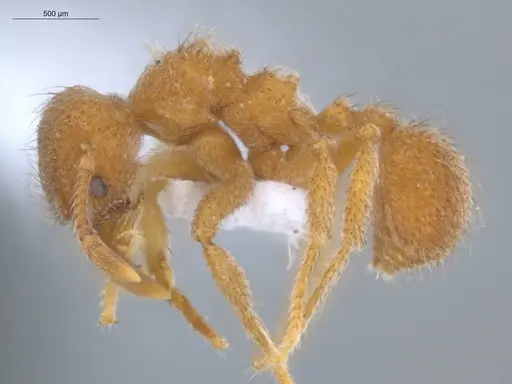
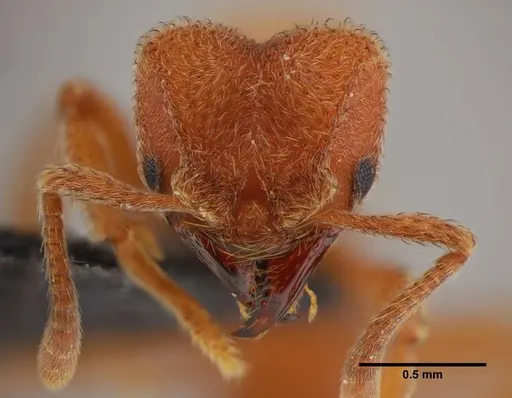
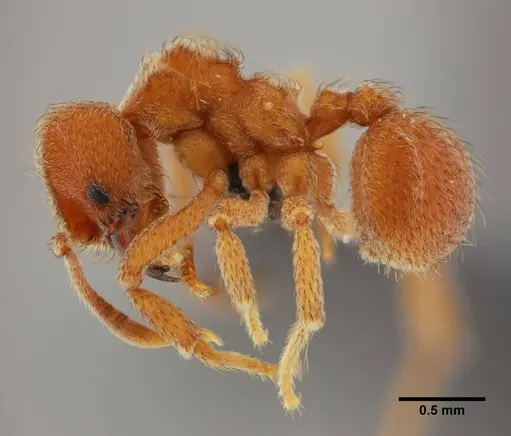
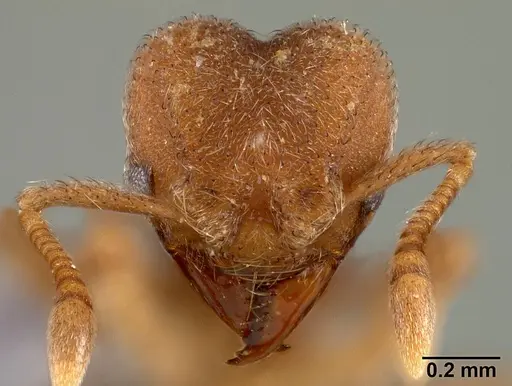
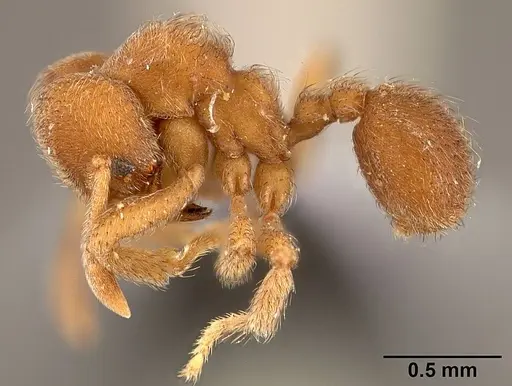
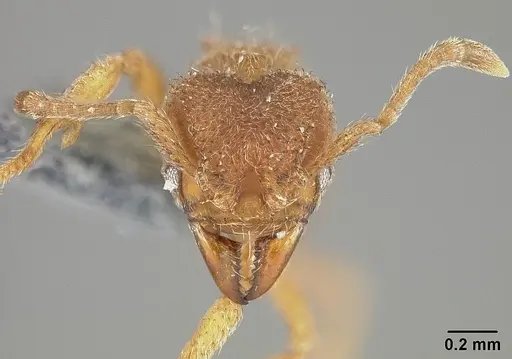
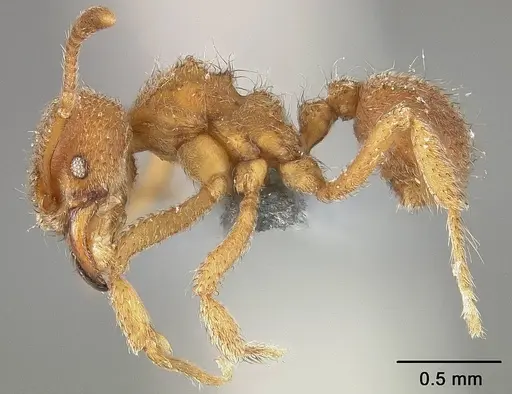
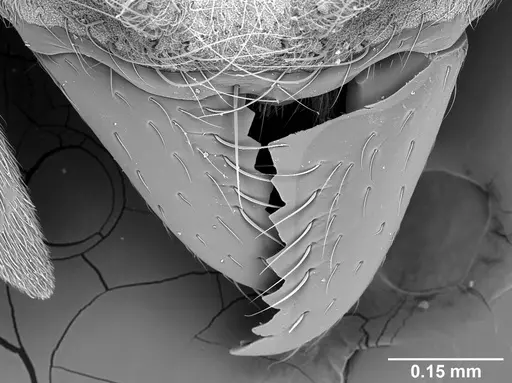
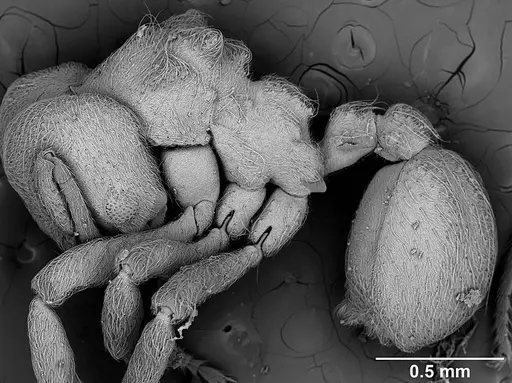
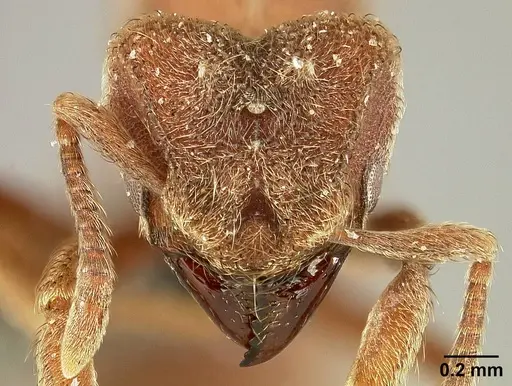
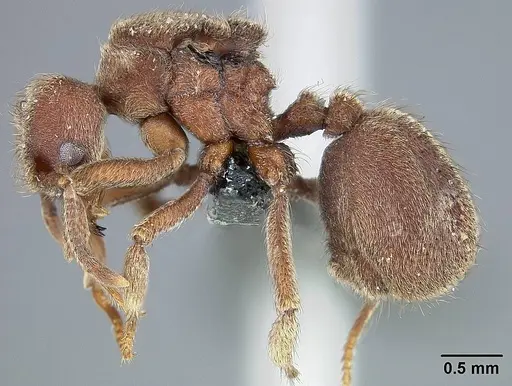
Sericomyrmex parvulus is the smallest species in the fungus-farming ant genus Sericomyrmex. Workers measure just 0.66-0.90 mm in head width, making them remarkably tiny compared to other Attini ants [1]. Queens are slightly larger at 0.98-1.05 mm head width [1]. This species has a smooth, rounded head shape with a small triangular frontal lobe and faint frontal carina. The mesosomal tubercles are small and low, and the first gastral tergite has weakly developed lateral carinae [1].
Found across northern South America including Brazil, Colombia, Peru, Ecuador, French Guiana, Guyana, Suriname, and Bolivia, S. parvulus inhabits forested areas and builds nests in soil with simple small entrance holes [1][2]. Like all Sericomyrmex species, these ants farm fungus for food, they cultivate fungal gardens in underground chambers and feed the fungus with plant material they collect. This makes them one of the more specialized ant groups to keep, as their diet revolves entirely around fungus cultivation.
Quick Summary
- Difficulty: Medium
- Origin & Habitat: Tropical rainforests of northern South America (Brazil, Colombia, Peru, Ecuador, French Guiana, Guyana, Suriname, Bolivia). Found in primary and secondary rainforest, mountain forest, pasture, scrub vegetation, and coffee plantations. Nests are excavated in soil at depths of 2.5-13 cm, with some nests recorded deeper than 1 meter [2][1].
- Colony Type: Single-queen colonies (monogyne) with 1-2 queens documented. Colonies contain 190-312 workers and 252-403 total individuals including brood [2]. Workers are monomorphic to mildly polymorphic [3].
- Colony: Monogyne
- Founding: Claustral
- Size & Growth:
- Queen: 0.98-1.05 mm head width (HWe),1.56-1.65 mm Weber's length (WL) [1].
- Worker: 0.66-0.90 mm head width (HWe),0.74-1.23 mm Weber's length (WL) [1].
- Colony: Up to 400 workers (252-403 individuals total) [2]. Earlier estimates suggested under 50 workers for generalized higher agriculture [3], but more recent data shows larger colonies.
- Growth: Moderate
- Development: 6-10 weeks (estimated based on related Attini species) (Development time is unconfirmed for this specific species. Based on typical Attini patterns at tropical temperatures (24-28°C), expect 6-10 weeks from egg to first worker. Fungus farming adds time as the fungal garden must be established.)
- Antkeeping:
- Temperature: Keep at 24-28°C. This is a tropical species from lowland rainforests, so warmth is essential for colony activity and brood development. In the wild, foragers are active day and night with peak activity in the afternoon [2]. A heating cable on one side of the nest can create a temperature gradient.
- Humidity: Keep substrate consistently moist but not waterlogged. These ants nest in soil in humid rainforest environments. The fungus garden needs moisture to survive. Aim for damp substrate conditions, the soil should feel moist to the touch with condensation visible on nest walls occasionally.
- Diapause: No, this is a tropical species that does not require hibernation. Keep temperatures stable year-round.
- Nesting: Soil-nesting species that excavates chambers. In captivity, a naturalistic setup with soil or a plaster/acrylic nest with moisture retention works well. They prefer 2-5 chambers at depths of 2.5-13 cm in the wild [2]. A nest with multiple connected chambers allows space for their fungus garden.
- Behavior: Peaceful and non-aggressive. Workers forager in small groups of up to 10 individuals, collecting plant material, flower parts, and arthropod feces to feed their fungus garden [4]. They forage within 0.20-1.13 meters of the nest and show peak activity in the afternoon [2]. Workers deposit collected material near the nest entrance before taking it inside [2]. Escape risk is low, they are small but not particularly agile climbers. They do not have functional stingers (Myrmicinae Attini tribe).
- Common Issues: Fungus garden failure is the biggest risk, without healthy fungus, the colony will starve. The fungal cultivar must be maintained properly with correct humidity and fresh plant material., Overfeeding can cause mold problems in the nest. Only provide as much plant material as the fungus garden can consume within a few days., Dry conditions will kill the fungus garden quickly. Monitor humidity closely and rehydrate when substrate surface dries., Small colony size means slower population growth, don't expect rapid expansion. Patience is required as colonies may take months to reach 100 workers., These ants are sensitive to temperature drops. Keeping them below 22°C for extended periods can slow activity and potentially harm the colony.
Housing and Nest Setup
Sericomyrmex parvulus nests in soil, so a naturalistic setup with a soil chamber works best. You can use a test tube for founding colonies, but established colonies need more space for their fungus garden. A plaster nest with a moisture reservoir or a naturalistic terrarium with soil substrate allows them to excavate chambers naturally. The nest should have multiple connected chambers, in the wild they use 2-5 chambers at varying depths [2]. Keep the nest humid but ensure ventilation prevents mold. A small water reservoir connected to the nest helps maintain humidity. The entrance should be a simple small hole, matching their natural nest architecture [2].
Fungus Farming and Feeding
This is the most critical aspect of keeping S. parvulus. These ants are obligate fungus farmers, they cannot survive without their fungal cultivar. In the wild, they feed their fungus garden plant material including flower parts, leaf fragments, vegetable matter, wood, and even arthropod feces [4]. You must provide fresh plant material regularly. Small pieces of leaves, flower petals, or other plant matter work well. The ants will cut these into fragments and place them in their fungus garden. Remove any uneaten plant material after a few days to prevent mold. Do not feed them sugar water or protein insects as their primary diet, the fungus is their food source. Some keepers report success with very small amounts of honey water as a supplement, but plant material is essential.
Temperature and Humidity
Maintain temperatures between 24-28°C. This tropical species requires warmth, temperatures below 22°C will reduce activity and may harm the colony. Use a low-level heating cable on one side of the nest if your room temperature is below this range. Place the heating on top of the nest, not underneath, to avoid drying out the substrate. Humidity is equally important for fungus health. Keep the substrate consistently moist but not soggy. The fungus garden needs damp conditions to grow. Check moisture levels daily and mist or add water as needed. Good ventilation helps prevent mold while maintaining humidity. These ants are most active in the afternoon in the wild [2], so a warm, stable environment encourages similar activity patterns in captivity.
Colony Development and Growth
Colonies start with a single claustral queen who seals herself in a chamber and raises the first workers on her stored fat reserves. Once the first workers emerge (nanitics), they begin expanding the nest and tending the fungus garden. Colony growth is moderate, expect several months to reach 50 workers, and a year or more to reach 200+ workers. The fungus garden must grow alongside the colony. Maximum colony size in the wild is around 400 individuals including workers, brood, and the queen(s) [2]. Multiple queens (1-2) have been documented in some wild colonies [2], but single-queen colonies are more common. Be patient with growth, these are not fast-growing ants like some Lasius or Camponotus species.
Behavior and Observation
Workers are small but active, foraging in groups of up to 10 individuals [4]. They collect plant material and bring it to the nest entrance before taking it inside to feed the fungus. Foraging distance is short, typically within 1 meter of the nest [4]. Workers are not aggressive and do not have stingers. They are primarily diurnal with peak activity in the afternoon, though some night activity has been observed [2]. The colony will establish a home range of about 1 square meter [4]. Watching the workers tend their fungus garden and bring in plant material is the main observation interest with this species. They are not aggressive defenders and will retreat rather than attack if the nest is disturbed.
Common Problems
The biggest threat to captive S. parvulus is fungus garden collapse. If the fungus dies, the colony will starve. Prevent this by maintaining proper humidity (not too dry, not too wet) and providing appropriate plant material. Mold is another common issue, remove uneaten food promptly and ensure good ventilation. Temperature stress from being too cold is also problematic, keep them warm. These are not escape artists, but the small size means they can slip through loose connections in equipment. Check all seals and use appropriate barriers. Finally, be patient with growth, slow development leads some keepers to overfeed, which causes mold problems.
Frequently Asked Questions
How long does it take for Sericomyrmex parvulus to produce first workers?
Expect 6-10 weeks from founding to first workers, based on typical Attini development at warm temperatures (24-28°C). The queen seals herself in and raises the first brood alone. This timeline is an estimate since the specific development time for S. parvulus has not been directly studied.
What do Sericomyrmex parvulus ants eat?
They are fungus farmers, they do not eat conventional ant foods. Provide fresh plant material including leaf fragments, flower petals, and vegetable matter. The ants will cut this into small pieces and feed it to their fungus garden, then eat the fungus. Do not rely on sugar water, honey, or insects as primary food.
Can I keep Sericomyrmex parvulus in a test tube?
Test tubes work for founding colonies, but established colonies need more space for their fungus garden. A naturalistic setup with soil or a moist plaster nest with multiple chambers is better for long-term keeping.
How big do Sericomyrmex parvulus colonies get?
Maximum around 400 individuals (190-312 workers plus queen, brood, and alates) in the wild [2]. Captive colonies will likely reach similar sizes with proper care.
Do Sericomyrmex parvulus need hibernation?
No. This is a tropical species from South American rainforests. They do not require diapause or hibernation. Keep temperatures stable year-round at 24-28°C.
Are Sericomyrmex parvulus good for beginners?
No. This is a medium-difficulty species due to their specialized fungus-farming requirements. You must maintain a healthy fungus garden, provide appropriate plant material, and keep humidity and temperature precise. They are not recommended as a first ant species.
Why is my Sericomyrmex parvulus colony dying?
The most likely cause is fungus garden failure. Check humidity levels, the fungus needs consistent moisture. Ensure you are providing appropriate plant material and removing uneaten food before it molds. Temperature below 22°C can also stress the colony. If the fungus has died, the colony will not survive.
How often should I feed Sericomyrmex parvulus?
Provide fresh plant material every 2-3 days, removing any uneaten material before it molds. The amount depends on colony size, start with small pieces and increase as the fungus garden grows. Monitor how quickly they consume the material.
What humidity level do Sericomyrmex parvulus need?
Keep the substrate consistently moist but not waterlogged. The soil should feel damp to the touch. The fungus garden needs humidity to survive. Mist the nest regularly and ensure the water reservoir is filled. Good ventilation helps prevent mold while maintaining moisture.
When should I move my colony to a formicarium?
Move to a larger setup once the test tube or founding setup becomes crowded. This species needs space for their fungus garden, so a naturalistic or plaster nest with multiple chambers is ideal once the colony reaches 20-30 workers.
References

This caresheet is licensed under CC BY-SA 4.0 .
CASENT0104987
View on AntWeb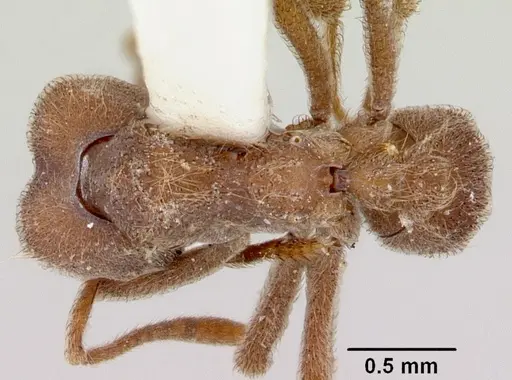
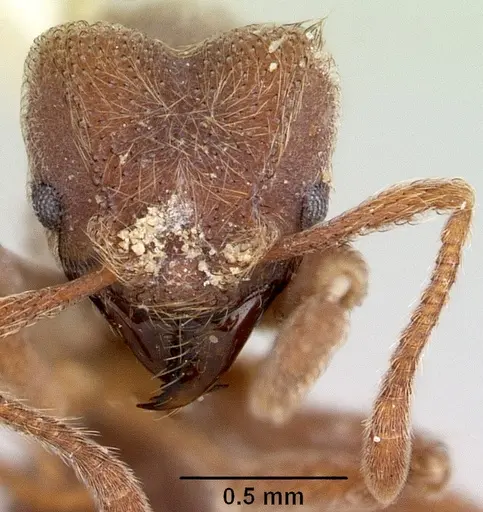
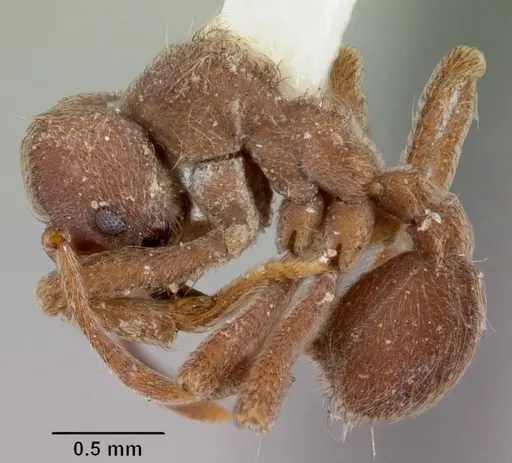
CBUMAGENT41869
View on AntWeb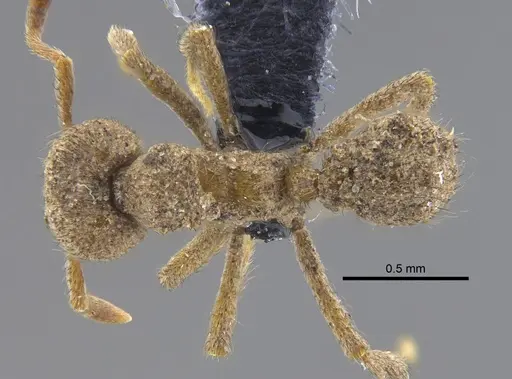
ECOFOG-MI15-0448-20
View on AntWeb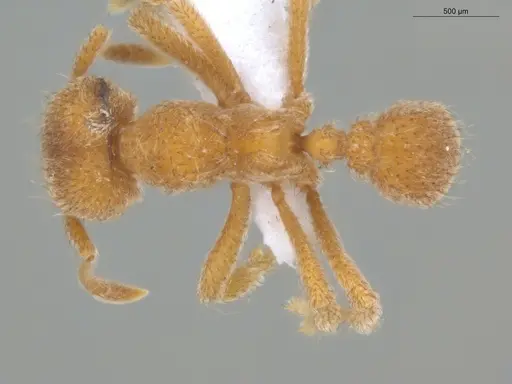
UFV-LABECOL-000372
View on AntWeb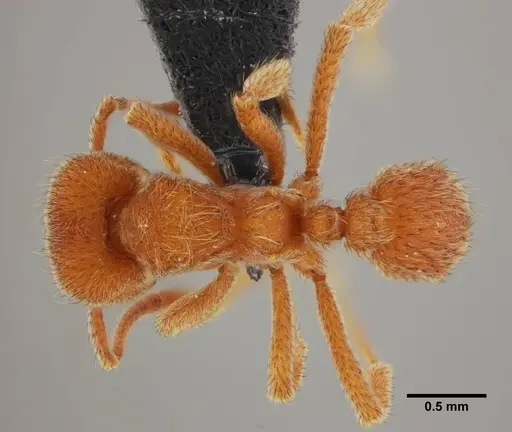
USNMENT00446157
View on AntWeb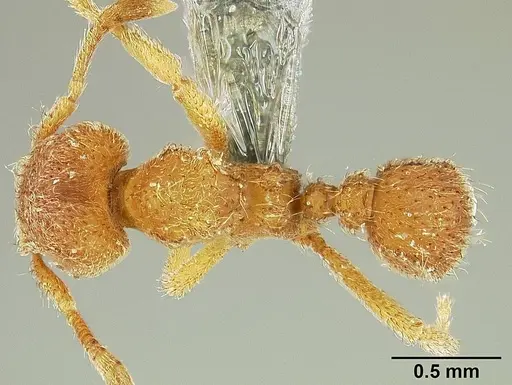
USNMENT01124296
View on AntWeb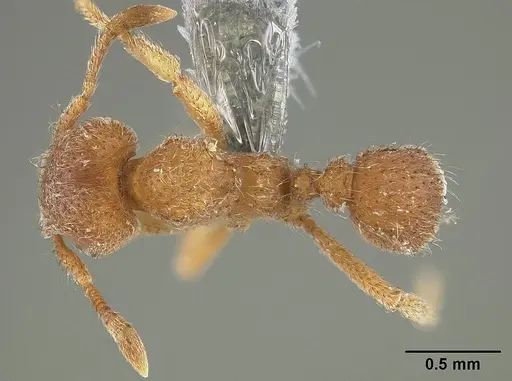
USNMENT01125592
View on AntWeb
USNMENT01125593
View on AntWeb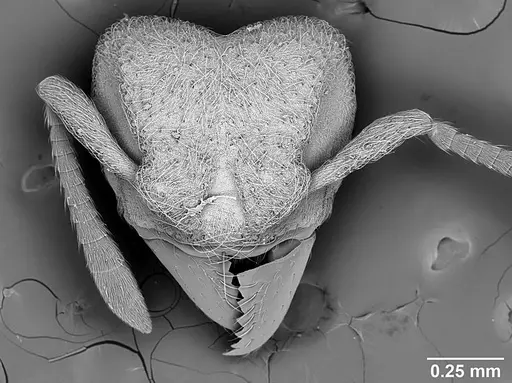
USNMENT01125594
View on AntWeb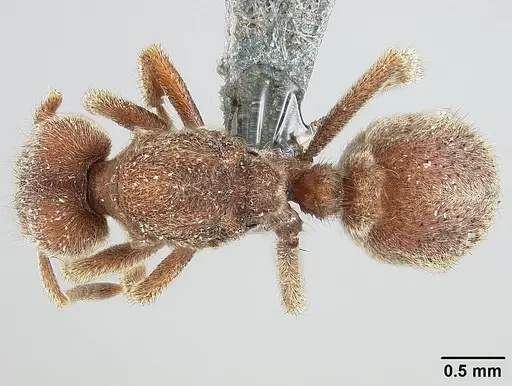
Literature
Loading...Loading products...