

Sericomyrmex opacus
- Scientific Name
- Sericomyrmex opacus
- Tribe
- Attini
- Subfamily
- Myrmicinae
- Author
- Mayr, 1865
- Distribution
- Found in 8 countries
Sericomyrmex opacus Overview
Sericomyrmex opacus is an ant species of the genus Sericomyrmex. It is primarily documented in 8 countries , including Brazil, Colombia, Costa Rica. Detailed taxonomic data and occurrence records can be further explored via authoritative databases such as AntWeb or the Global Biodiversity Information Facility (GBIF).
Sericomyrmex opacus - "Velvety Fungus Ant"
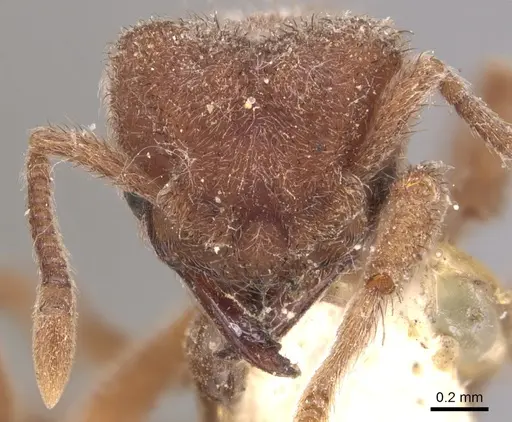
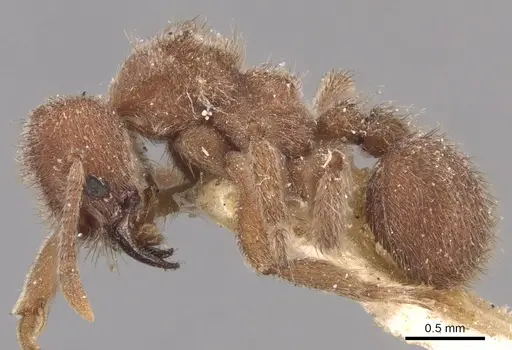
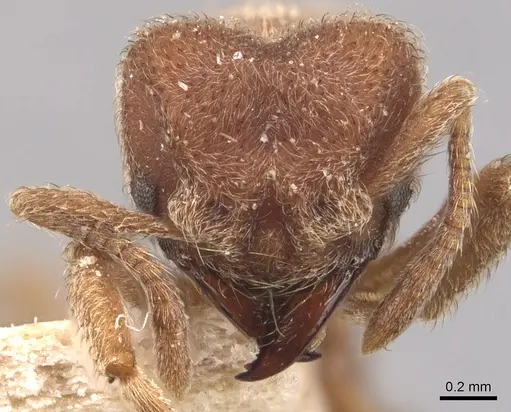
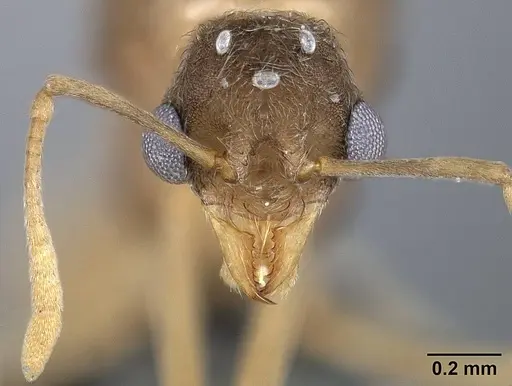
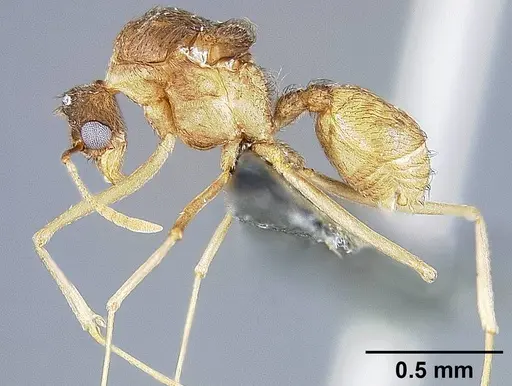
Sericomyrmex opacus is a fascinating fungus-growing ant species, notable for its unique behavior of cultivating a specialized fungus for food. These ants typically have a dark brown to black body color and an elongated head shape. The workers are relatively small, usually covered with a dull, opaque integument and a waxy, crystal-shaped cuticular layer, which is absent in callows and males. Their bodies are covered in dense, light yellow hairs and longer, often flexuous, yellow to gray or black hairs. The queen is larger than the workers, with a cordate head and a more pronounced vertexal tumulus. The species is part of the 'higher' attine ants, meaning they cultivate highly specialized fungi that are obligate symbionts. While they are fungus growers, their nests and habits are generally less conspicuous than the well-known leafcutter ants like Atta.
- Difficulty: Medium
- Origin & Habitat: Central and South America (including Brazil, Costa Rica, Panama, Mexico, Bolivia, Paraguay, Peru, Ecuador, Guatemala, Honduras, Nicaragua, Venezuela, Colombia, Guyana). in Tropical regions with high temperatures (20-30°C) and high humidity (often above 60%). They are typically found in forested areas, residing in leaf litter and soil, but can also inhabit dry forests, humid rainforests, dry savannas, and even disturbed, open, and urban habitats..
- Colony Type: Monogyne, claustral founding.
- Size & Growth:
- Queen: Not specified
- Worker: up to 4mm
- Colony: Medium (hundreds to a few thousands). Medium (colony growth is tied to the growth of their fungal garden, with a single queen laying up to 100 eggs per day, and colonies reaching over 100,000 individuals in some Sericomyrmex species, though S. opacus tends to be smaller). growth.
- Antkeeping:
- Temperature: Maintain a temperature between 20-30°C (68-86°F) for optimal fungal growth and colony health. Consistent temperatures are crucial for their fungal garden..
- Humidity: High humidity, often above 60%, is essential for their fungal garden. A gradient with higher humidity near the fungal garden is beneficial..
- Diapause: Not required. Not specified at Not specified.
- Nesting: These ants build subterranean nests with subelliptical to subspherical chambers connected by narrow tunnels. Nests of Sericomyrmex opacus specifically tend to have a single chamber for the fungal garden. Given their fungus-growing nature, a dedicated fungus-growing setup (like a plaster, Ytong, or naturalistic soil nest with proper ventilation and humidity control) is necessary. Small roots or structures that allow the fungus garden to hang can be beneficial..
- Behavior: Low (towards handler) aggressiveness.
- Common Issues: Mold in nest (not related to their fungus), Colony stalling (due to fungal garden issues), Humidity fluctuations, Incorrect substrate for fungus, Contamination of fungal garden, Queen stress.
Keeping Sericomyrmex opacus successfully hinges on meticulously maintaining their fungal garden. This isn't your typical ant setup where you just provide sugary water and protein. These ants are highly specialized fungus farmers, relying entirely on their cultivated fungus for food. Therefore, providing the correct substrate for the fungus, along with stable temperature and humidity, is paramount. Any disruption to these conditions can quickly lead to the decline of the fungal garden and, consequently, the entire colony. Think of the fungus as the true heart of your colony – if it thrives, so will your ants.
One of the biggest challenges with fungus-growing ants like Sericomyrmex opacus is preventing mold outbreaks not associated with their beneficial fungus. High humidity, while necessary for their fungal garden, can also promote unwanted mold growth if ventilation is poor or if uneaten food and waste are not promptly removed. It's a delicate balance. Regular cleaning of the outworld and careful management of food offerings are crucial to avoid contaminants that could jeopardize the health of their precious fungal farm. A clean environment is a healthy fungal garden.
Unlike many common ant species, Sericomyrmex opacus workers are known to forage mostly alone, even though some larger Sericomyrmex colonies might form short foraging columns. This solitary foraging behavior means you might not see the bustling activity of a typical ant highway in your outworld. Their primary foraging activity will be centered around collecting suitable organic matter to feed their fungus garden. They are particularly keen on materials like leaf litter, and in artificial setups, have shown a preference for fruits, especially oranges.
The species is known for having a substantial morphological homogeneity, yet with considerable variation within species and sometimes even within colonies. This can make identification a bit tricky at times, as differences between some Sericomyrmex species are very subtle. The presence or absence of a thin white layer on their eyes can vary, even within the same species or population. This characteristic, while interesting, might require a keen eye and comparison to reliable sources for accurate identification.
Frequently Asked Questions
What makes Sericomyrmex opacus unique compared to other ants?
Sericomyrmex opacus ants are truly special because they are fungus farmers! Unlike many ants that forage for direct food sources, these guys cultivate a specific type of fungus as their primary food source. They're part of a fascinating group called 'higher' attine ants, meaning their fungal crop is entirely dependent on them. It’s like having a tiny, self-sufficient farm right in your formicarium!
What do Sericomyrmex opacus ants eat?
They don't eat typical ant foods like sugar water or insects directly. Instead, Sericomyrmex opacus workers collect organic matter, primarily leaf litter and sometimes even fruits like oranges, to feed their fungal garden. The ants then consume specialized growths from this cultivated fungus, which serves as their main diet. So, you're not just feeding the ants, you're feeding their farm!
What kind of nest setup is best for Sericomyrmex opacus?
Since these are fungus growers, they need a specific setup that supports their fungal garden. A naturalistic soil nest, or formicariums made of plaster or Ytong with excellent humidity control and some ventilation, are often recommended. The key is to provide a stable, high-humidity environment for the fungus, with chambers that allow the fungus garden to grow and potentially hang. Single-chambered setups are common for this species.
How important is humidity for Sericomyrmex opacus?
Humidity is absolutely critical, arguably the most important factor! Their fungal garden thrives in high humidity, often above 60%. Without consistent high humidity, the fungus will dry out and die, which will lead to the demise of the entire colony. Consider investing in a hygrometer to accurately monitor and maintain these levels within your setup.
Do Sericomyrmex opacus sting or bite?
While most ants can bite, Sericomyrmex opacus are generally considered to have low aggressiveness towards handlers and are not known to possess a potent sting. They are more focused on their fungal farming activities than on defense against larger threats. So, no need to worry too much about painful encounters when observing your colony.
What's the ideal temperature range for these ants?
They prefer warm tropical conditions, so aim for a temperature range of 20-30°C (68-86°F). Maintaining a stable temperature is vital, as fluctuations can stress the colony and negatively impact their delicate fungal garden. Consider using a heat mat with a thermostat if your room temperature isn't consistently within this range.
How big do Sericomyrmex opacus colonies get?
Colony sizes for Sericomyrmex opacus are generally considered medium, ranging from hundreds to a few thousand individuals. While some larger Attine ant species can form supercolonies with millions, Sericomyrmex opacus typically doesn't reach those massive numbers, making them a more manageable species for many antkeepers.
Do they need a diapause (hibernation)?
No, Sericomyrmex opacus are tropical ants from Central and South America and do not require a diapause period. They are accustomed to stable, warm conditions year-round, so maintaining a consistent environment is key to their health and longevity.
What are common problems when keeping Sericomyrmex opacus?
The most frequent issues revolve around their fungal garden. This includes mold growth (unrelated to their symbiotic fungus) due to poor ventilation or sanitation, the fungal garden stalling or dying due to incorrect humidity or substrate, and general colony stress from environmental fluctuations. Overfeeding can also lead to waste and mold. Maintaining strict hygiene and environmental control is crucial.
How do I prevent unwanted mold in their nest?
Preventing unwanted mold requires a multi-pronged approach. Ensure excellent ventilation in your formicarium and outworld. Promptly remove any uneaten food or dead ants. Control humidity carefully, aiming for high levels for the fungus but allowing for some air circulation to prevent stagnant, mold-prone conditions. Regular cleaning of the outworld is paramount to keep contaminants at bay.
Can I keep multiple queens together?
Sericomyrmex opacus is a monogyne species, meaning colonies typically have a single queen. While some ant species can be polygynous, it's best to keep a single queen for this particular species to ensure the colony's stability and natural development.
What kind of substrate do they use for their fungus?
In their natural habitat, they collect leaf litter and other organic matter. For antkeeping, you'll need to provide suitable materials that they can use as a substrate for their fungus. This often involves specific types of organic plant matter that fungus growers are known to utilize, or commercially available fungus-growing ant substrates. Researching specific fungal substrates used by other fungus-growing ant keepers is highly recommended.
How do I know if my fungal garden is healthy?
A healthy fungal garden will typically appear as a growing, whitish, sponge-like mass, often with small, spherical 'Kohlrabi' clumps on its surface that the ants consume. It should smell earthy, not moldy. If it starts to shrink, change color drastically, or develop fuzzy, non-ant-cultivated mold, it's a sign that something is wrong with the environment or the substrate.
Do Sericomyrmex opacus require a large outworld?
While they are fungus growers, their foraging behavior is often solitary, and their colonies don't typically reach the supercolony sizes of true leafcutters like Atta. A moderately sized outworld should be sufficient, allowing them space to forage for substrate materials for their fungus and for you to easily clean. Focus on providing suitable foraging materials rather than just a vast empty space.

This caresheet is licensed under CC BY-SA 4.0 .
CASENT0901678
View on AntWeb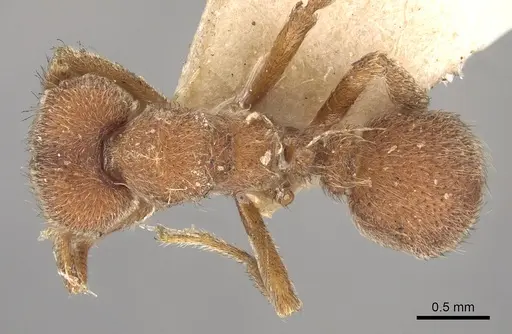
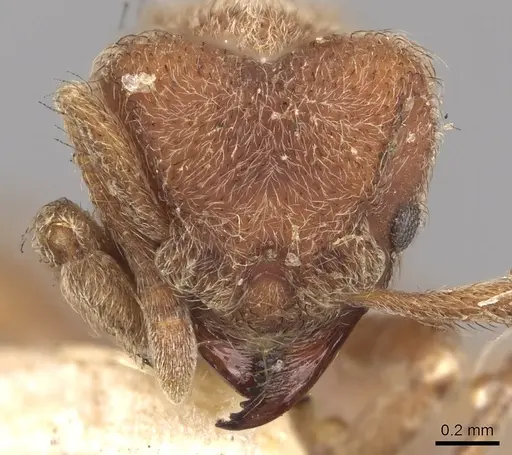
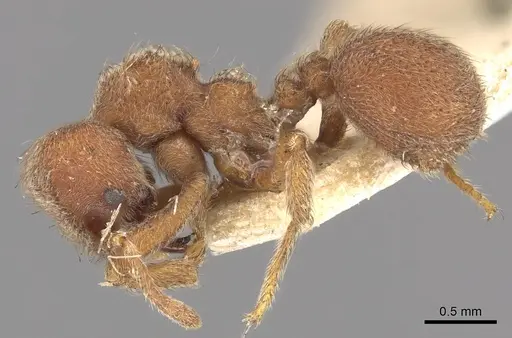
CASENT0904987
View on AntWeb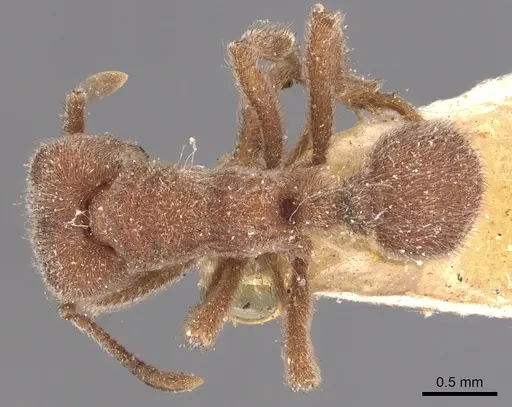
CASENT0904988
View on AntWeb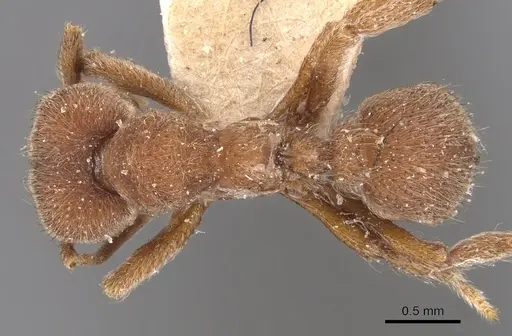
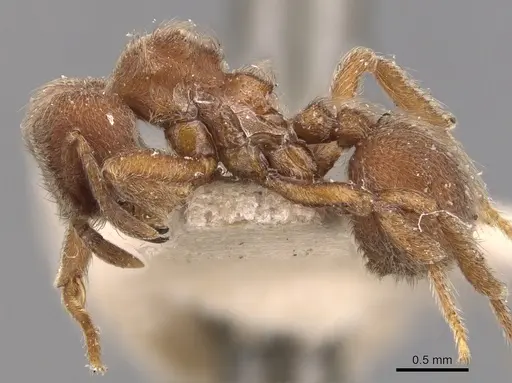
CASENT0909368
View on AntWeb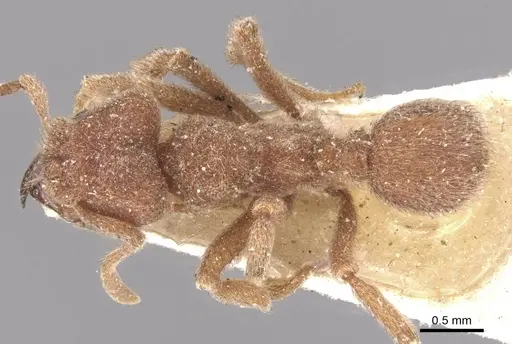
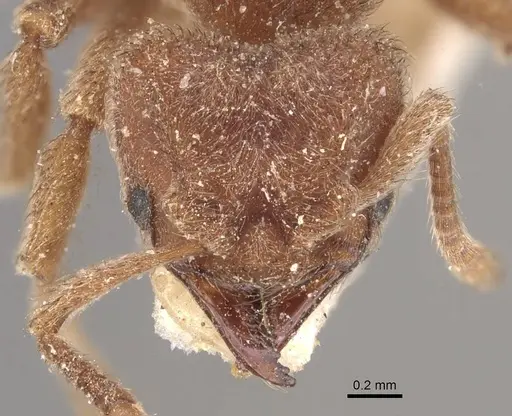
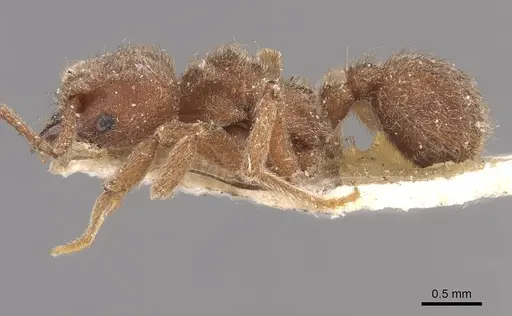
CASENT0909369
View on AntWeb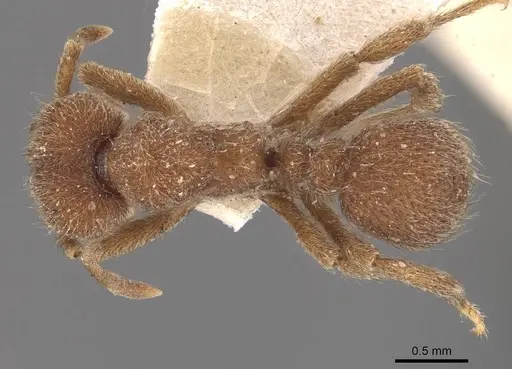
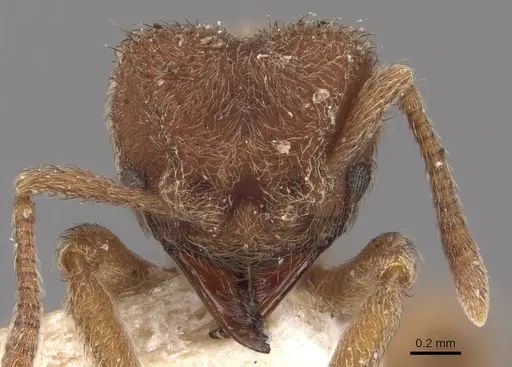
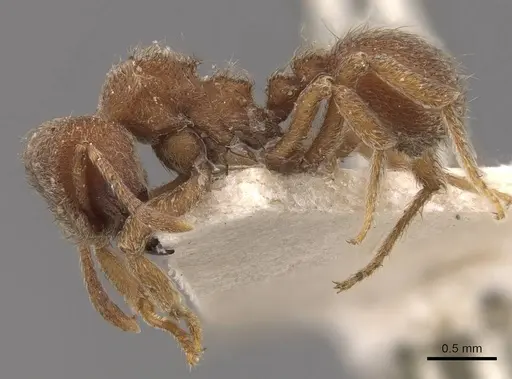
CASENT0915955
View on AntWeb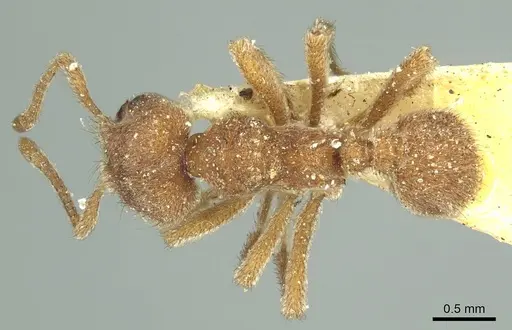
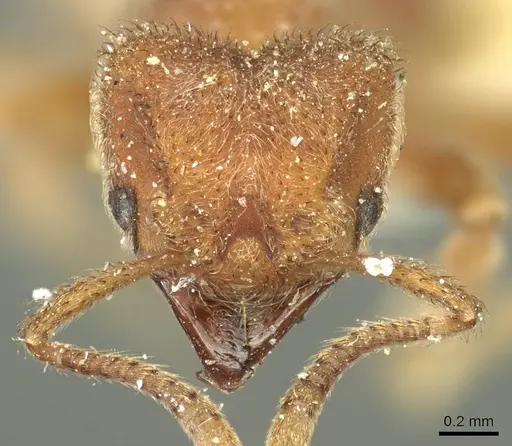
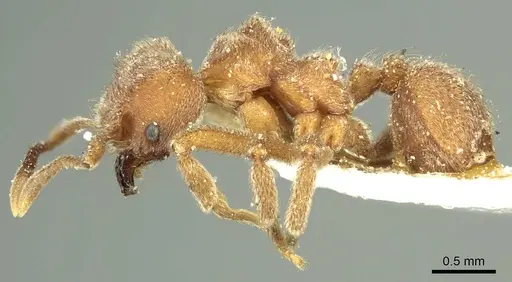
CASENT0915956
View on AntWeb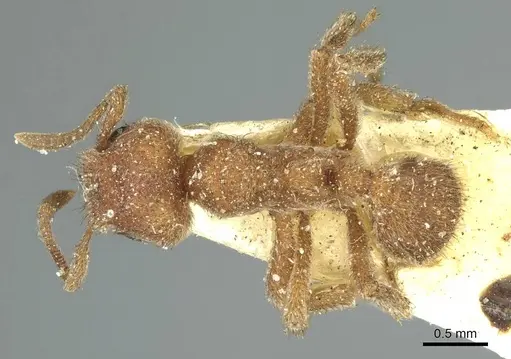
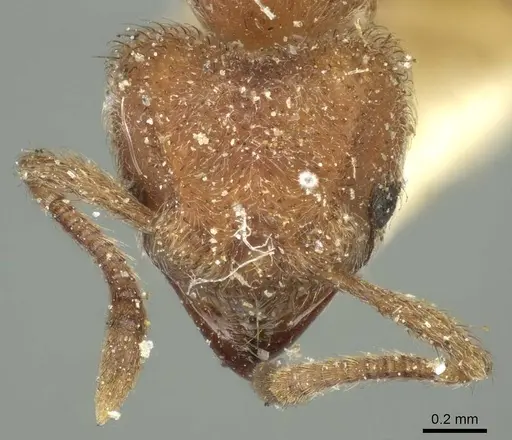
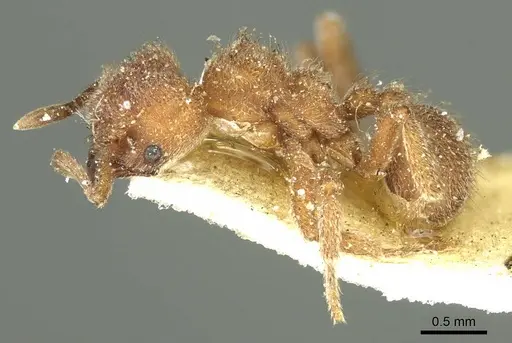
CBUMAGENT41871
View on AntWeb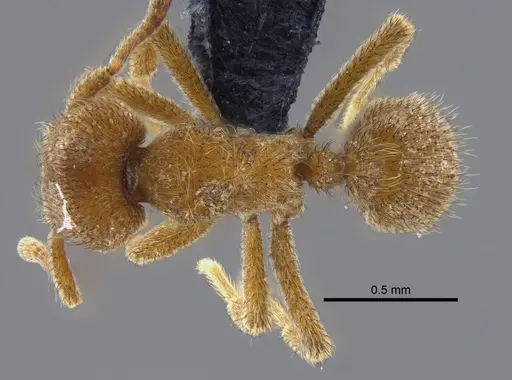
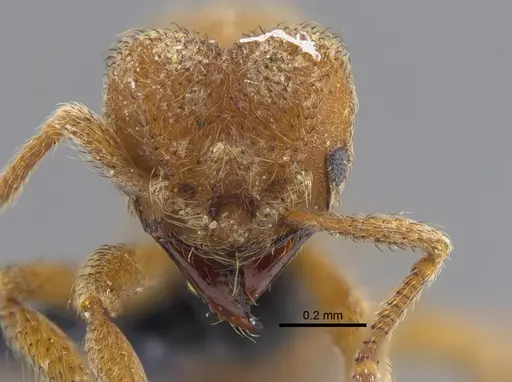
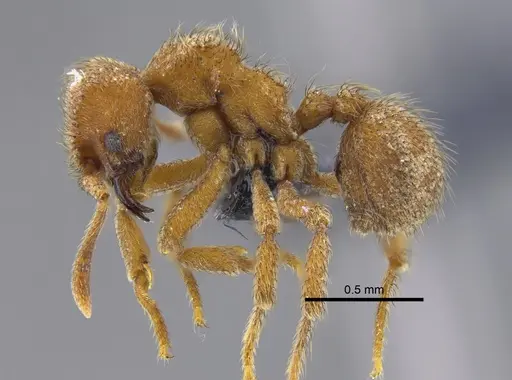
FOCOL2194
View on AntWeb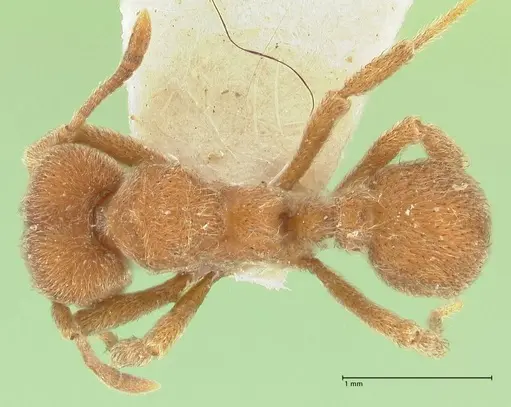
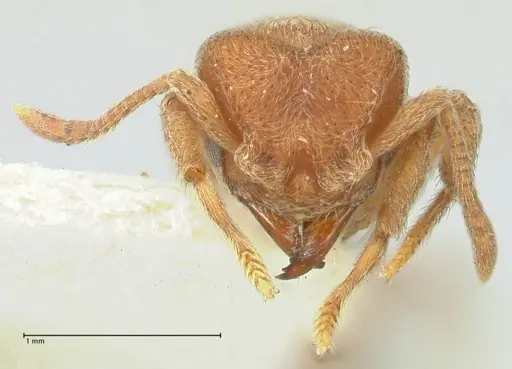
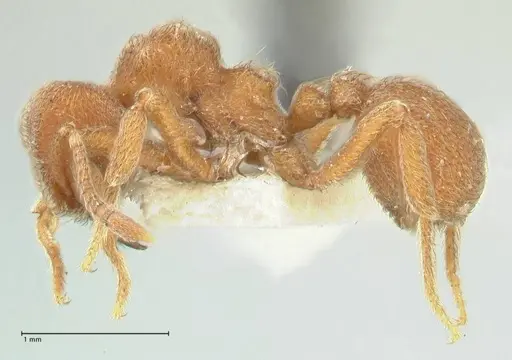
USNMENT00305214
View on AntWeb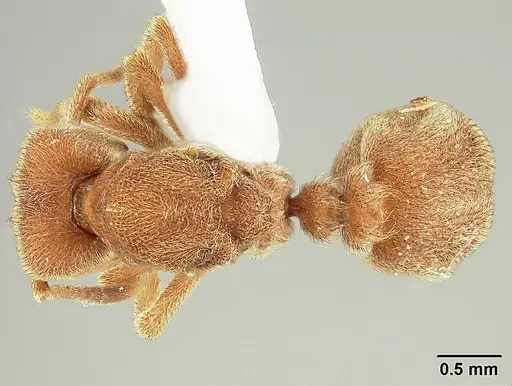
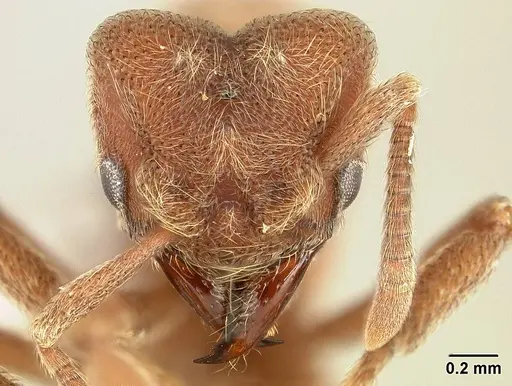
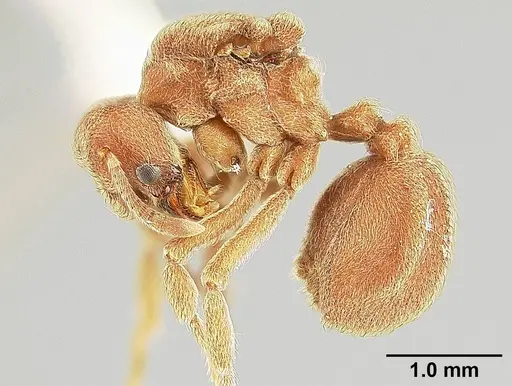
USNMENT01125118
View on AntWeb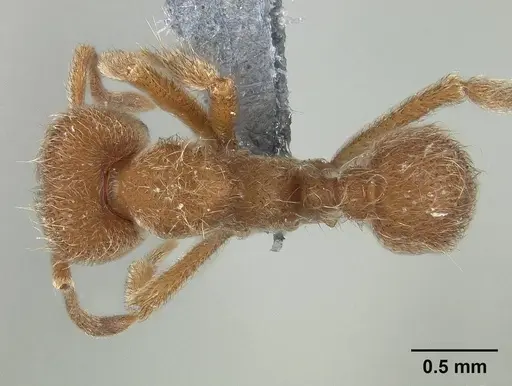
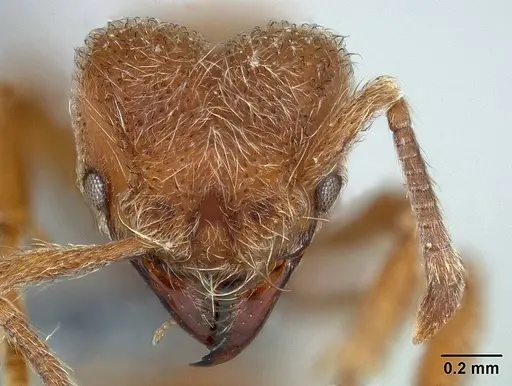
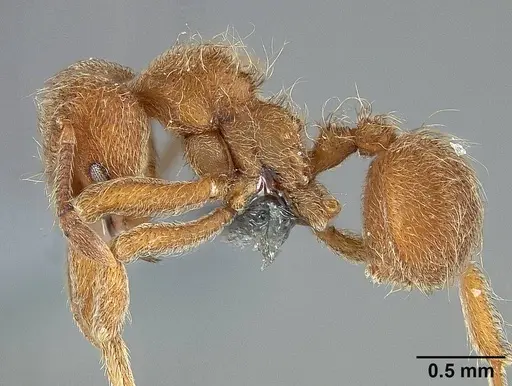
USNMENT01125124
View on AntWeb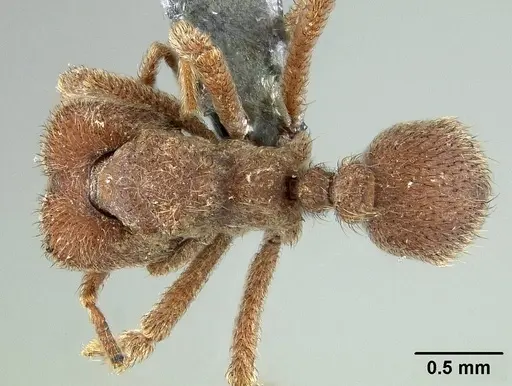
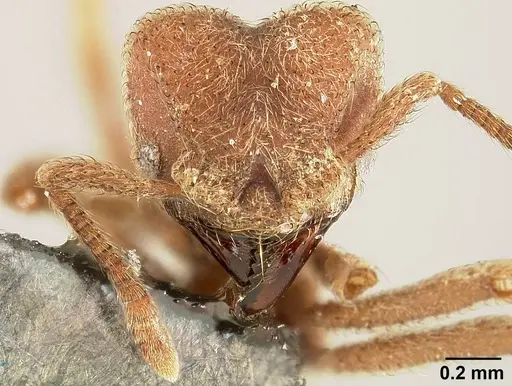
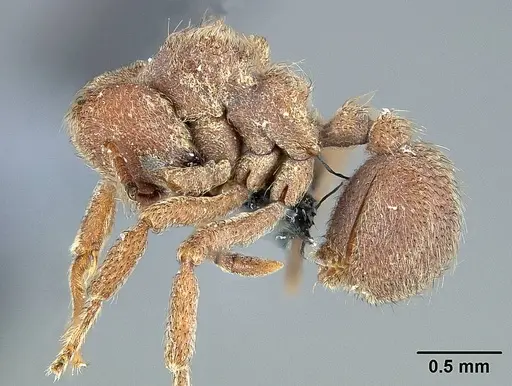
USNMENT01125314
View on AntWeb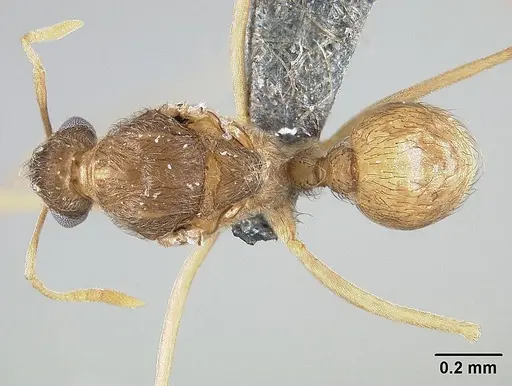
USNMENT01125317
View on AntWeb
USNMENT01125331
View on AntWeb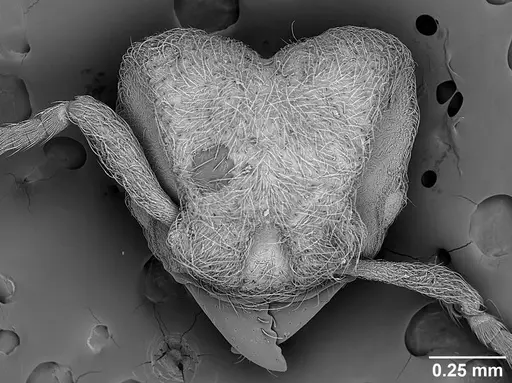
Literature
Loading...Loading products...