

Rotastruma recava
- Scientific Name
- Rotastruma recava
- Tribe
- Crematogastrini
- Subfamily
- Myrmicinae
- Author
- Bolton, 1991
- Distribution
- Found in 1 countries
Rotastruma recava Overview
Rotastruma recava is an ant species of the genus Rotastruma. It is primarily documented in 1 countries , including Singapore. Detailed taxonomic data and occurrence records can be further explored via authoritative databases such as AntWeb or the Global Biodiversity Information Facility (GBIF).
Rotastruma recava
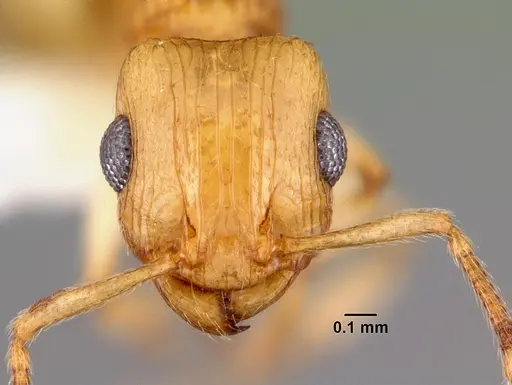
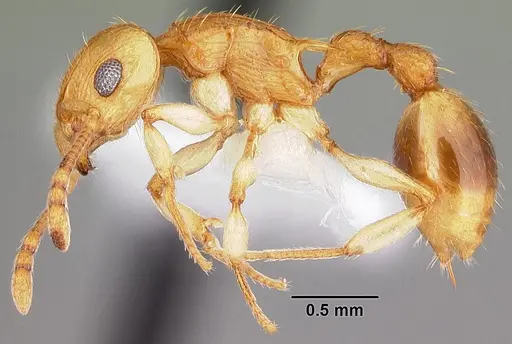
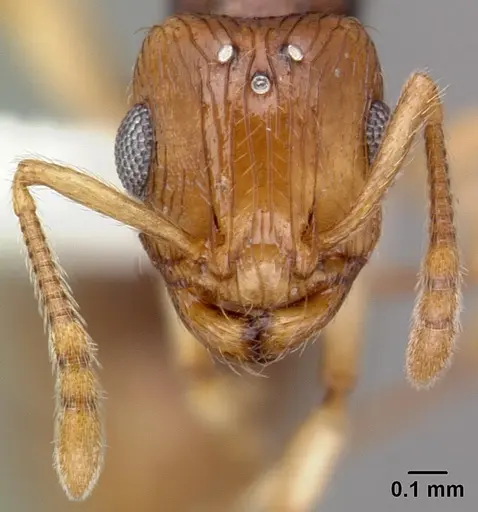
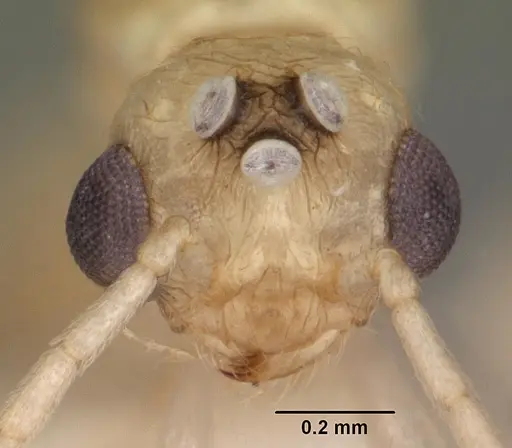
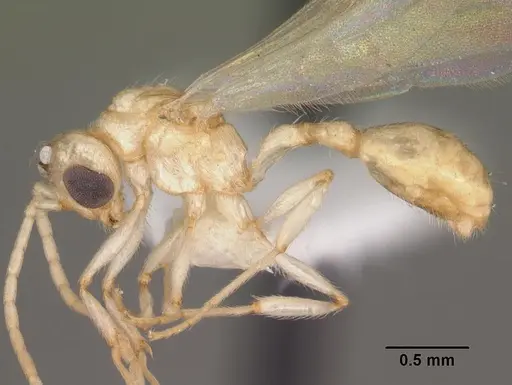
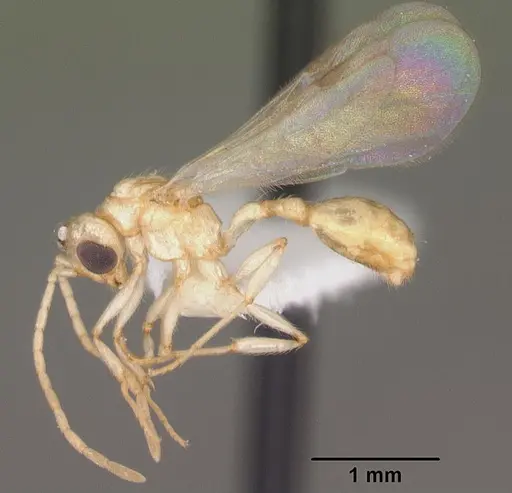
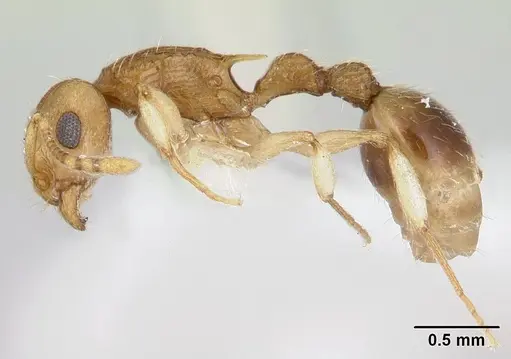
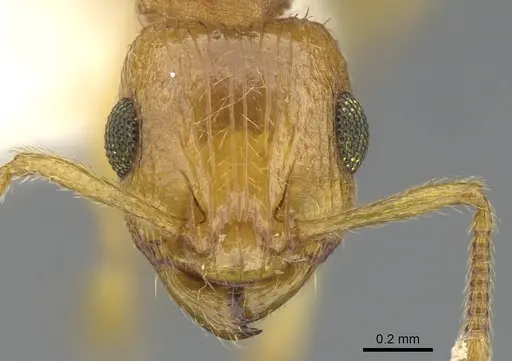
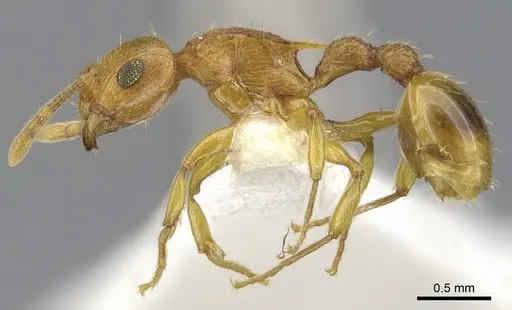
Rotastruma recava is a tiny yellow ant from the Myrmicinae subfamily, native to the rainforests of Southeast Asia including Borneo, Malaysia, and Singapore [1]. Workers measure just 3.6-4.0mm with a distinctive concave back of the head and convex sides, plus large eyes taking up about 35% of head width [2]. Queens are only slightly larger at 3.9-4.0mm, one of the smallest queen sizes in the ant world [2]. The species has a yellow body with a broad brown band across the first gastral segment [2]. This is a rarely collected arboreal ant that nests in dead twigs and branches in rainforest canopies [3][4]. The genus Rotastruma is part of the Indo-Pacific clade closely related to Paratopula, and represents a rare and unusual group of tree-dwelling ants [5][6].
Quick Summary
- Difficulty: Medium
- Origin & Habitat: Rainforests of Borneo, Malaysia, and Singapore in the Indomalayan region [1]. Nests are found in dead twigs, typically collected near trees or in the forest canopy [3][4].
- Colony Type: Polygynous, colonies contain multiple dealate (wingless) queens [1]. This is one of the few ant species where multiple queens living together in a single nest has been documented.
- Colony: Polygyne
- Size & Growth:
- Queen: 3.9-4.0mm [2]
- Worker: 3.6-4.0mm [2]
- Colony: Unknown, likely small to moderate based on related genera
- Growth: Moderate
- Development: Estimated 6-8 weeks based on typical Myrmicinae development at tropical temperatures (Development timeline is not directly studied, estimate based on related genera in the Crematogastrini tribe)
- Antkeeping:
- Temperature: Keep at 24-28°C, these are tropical rainforest ants that need warm conditions. A gentle gradient allowing slight variation is ideal.
- Humidity: High humidity required, think damp rainforest canopy. Keep the nest substrate consistently moist but not waterlogged. Provide a water tube as a constant moisture source.
- Diapause: No, being a tropical species, they do not require hibernation. Maintain warm temperatures year-round.
- Nesting: Arboreal nester, in captivity they do well in test tubes or acrylic nests. They prefer tight, enclosed spaces that mimic their natural dead twig habitat. A vertical or angled setup works better than horizontal.
- Behavior: These are shy, non-aggressive ants that prefer to avoid confrontation. Workers are small and slow-moving, foraging primarily in the nest area rather than actively hunting. They are not known to sting. Escape risk is moderate, their small size means they can squeeze through small gaps, so standard barrier methods work well.
- Common Issues: high humidity management, too wet causes mold, too dry causes desiccation, tropical temperature maintenance, room temperature may be too cool without heating, small colony size, colonies likely remain modest in size, arboreal nature, they may not adapt well to ground-level formicariums, limited availability, this is a rarely kept species with few established husbandry protocols
Housing and Nest Setup
Rotastruma recava is an arboreal species that naturally nests in dead twigs and branches in the rainforest canopy [3][4]. In captivity, they adapt well to standard test tube setups or small acrylic nests. The key is providing tight, enclosed chambers that mimic their natural twig environment. They do not need large spaces, small, cozy chambers work better than open areas. A test tube with a cotton-plugged water reservoir works as a simple founding setup. For established colonies, a small acrylic nest with narrow chambers (around 3-4mm wide) scaled to their tiny size is ideal. Avoid naturalistic setups with large soil volumes, these small ants do better in compact, contained spaces.
Temperature and Humidity
As a tropical rainforest species from Southeast Asia, Rotastruma recava requires warm and humid conditions [1]. Maintain temperatures between 24-28°C, this is warmer than typical room temperature in many homes, so a small heating cable or heat mat on one side of the nest may be necessary. Create a gentle temperature gradient so ants can self-regulate. Humidity should be high, the nest substrate should feel consistently damp but never waterlogged. A water tube in the setup provides constant moisture. Good ventilation is important to prevent mold while maintaining humidity. Avoid placing the nest near air conditioning vents or in drafty areas.
Feeding and Diet
Like most Myrmicinae ants, Rotastruma recava likely accepts a standard ant diet of sugar sources and protein. Offer sugar water, honey, or diluted honey as a constant energy source. For protein, small soft-bodied prey like fruit flies, small mealworms, or pinhead crickets work well. Given their tiny size, prey items should be appropriately small, springtails or fruit fly larvae are ideal. Feed every 2-3 days, removing uneaten prey within 24 hours to prevent mold. These are not aggressive foragers, so place food near the nest entrance where workers can easily find it.
Colony Structure and Multi-Queen Care
This is one of the few confirmed polygynous ant species, colonies naturally contain multiple queens living together in harmony [1]. This is unusual in the ant world where queens typically fight, and makes Rotastruma recava particularly interesting for antkeepers. When keeping this species, you do not need to separate queens, they coexist peacefully. The presence of multiple queens likely contributes to faster colony growth and resilience. Queens are remarkably small at just 3.9-4.0mm, barely larger than workers [2]. This is one of the smallest queen sizes documented in ants.
Behavior and Temperament
Rotastruma recava is a calm, non-aggressive species that tends to stay within its nest area. Workers are small and slow-moving, not aggressive toward keepers or other colonies. They are not known to sting. Their arboreal nature means they prefer elevated positions and may not thrive in ground-level formicariums. They are secretive and spend most of their time inside the nest. Escape risk is moderate, while not particularly escape-prone, their small size means they can fit through very small gaps. Standard barrier methods (fluon on rim edges) are sufficient. They are not territorial and do not exhibit raiding or aggressive behaviors. [2]
Frequently Asked Questions
How long does it take for Rotastruma recava to produce first workers?
The exact development timeline is not documented, but based on typical Myrmicinae development at tropical temperatures (24-28°C), expect around 6-8 weeks from egg to first worker. Patience is key with this species as colonies grow slowly.
Can I keep multiple queens together in one colony?
Yes, Rotastruma recava is naturally polygynous, meaning colonies contain multiple queens that coexist peacefully [1]. Unlike most ant species, you do not need to separate queens. This is one of the few documented multi-queen ant species.
What size colony does Rotastruma recava reach?
The maximum colony size is not documented in scientific literature. Based on related genera and the small size of this species, colonies likely remain modest, probably under 500 workers. They are not known for producing large supercolonies.
Do Rotastruma recava ants sting?
No, this species is not known to have a functional stinger. As a Myrmicinae member in the Crematogastrini tribe, they do not possess the specialized stingers found in some other ant groups. They are completely harmless to keepers.
What temperature should I keep Rotastruma recava at?
Keep them warm at 24-28°C. These are tropical rainforest ants from Southeast Asia that need warm conditions year-round. Room temperature alone is often too cool, a small heat source may be necessary.
Are Rotastruma recava good for beginners?
This species is rated as medium difficulty. While not the hardest species to keep, they have specific requirements (high humidity, warm temperatures) that make them better suited for keepers with some experience. Their rarity also means husbandry knowledge is limited.
What do Rotastruma recava eat?
They likely accept standard ant foods: sugar sources (honey, sugar water) for energy and small protein prey (fruit flies, small mealworms, springtails). Given their tiny size, prey should be appropriately small. Feed every 2-3 days.
Where does Rotastruma recava live in the wild?
They are found in the rainforests of Borneo, Malaysia, and Singapore [1]. Nests are collected from dead twigs in the forest canopy, making them arboreal ants that live high above the forest floor [3][4].
How big are Rotastruma recava queens?
Queens are remarkably small at just 3.9-4.0mm, barely larger than the workers at 3.6-4.0mm [2]. This is one of the smallest queen sizes documented in the ant kingdom.
Do Rotastruma recava need hibernation?
No, as a tropical species from Southeast Asia, they do not require hibernation or winter rest. Maintain warm temperatures year-round. Diapause is not part of their natural cycle.
References

This caresheet is licensed under CC BY-SA 4.0 .
CASENT0010807
View on AntWeb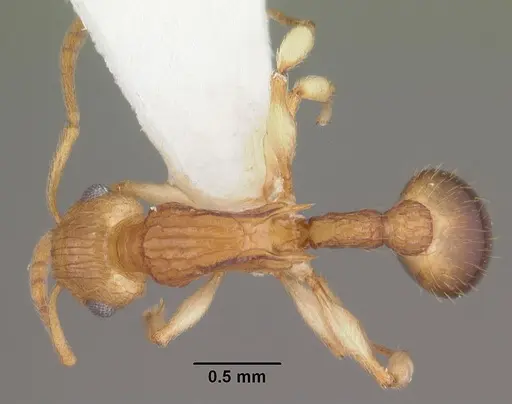
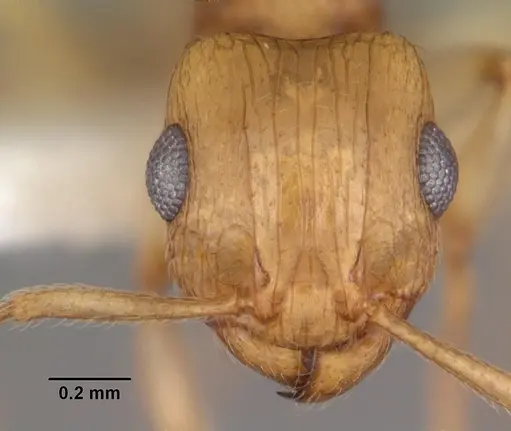
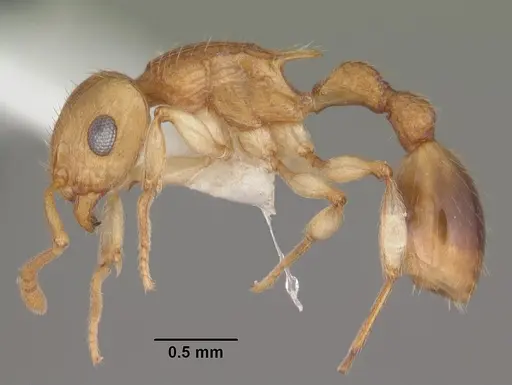
CASENT0010808
View on AntWeb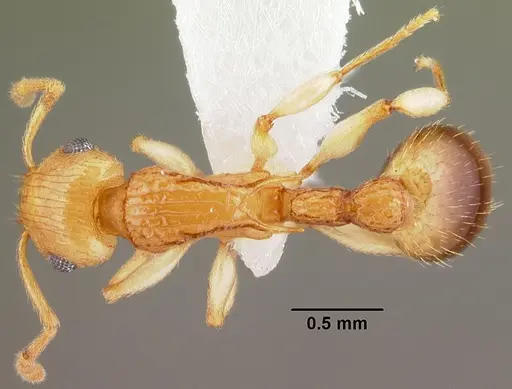
CASENT0010926
View on AntWeb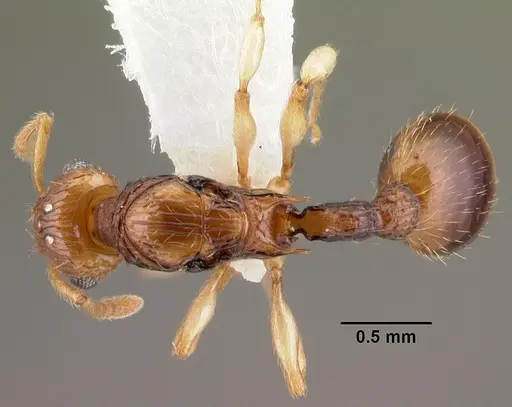
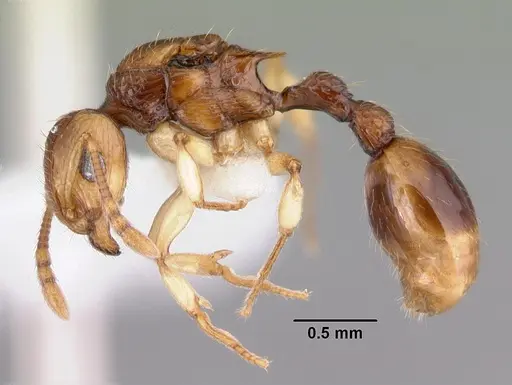
CASENT0010927
View on AntWeb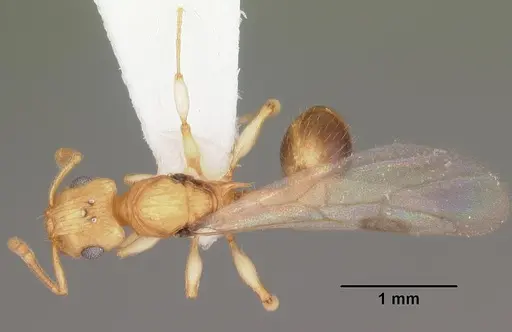
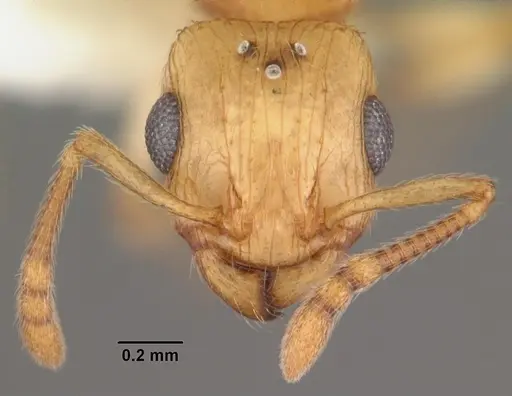
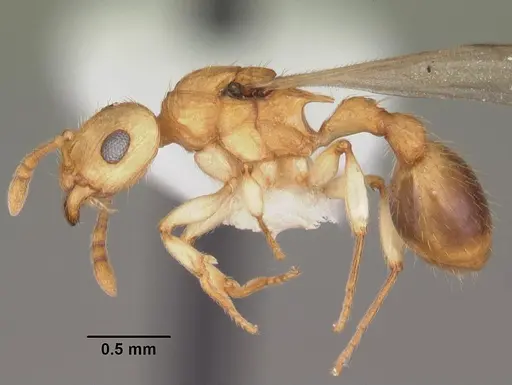
CASENT0010928
View on AntWeb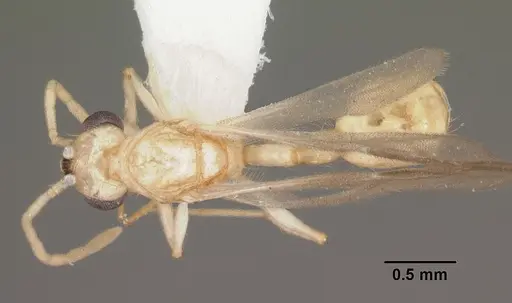
CASENT0102499
View on AntWeb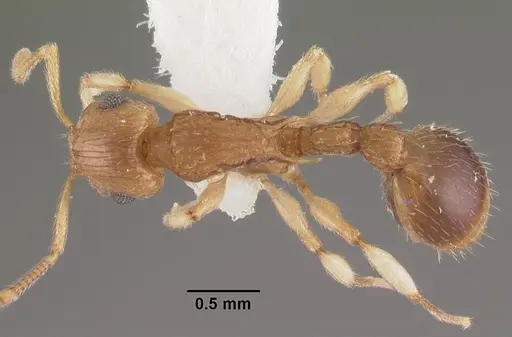
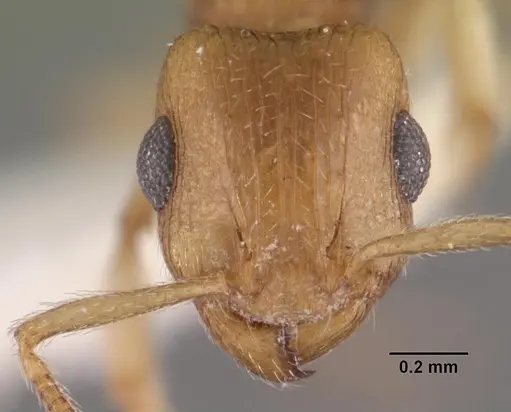
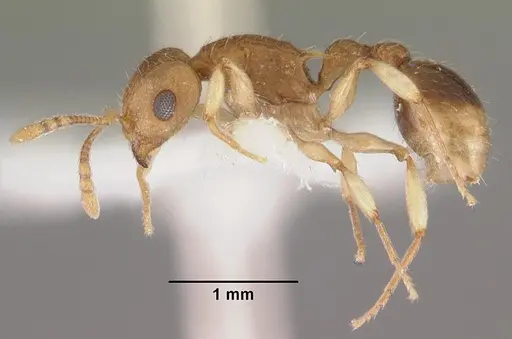
CASENT0106250
View on AntWeb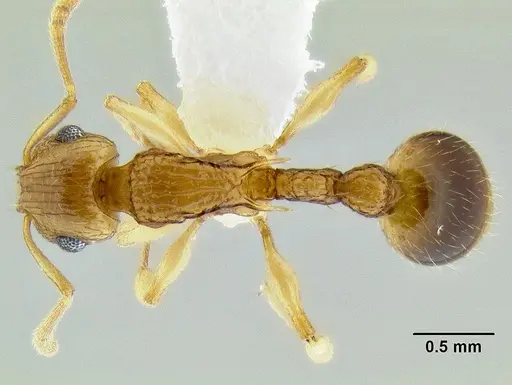
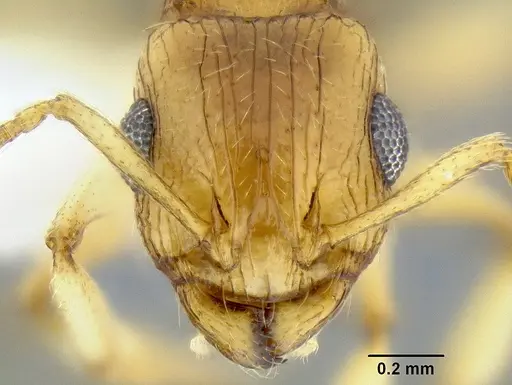
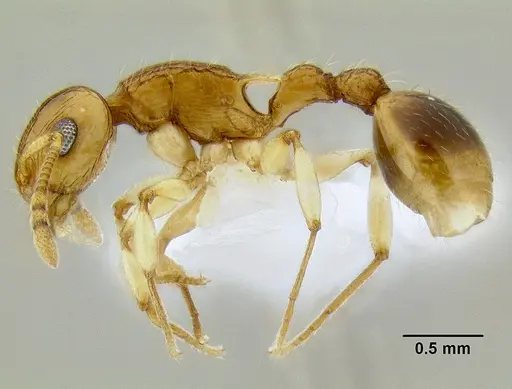
CASENT0178523
View on AntWeb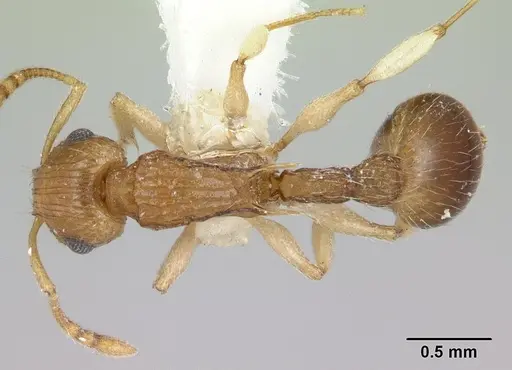
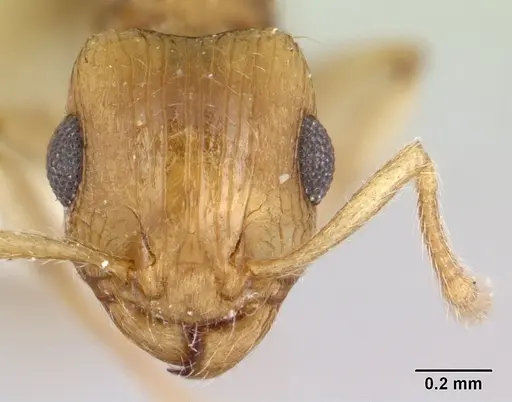
CASENT0901995
View on AntWeb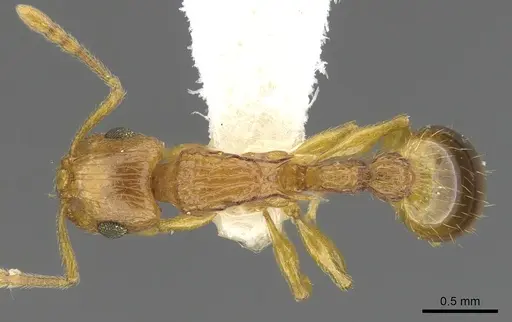
Literature
Loading...Loading products...