

Rostromyrmex pasohensis
- Scientific Name
- Rostromyrmex pasohensis
- Tribe
- Crematogastrini
- Subfamily
- Myrmicinae
- Author
- Rosciszewski, 1994
- Distribution
- Found in 2 countries
Rostromyrmex pasohensis Overview
Rostromyrmex pasohensis is an ant species of the genus Rostromyrmex. It is primarily documented in 2 countries , including Malaysia, Singapore. Detailed taxonomic data and occurrence records can be further explored via authoritative databases such as AntWeb or the Global Biodiversity Information Facility (GBIF).
Rostromyrmex pasohensis
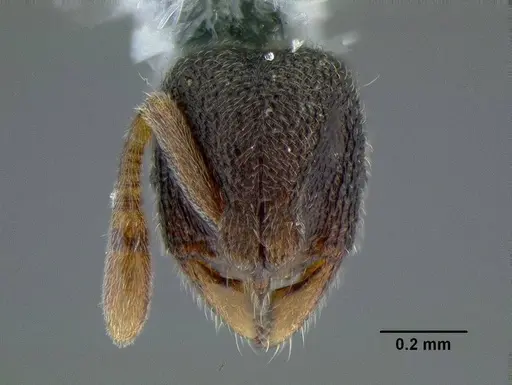
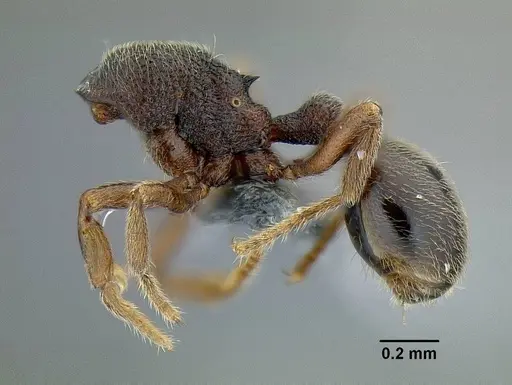
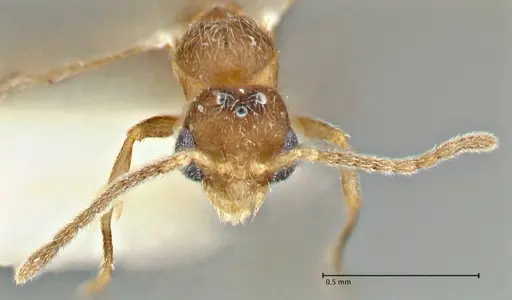
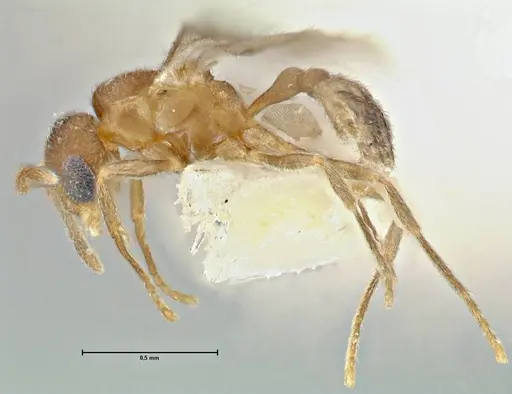
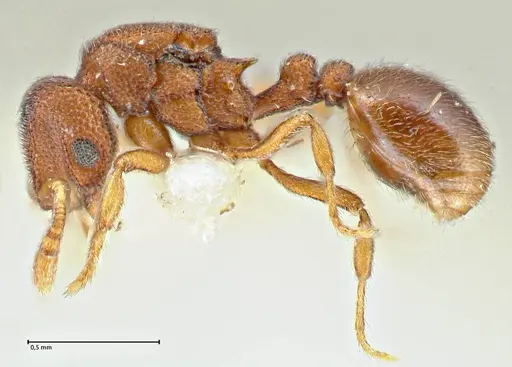
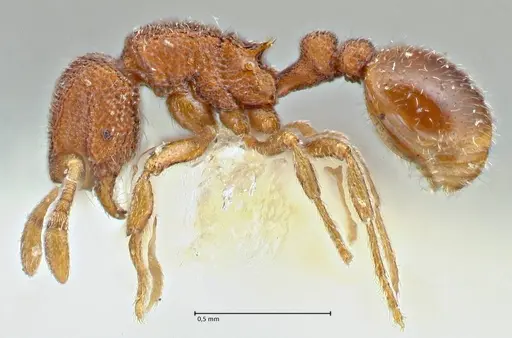
Rostromyrmex pasohensis is an extremely rare and enigmatic ant species from the rainforests of Malaysia and Singapore. These tiny ants measure just 2-2.3mm for workers and queens, with a uniformly dull red coloration that helps them blend into the forest floor [1]. They belong to a monotypic genus, meaning Rostromyrmex contains only this single species, and are sister to all other ants in the tribe Crematogastrini, making them evolutionarily significant [2]. Found exclusively in the leaf litter layer of lowland rainforest, they nest in strongly rotten wood on the ground, typically in very small colonies of just a few workers and one queen [1]. Their extremely small size, slow movements, and dark coloration make them easy to overlook, which likely explains why they remain so poorly studied.
Quick Summary
- Difficulty: Expert
- Origin & Habitat: Lowland rainforests of Malaysia and Singapore (Indomalaya region). Found in the leaf litter layer on the forest floor, nesting in strongly rotten wood [1][2].
- Colony Type: Small monogynous (single-queen) colonies. Colonies typically contain only 3-6 workers plus a queen and some brood [1].
- Colony: Monogyne
- Size & Growth:
- Queen: 2.34mm [1]
- Worker: 2.10-2.17mm [1]
- Colony: Very small colonies, typically under 10 workers [1]
- Growth: Unknown, likely slow given small colony sizes
- Development: Unknown, no documented development timeline (No research exists on their development. Related genera like Lordomyrma suggest development may take several months.)
- Antkeeping:
- Temperature: Tropical rainforest species, keep warm at 24-28°C. Maintain stable temperatures without major fluctuations.
- Humidity: Requires high humidity consistent with rainforest leaf litter. Keep the nest substrate consistently moist but not waterlogged.
- Diapause: Unknown, as a tropical species, they likely do not require formal hibernation but may have seasonal activity patterns.
- Nesting: In nature, they nest in strongly rotten wood on the forest floor. In captivity, small acrylic or plaster nests with very narrow chambers scaled to their tiny 2mm size would be appropriate. The nest must retain moisture well.
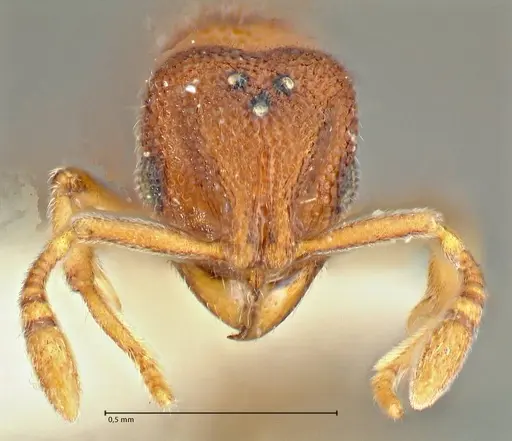
- Behavior: Extremely cryptic and slow-moving. Workers have strongly reduced eyes, indicating they navigate primarily through chemical cues rather than vision. Colonies are peaceful and non-aggressive. Escape prevention is critical due to their tiny 2mm size, they can easily slip through standard mesh barriers. They are not known to sting.
- Common Issues: No established feeding protocol, captive ants refused both honey and dead insects, Colony sizes are extremely small in the wild, making establishment difficult, Tiny size means excellent escape prevention is essential, The single documented captive colony died, indicating significant husbandry challenges, Very poorly known species with no established care guidelines
Discovery and Taxonomy
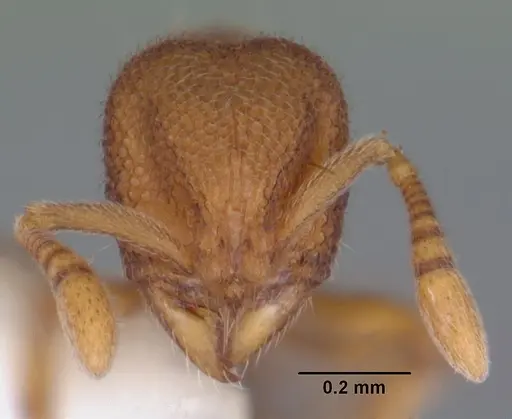
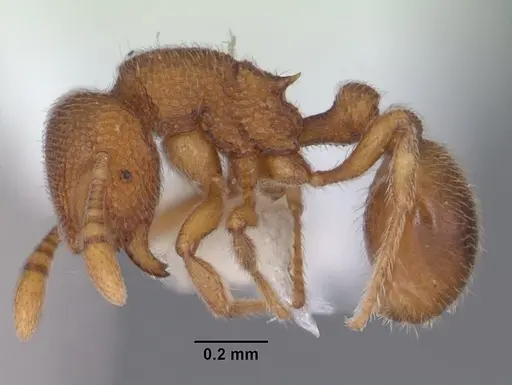
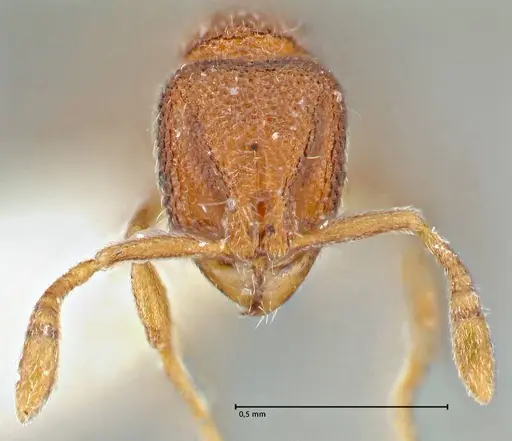
Rostromyrmex pasohensis was described in 1994 by Rosciszewski from specimens collected in the Pasoh Forest Reserve in Negeri Sembilan, West Malaysia [1]. The genus is remarkable because it is monotypic, containing only this single species. Phylogenetic research has shown it is the sister lineage to all remaining Crematogastrini ants, meaning it represents an ancient evolutionary branch that split off before the tribe diversified into hundreds of other species [2]. This makes R. pasohensis a living fossil of sorts, preserving primitive characteristics lost in its more derived relatives. The genus name literally means 'beak ant' (rostro = beak, myrmex = ant), referring to the distinctive rostrum projection on its head.
Natural History and Nesting
In the wild, these ants live exclusively in the leaf litter layer of lowland rainforest. They nest in strongly rotten wood pieces on the forest floor, typically found in very small colony fragments. The original specimens were collected from beneath pieces of dead wood, with one colony containing just 2 workers and 1 queen, and another containing 5 workers,1 queen, and some brood [1]. Workers have strongly reduced eyes situated at about one-third of head length, suggesting they rely primarily on chemical and tactile senses rather than vision, typical for cryptobiotic leaf litter species. The colony structure appears to be monogynous, with a single queen per nest [1].
Feeding Challenges
The diet of Rostromyrmex pasohensis remains completely unknown, which is one of the biggest challenges for keeping this species. Unfortunately, the only documented attempt to keep them in captivity ended in failure, the colony died during the author's absence, and the specimens were partly destroyed by mold [1]. Even more concerning, the ants refused both honey and dead insects when offered in captivity [1]. This suggests they may have an extremely specialized diet, possibly feeding on tiny soil micro-arthropods or fungi in their natural habitat. Given this complete lack of feeding data, any attempt to keep this species would be essentially experimental and should be considered extremely advanced husbandry.
Housing and Care
Given their natural history as leaf litter cryptobionts, successful husbandry would require a setup that mimics the damp, dark environment of the forest floor. Small acrylic or plaster nests with chambers scaled to their tiny 2mm size would be essential, standard test tubes would be too large. The nest must maintain high humidity without becoming waterlogged. Temperature should be kept in the tropical range of 24-28°C. However, until a successful feeding protocol is established, this species cannot be reliably kept in captivity. The complete lack of information on what they eat makes responsible husbandry impossible at this time. [1]
Frequently Asked Questions
What do Rostromyrmex pasohensis ants eat?
Their diet is completely unknown. In the only documented captivity attempt, the ants refused both honey and dead insects [1]. This suggests they may have an extremely specialized diet that we have not been able to replicate.
How big do Rostromyrmex pasohensis colonies get?
Colonies are very small in the wild, typically containing only 3-6 workers plus a queen and brood [1]. Even established colonies likely remain under 10 workers.
Can I keep Rostromyrmex pasohensis as a pet?
This species is not recommended for antkeeping. They are extremely difficult to keep, the only documented captive colony died, and no successful feeding protocol has been established [1]. Additionally, they are very rare in the wild and their export may be restricted.
Where does Rostromyrmex pasohensis live?
They are found only in Malaysia and Singapore, specifically in lowland rainforest leaf litter in the Pasoh Forest Reserve and surrounding areas [1][2].
How big are Rostromyrmex pasohensis ants?
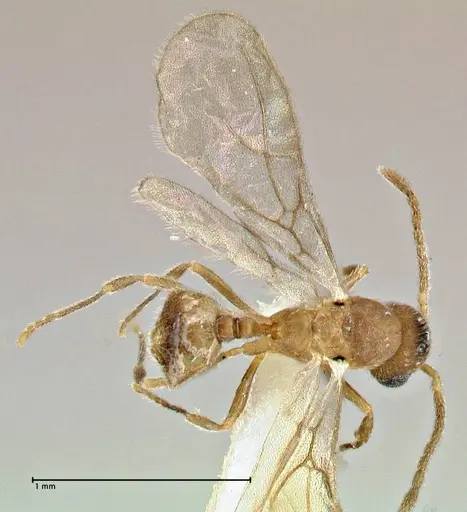
Workers measure 2.10-2.17mm, queens are slightly larger at 2.34mm, and males are the smallest at around 1.74mm [1].
Do Rostromyrmex pasohensis ants sting?
They are not known to be aggressive or to sting. As cryptobiotic leaf litter ants, they are extremely docile and avoid confrontation [1].
How many queens does a Rostromyrmex pasohensis colony have?
They appear to be monogynous, with single-queen colonies documented in the wild. Each nest contains one queen [1].
What temperature do Rostromyrmex pasohensis need?
As a tropical rainforest species, they likely require warm temperatures around 24-28°C. However, no specific temperature requirements have been documented for this species.
Why is Rostromyrmex pasohensis important?
This species is evolutionarily significant, it is the sister lineage to all other ants in the tribe Crematogastrini, representing an ancient branch that split off before the tribe diversified [2]. It is also monotypic, meaning the genus contains only this single species.
Are Rostromyrmex pasohensis endangered?
Their conservation status has not been assessed. However, they are known only from a few locations in Malaysia and Singapore and live in fragile rainforest habitats that face deforestation pressure.
References

This caresheet is licensed under CC BY-SA 4.0 .
CASENT0106221
View on AntWeb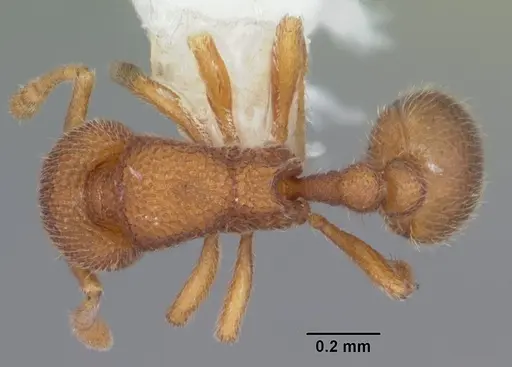
CASENT0106343
View on AntWeb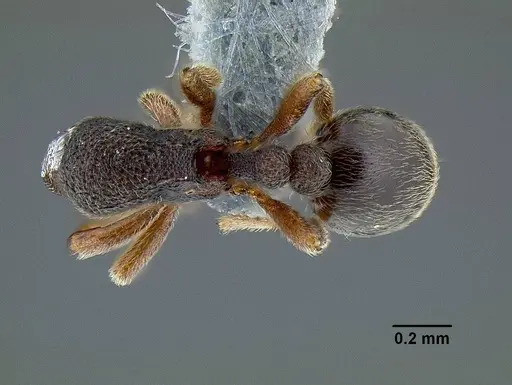
FOCOL2979
View on AntWeb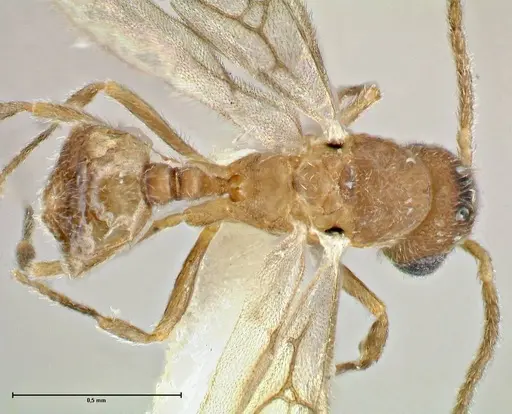
FOCOL2980
View on AntWeb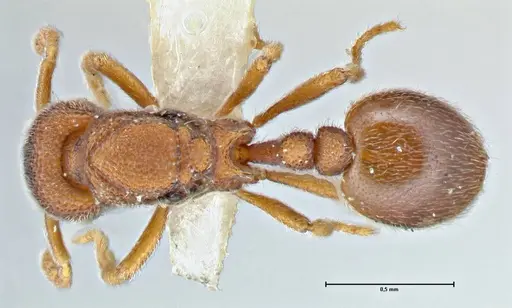
FOCOL2981
View on AntWeb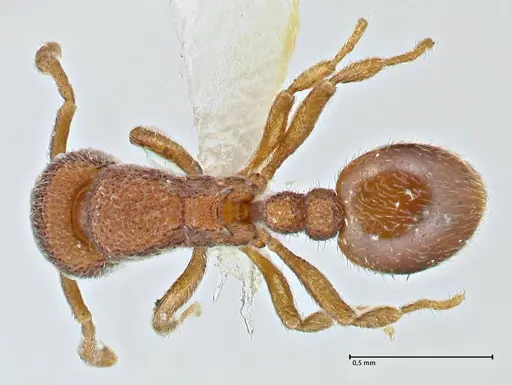
Literature
Loading...Loading products...