

Rogeria tonduzi
- Scientific Name
- Rogeria tonduzi
- Tribe
- Solenopsidini
- Subfamily
- Myrmicinae
- Author
- Forel, 1899
- Distribution
- Found in 5 countries
Rogeria tonduzi Overview
Rogeria tonduzi is an ant species of the genus Rogeria. It is primarily documented in 5 countries , including Colombia, Costa Rica, Honduras. Detailed taxonomic data and occurrence records can be further explored via authoritative databases such as AntWeb or the Global Biodiversity Information Facility (GBIF).
Rogeria tonduzi - "No common name available"
Rogeria tonduzi is a lesser-known ant species, typically small and pale brown. Workers are around 2-3 mm in total length and have relatively large eyes. This species is part of the Rogeria genus, which has a disjunct distribution, mainly found in the Neotropics. Their nests are quite rarely found in the wild, often observed in locations like cacao tree trunks or under rocks.
- Difficulty: Hard
- Origin & Habitat: Central America (primarily Costa Rica and Guatemala) in Tropical lowlands, found in cacao tree trunks, under rocks, and as strays on ground vegetation..
- Colony Type: Monogyne (single queen) or potentially polygyne in some Rogeria species, but specific information for R. tonduzi is limited. Mean colony size for the genus Rogeria is reported to be around 107 individuals., claustral (based on general ant-keeping knowledge for myrmicinae, specific information for r. tonduzi is not readily available) founding.
- Size & Growth:
- Queen: Not specified
- Worker: 2.0-3.0mm
- Colony: Small (hundreds). Slow (due to small colony size and infrequent observations) growth.
- Antkeeping:
- Temperature: Given their tropical origin (Costa Rica, Guatemala), a stable temperature range between 24-28°C would likely be suitable, mimicking their natural environment..
- Humidity: High humidity, likely 70-90%, is recommended to replicate their natural tropical habitat, especially considering nests have been found in cacao tree trunks..
- Diapause: Not required. Not specified at Not specified.
- Nesting: Artificial nests mimicking wood or natural substrate would be best. A small, humid formicarium with good moisture retention is crucial. They might appreciate nesting in cork or a similar material that can be kept damp..
- Behavior: Low (towards handler) aggressiveness.
- Common Issues: Lack of specific care information, Difficulty in acquiring specimens, Humidity fluctuations, Colony stalling due to inadequate conditions.
Keeping Rogeria tonduzi presents a unique challenge for antkeepers due to their elusive nature in the wild. Information on their specific care requirements is quite scarce, making them a species for experienced hobbyists. Their small size and secretive nesting habits suggest that even establishing a healthy colony might be a lengthy process, requiring significant patience and observation.
Their natural nesting sites, such as cacao tree trunks, indicate a strong preference for high humidity and perhaps a specific type of substrate within their nests. Recreating this environment accurately within a formicarium is paramount. Utilizing materials that retain moisture well, like cork or specific types of soil mixes, might be beneficial for maintaining optimal conditions for the brood and queen.
Given that they are rarely collected and specific information on their diet is not widely documented, a varied diet is likely to be key. Offering a mix of small insect protein and various sugar sources (honey water, sugar water) will increase the chances of meeting their nutritional needs. Small, freshly killed insects would be ideal for their protein intake.
Observation of their behavior in a captive setting could provide valuable insights into this species, as much about Rogeria tonduzi's life history remains unknown. Setting up the formicarium in a way that allows for easy viewing without disturbing the colony would be highly beneficial. Patience is truly a virtue when attempting to keep such a poorly documented species.
Frequently Asked Questions
Where can I find Rogeria tonduzi for my collection?
Rogeria tonduzi are quite rare in the antkeeping hobby, and finding them available for sale can be challenging. They are not commonly traded species, so acquiring a queen or a colony might require connections with specialized breeders or a stroke of luck.
What kind of nest is best for Rogeria tonduzi?
Given their natural habit of nesting in cacao tree trunks and under rocks, a nest that mimics these conditions would be ideal. Look for a formicarium that offers good humidity retention, possibly made of cork, natural wood, or a specialized substrate setup. Small, intricate chambers would likely be preferred.
What do Rogeria tonduzi eat?
While specific dietary information for Rogeria tonduzi isn't widely detailed, most ant species thrive on a diet of insect protein and sugar sources. Try offering small, freshly killed feeder insects like fruit flies or small crickets, alongside honey water or sugar water. Variety is key for unknown species.
Are Rogeria tonduzi suitable for beginners?
Absolutely not. Rogeria tonduzi is a species with very limited information available on its care, making it an expert-level challenge. Beginners should start with well-documented, easier-to-care-for species to gain experience before attempting to keep such a specialized and poorly understood ant.
Do Rogeria tonduzi have a sting?
Yes, like many species in the Myrmicinae subfamily, Rogeria tonduzi workers do possess a sting. While they are small and not typically aggressive towards handlers, caution is always advised when interacting with any ant species that can sting.
How large do Rogeria tonduzi colonies get?
Information for Rogeria tonduzi specifically is scarce, but the average colony size for the genus Rogeria is reported to be around 107 individuals. This suggests that R. tonduzi colonies are likely to remain relatively small, probably in the hundreds rather than thousands.
Do Rogeria tonduzi need a diapause (hibernation)?
Given their tropical origin in Central America, Rogeria tonduzi are not expected to require a diapause period. They are accustomed to stable warm temperatures year-round.
What temperatures and humidity do Rogeria tonduzi need?
To mimic their tropical home, a stable temperature between 24-28°C (75-82°F) is recommended. High humidity, ideally between 70-90%, is also crucial to their well-being, especially given their natural nesting preferences.
What does a Rogeria tonduzi worker look like?
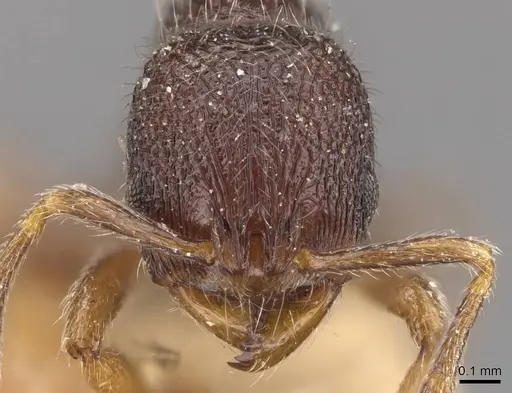
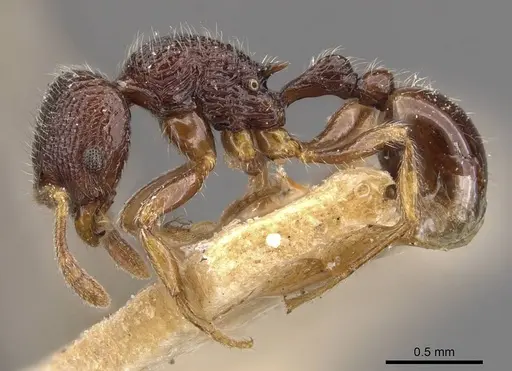
Rogeria tonduzi workers are small, typically around 2-3 mm in total length, and pale brown. They have relatively large eyes and their antennal scapes generally lack erect hairs, though some variations might have some.
Are Rogeria tonduzi known to be aggressive?
Rogeria tonduzi are not generally considered aggressive towards handlers. Their small size and secretive nature suggest they would be more likely to flee than confront, though they do possess a sting.
Is there a queen for Rogeria tonduzi, and how big is she?
Queens of Rogeria tonduzi have been collected but are not yet formally described in scientific literature. This makes it difficult to provide specific size information, but typically queen ants are larger than their workers.
How fast do Rogeria tonduzi colonies grow?
Due to their small average colony size and the limited information available, it's likely that Rogeria tonduzi colonies exhibit a slow growth rate. Patience would be key for anyone hoping to expand a colony.

This caresheet is licensed under CC BY-SA 4.0 .
CASENT0280815
View on AntWeb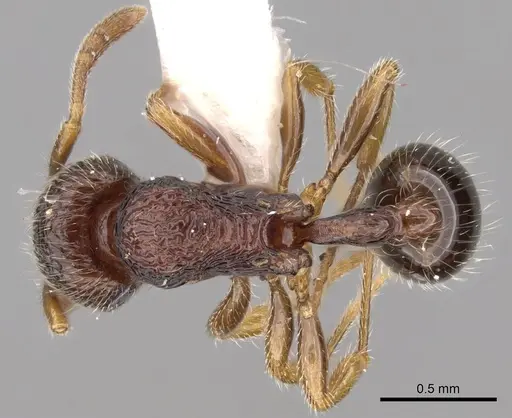
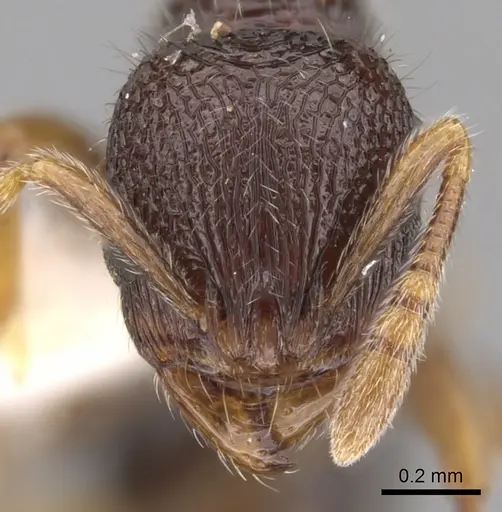
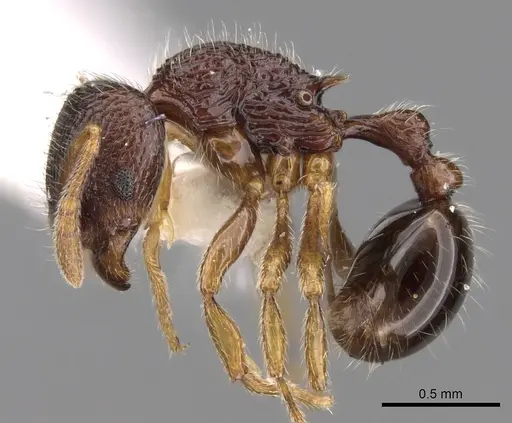
CASENT0909069
View on AntWeb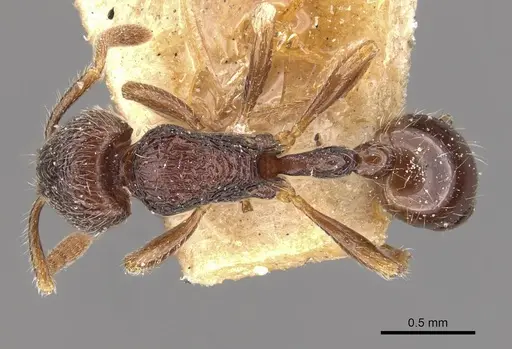
Literature
Loading...Loading products...