

Rogeria scobinata
- Scientific Name
- Rogeria scobinata
- Tribe
- Solenopsidini
- Subfamily
- Myrmicinae
- Author
- Kugler, 1994
- Distribution
- Found in 9 countries
Rogeria scobinata Overview
Rogeria scobinata is an ant species of the genus Rogeria. It is primarily documented in 9 countries , including Argentina, Brazil, Colombia. Detailed taxonomic data and occurrence records can be further explored via authoritative databases such as AntWeb or the Global Biodiversity Information Facility (GBIF).
Rogeria scobinata - "Scobinata Ant"
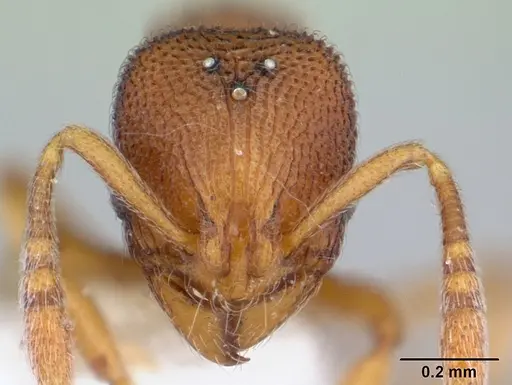
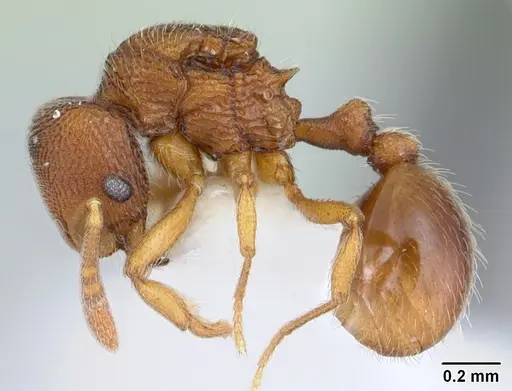
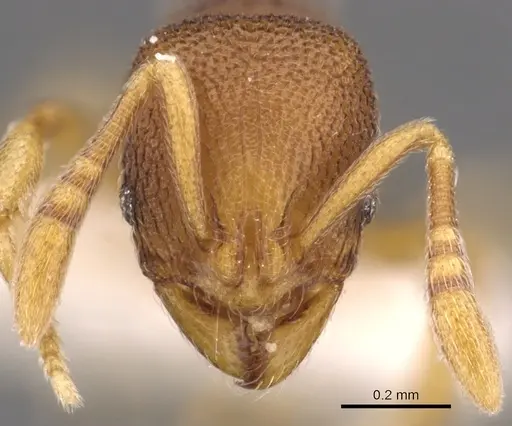
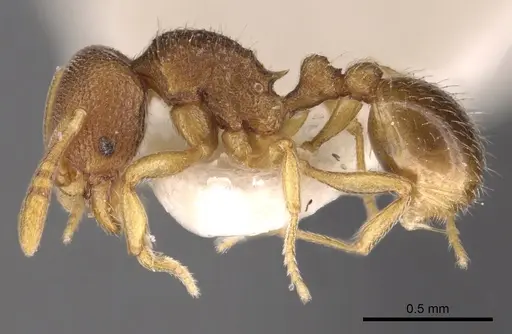
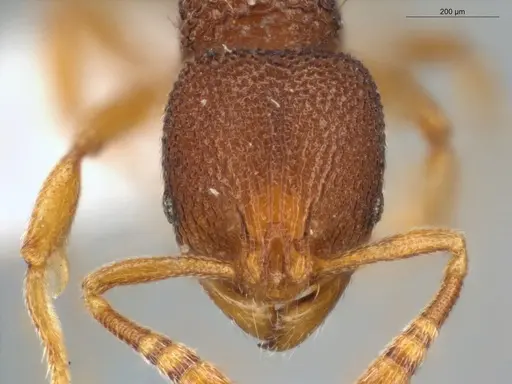
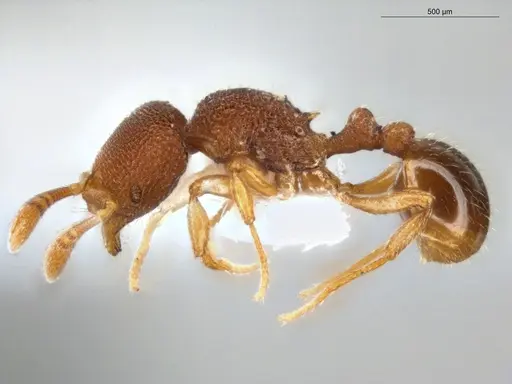
Rogeria scobinata is a small, cryptic ant species, typically pale to dark brown with lighter appendages. Workers are usually around 2-3 mm in total length, though some can be larger. They are characterized by their roughened body texture, particularly on the head and mesosoma, which gives them a distinctive appearance. These ants are known for their secretive nature, often found in leaf litter and rotten wood. Little is known about their specific behaviors, but like many Rogeria species, they are likely predators of small invertebrates.
- Difficulty: Hard
- Origin & Habitat: South America (Bolivia, Brazil, Colombia, Ecuador, French Guiana, Guadeloupe, Guyana, Paraguay, Peru, Suriname, Trinidad and Tobago). in Wet tropical forests, primarily in leaf litter, rotten wood, and moss, at elevations up to 718 meters, sometimes up to 1000m..
- Colony Type: Monogyne (presumed, as specific information is limited for this species), claustral (presumed, as little is known about their founding, but typical for many small cryptic species) founding.
- Size & Growth:
- Queen: Not specified
- Worker: 2-3mm
- Colony: Small (hundreds). Slow growth.
- Antkeeping:
- Temperature: Ideally, maintain temperatures between 24-28°C (75-82°F) to mimic their tropical forest habitat. Consistency is key, avoiding significant fluctuations..
- Humidity: High humidity is crucial, likely around 70-90%, given their preference for moist leaf litter and rotten wood environments. Regularly misting or providing a humidity gradient is recommended..
- Diapause: Not required. Not specified at Not specified.
- Nesting: As they are cryptic and found in leaf litter and rotten wood, a naturalistic setup simulating these conditions is best. Cork, rotten wood, or specialized formicaria designed for high humidity and small species would be suitable. They may also thrive in plaster or Ytong nests with good moisture retention..
- Behavior: Low (towards handler, but will sting if threatened) aggressiveness.
- Common Issues: Mold in nest (due to high humidity requirements), Mites (especially in organic substrates), Colony stalling (due to improper humidity or diet), Humidity fluctuations, Escape artists (due to small size).
Keeping Rogeria scobinata presents a unique challenge for ant enthusiasts due to their cryptic nature and specific habitat requirements. These ants are primarily collected from leaf litter and rotting wood in their natural environment, meaning a successful captive setup will need to replicate these conditions closely. Consider using a substrate rich in organic matter and providing plenty of nooks and crannies, like small pieces of decaying wood or bark, to make them feel secure. Their shy behavior means observation might be difficult at times, so patience is a virtue with this species.
Humidity management is paramount for Rogeria scobinata. Coming from moist tropical forests, they will not tolerate dry conditions well. A nest material that retains moisture effectively, such as plaster or a consistently damp natural substrate, is essential. Regular misting of a connected outworld or a section of the nest can help maintain the high humidity levels they require, preventing stress and potential colony decline. Monitoring humidity closely with a hygrometer will be a vital part of their ongoing care.
Due to their small size, feeding Rogeria scobinata requires finely prepared protein sources and small sugar solutions. They are likely predatory on tiny invertebrates in the wild, so offering small pieces of prekilled insects like fruit flies, springtails, or cricket legs will be beneficial. For sugary treats, a diluted honey water solution or sugar water can be provided in a very shallow dish to prevent drowning. Always ensure food items are small enough for their workers to handle and transport back to the nest.
While specific information on Rogeria scobinata's colony growth rate is limited, it's generally understood that many cryptic, small-bodied ant species tend to have slower development. Do not expect rapid expansion; instead, focus on providing stable environmental conditions to encourage healthy, steady growth. Patience will be key as you nurture your colony from its initial stages. Consistent care and a stable environment will yield the best results for these intriguing ants.
One often overlooked aspect of keeping highly specialized ants like Rogeria scobinata is ensuring their enclosure is escape-proof. Their small size means they can exploit even the tiniest gaps. Double-checking lids, tubing connections, and any potential crevices will save a lot of headaches. Using fine mesh on ventilation holes is also crucial to prevent them from slipping through, keeping your precious colony contained and thriving within their carefully curated habitat.
Frequently Asked Questions
What is the best type of formicarium for Rogeria scobinata?
For Rogeria scobinata, a naturalistic formicarium mimicking their leaf litter and rotten wood habitat is ideal. Think cork nests, acrylic setups with a deep substrate layer for moisture, or even a specialized Ytong nest with excellent moisture retention. The key is high humidity and plenty of small spaces for them to explore.
Do Rogeria scobinata need heating?
Absolutely! As a tropical species, Rogeria scobinata thrives in warmer temperatures. Aim for a consistent range of 24-28°C (75-82°F) to ensure optimal brood development and colony activity. A heating cable or mat under a portion of the nest, controlled by a thermostat, works wonders.
What do Rogeria scobinata eat?
These little foragers are likely insectivorous in the wild, so tiny protein sources are a must. Offer small prekilled insects like flightless fruit flies, springtails, or finely chopped cricket pieces. Don't forget their sweet tooth – a diluted honey-water solution or sugar water in a very shallow feeder will be appreciated.
How large do Rogeria scobinata colonies get?
Rogeria scobinata colonies are considered small, likely reaching only a few hundred workers. Don't expect a supercolony with this species; their growth is typically slow and steady, so enjoy the journey of watching them establish.
Is diapause required for Rogeria scobinata?
No, diapause is not required for Rogeria scobinata. Hailing from consistently warm tropical environments, they do not experience the seasonal temperature drops that necessitate a hibernation period for temperate species.
Are Rogeria scobinata difficult to keep?
Yes, Rogeria scobinata is generally considered a hard species to keep for antkeepers. Their specific humidity, temperature, and dietary needs, coupled with their cryptic nature and small size, make them quite a challenge. They're definitely not a beginner species!
How often should I feed Rogeria scobinata?
Given their small colony size and likely slower metabolism, feeding a few times a week should suffice. Always observe how quickly they consume their food. Remove any uneaten food within 24 hours to prevent mold and mites in the outworld.
What are the common problems when keeping Rogeria scobinata?
The main hurdles when keeping Rogeria scobinata include maintaining consistently high humidity without encouraging mold growth, preventing mites in organic substrates, and ensuring the colony doesn't stall due to improper care. Their tiny size also makes them expert escape artists if your setup isn't completely secure.
Can Rogeria scobinata sting?
Yes, Rogeria scobinata workers can sting, as noted in the original description of the genus Rogeria. While they are not known for aggressive behavior towards handlers, like most ants, they will defend themselves if threatened. Their sting is likely to be minor for humans due to their small size, but care should always be taken.
How can I provide enough humidity without causing mold?
This is the classic antkeeping dilemma for moisture-loving species! Use a nest material with good moisture retention, like plaster or Ytong, and establish a humidity gradient by only watering a portion of the nest. Good ventilation in the outworld is also key to preventing stagnant, mold-prone air. Regular cleaning of the outworld will also help keep mold at bay.
What is the average lifespan of a Rogeria scobinata queen?
Specific data on the lifespan of a Rogeria scobinata queen isn't readily available, but generally, queen ants can live for several years under optimal conditions. Providing a stable and healthy environment will maximize her longevity and the colony's success.
Do Rogeria scobinata have different worker castes?
Based on current information, Rogeria scobinata appears to have a monomorphic worker caste, meaning all workers are roughly the same size and shape, without distinct minor, major, or super major roles.
Where does the name 'scobinata' come from?
The name 'scobinata' comes from Latin and means 'having the nature of a rasp.' This refers to the unique, rasp-like texture or sculpture found on the posterior head of these ants, a distinctive physical characteristic.

This caresheet is licensed under CC BY-SA 4.0 .
CASENT0178169
View on AntWeb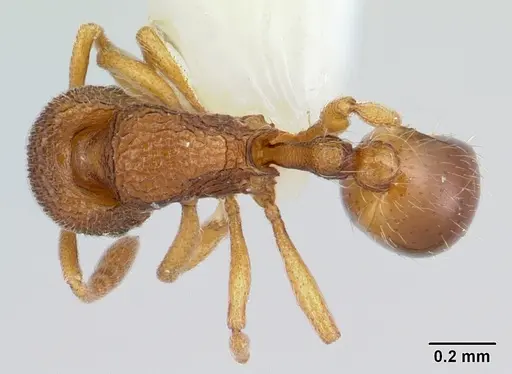
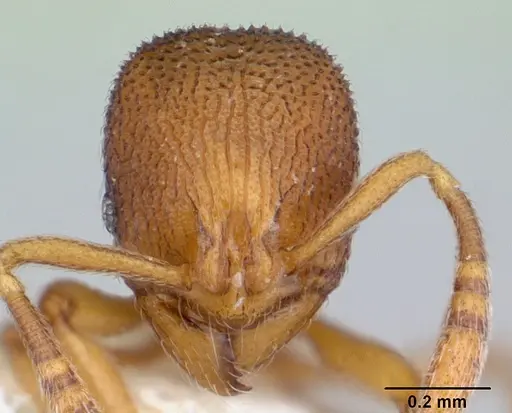
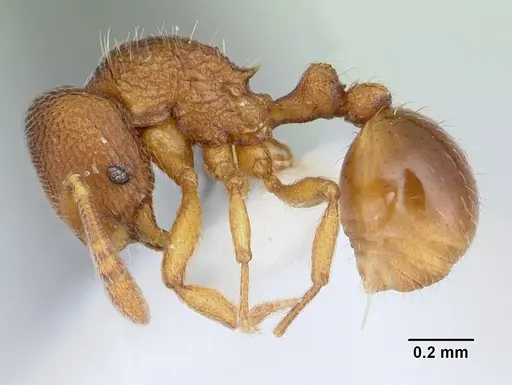
CASENT0178170
View on AntWeb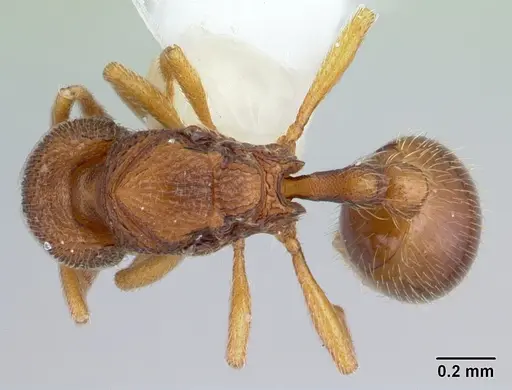
CASENT0900954
View on AntWeb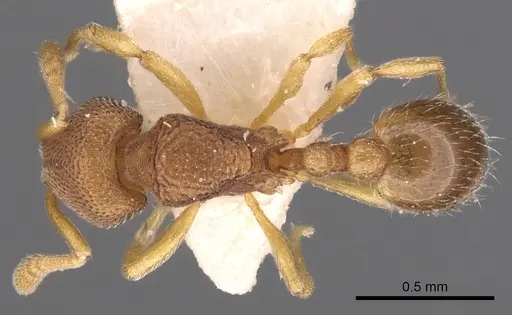
ECOFOG-MI15-0346-21
View on AntWeb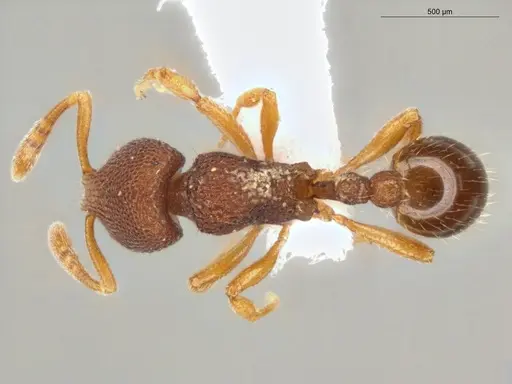
Literature
Loading...Loading products...