

Rogeria leptonana
- Scientific Name
- Rogeria leptonana
- Tribe
- Solenopsidini
- Subfamily
- Myrmicinae
- Author
- Kugler, 1994
- Distribution
- Found in 4 countries
Rogeria leptonana Overview
Rogeria leptonana is an ant species of the genus Rogeria. It is primarily documented in 4 countries , including Brazil, Costa Rica, Mexico. Detailed taxonomic data and occurrence records can be further explored via authoritative databases such as AntWeb or the Global Biodiversity Information Facility (GBIF).
Rogeria leptonana
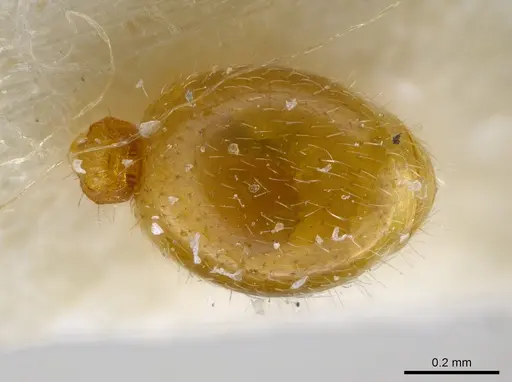
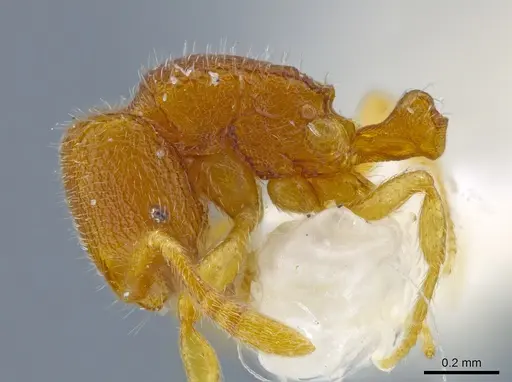
Rogeria leptonana is a tiny ant species native to the Neotropics, ranging from southern Mexico through Central America to Colombia and the Dominican Republic [1][2]. Workers measure just 2.1-2.5mm in total length, making them one of the smaller ant species you'll encounter. They inhabit forest floor litter in both lowland rainforest and seasonal dry forest, from sea level up to 1750m elevation. The species gets its name from the Greek words for 'slender' and 'dwarf', a fitting description for these delicate, compact ants with their low, slender mesosoma and yellowish-brown coloring.
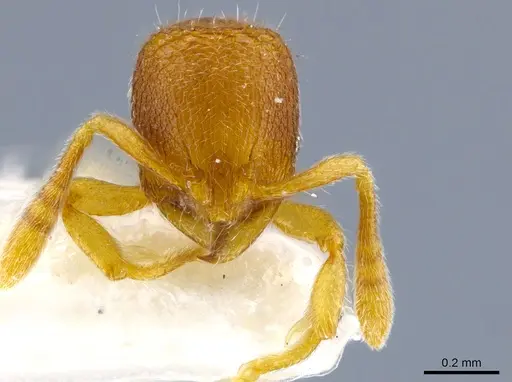
These ants are part of the Solenopsidini tribe, which includes many small, cryptic species that live in forest leaf litter. They have small propodeal spines (sometimes nearly absent) and distinctive rugose sculpture on the head. Unlike some related genera, they have erect hairs on their scapes and the extensor surfaces of their tibiae, a useful identification feature. In captivity, they behave like typical litter-dwelling ants: secretive, slow-moving, and best observed with magnification.
Quick Summary
- Difficulty: Medium
- Origin & Habitat: Native to the Neotropical region: southern Mexico (Chiapas) through Guatemala, Honduras, Costa Rica, Panama to northern Colombia, also the Dominican Republic [1][2]. Found in forest floor litter from lowland rainforest to strongly seasonal dry forest, typically under stones or in debris.
- Colony Type: Colony structure is not well documented. Known from small collections, likely single-queen colonies based on typical Solenopsidini patterns. Queens (possible) measure 2.6-2.8mm.
- Size & Growth:
- Queen: 2.6-2.8mm (possible queens described)
- Worker: 2.1-2.5mm total length, WL 0.54-0.66mm
- Colony: Unknown, likely small colonies typical of litter-dwelling Solenopsidini
- Growth: Unknown, likely moderate based on small size
- Development: Estimated 6-8 weeks based on typical Solenopsidini development at tropical temperatures (Direct development data unavailable, estimate based on genus-level patterns for small Myrmicinae in warm conditions)
- Antkeeping:
- Temperature: Keep at 22-26°C, they inhabit tropical to subtropical forests and need warmth. A gentle gradient allows them to self-regulate.
- Humidity: High humidity is essential, they live in forest floor litter where conditions are consistently damp. Keep substrate moist but not waterlogged, with some drier areas for escape.
- Diapause: Likely minimal or no true diapause given their tropical distribution. May show reduced activity in cooler months.
- Nesting: Natural nesting sites include under stones, in leaf litter, and in debris under stumps. In captivity, a naturalistic setup with moist substrate (like a terrarium-style formicarium) works well. Tight chambers scaled to their tiny size are essential.
- Behavior: Very small, cryptic ants that spend most of their time in the substrate. They are not aggressive and pose no threat to keepers. Their tiny size means they can easily escape through standard barriers, escape prevention is critical. Foraging is likely slow and deliberate, typical of litter-dwelling species. They probably forage on the forest floor for small prey items.
- Common Issues: escape prevention is critical, they are tiny enough to squeeze through standard barrier gaps, high humidity requirements can lead to mold problems if ventilation is poor, slow growth may lead to overfeeding or excessive disturbance by impatient keepers, wild-caught colonies may harbor parasites that can devastate captive populations, their small size makes them difficult to observe without magnification
Housing and Nest Setup
Rogeria leptonana is a tiny leaf-litter ant that needs a setup scaled to its diminutive size. In the wild, they live under stones, in rotting wood debris, and within forest floor litter. For captivity, a naturalistic terrarium-style formicarium with moist substrate works best, think of it as a tiny slice of tropical forest floor. You can use a small plastic container or glass tank filled with a moist mixture of soil and leaf litter, with pieces of bark or stones on top for cover.
Because they are so small, standard test tube setups can work but require excellent escape prevention. If using test tubes, ensure the cotton is packed tightly and consider adding a fluon barrier at the entrance. Many keepers find that a small naturalistic setup is easier to maintain, the ants will naturally stay within the moist areas and you can observe their natural behaviors. Whatever setup you choose, ensure there are no gaps larger than about 0.5mm anywhere, these ants can slip through remarkably small spaces.
Feeding and Diet
As a member of the Solenopsidini tribe, Rogeria leptonana likely has an omnivorous diet typical of small forest-floor ants. They probably feed on small arthropods, honeydew from aphids or scale insects, and other organic matter. In captivity, you can offer small live prey like fruit flies, pinhead crickets, or tiny insects. Given their minute size, prey items should be appropriately scaled, springtails and aphids are good options.
Sugar sources are likely accepted, though this hasn't been directly documented. You can offer a drop of honey water or sugar water occasionally, but don't rely on it as a primary food source. Protein is important for colony growth, small live prey offered a few times per week will support brood development. Remove any uneaten prey after 24-48 hours to prevent mold issues in the humid setup they require.
Temperature and Humidity
These ants come from tropical and subtropical regions (Mexico to Colombia), so they need warmth and humidity [1][2]. Keep the nest area at 22-26°C, this range covers their likely preferences based on the warm, humid forests they inhabit. A heating cable on one side of the setup can create a gentle gradient, allowing the ants to regulate their temperature by moving between warmer and cooler areas.
High humidity is essential. They live in forest floor litter where conditions are consistently damp. Keep the substrate moist but not waterlogged, think of a forest floor after rain, not a flooded swamp. A moisture gradient works well: some areas damp, some slightly drier. This gives the ants options and helps prevent mold. Mist the setup occasionally, but rely more on a large water reservoir or regular rehydration than on misting. Good ventilation is also important to prevent stagnant air and mold growth.
Behavior and Observation
Rogeria leptonana is a secretive, cryptic ant that spends most of its time within the substrate or under cover. They are not aggressive and won't defend their nest vigorously, you can observe them without much danger. However, their small size means you'll need good magnification to appreciate their details.
In the wild, they are ground-dwelling and likely forage slowly through leaf litter. In captivity, expect similar behavior, they'll create small tunnels and chambers in the substrate, emerging occasionally to forage. Colonies are probably small, likely under a few hundred workers at maturity based on typical litter-dwelling ant patterns. Their cryptic lifestyle means you won't have constant activity to watch, but this is part of their charm, setting up a naturalistic tank lets you observe a slice of tropical forest floor ecology.
Frequently Asked Questions
How long does it take for Rogeria leptonana to develop from egg to worker?
The exact development time is unconfirmed, but based on typical Solenopsidini patterns for small Myrmicinae in tropical conditions, expect around 6-8 weeks from egg to first worker. This will vary with temperature, warmer conditions within their range (22-26°C) will speed development, while cooler temperatures will slow it.
Are Rogeria leptonana ants suitable for beginners?
They are moderate difficulty. The main challenges are their tiny size (requiring excellent escape prevention), high humidity needs, and cryptic lifestyle. If you have experience with small tropical ants and can provide a humid, well-contained setup, they can be rewarding. They are not ideal as a first ant species due to their size and humidity requirements.
What do Rogeria leptonana ants eat?
Likely omnivorous like other Solenopsidini. Offer small live prey (fruit flies, springtails, tiny insects), and occasionally sugar sources like honey water. Protein is important for brood development, small live prey a few times weekly supports healthy colony growth.
How big do Rogeria leptonana colonies get?
Colony size is not well documented, but based on typical litter-dwelling Solenopsidini, colonies likely remain small, probably under a few hundred workers at maturity. They are not known for forming large colonies.
Do Rogeria leptonana ants need hibernation?
Likely no true hibernation given their tropical distribution. They may show reduced activity in cooler months, but a true diapause is probably not required. Simply maintain stable warm temperatures year-round.
Can I keep Rogeria leptonana in a test tube?
Yes, but with important caveats. Their tiny size means escape prevention must be excellent, use tightly packed cotton and consider fluon barriers. Test tubes also make humidity control trickier. A small naturalistic setup with moist substrate is often easier to maintain and provides better observation opportunities.
Why are my Rogeria leptonana ants escaping?
Their tiny size allows them to squeeze through remarkably small gaps. Check all seams, lid edges, and barrier applications. Even gaps around 0.5mm can allow escape. Use fine mesh if using any ventilation, apply fluon generously to all edges, and ensure lids fit tightly. Inspect the setup regularly.
What temperature should I keep Rogeria leptonana at?
Keep them at 22-26°C. This range matches their tropical to subtropical natural habitat. A gentle gradient allowing them to move between warmer and cooler areas is ideal. Avoid temperatures below 20°C or above 28°C for extended periods.
References

This caresheet is licensed under CC BY-SA 4.0 .
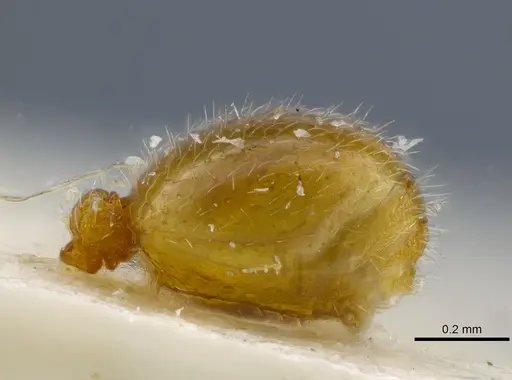
MCZ-ENT00649712
View on AntWeb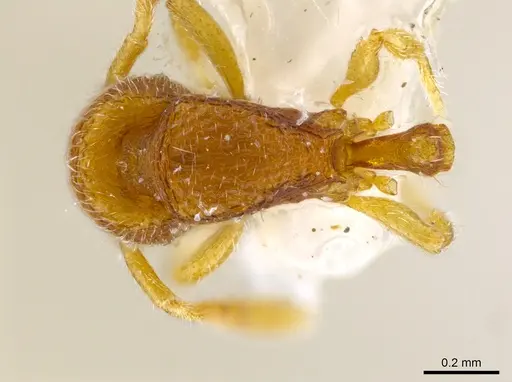
Literature
Loading...Loading products...