

Rogeria innotabilis
- Scientific Name
- Rogeria innotabilis
- Tribe
- Solenopsidini
- Subfamily
- Myrmicinae
- Author
- Kugler, 1994
- Distribution
- Found in 5 countries
Rogeria innotabilis Overview
Rogeria innotabilis is an ant species of the genus Rogeria. It is primarily documented in 5 countries , including Costa Rica, Guatemala, Honduras. Detailed taxonomic data and occurrence records can be further explored via authoritative databases such as AntWeb or the Global Biodiversity Information Facility (GBIF).
Rogeria innotabilis - "Little is known about the common name, likely no widely accepted common name."
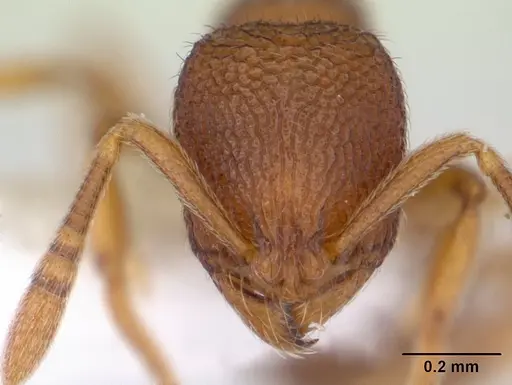
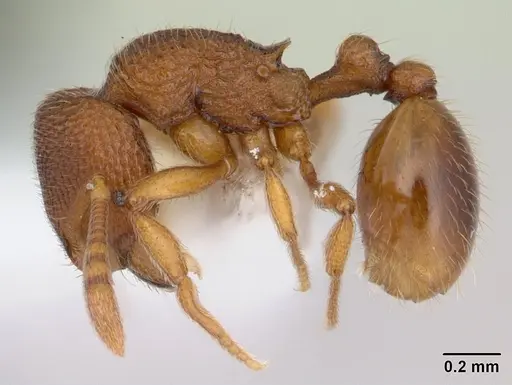
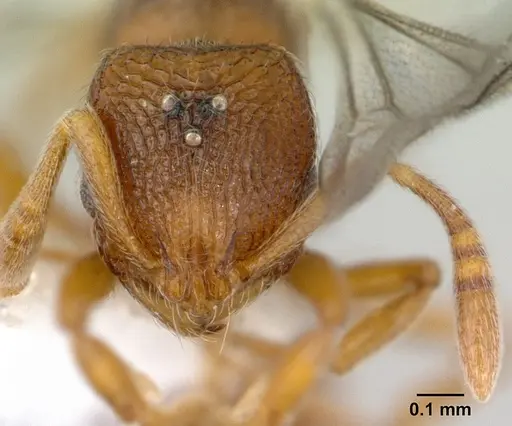
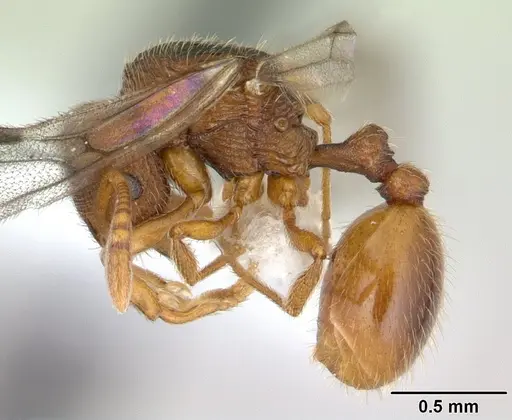
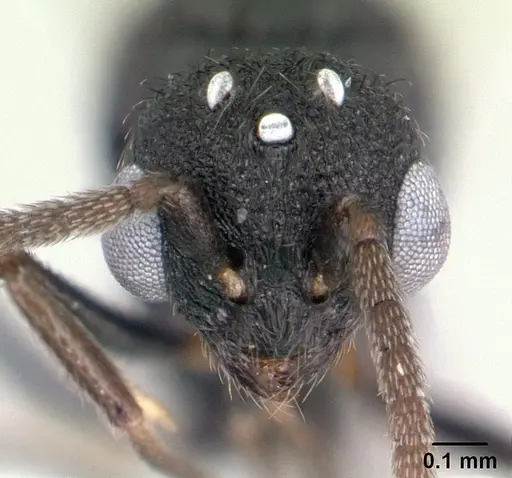
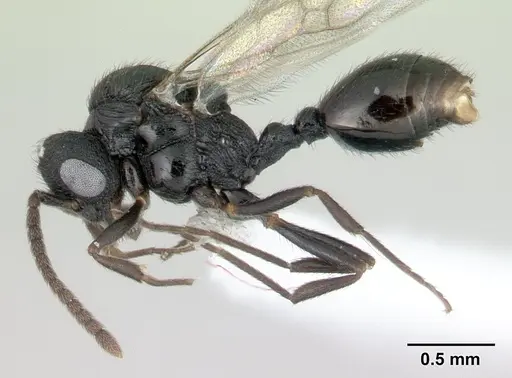
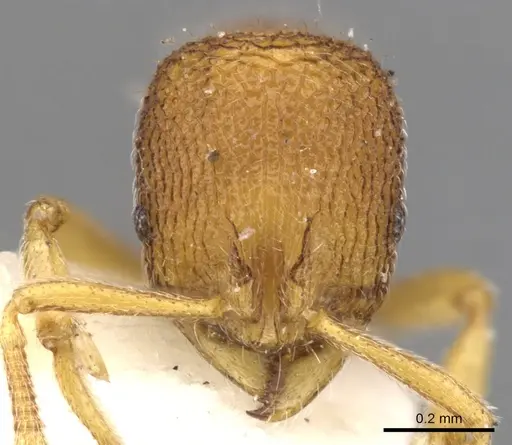
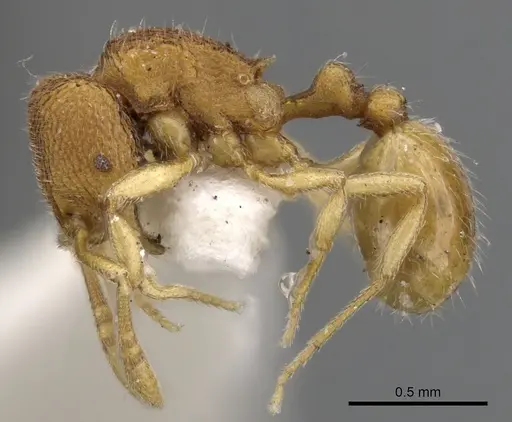
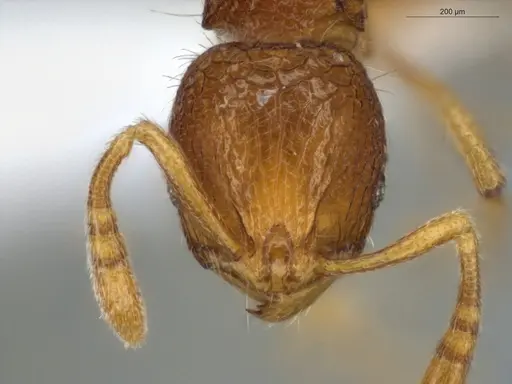
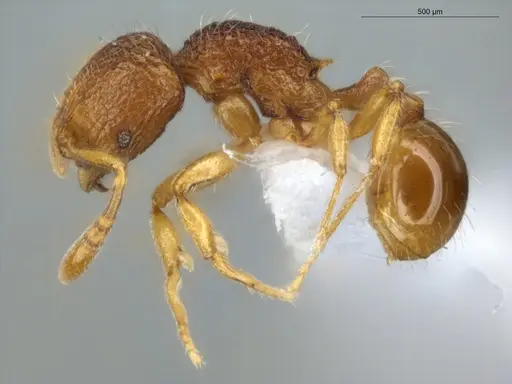
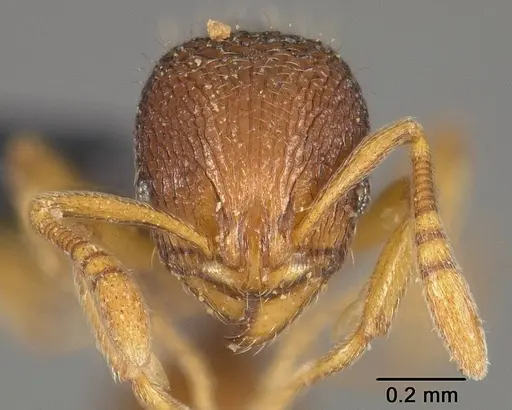
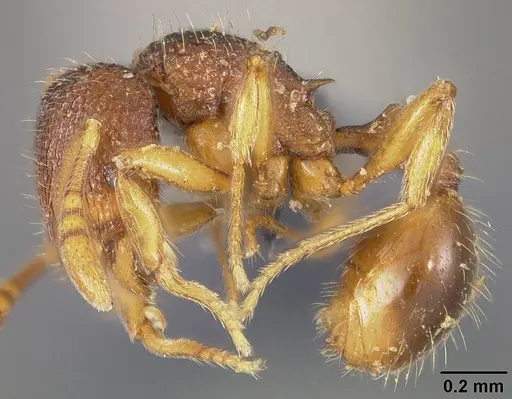
Rogeria innotabilis is a small, cryptic ant species, typically ranging from golden brown to dark brown with lighter colored appendages. Workers are around 2.4-2.7 mm in total length. Their head and mesosoma display a rough, areolate-rugose sculpture, while their gaster is usually smooth and shiny. They are known for their small, elliptical eyes and distinct propodeal spines. These ants are often found in leaf litter, suggesting a hidden lifestyle.
- Difficulty: Hard
- Origin & Habitat: Neotropical Region (Mexico, Central America, northern South America, including Colombia, Costa Rica, French Guiana, Guatemala, Guyana, Honduras, Nicaragua, Panama, and Suriname). in Moist forests, montane hardwood forests, and dry tropical forests, typically at elevations ranging from sea level to 1200 meters. They are often found in leaf litter and rotten wood..
- Colony Type: Monogyne (though information is limited, other Rogeria species can be monogyne or polygynous), claustral (based on typical rogeria characteristics, though specific data for innotabilis is scarce) founding.
- Size & Growth:
- Queen: Not specified
- Worker: 2.4-2.7mm
- Colony: Small (mean colony size for the genus Rogeria is around 107 individuals, though innotabilis specific data is limited). Slow (inferred due to small colony size and cryptic nature) growth.
- Antkeeping:
- Temperature: Given their tropical habitat, a stable temperature between 24-28°C would likely be suitable. Avoid extreme fluctuations..
- Humidity: High humidity, around 70-90%, is crucial, reflecting their moist forest and leaf litter habitats. The nest should maintain a constant moisture gradient..
- Diapause: Not required. Not specified at Not specified.
- Nesting: Naturalistic setups mimicking leaf litter or rotten wood are ideal. Ytong nests or acrylic nests with natural inserts that allow for high humidity and substrate preferences could also work. They are primarily hypogaeic (underground) or arboreal nesters in nature..
- Behavior: Low (towards handler) aggressiveness.
- Common Issues: Mold in nest, Mites, Colony stalling due to incorrect humidity/temperature, Difficulty providing appropriately sized food, Lack of information on specific needs.
Keeping Rogeria innotabilis presents a unique challenge for antkeepers, largely due to their cryptic nature and the limited information available on their specific care requirements. These tiny ants are often collected from leaf litter and rotten wood in their natural Central and South American habitats, highlighting their need for a very humid and somewhat dark environment in captivity. Replicating their microhabitat faithfully is key to their long-term success, which typically means a focus on a bioactive setup with appropriate substrate.
Their diet in the wild is omnivorous, but the specific prey items they favor are not well-documented. For antkeepers, offering a varied diet of small insect fragments (like fruit flies or tiny crickets) and a sugar source (such as honey water or sugar water) is a good starting point. Due to their small size, ensure that any prey offered is appropriately sized to prevent waste and mold in the nest, which can be detrimental to such sensitive species.
Humidity management is paramount for Rogeria innotabilis. Their natural environment is consistently moist, so a dry setup will quickly lead to issues. Consider a nest design that allows for a significant moisture gradient, perhaps with a constantly hydrated area and a slightly drier foraging space. Monitoring humidity levels closely with a hygrometer is highly recommended to prevent desiccation or, conversely, excessive dampness that could foster mold.
Due to their small size and secretive habits, observing these ants can be challenging. A nest with clear viewing panels and a red film or cover can help minimize disturbance while still allowing glimpses into their intriguing underground world. Patience is a virtue when keeping Rogeria innotabilis, as their growth rate is likely slow, and establishing a thriving colony may take time and careful attention to their specific environmental needs.
Frequently Asked Questions
What kind of nest is best for Rogeria innotabilis?
For Rogeria innotabilis, a naturalistic setup that mimics their leaf litter and rotten wood habitats is highly recommended. Formicaria with a deep substrate, such as ytong or acrylic nests designed for high humidity with natural inserts, are often ideal. The key is to provide a consistent moisture gradient and ample hiding spots to ensure these cryptic ants feel secure and can thrive. They're pretty shy, so a good setup that caters to their subterranean or arboreal tendencies will make a huge difference in their overall well-being.
What do Rogeria innotabilis ants eat?
Rogeria innotabilis are omnivores. In captivity, you'll want to offer them a varied diet of small insect protein, like tiny fruit flies or small cricket pieces, and a reliable source of sugars, such as honey water or sugar water. Given their small size, it’s crucial to make sure any prey items are offered in very small portions to prevent uneaten food from molding in the nest, which is a common issue with these delicate colonies.
How humid should the nest be for Rogeria innotabilis?
Maintaining high humidity is absolutely critical for Rogeria innotabilis. Their natural homes in moist tropical forests mean they thrive in environments with 70-90% humidity. It's best to have a nest setup that offers a strong humidity gradient, allowing them to choose their preferred moisture level within the formicarium. Consistent monitoring with a hygrometer will help you keep conditions perfect, avoiding both desiccation and excessive dampness.
Are Rogeria innotabilis hard to keep?
Yes, Rogeria innotabilis are considered a challenging species for antkeepers. The main difficulties stem from their cryptic nature, small size, and the very limited specific information available on their exact care needs. Replicating their precise natural habitat, especially maintaining consistent high humidity and providing appropriate food, requires a keen eye and dedication. They're definitely not a beginner species for someone just starting their antkeeping journey.
Do Rogeria innotabilis sting?
Yes, Rogeria innotabilis workers do possess a sting. However, due to their incredibly small size, their sting is unlikely to be medically significant to humans. They are generally considered to have low aggressiveness towards handlers, making them more of a curiosity than a threat. Still, it's always wise to exercise caution when handling any ant species.
What is the typical colony size of Rogeria innotabilis?
While specific colony size data for Rogeria innotabilis is limited, the genus Rogeria typically forms small colonies, with a mean size around 107 individuals reported for some species. This suggests that a thriving Rogeria innotabilis colony in your formicarium would likely consist of hundreds of workers rather than thousands. They're not going to fill a massive outworld like some supercolony species.
Do Rogeria innotabilis need diapause?
No, Rogeria innotabilis, originating from tropical regions of Central and South America, do not require diapause (a period of hibernation or dormancy). Their natural habitat does not experience the cold winters that would necessitate such a resting period. Maintaining stable tropical temperatures year-round is key to their continuous development and activity in captivity.
What are common problems when keeping Rogeria innotabilis?
Antkeepers often face several challenges with Rogeria innotabilis. The most prevalent issues include mold growth in the nest due to high humidity, mite infestations, and the colony stalling in growth if temperature or humidity isn't precisely maintained. Overfeeding can also lead to waste and mold, so offering tiny portions of food is crucial. Their delicate nature means queen stress or fluctuations in their environment can quickly lead to problems.
Where can I find Rogeria innotabilis queens?
Finding Rogeria innotabilis queens for sale can be quite challenging due to their cryptic nature and the difficulty in collecting them from their natural habitats. They are not a commonly available species in the antkeeping hobby. Most specimens in research collections are found in leaf litter extractions, which makes direct collection of founding queens for hobbyists less common. You'll likely need to connect with specialized ant dealers or researchers if you're set on acquiring this species.
How fast do Rogeria innotabilis colonies grow?
Based on their small colony size and generally cryptic lifestyle, Rogeria innotabilis colonies are expected to have a slow growth rate. Unlike some of the more common and fast-reproducing ant species, you'll need to be patient to see significant increases in your colony's numbers. Steady, consistent care tailored to their specific humidity and temperature needs will be vital for any growth at all.
What does a Rogeria innotabilis worker look like?
Rogeria innotabilis workers are quite small, measuring about 2.4-2.7 mm in total length. They can range in color from a golden brown to a darker brown, often with lighter-colored legs and antennae. Their bodies have a distinctive rough, sculpted appearance, particularly on their head and midsection (mesosoma), while their gaster (the rear part of their body) tends to be smoother and shinier. They also feature small, oval-shaped eyes and noticeable spines on their propodeum (the rear part of the mesosoma).
Are there any specific behaviors to look out for with Rogeria innotabilis?
Rogeria innotabilis are known for being quite cryptic, meaning they prefer to stay hidden within their nest or substrate. You might not see them out foraging as much as other ant species. They are typically found in leaf litter, so observing them in an outworld might require some patience. Look for them moving tiny food particles or tending to their brood in the more humid sections of their formicarium. Their small size and reclusive habits contribute to the challenge and reward of keeping them.

This caresheet is licensed under CC BY-SA 4.0 .
CASENT0603512
View on AntWeb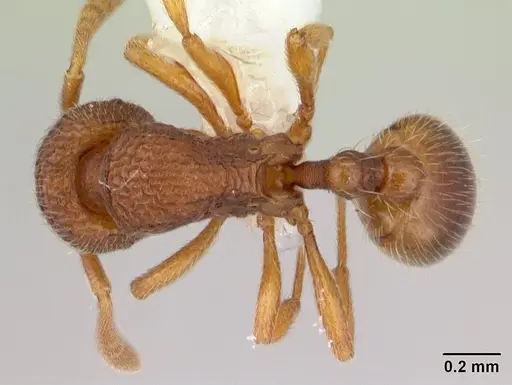
CASENT0603513
View on AntWeb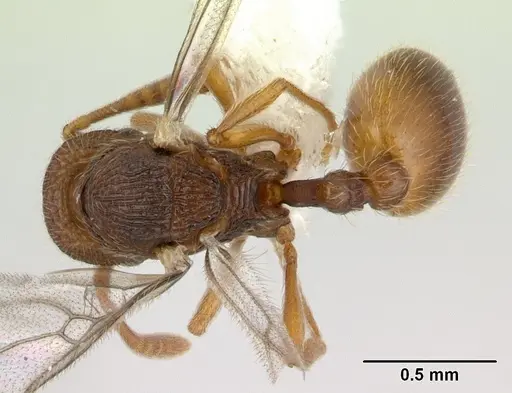
CASENT0603514
View on AntWeb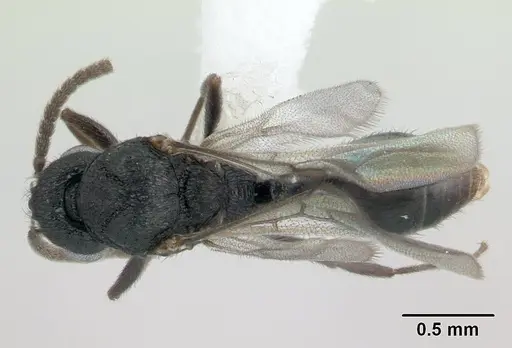
CASENT0900958
View on AntWeb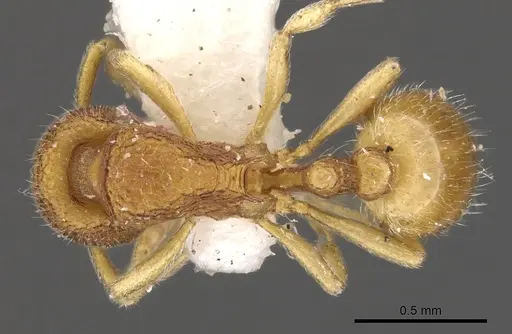
ECOFOG-CSG15-0079-19
View on AntWeb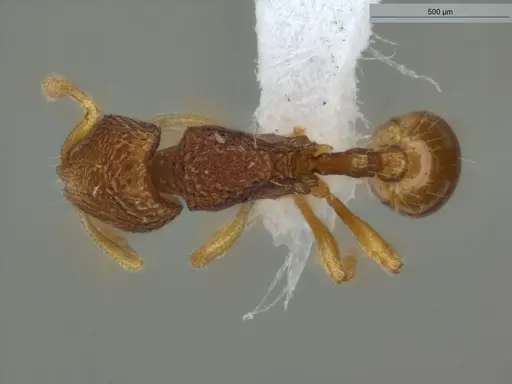
USNMENT00445637
View on AntWeb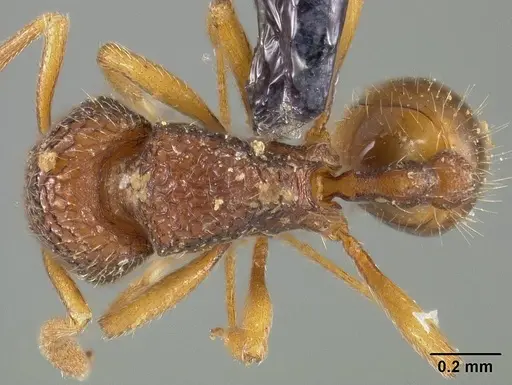
Literature
Loading...Loading products...