

Rogeria inermis
- Scientific Name
- Rogeria inermis
- Tribe
- Solenopsidini
- Subfamily
- Myrmicinae
- Author
- Mann, 1922
- Distribution
- Found in 6 countries
Rogeria inermis Overview
Rogeria inermis is an ant species of the genus Rogeria. It is primarily documented in 6 countries , including Costa Rica, Guatemala, Honduras. Detailed taxonomic data and occurrence records can be further explored via authoritative databases such as AntWeb or the Global Biodiversity Information Facility (GBIF).
Rogeria inermis - "Cryptic Rogeria Ant"
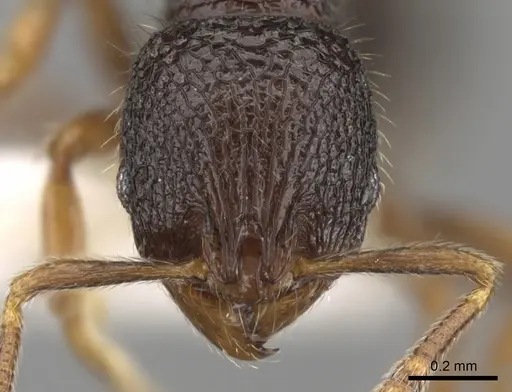
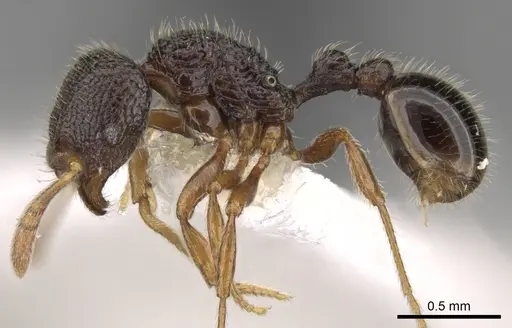
Rogeria inermis is a fascinating, yet highly cryptic ant species from the Myrmicinae subfamily. These tiny ants, often overlooked due to their elusive nature, are typically reddish-brown to yellowish-brown with lighter appendages. Workers are quite small, measuring around 0.60-0.85mm in length. Their physical characteristics include a head dorsum with both erect and shorter, decumbent hairs, and propodeal spines that can range from short to entirely absent. They are known to be widespread in moist forest environments, where they lead a hidden life primarily within leaf litter and decaying wood.
- Difficulty: Hard
- Origin & Habitat: New World (primarily Central and South America, with some species extending into Mexico) in Moist forests (primary or secondary), coffee and cacao plantations, and frequently found within leaf litter and rotten wood. They thrive from sea level up to elevations of about 1250m..
- Colony Type: Monogyne (typically, though specific data for inermis is limited, general Rogeria genus data suggests relatively small colonies), claustral (queens are believed to found independently without foraging, given their cryptic nature and small size) founding.
- Size & Growth:
- Queen: 1.5-2.0mm
- Worker: 0.6-0.85mm
- Colony: Small (mean colony size for the genus is around 107 individuals, suggesting hundreds). Slow (due to their cryptic nature and relatively small colony size, growth is expected to be gradual) growth.
- Antkeeping:
- Temperature: Maintain temperatures between 24-28°C. Providing a slight temperature gradient within the nest can allow the colony to choose their preferred spot..
- Humidity: High humidity is crucial, ideally ranging from 70-90%. These ants come from wet forest environments, so consistent moisture is vital to their well-being..
- Diapause: Not required. Not specified at Not specified.
- Nesting: Mimicking their natural habitat is key. They prefer nests that allow them to live cryptically, such as those made of natural materials like plaster, aerated concrete, or even deep, humid soil setups. Nests with plenty of small galleries and chambers are ideal. Test tube setups are suitable for founding stages..
- Behavior: Low (towards handler, but specific inter-colony or prey aggression levels are not well documented) aggressiveness.
- Common Issues: Mold in nest (due to high humidity), Mites (common in humid, cryptic setups), Colony stalling (due to specific, unknown environmental or dietary needs), Humidity fluctuations, Queen stress (from improper conditions or disturbances).
Keeping Rogeria inermis presents a unique challenge for antkeepers due to their cryptic habits and the limited scientific knowledge available about their specific care requirements. These ants are rarely collected, and much of what is known comes from sifting through leaf litter and rotten wood samples in their natural tropical habitats. This means that replicating their environmental conditions, particularly the high humidity and substrate preferences, is paramount for success in a formicarium. Patience and keen observation are vital, as these tiny inhabitants will spend most of their time hidden within their nest.
Their dietary preferences in the wild are not extensively documented, but as members of the Myrmicinae subfamily, they are likely omnivorous. This implies a need for a varied diet consisting of both protein sources, such as small insects, and carbohydrates like sugar water or honey water. Given their small size, very tiny prey items like fruit flies or small pieces of crushed mealworms will be most appropriate. Experimentation with different food types, offered in very small quantities, will be necessary to determine what your specific colony prefers.
One significant aspect of Rogeria inermis care is the importance of maintaining consistent, high humidity levels. Their natural environment is characterized by wet forests, and fluctuating moisture can quickly stress a colony or lead to desiccation. Using appropriate nesting materials that retain moisture well, along with regular hydration of the setup, will be crucial. Monitor for mold growth, a common issue in high-humidity setups, and ensure adequate ventilation without compromising the necessary moisture levels.
Due to their small size and cryptic behavior, observing these ants can be difficult. It’s important to choose a formicarium design that allows for some visibility while still providing the dark, secure conditions they prefer. Transparent outworlds with a suitable substrate will allow for foraging observations without disturbing the main nest. Be prepared for a species that prioritizes hidden living over overt activity, making them a rewarding, albeit challenging, species for advanced antkeepers seeking something truly unique.
Frequently Asked Questions
How big do Rogeria inermis colonies get?
Rogeria inermis colonies are on the smaller side. While specific numbers for inermis are limited, related Rogeria species typically have a mean colony size of around 107 individuals. This suggests that you can expect your colony to grow into the hundreds, rather than thousands, making them a more manageable option for smaller setups in the antkeeping hobby.
What kind of nest is best for Cryptic Rogeria Ants?
For these elusive ants, mimicking their natural habitat is crucial. They thrive in moist forest environments, often nesting within leaf litter and decaying wood. Therefore, formicaria made of materials that retain moisture well, like plaster or aerated concrete, with intricate small galleries and chambers, are ideal. A deep substrate setup in an acrylic or glass enclosure can also work wonders, allowing them to burrow as they would in the wild. Ensuring high humidity within the nest is key for their well-being.
What do Rogeria inermis eat?
As with many Myrmicinae ants, Rogeria inermis are believed to be omnivores. Their diet should consist of both protein and sugar sources. For protein, offer tiny insects such as pre-killed fruit flies, small pieces of mealworms, or other very small feeder insects. For carbohydrates, sugar water or honey water diluted to a suitable concentration will be readily accepted. Always provide very small portions to prevent waste and mold in their humid habitat. Regular feeding helps support the queen and growing brood.
Do Rogeria inermis need diapause (hibernation)?
No, Rogeria inermis generally do not require diapause. They are native to tropical, wet forest regions, often found at lower elevations. This means their natural environment doesn't experience the significant seasonal temperature drops that necessitate a hibernation period for temperate ant species. Maintaining consistent warmth and high humidity year-round is important for their continuous development and activity.
Are Rogeria inermis difficult to keep for a beginner antkeeper?
Rogeria inermis is considered a challenging species, earning a 'Hard' difficulty rating. Their cryptic nature means they spend a lot of time hidden, making observation tricky. More importantly, the limited information on their specific care requirements means successful keeping often relies on careful observation, precise environmental control, and a willingness to adapt. This makes them more suitable for experienced antkeepers who are comfortable with species that require a bit of experimental care and high humidity management.
How do I maintain high humidity for Rogeria inermis?
Maintaining the critical high humidity for Rogeria inermis involves a few key strategies. Using nesting materials like plaster or aerated concrete (Ytong) that naturally absorb and release moisture is a great start. Regularly hydrating the nest, either through designated watering ports or by carefully moistening a section of the substrate, is essential. Ensuring your formicarium has good seals to prevent rapid moisture loss, while still allowing for some air exchange to prevent stagnation, will help you hit that sweet spot of 70-90% humidity.
What are common issues when keeping Rogeria inermis?
The primary challenges with Rogeria inermis often revolve around managing their environment. Mold growth is a common issue in high-humidity setups, so consistent cleaning and ventilation are important. Mites can also be problematic in such conditions. Colony stalling, where the brood development slows or stops, can occur if their specific temperature, humidity, or dietary needs aren't met precisely. Overfeeding leading to uneaten food and subsequent mold is another common pitfall. Careful monitoring of their formicarium and diligent upkeep are crucial to avoid these common antkeeping setbacks.
Do Rogeria inermis have a sting?
Yes, Rogeria inermis ants do possess a sting. While their small size means the impact of a sting on a human is likely minimal and probably not painful, it's always wise to handle any ant species with care and avoid direct contact. Their sting apparatus is described as slender and acute, typical for many ant species that use it for defense or subduing prey.
Can I keep multiple Rogeria inermis queens together?
While the specific data for Rogeria inermis is limited, the genus Rogeria is typically considered monogyne, meaning colonies usually feature a single queen. Pleometrosis (multiple queens founding a colony together) is not explicitly documented for this species. It's generally safest to assume a monogyne setup unless specific information or observed behavior suggests otherwise, especially with less-studied cryptic ant species.
What kind of substrate do Rogeria inermis prefer in their outworld?
In the outworld, Rogeria inermis will appreciate a substrate that mimics their natural forest floor habitat. A mix of fine sand and loam, possibly with some decaying leaf litter or small pieces of wood, would be ideal. This allows them to forage comfortably and provides a natural aesthetic. Ensure the substrate is clean and free of pesticides or other contaminants that could harm your ant colony.

This caresheet is licensed under CC BY-SA 4.0 .
CASENT0280813
View on AntWeb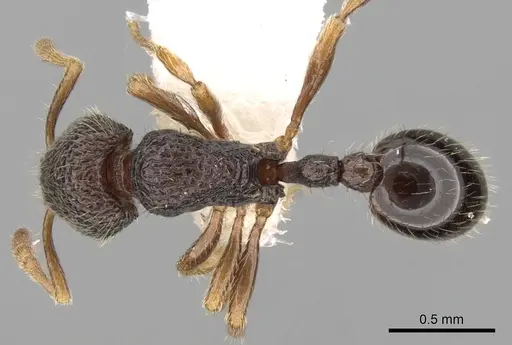
Literature
Loading...Loading products...