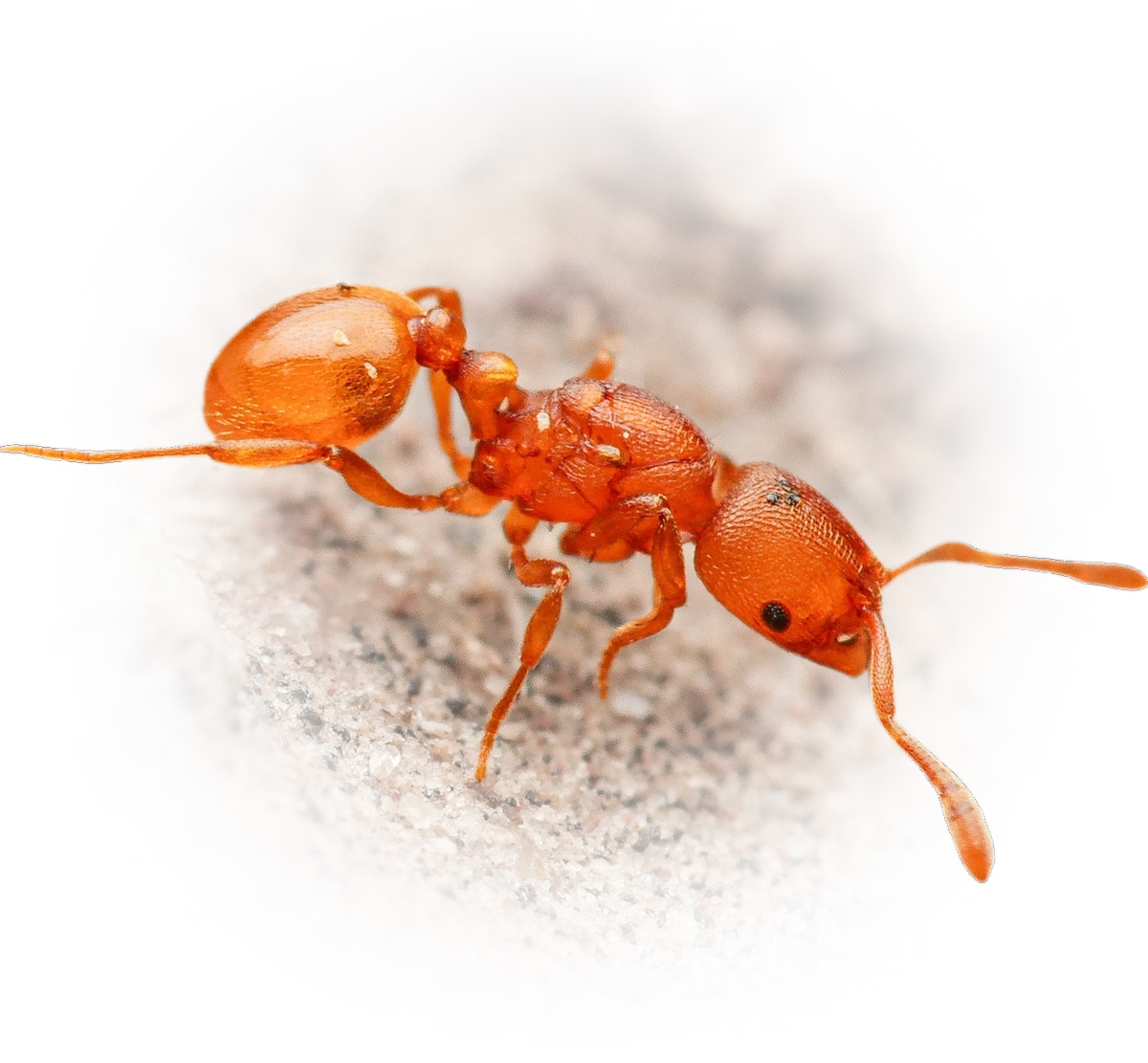

Rogeria foreli
- Scientific Name
- Rogeria foreli
- Tribe
- Solenopsidini
- Subfamily
- Myrmicinae
- Author
- Emery, 1894
- Distribution
- Found in 20 countries
Rogeria foreli Overview
Rogeria foreli is an ant species of the genus Rogeria. It is primarily documented in 20 countries , including Antigua and Barbuda, Anguilla, Barbados. Detailed taxonomic data and occurrence records can be further explored via authoritative databases such as AntWeb or the Global Biodiversity Information Facility (GBIF).
Rogeria foreli - "N/A"
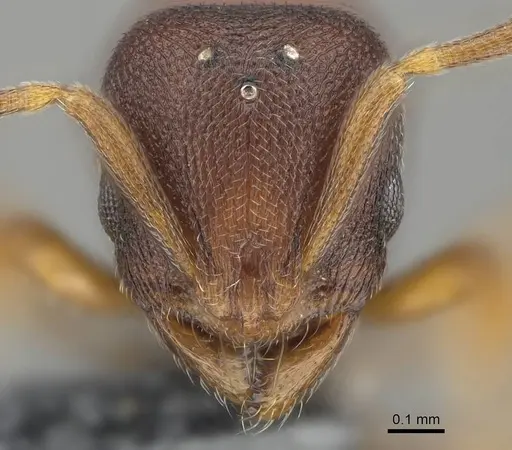
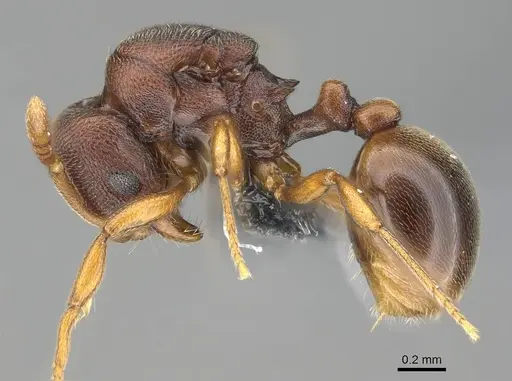
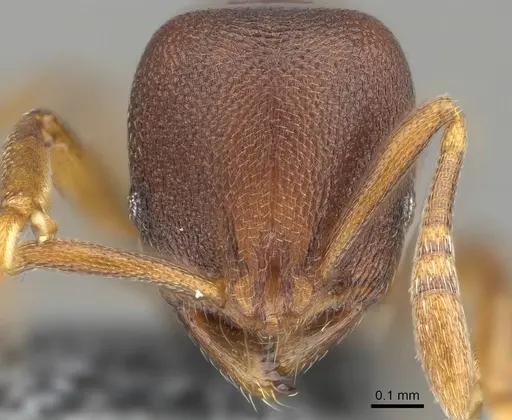
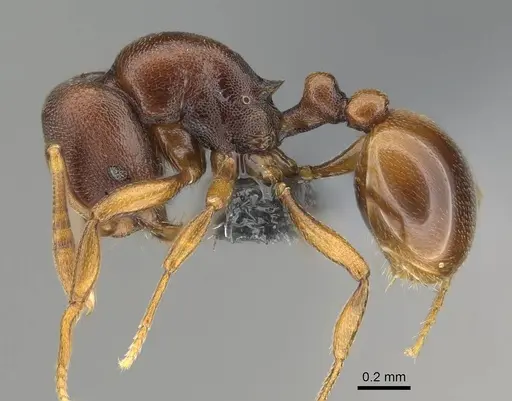
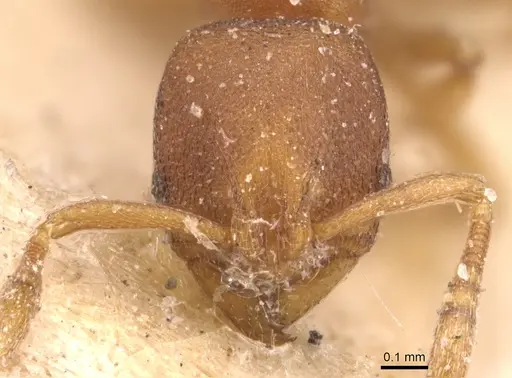
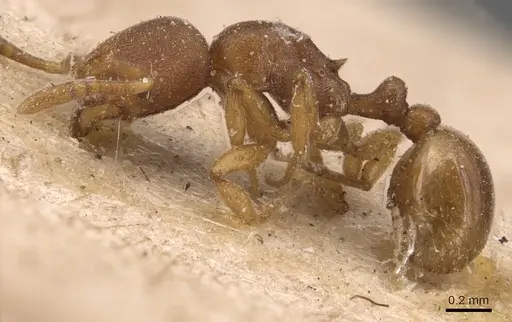
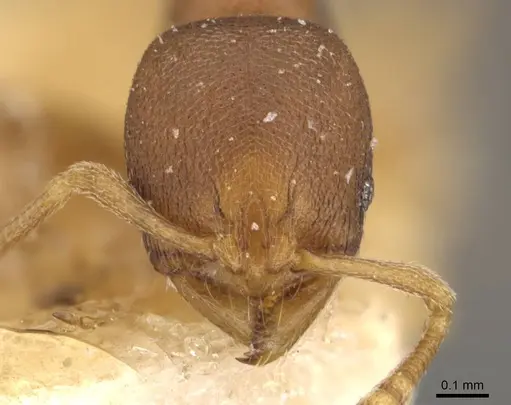
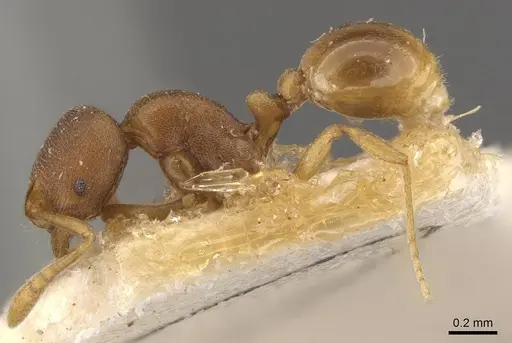
Rogeria foreli is a small, cryptic ant species with workers ranging from 1.9 to 2.9 mm in total length. They typically have a yellow to chestnut-brown coloration, often with a slightly brownish gaster or brownish-yellow appendages. Their mandibles possess 4-7 teeth, with basal teeth usually abruptly smaller than the apical ones. The eyes are small and oval, usually with 10 or more facets. They are known for their secretive nature and are often collected from leaf litter and rotten wood.
- Difficulty: Medium
- Origin & Habitat: Southwestern United States, Central America, northern South America, and numerous Caribbean Islands, including Barbados, Brazil, Colombia, Costa Rica, French Guiana, Grenada, Guadeloupe, Guatemala, Panama, Puerto Rico, Trinidad and Tobago, United States Virgin Islands, and Venezuela. in Moist forests (primary or secondary), coffee or cacao plantations, rocky areas within deserts, juniper woodlands, and pastures at higher elevations. They can be found from sea level up to 1800 meters..
- Colony Type: Monogyne (single queen), though direct confirmation for this specific species is limited., claustral (queen seals herself in), based on general rogeria genus information, though specific details for r. foreli are not widely documented. founding.
- Size & Growth:
- Queen: Not specified
- Worker: 1.9-2.9mm
- Colony: Small (hundreds), with a mean colony size of 107 workers for the genus Rogeria.. Slow, due to their small colony size and cryptic nature. growth.
- Antkeeping:
- Temperature: While specific temperature ranges for Rogeria foreli are not detailed, other species in the genus have been found in both moist and dry climates, and some at higher elevations, suggesting a moderate temperature range. Keeping them at room temperature, perhaps with a slight gradient for thermoregulation, should be suitable. A temperature around 24-27°C for good brood development is often recommended for ants that prefer a warmer environment..
- Humidity: Rogeria foreli are often collected from leaf litter and rotten wood, which suggests a preference for high humidity. Aim for a humidity of 70-90% in at least a portion of the nest..
- Diapause: Not required. Not specified at Not specified.
- Nesting: Given their natural habit of nesting in leaf litter, rotten wood, and under stones, a nest that mimics these conditions would be ideal. Plaster, Ytong, or natural setups with a good humidity gradient are suitable. Small, intricate tunnels would be appreciated..
- Behavior: Low (towards handler) aggressiveness.
- Common Issues: Mold in nest, Humidity fluctuations, Difficulty in observing due to cryptic nature, Colony stalling if conditions are not met.
Keeping Rogeria foreli can be a rewarding experience for those who appreciate smaller, more enigmatic ant species. Because they are so cryptic and their natural nesting habits often involve leaf litter and rotten wood, providing an environment that replicates these conditions is crucial for their well-being. Consider using setups like naturalistic tubs with a substrate mix of loam, sand, and decaying wood fragments, ensuring there are plenty of small crevices for them to explore and establish their chambers. This species isn't one you'll see marching in long foraging trails, so observing them may require a bit more patience and attention to detail.
Humidity management is paramount for this species. Their natural habitat often involves moist environments, so maintaining consistent high humidity within their formicarium is key to their success. Drying out can be detrimental, so regular misting or using a nest design that inherently holds moisture well, like a plaster or Ytong nest with a large hydration reservoir, is highly recommended. It’s a delicate balance to avoid mold, so good ventilation alongside high humidity is essential for a thriving colony.
While specific dietary preferences for Rogeria foreli aren't extensively documented, most ant species thrive on a varied diet of sugary liquids and protein. For these smaller ants, offering small drops of sugar water or honey-dew solutions, alongside tiny pieces of insect protein like fruit flies or crushed mealworms, should provide them with the necessary nutrients. Given their cryptic nature, they might be shy about foraging in an open outworld, so placing food items directly within or very close to their nest entrance can encourage feeding behavior.
One interesting aspect of Rogeria foreli is their distribution across diverse habitats, including both moist and dry climates, and even higher elevations. This adaptability, while not fully understood in terms of specific care implications, suggests a certain resilience. However, for antkeepers, it's always best to err on the side of caution and replicate the more humid, stable conditions where they are most commonly found. Providing a stable environment, rather than testing their adaptability, will lead to a healthier and more successful colony.
Frequently Asked Questions
What kind of nest is best for Rogeria foreli?
For these secretive little ants, a naturalistic setup that mimics their preferred leaf litter and rotten wood habitats is fantastic. Think plaster or Ytong nests with intricate chambers, or even a small tubs-and-tubes setup filled with a mix of loam, sand, and decaying wood fragments. The key is small, secure spaces with good humidity.
How big do Rogeria foreli colonies get?
Rogeria foreli are considered a smaller ant species, and colonies typically remain quite modest in size, usually numbering in the hundreds of workers. For the genus, the average colony size is around 107 workers.
Do Rogeria foreli need a specific temperature?
While exact temperature preferences for Rogeria foreli aren't widely published, they've been found in diverse climates. A stable room temperature is generally fine, but providing a slight thermal gradient, with a warmer spot around 24-27°C, can encourage faster brood development.
What do Rogeria foreli eat?
Like many ant species, Rogeria foreli will thrive on a diet of sugary liquids (like diluted honey or sugar water) and small insect proteins. Think tiny fruit flies, or small pieces of a pre-killed mealworm or cricket. Because they're so cryptic, you might need to place the food very close to their nest entrance.
Are Rogeria foreli difficult to keep for a beginner?
Rogeria foreli can be a bit more challenging than common beginner species due to their small size, cryptic nature, and specific humidity requirements. They're not impossible for a patient beginner, but it helps to have some prior ant-keeping experience.
Do Rogeria foreli sting?
Yes, Rogeria foreli workers possess a sting. However, given their small size, it's unlikely to be of significant concern to humans.
How often should I feed my Rogeria foreli colony?
For a small colony, feeding a few times a week should suffice. Observe how quickly they consume the food and adjust accordingly. It's better to offer small amounts frequently than large amounts rarely to prevent mold and waste.
What kind of humidity do Rogeria foreli need?
Rogeria foreli thrive in high humidity environments, ideally between 70-90%, particularly in their nesting area. This mimics their natural habitat of leaf litter and decaying wood, which retain moisture.
Can I keep multiple Rogeria foreli queens together?
Rogeria foreli are generally considered monogyne, meaning colonies typically have a single queen. While some ant species are pleometrotic (multiple queens cooperating during founding), there's no widespread indication that Rogeria foreli exhibit this behavior. It's usually best to keep them as single-queen colonies.
Where can I find Rogeria foreli queens?
Finding Rogeria foreli queens in the wild can be quite challenging due to their cryptic lifestyle. They are rarely encountered outside of specialized collection methods like Winkler or Berlese sampling of leaf litter and rotten wood.
Are Rogeria foreli active foragers?
Rogeria foreli are known for their secretive nature. They are not typically active, overt foragers in the way many larger ant species are. Most specimens are collected as 'strays' or through leaf litter sampling, indicating a more hidden foraging strategy.
Do Rogeria foreli need diapause (hibernation)?
There is no strong indication that Rogeria foreli require a diapause period. Their widespread distribution across tropical and subtropical regions suggests they may not need a cold overwintering period.

This caresheet is licensed under CC BY-SA 4.0 .
CASENT0006150
View on AntWeb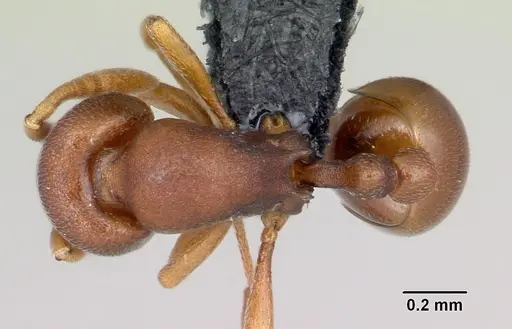
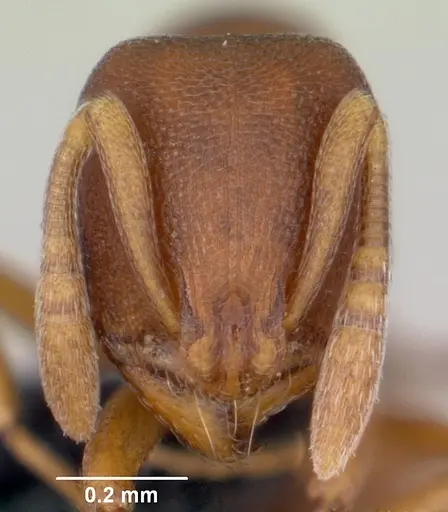
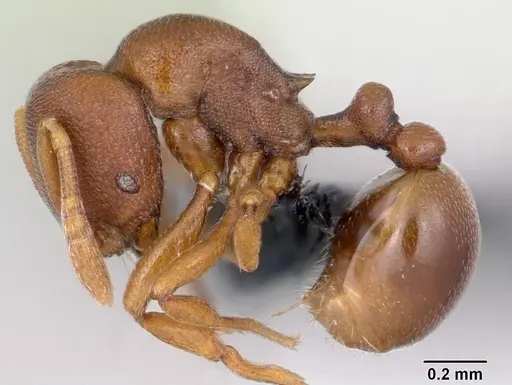
CASENT0178654
View on AntWeb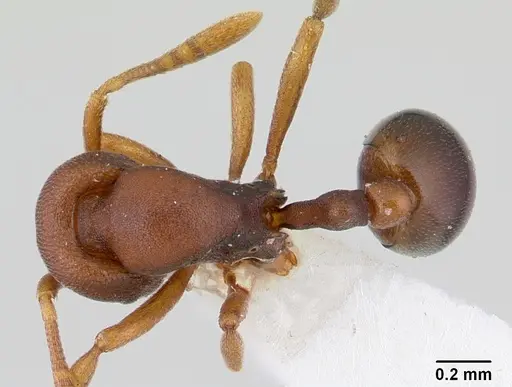
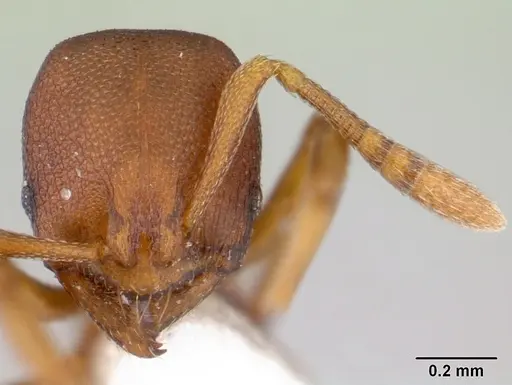
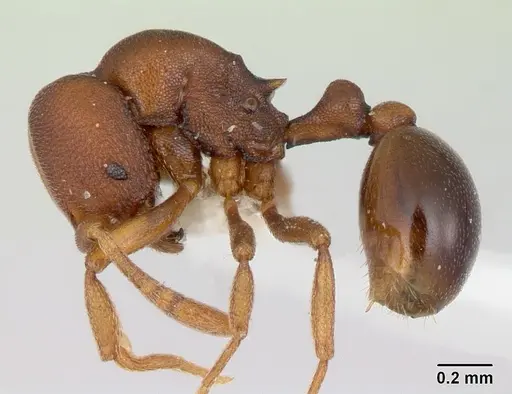
CASENT0729764
View on AntWeb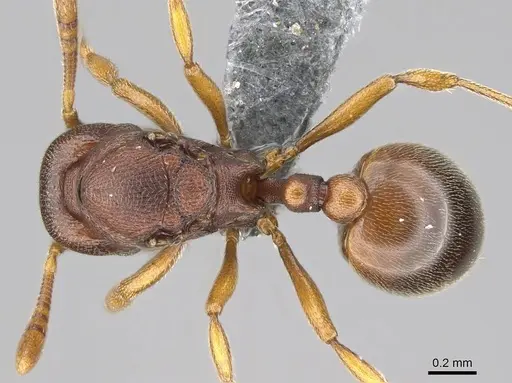
CASENT0729766
View on AntWeb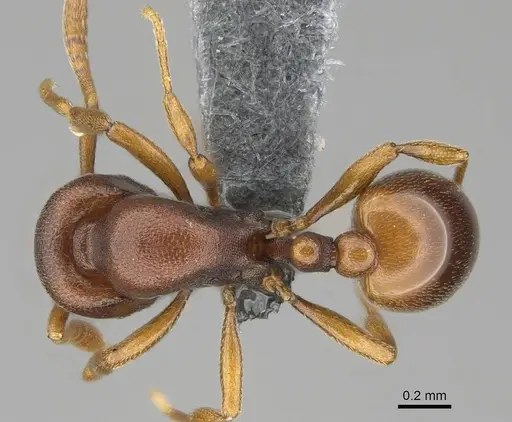
CASENT0904779
View on AntWeb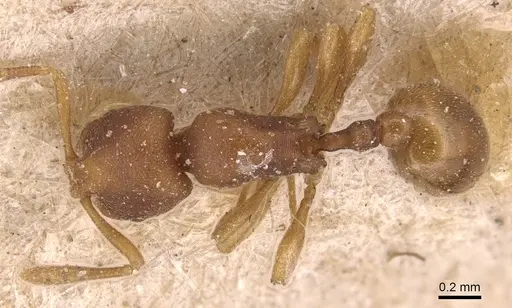
CASENT0909070
View on AntWeb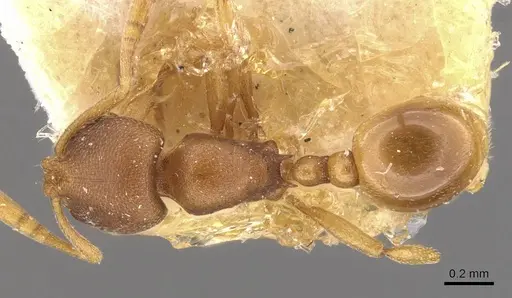
CASENT0919627
View on AntWeb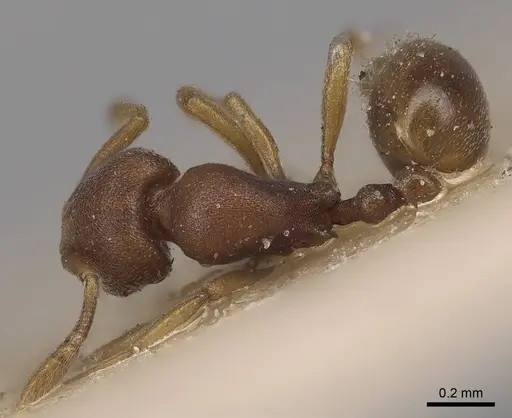
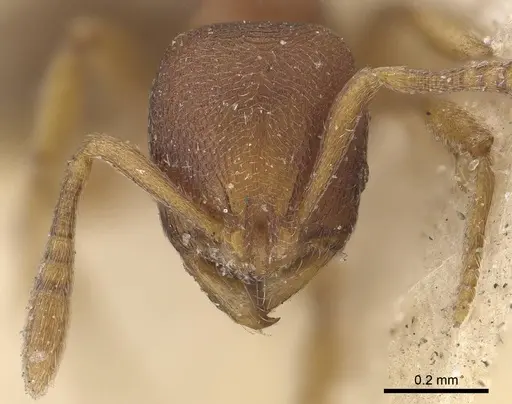
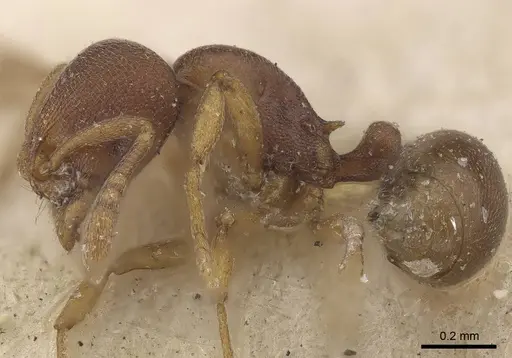
CBUMAGENT41960
View on AntWeb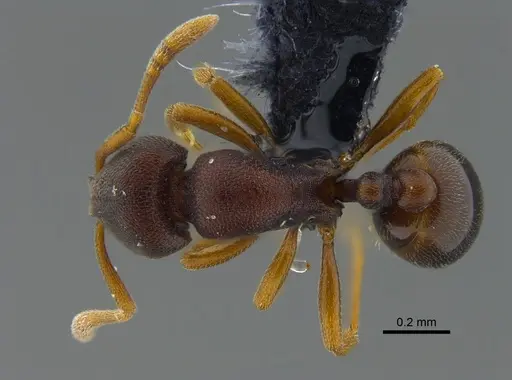
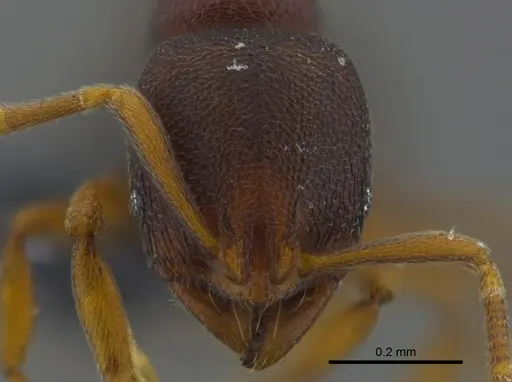
JTLC000015081
View on AntWeb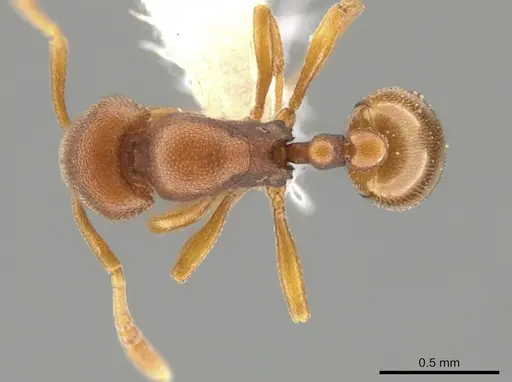
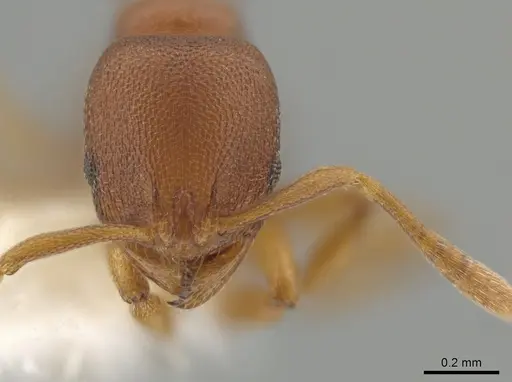
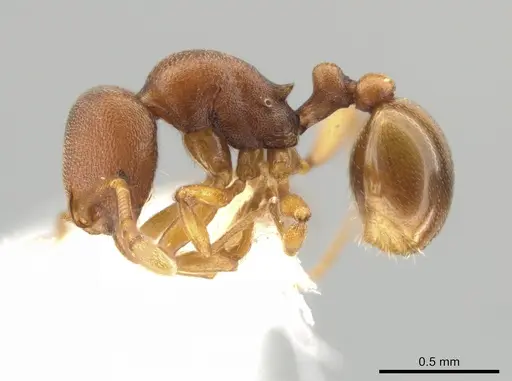
USNMENT01124288
View on AntWeb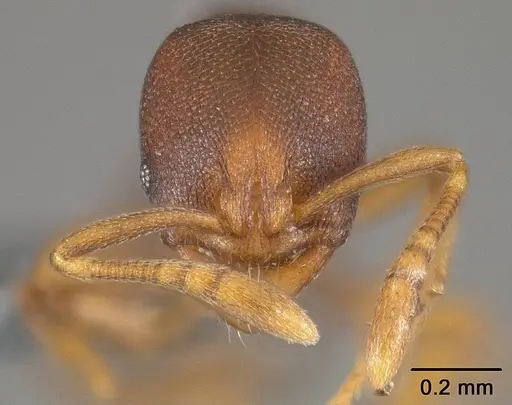
Literature
Loading...Loading products...