

Rogeria curvipubens
- Scientific Name
- Rogeria curvipubens
- Tribe
- Solenopsidini
- Subfamily
- Myrmicinae
- Author
- Emery, 1894
- Distribution
- Found in 21 countries
Rogeria curvipubens Overview
Rogeria curvipubens is an ant species of the genus Rogeria. It is primarily documented in 21 countries , including Antigua and Barbuda, Anguilla, Barbados. Detailed taxonomic data and occurrence records can be further explored via authoritative databases such as AntWeb or the Global Biodiversity Information Facility (GBIF).
Rogeria curvipubens - "No common name"
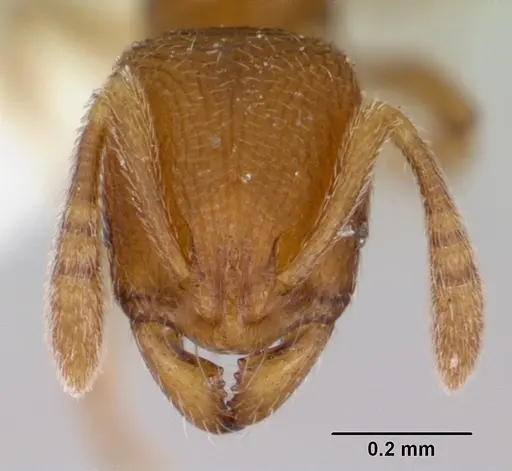
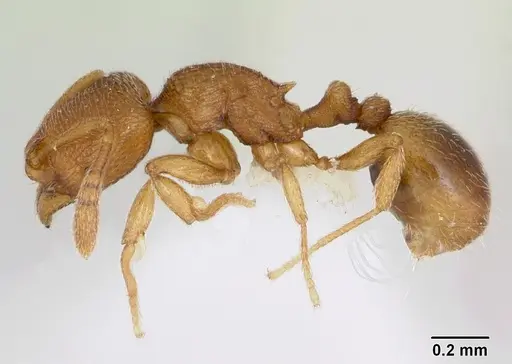
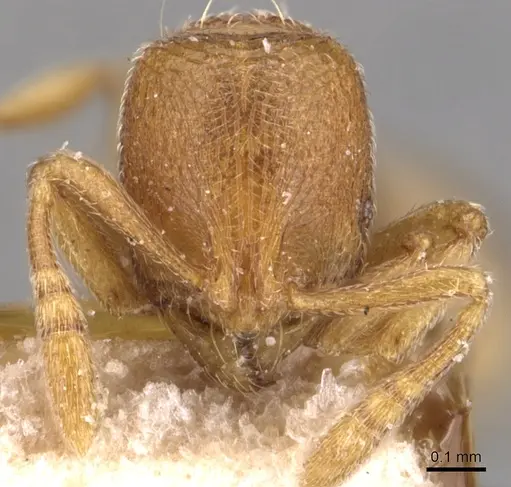
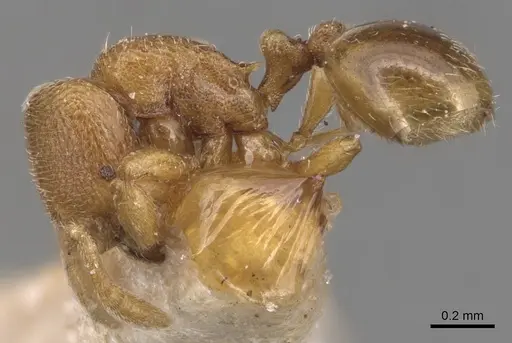
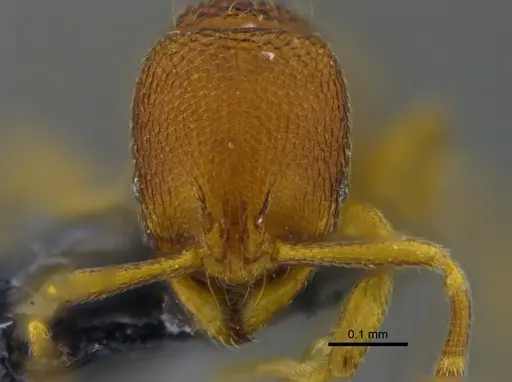
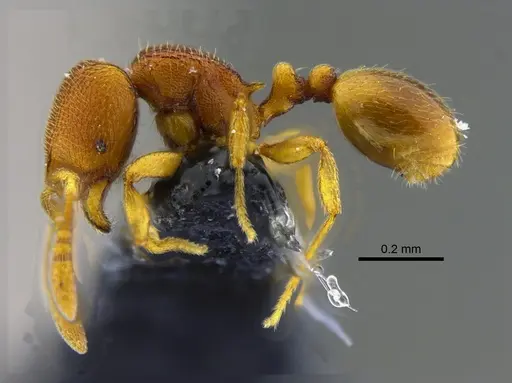
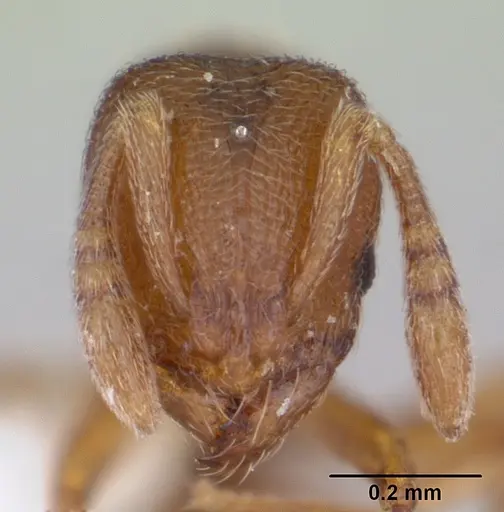
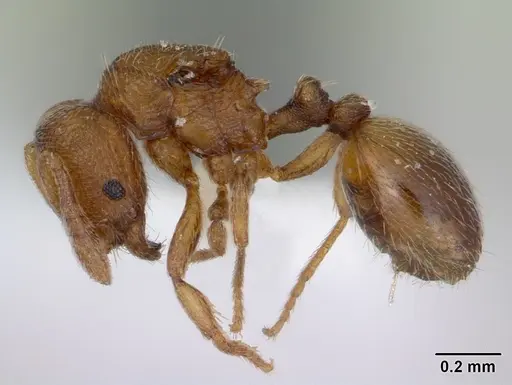
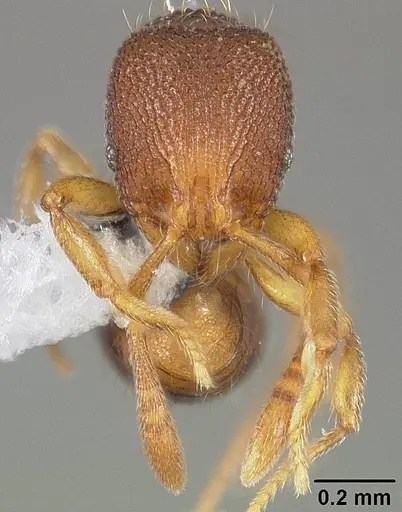
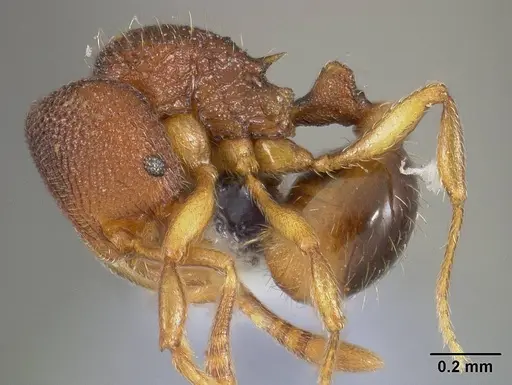
Rogeria curvipubens is a small, cryptic ant species that belongs to the Myrmicinae subfamily. These ants are generally yellowish to golden or light brown, with lighter appendages. Their heads are smooth and shiny on the sides, though the posterior head can be transversely arching rugose to rugose-areolate. The mesosoma, which is the middle part of their body, is typically compact and broad-shouldered. They possess short, wide propodeal spines and their sting apparatus is described as weak and spatulate. These ants are known for their secretive nature, making them a less commonly encountered species in both the wild and antkeeping.
- Difficulty: Medium
- Origin & Habitat: Caribbean Islands and northern South America, including Barbados, Brazil, Colombia, Cuba, Dominican Republic, Ecuador, Galapagos Islands, Grenada, Guadeloupe, Guyana, Haiti, Mexico, Panama, Surinam, and Venezuela. in Tropical rainforest, secondary growth forest, dry tropical forest, moist and dry climates, and even cacao plantations. They are often found in leaf litter, rotten wood, under rocks, and sometimes among epiphytes and moss, typically at elevations below 500m..
- Colony Type: Monogyne (single queen) or polygyne (multiple queens) as queens have been collected with workers, and different queen types have been observed in localities. Further research is needed., claustral or semi-claustral (specific information is limited, but their cryptic nature suggests they might not forage extensively during founding). founding.
- Size & Growth:
- Queen: Not specified
- Worker: 1.9-2.9mm
- Colony: Small (hundreds), as their cryptic nature and smaller worker size suggest smaller colony numbers compared to more common species.. Slow, due to their smaller size and cryptic habits. growth.
- Antkeeping:
- Temperature: Maintain temperatures between 24-28°C (75-82°F) to mimic their tropical origins. Stable warmth is crucial for brood development and colony activity..
- Humidity: High humidity, ideally around 70-90%, is essential given their natural habitat in moist environments like tropical forests and leaf litter. Frequent hydration of the nest is recommended..
- Diapause: Not required. Not specified at Not specified.
- Nesting: They prefer nests that mimic their natural rotten wood and leaf litter environments. Plaster, naturalistic setups with cork bark or decaying wood, or even acrylic nests with substrate inserts would be suitable. Good ventilation is important to prevent mold while maintaining high humidity..
- Behavior: Low (towards handler, food or other ants) aggressiveness.
- Common Issues: Mold in nest, Humidity fluctuations, Colony stalling due to inadequate conditions, Lack of hiding spots causing stress.
Keeping Rogeria curvipubens successfully relies heavily on replicating their humid, cryptic natural habitat. These ants are not often collected, suggesting they might be quite sensitive to environmental shifts. Providing a formicarium that offers plenty of hiding spots, like small crevices or embedded decaying wood, will make them feel secure and encourage natural foraging behaviors. It's a real challenge to get these conditions just right, but that's what makes successful Rogeria curvipubens ant care so rewarding for a dedicated ant keeper.
Humidity is paramount for this species; neglecting it can quickly lead to colony decline. Regularly check your nest's moisture levels and ensure there’s a consistent gradient. Using a substrate that retains moisture well, such as coco fiber mixed with fine sand or even a thin layer of leaf litter in the outworld, can help maintain the high humidity they thrive in. Misting the outworld lightly a few times a week, avoiding direct spraying on the ants, can also contribute to the ideal microclimate for these tropical ants.
Due to their smaller size and cryptic nature, observing Rogeria curvipubens can be challenging. They are not highly active foragers in the open, preferring to stay hidden. Patience is key when keeping these ants; don't expect them to be constantly visible. Providing a dark, secure nesting area with only small viewing windows can reduce stress and encourage them to tunnel and develop their brood more readily. This makes them more of a 'peek-and-observe' species rather than a 'constantly-visible' species.
Their diet in the wild is not well-documented, but like most ants, they likely consume small insects and sugars. In captivity, offer a varied diet of small insect fragments, like pre-killed crickets or roaches, and various sugar sources such as diluted honey or sugar water. Given their small size, ensure that food items are appropriately sized and easily accessible. Avoid overfeeding, as uneaten food can quickly mold in their preferred humid conditions, posing a risk to the colony's health.
Frequently Asked Questions
What kind of formicarium is best for Rogeria curvipubens?
For Rogeria curvipubens, a naturalistic setup simulating their tropical rainforest floor habitat is ideal. Consider a plaster or acrylic nest with sections for substrate like sand, loam, and decaying wood. These cryptic ants thrive in setups that offer plenty of dark, humid chambers and intricate tunneling opportunities. A formicarium with good moisture retention and ventilation is key to their long-term health, as they require high humidity to truly flourish.
How often should I feed my Rogeria curvipubens colony?
Since Rogeria curvipubens are smaller ants with potentially slower growth rates, they don't need to be fed as frequently as larger, faster-growing species. Offering small quantities of food every 2-3 days, or even less frequently for very small colonies, is a good starting point. Always remove uneaten food promptly to prevent mold growth, especially in their required humid environment. Observe their consumption habits to fine-tune your feeding schedule and ensure they're getting just enough to thrive.
Do Rogeria curvipubens queens need a specific substrate for founding?
While specific details on their founding are limited, given their natural inclination for rotten wood and leaf litter, providing a founding setup with a small amount of substrate like finely sifted soil or a piece of decaying wood within a test tube setup or small container would be beneficial. This can offer the queen a sense of security and a more natural environment for her initial brood chamber.
Are Rogeria curvipubens prone to escaping?
Like many small ant species, Rogeria curvipubens can be escape artists if your setup isn't secure. Their tiny size means they can squeeze through incredibly small gaps. Ensuring your formicarium and outworld have tight-fitting lids and using escape barriers like talcum powder or Fluon on the vertical surfaces of the outworld is highly recommended to keep these agile foragers contained within their ant habitat.
What are the signs of a healthy Rogeria curvipubens colony?
A healthy Rogeria curvipubens colony will show consistent brood development, including eggs, larvae, and pupae. You should observe workers actively tending to the brood and foraging, even if cryptically. The queen should appear healthy and continue laying eggs. A general sense of activity, even if subtle, within their nest and outworld, along with clean nest conditions (no excessive mold or uneaten food), indicates a thriving colony. Look for a gradual increase in worker count over time, which is a sure sign of a happy colony.
Can I keep multiple Rogeria curvipubens queens together?
While some ant species are polygynous, meaning they can have multiple queens in one colony, the information on Rogeria curvipubens suggests they can be monogyne or polygyne, depending on the queen type. If you acquire multiple queens, it's generally safest to start them separately until you can confirm if they are tolerant of each other, especially as this is a less commonly kept ant species. Observing their interactions carefully in a controlled environment will tell you if they are pleometrotic.
How do I provide adequate humidity for Rogeria curvipubens without causing mold?
Maintaining high humidity for Rogeria curvipubens without mold is a delicate balance. Use a formicarium with good ventilation to allow some airflow while still retaining moisture. Consider a nest design with a water tower or a hydration system that allows for localized moisture. Using a substrate like coco fiber that wicks water efficiently can help, as can placing a piece of damp (but not soaking wet) sponge or cotton in the outworld. Regularly cleaning the outworld and removing food waste is critical to prevent mold from taking hold in your ant setup.
What if my Rogeria curvipubens colony seems inactive?
If your Rogeria curvipubens colony seems inactive, first check their environmental conditions. Are the temperature and humidity within their preferred ranges? These cryptic ants are naturally less active in the open, so 'inactive' might just be their normal behavior. Ensure they have dark, secure areas within their nest. Also, verify that they have access to food and water. If all conditions are met and they still seem unusually sluggish, it might indicate stress from light, vibrations, or an underlying issue with their environment. Minimize disturbances to help them feel more secure and active.
What size of feeder insects should I offer Rogeria curvipubens?
Given their smaller worker size, Rogeria curvipubens will require very small pieces of feeder insects. Pre-killed crickets, mealworms, or roaches cut into tiny, manageable segments are ideal. Ensure the pieces are small enough for them to carry into their nest or consume easily in the outworld. Very young, small feeder insects might also be suitable whole. This helps them access essential proteins for colony growth and development.
Is a heating cable or mat necessary for Rogeria curvipubens?
To maintain the stable tropical temperatures Rogeria curvipubens prefers, a heating cable or mat can be very beneficial, especially if your ambient room temperature fluctuates or is below their ideal range. Place the heat source under or to the side of a portion of the nest, creating a thermal gradient. This allows the ants to choose their preferred temperature zone within the formicarium, optimizing brood development and overall colony health for these temperature-sensitive ant species.

This caresheet is licensed under CC BY-SA 4.0 .
CASENT0173282
View on AntWeb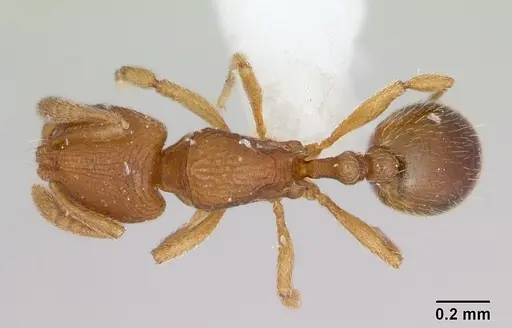
CASENT0904780
View on AntWeb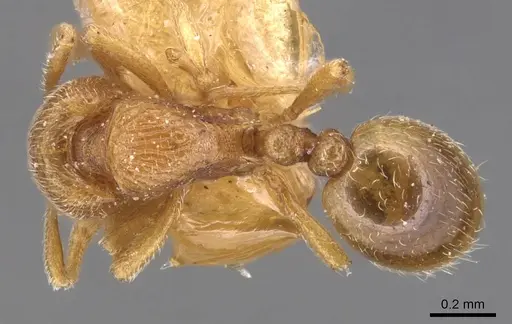
CBUMAGENT41961
View on AntWeb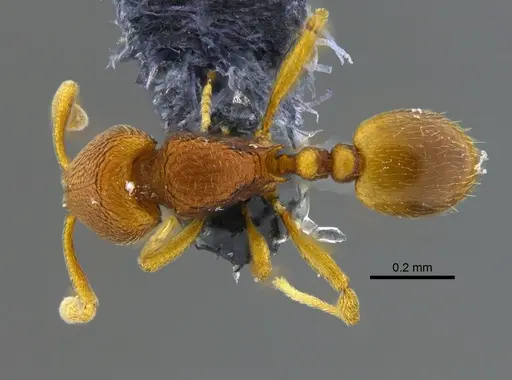
ICCDRS0002607
View on AntWeb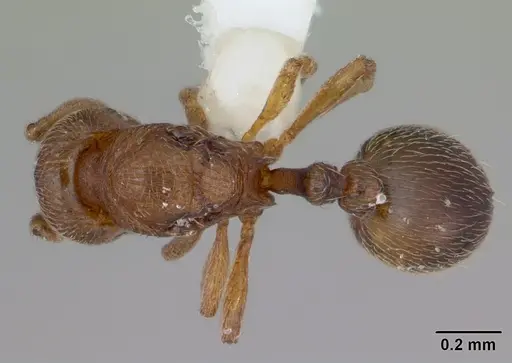
USNMENT00446371
View on AntWeb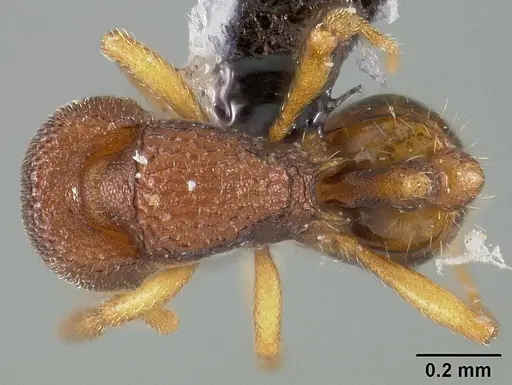
Literature
Loading...Loading products...