

Rogeria cuneola
- Scientific Name
- Rogeria cuneola
- Tribe
- Solenopsidini
- Subfamily
- Myrmicinae
- Author
- Kugler, 1994
- Distribution
- Found in 6 countries
Rogeria cuneola Overview
Rogeria cuneola is an ant species of the genus Rogeria. It is primarily documented in 6 countries , including Brazil, Costa Rica, Guatemala. Detailed taxonomic data and occurrence records can be further explored via authoritative databases such as AntWeb or the Global Biodiversity Information Facility (GBIF).
Rogeria cuneola
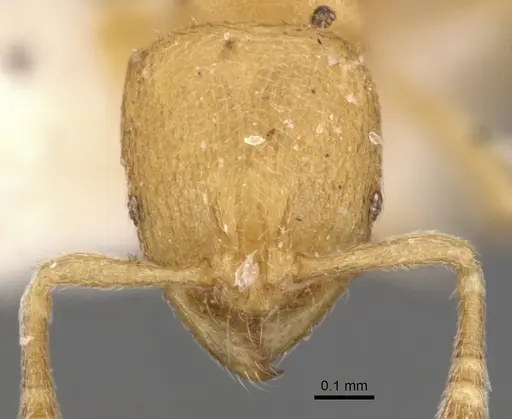
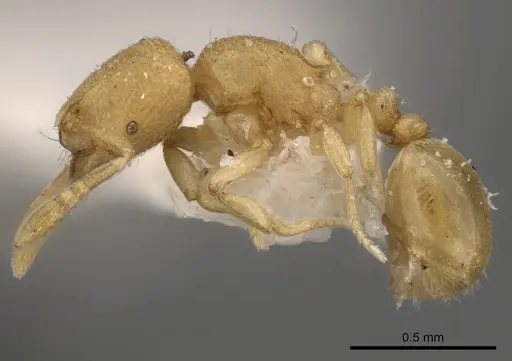
Rogeria cuneola is a tiny ant species native to Central America, measuring just 2.0-2.3mm for workers and 2.3-2.5mm for queens. These ants belong to the subfamily Myrmicinae and tribe Solenopsidini, which means they have functional stingers. Workers have a distinctive appearance with strong microareolate sculpture on the head and mesosoma that makes their surface appear opaque, and they possess a well-developed sting apparatus with acute lancets. The species gets its name 'cuneola' (Latin for small wedge) from the distinctive wedge-shaped postpetiolar sternum visible in side view.
These ants are cryptic leaf-litter dwellers found throughout Belize, Costa Rica, Guatemala, Honduras, Mexico, and Nicaragua in rainforests and mesic forests [1][2]. They are typically collected through berlesate sampling of leaf litter and rotten wood, reflecting their ground-dwelling nature and preference for dark, humid microhabitats [3]. This makes them a challenging but rewarding species for antkeepers who enjoy observing subtle, secretive behavior.
Quick Summary
- Difficulty: Medium
- Origin & Habitat: Native to Central America (Belize, Costa Rica, Guatemala, Honduras, Mexico, Nicaragua) in rainforests and mesic forests, both primary and secondary growth. One specimen was found in Yucatán thorn forest [3].
- Colony Type: Likely monogyne (single queen) based on typical Solenopsidini patterns. Colony size is unknown but likely small, typical for tiny leaf-litter ants.
- Size & Growth:
- Queen: 2.3-2.5mm
- Worker: 2.0-2.3mm
- Colony: Unknown, likely under 500 workers based on typical leaf-litter ant patterns
- Growth: Moderate, estimated based on small colony size
- Development: Estimated 6-8 weeks at tropical temperatures based on related Solenopsidini species (Direct development data unavailable, estimate based on genus-level patterns for small Myrmicinae in tropical conditions)
- Antkeeping:
- Temperature: Keep at 24-28°C, these are tropical ants from rainforest habitats [3]. Room temperature (20-24°C) may be adequate but warmer conditions will support better activity and brood development.
- Humidity: High humidity is essential, these ants live in damp leaf litter and rotten wood in rainforests. Keep the nest substrate consistently moist but not waterlogged. Provide a water source nearby.
- Diapause: Unlikely, being a tropical species, they probably do not require a diapause period. Maintain warm temperatures year-round.
- Nesting: Naturalistic setup with moist substrate works best. They prefer tight, humid chambers similar to their natural leaf-litter environment. Test tubes with cotton can work if kept in a humid setup, but a naturalistic terrarium-style formicarium mimics their natural habitat better.
- Behavior: These are shy, cryptic ants that prefer to stay hidden in the leaf litter layer. Workers are not aggressive but will use their sting if threatened. They are ground-dwelling and likely forage individually through the substrate rather than on open surfaces. Escape prevention is critical due to their tiny size, they can easily slip through standard barrier setups. They are most active in humid, dark conditions.
- Common Issues: escape prevention is critical due to their very small size, use fine mesh barriers, high humidity requirements can lead to mold if ventilation is poor, slow colony growth may frustrate beginners expecting rapid expansion, wild-caught colonies may contain parasites that can devastate captive populations, difficulty observing them due to cryptic behavior, they spend most time hidden in substrate
Housing and Nest Setup
Rogeria cuneola requires a setup that recreates their natural leaf-litter habitat. A naturalistic terrarium-style formicarium works best, fill with moist substrate (a mix of soil and rotting wood fragments) and add leaf litter on top. This gives them the dark, humid microhabitats they naturally inhabit. The substrate should be consistently moist but never waterlogged, aim for the texture of a damp forest floor.
Test tubes can work for founding colonies if kept in a humid environment, but these ants prefer to move through substrate rather than climb glass. If using a test tube, place it in a larger container with moist substrate to create a humidity gradient. Whatever setup you choose, ensure excellent escape prevention, their tiny size means they can slip through gaps that larger ants cannot. Use fine mesh on any ventilation holes. [1][3]
Feeding and Diet
Like other Solenopsidini ants, Rogeria cuneola likely has an omnivorous diet. In the wild, they probably scavenge small insects and tend aphids for honeydew. For captive care, offer small protein sources like fruit flies, pinhead crickets, or small mealworms. Since they are so tiny, their prey items must be appropriately sized, micro-arthropods like springtails are ideal.
Sugar sources can be offered occasionally in the form of diluted honey or sugar water, but these ants are not particularly sugar-loving compared to some other genera. Protein should form the bulk of their diet. Feed small amounts every few days and remove any uneaten prey to prevent mold issues in their humid setup. [3]
Temperature and Humidity
These are tropical ants requiring warm, humid conditions. Maintain temperatures between 24-28°C for optimal colony health and brood development. They can tolerate slightly cooler temperatures (down to around 22°C) but may become less active. Avoid temperature drops below 20°C.
Humidity is perhaps more critical than temperature. Their natural habitat in rainforest leaf litter is constantly humid. Keep the nest substrate moist and provide a water source. However, balance this with adequate ventilation to prevent mold growth. A hygrometer near the nest can help you monitor conditions, aim for 70-80% humidity if possible. [3]
Behavior and Observation
Rogeria cuneola is a cryptic species that prefers to stay hidden within the substrate layer. You will not see dramatic foraging runs or major activity on open surfaces. Instead, watch for workers moving slowly through the leaf litter or along the edges of the nest chamber. This secretive behavior is part of what makes them interesting to keep, you are essentially recreating a slice of rainforest floor.
The workers possess a functional stinger, though given their tiny size, the sting is unlikely to be painful to humans. They will use it defensively if the nest is disturbed. Colonies are not aggressive toward keepers but will retreat deeper into the substrate when threatened. Patience is key with this species, much of their behavior happens out of direct view. [1][3]
Frequently Asked Questions
How long does it take for Rogeria cuneola to produce first workers?
Based on related Solenopsidini species, expect first workers (nanitics) approximately 6-8 weeks after the queen lays eggs, assuming temperatures around 26°C. Development may be slower at cooler temperatures.
Can I keep Rogeria cuneola in a test tube setup?
Yes, test tubes can work for founding colonies, but place the tube in a humid setup, perhaps inside a larger container with moist substrate. These ants prefer to move through substrate rather than climb glass, so a naturalistic setup is preferable long-term.
What do Rogeria cuneola eat?
They are omnivorous. Offer small live prey like fruit flies, springtails, or tiny crickets. They may accept sugar water occasionally but protein should be the main food source. Small prey items are essential due to their tiny size.
Are Rogeria cuneola good for beginners?
They are considered medium difficulty. Their small size and high humidity requirements make them more challenging than common species like Lasius or Camponotus. They are best suited for antkeepers who already have some experience and can maintain stable humid conditions.
How big do Rogeria cuneola colonies get?
Colony size is not well documented, but based on similar tiny leaf-litter ants, colonies likely reach a few hundred workers at most. Growth is relatively slow compared to larger ant species.
Do Rogeria cuneola need hibernation?
No, being a tropical species from Central American rainforests, they do not require hibernation. Maintain warm temperatures (24-28°C) year-round.
Why are my Rogeria cuneola always hiding?
This is normal behavior, they are cryptic leaf-litter ants that prefer dark, humid environments. They will spend most of their time within the substrate, which is how they live in nature. You may only see them when they venture to foraging areas.
When should I move Rogeria cuneola to a formicarium?
If starting with a test tube colony, wait until the colony has at least 20-30 workers and is actively foraging. Consider moving to a naturalistic setup that better matches their leaf-litter habitat preferences.
What temperature is best for Rogeria cuneola?
Keep them warm at 24-28°C. This matches their natural tropical rainforest habitat. Room temperature (20-24°C) may be adequate but warmer conditions support better colony growth and activity.
References

This caresheet is licensed under CC BY-SA 4.0 .
CASENT0640606
View on AntWeb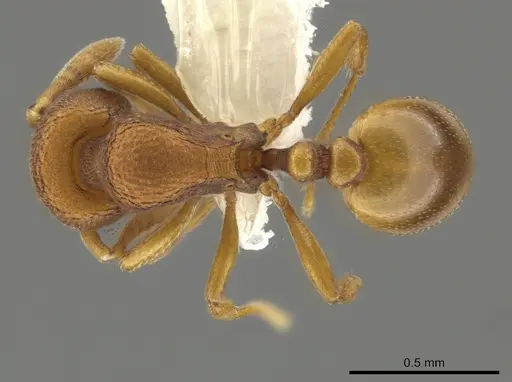
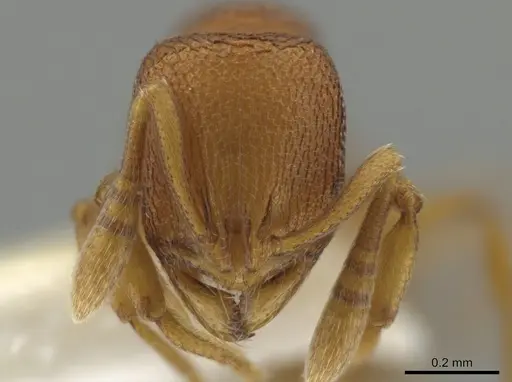
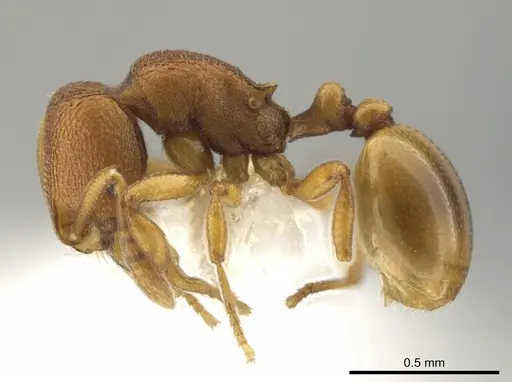
CASENT0900959
View on AntWeb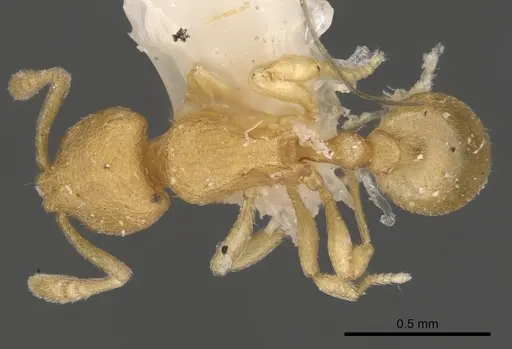
Literature
Loading...Loading products...