

Rogeria creightoni
- Scientific Name
- Rogeria creightoni
- Tribe
- Solenopsidini
- Subfamily
- Myrmicinae
- Author
- Snelling, 1973
- Distribution
- Found in 6 countries
Rogeria creightoni Overview
Rogeria creightoni is an ant species of the genus Rogeria. It is primarily documented in 6 countries , including Belize, Costa Rica, Guatemala. Detailed taxonomic data and occurrence records can be further explored via authoritative databases such as AntWeb or the Global Biodiversity Information Facility (GBIF).
Rogeria creightoni
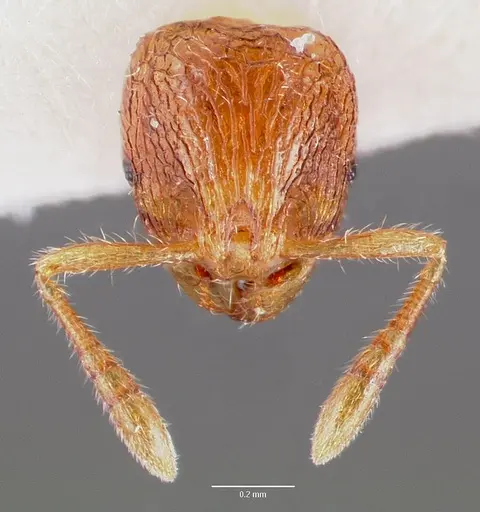
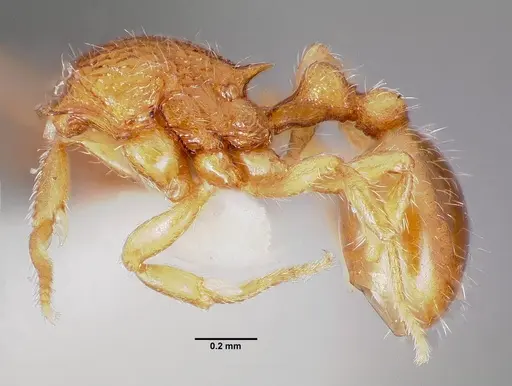
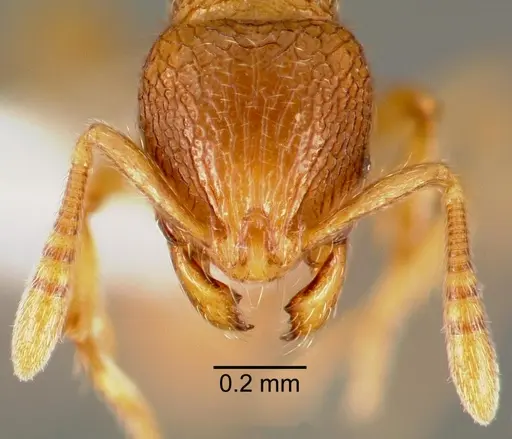
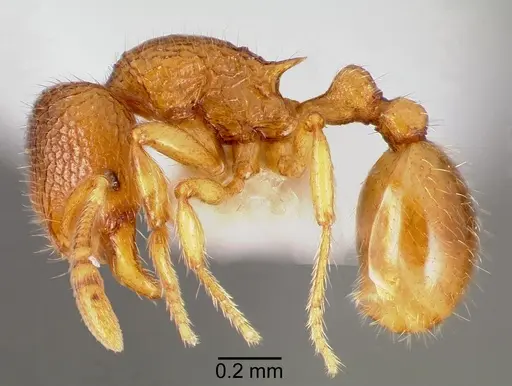
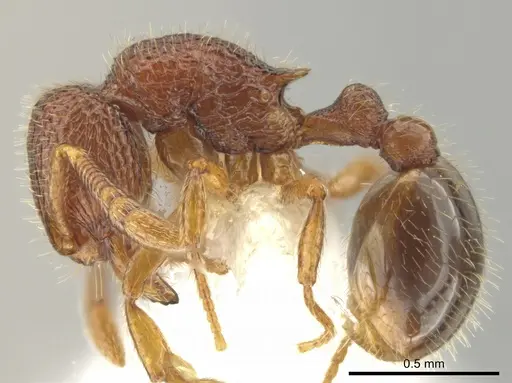
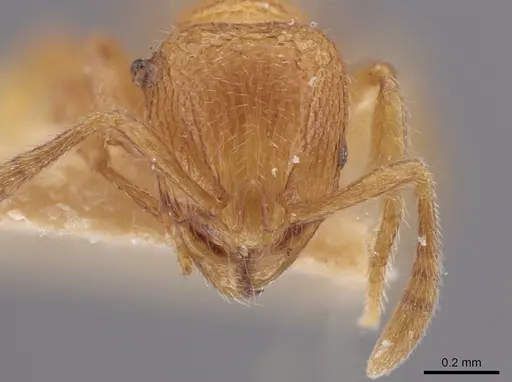
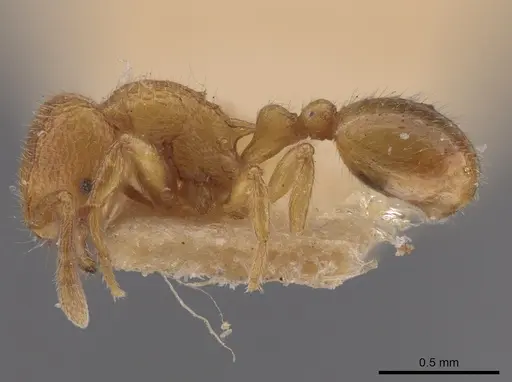
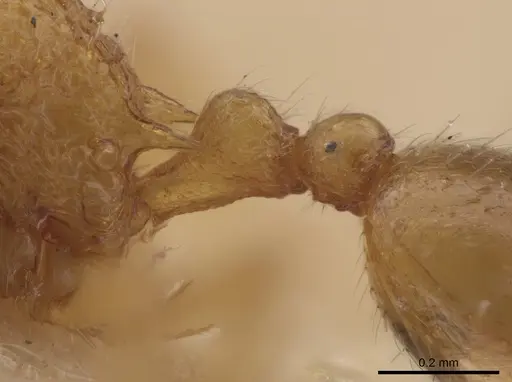
Rogeria creightoni is a tiny, cryptic ant species native to Central America and southern Texas. Workers measure just 2.4-3.5mm and have a brownish-yellow coloration with slightly darker heads and gasters [1]. This species is part of the Solenopsidini tribe and is known for being a leaf litter dweller, most specimens are collected by sifting through ground debris rather than from active foragers [2]. The species shows considerable variation across its range, with different populations displaying differences in propodeal spine length, sculpture intensity, and body proportions [1]. Queens have been collected in Costa Rica but remain undescribed, and males have never been documented [1].
Quick Summary
- Difficulty: Medium
- Origin & Habitat: Native to Central America and southern Texas, ranging from sea level to about 1,500m elevation. Found in diverse habitats including riparian woodland, palm-thorn forest, rain forest, pine-oak forest, and cacao plantations. Most commonly collected from leaf litter on the forest floor [1][3].
- Colony Type: Colony structure is unconfirmed. No published data on whether colonies are single-queen or multi-queen.
- Size & Growth:
- Queen: Undescribed, queens from Costa Rica have been collected but not formally described [1]
- Worker: 2.4-3.5mm [1]
- Colony: Unknown, no colony size data published
- Growth: Moderate, inferred from related small Myrmicinae
- Development: Estimated 6-8 weeks at optimal temperature based on genus-level patterns (No direct development data available for this species)
- Antkeeping:
- Temperature: Keep around 22-26°C. This species tolerates a range from sea level to 1,500m elevation, suggesting adaptability, but originates from warm tropical and subtropical regions [1].
- Humidity: High humidity required, these are leaf litter ants that naturally live in damp forest floor environments. Keep the nest substrate consistently moist but not waterlogged.
- Diapause: Unknown, no published data on overwintering requirements. Given the southern Texas to Costa Rica range, they may have reduced activity in cooler months rather than true diapause.
- Nesting: Natural nesting occurs in leaf litter, under stones, and occasionally in termite nests or orchids [1]. In captivity, a naturalistic setup with moist substrate or a small acrylic/plaster nest works well. They prefer tight, humid chambers scaled to their tiny size.
- Behavior: These are tiny, cryptic ants that spend most of their time hidden in leaf litter. They are not aggressive and pose no threat to keepers. Their small size (under 4mm) means escape prevention is critical, they can squeeze through standard test tube cotton if gaps exist. Foraging style is typical of litter-dwelling ants: they likely hunt small micro-arthropods and tend aphids for honeydew. They are not daytime active foragers and prefer the humid, dark microenvironments of the forest floor.
- Common Issues: escape prevention is critical due to tiny worker size, use fine mesh barriers and check for gaps in housing, colonies may be slow to establish due to small colony size and cryptic nature, wild-caught colonies may harbor parasites from leaf litter environment, humidity must be maintained consistently, drying out kills these moisture-dependent ants, limited published care information means some trial and error is expected
Housing and Nest Setup
Rogeria creightoni is a tiny leaf litter ant that needs carefully scaled housing. A small acrylic nest or test tube setup with narrow chambers works well, avoid large, open spaces that these small ants cannot utilize effectively. The nest must maintain high humidity, so consider a naturalistic setup with moist soil or a plaster nest with a water reservoir. Because they are ground-dwelling, they do not need vertical space. Use a small outworld container for feeding. Escape prevention is critical: their workers are only 2.4-3.5mm and can squeeze through surprisingly small gaps. Apply fluon to container edges and use fine mesh for any ventilation. A small piece of damp leaf litter or moss in the outworld can help maintain humidity and provide hiding spots that mimic their natural environment [2][3].
Feeding and Diet
Like most small Myrmicinae, Rogeria creightoni likely feeds on small arthropods and honeydew. In captivity, offer small live prey such as springtails, fruit flies, or tiny crickets. They will also accept sugar sources like honey water or sugar water, though acceptance may vary. Feed small amounts of protein (live prey) 2-3 times per week, and keep a constant sugar source available. Remove uneaten prey after 24-48 hours to prevent mold. Because of their small size, prey items should be appropriately sized, anything larger than their head is likely ignored. Some keepers report success with diluted honey applied directly to the nest chamber walls.
Temperature and Seasonal Care
Keep these ants at 22-26°C, which matches their native range from Texas to Costa Rica. They can tolerate brief temperature drops but prolonged cold will slow or stop colony activity. No published data exists on diapause requirements, but given their southern distribution, they likely do not require true hibernation. Instead, they may have reduced activity during cooler months. If your room temperature drops below 18°C in winter, consider using a small heating cable on one side of the nest to maintain a gentle gradient. Avoid direct heat that could dry out the nest. Monitor colony behavior, if workers become sluggish and cluster together, the colony may be too cold.
Handling and Observation
These ants are not suitable for observation-focused keeping, they are cryptic and spend most of their time hidden in substrate. They are not aggressive and cannot sting effectively through human skin. When you need to move or inspect the colony, use gentle tapping to encourage workers into a test tube rather than blowing on them or using force. Because they are so small, avoid bright direct light on the nest as this may cause them to retreat deeper into chambers. Regular but minimal disturbance is best, check on the colony once weekly rather than daily. Their small size and cryptic nature make them better suited for keepers who enjoy setting up naturalistic setups and observing natural behaviors rather than frequent handling.
Frequently Asked Questions
How long does it take for Rogeria creightoni to produce first workers?
Exact development time is unknown for this species. Based on related small Myrmicinae, expect approximately 6-8 weeks from egg to worker at optimal temperature (22-26°C). Queens have been collected but remain undescribed, so founding behavior in captivity has not been documented.
Can I keep Rogeria creightoni in a test tube?
Yes, a test tube setup can work, but use a small diameter tube with tight-fitting cotton. Their tiny 2.4-3.5mm workers can escape through standard cotton gaps. Consider using cotton with the test tube fully filled, or add a small water reservoir with a secure barrier. A naturalistic setup with moist substrate is often better for these leaf litter ants.
What do Rogeria creightoni ants eat?
They likely accept small live prey (springtails, fruit flies) and sugar sources (honey water, sugar water). Feed small appropriately-sized prey 2-3 times weekly with constant sugar access. Remove uneaten food promptly to prevent mold in their humid environment.
Do Rogeria creightoni ants need hibernation?
Diapause requirements are unknown. Given their range from southern Texas to Costa Rica, they likely do not require true hibernation. They may have reduced activity in cooler months. If kept in a room below 18°C in winter, consider slight heating to maintain activity.
How big do Rogeria creightoni colonies get?
Colony size is not documented in scientific literature. Based on their cryptic leaf litter lifestyle and tiny worker size, colonies are likely small, probably under a few hundred workers at maturity. They are not fast-growing colony builders.
What is the best nest type for Rogeria creightoni?
A small acrylic or plaster nest with narrow chambers works well. They need high humidity, so consider a nest with a water reservoir or naturalistic setup with moist substrate. Avoid large, open spaces and ensure chambers are appropriately scaled to their 2.4-3.5mm workers.
Why are my Rogeria creightoni ants escaping?
Their tiny size makes escape likely without proper barriers. Apply fluon to all container edges, use fine mesh for ventilation, and check for any gaps in housing. Even standard test tube cotton can have gaps large enough for these 2.4mm workers to squeeze through.
Is Rogeria creightoni good for beginners?
This species is rated as medium difficulty. While not aggressive, there is limited published care information, and their small size and humidity requirements can be challenging. They are better suited for keepers with some experience maintaining humidity in ant housing. The cryptic nature also means less observable activity than larger, more visible species.
Can I keep multiple queens together?
No published data exists on colony founding or queen behavior for this species. Combining unrelated queens is not recommended without evidence they can coexist. Wait for more specific research on this species' colony structure.
References

This caresheet is licensed under CC BY-SA 4.0 .
CASENT0003231
View on AntWeb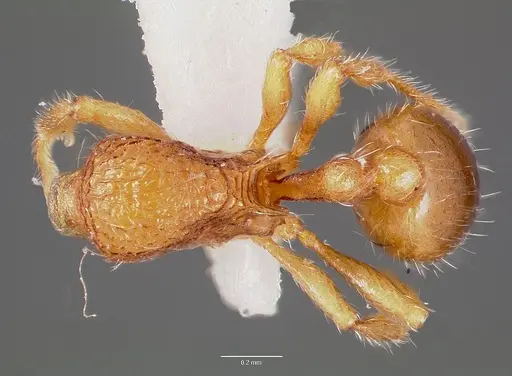
CASENT0006067
View on AntWeb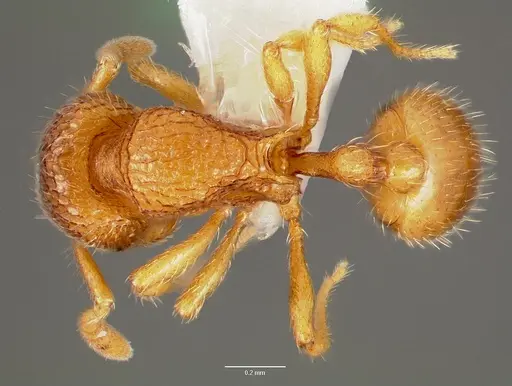
CASENT0647067
View on AntWeb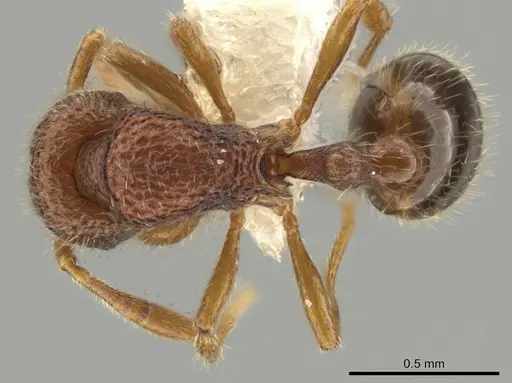
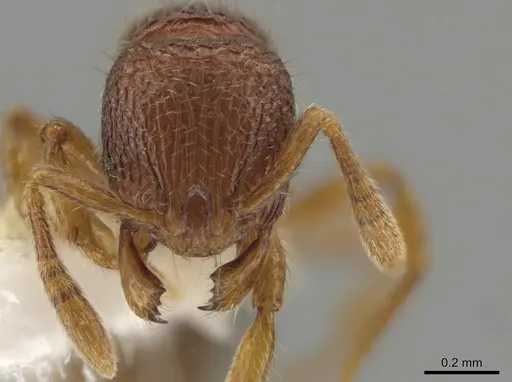
LACMENT685622
View on AntWeb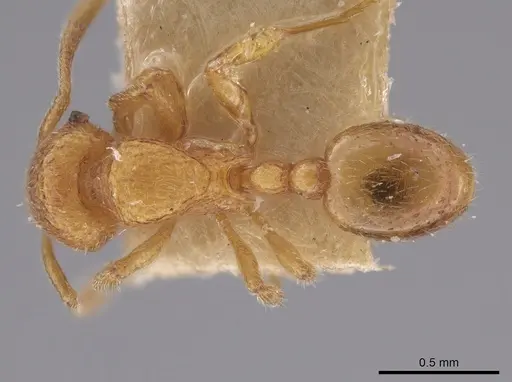
Literature
Loading...Loading products...