

Rogeria blanda
- Scientific Name
- Rogeria blanda
- Tribe
- Solenopsidini
- Subfamily
- Myrmicinae
- Author
- Smith, 1858
- Distribution
- Found in 9 countries
Rogeria blanda Overview
Rogeria blanda is an ant species of the genus Rogeria. It is primarily documented in 9 countries , including Bolivia, Plurinational State of, Brazil. Detailed taxonomic data and occurrence records can be further explored via authoritative databases such as AntWeb or the Global Biodiversity Information Facility (GBIF).
Rogeria blanda - "Cryptic Tropical Ant"
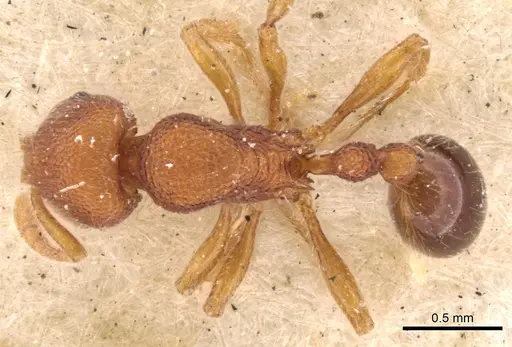
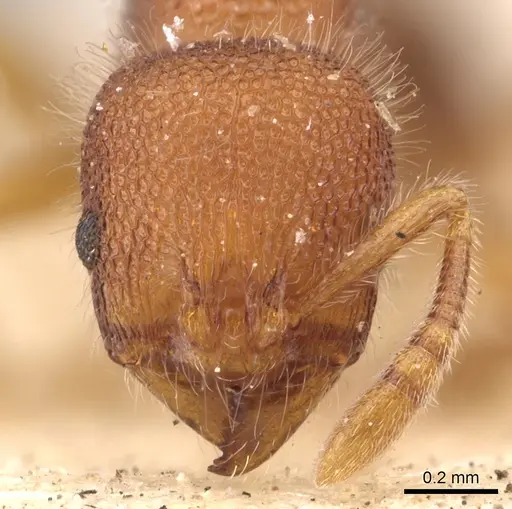
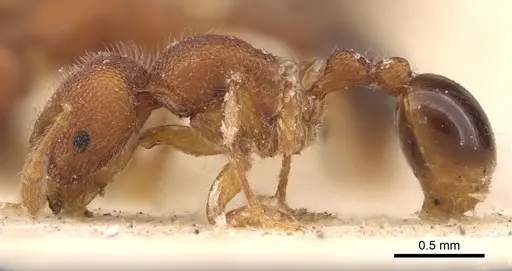
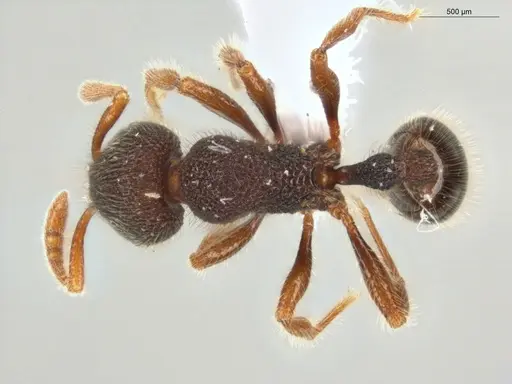
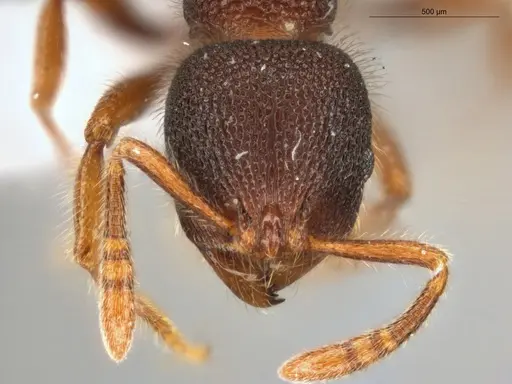
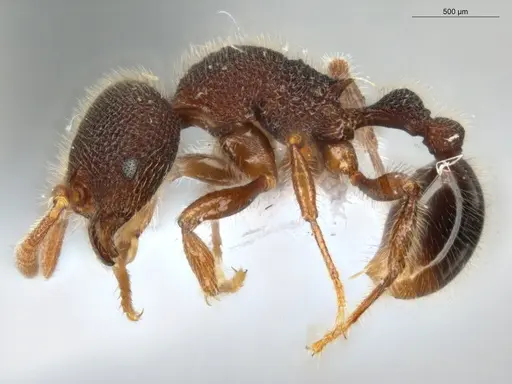
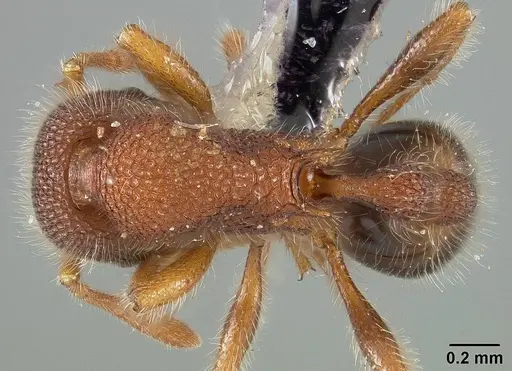
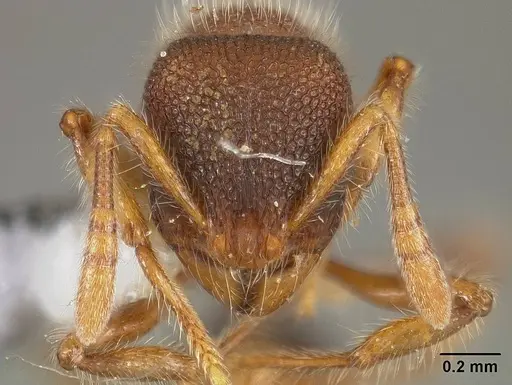
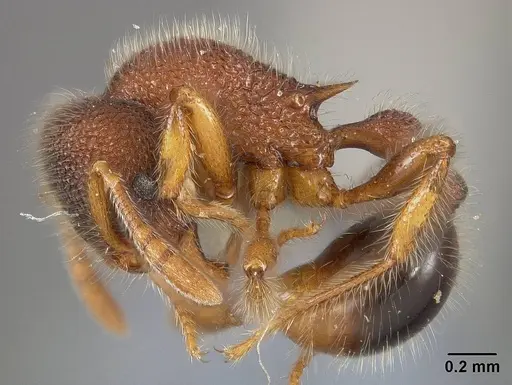
Rogeria blanda is a small, cryptic ant species that is not commonly encountered, often found in the leaf litter and rotten wood of tropical forests. These ants are generally medium to dark brown with lighter appendages. Workers have distinctly visible eyes, and their bodies are covered with long, fine, erect hairs, giving them a soft appearance. Their gaster's terminal segments are rotated ventrally. This species is part of a genus where much of their biology remains a mystery to researchers, making them a fascinating subject for dedicated antkeepers.
- Difficulty: Hard
- Origin & Habitat: Southern Central America (e.g., Costa Rica, Panama, Colombia) and South America east of the Andes to southern Brazil (e.g., Peru, Brazil, Ecuador, French Guiana, Guyana, Suriname, Trinidad and Tobago). in Moist lowland tropical forests, primary or secondary forests, coffee or cacao plantations, and disturbed sites. They are typically found nesting in rotten logs, under loose bark, or in cacao tree trunks..
- Colony Type: Monogyne, claustral founding.
- Size & Growth:
- Queen: Not specified
- Worker: 0.87-1.15mm
- Colony: Small (hundreds). Slow - Their development is slow, especially in the early stages, as the queen does all the work. Once a decent worker count is reached, growth may accelerate. growth.
- Antkeeping:
- Temperature: Keep temperatures between 24-28°C (75-82°F). As a tropical species, they thrive in warmer conditions. Consistent temperature is important for brood development..
- Humidity: Maintain high humidity, around 70-90%. This can be achieved by keeping a portion of their nest moist or providing a constant water source. Proper ventilation is also crucial to prevent mold..
- Diapause: Not required. Not specified at Not specified.
- Nesting: These ants prefer nesting in rotten wood or under loose bark. For captive setups, naturalistic setups replicating these conditions, such as ytong nests with high moisture gradients or acrylic nests with organic inserts, would be ideal..
- Behavior: Low (towards handler, but will defend colony if threatened) aggressiveness.
- Common Issues: Mold in nest, Mites, Colony stalling due to stress, Humidity fluctuations, Lack of hiding spots, Escape risk due to small size.
Keeping Rogeria blanda in a home formicarium presents a unique challenge, as very little is documented about their specific needs in captivity. They are cryptic ants, meaning they often hide and are not always visible. Their natural habitat points to a strong preference for decaying wood and leaf litter, so replicating this environment with appropriate substrate and hiding spots is key to their well-being. This will allow them to feel secure and exhibit more natural behaviors. Remember, patience is a virtue with slow-growing species like these.
Humidity control is paramount for Rogeria blanda. Hailing from moist tropical forests, these ants require consistently high humidity levels to thrive and for their brood to develop properly. However, maintaining high humidity without proper ventilation can quickly lead to mold growth, which is detrimental to any ant colony's health. Consider nests with good hydration systems and ensure adequate airflow in their outworld to strike this delicate balance.
Their diet in the wild is omnivorous, likely consisting of small invertebrates and sweet substances. In captivity, a varied diet of small feeder insects like fruit flies or pre-killed mealworms, along with sugar water or honey-dew, will be essential. Observe your colony closely to determine their preferred food sources and adjust accordingly. Providing a diverse food selection mimics their natural foraging behavior and ensures they receive all necessary nutrients.
Due to their small size and cryptic nature, Rogeria blanda can be quite escape-prone. Ensuring your formicarium is escape-proof is vital to prevent them from vanishing into your home. This might involve using fluon barriers, tight-fitting lids, or fine mesh over ventilation holes. Regularly inspect your setup for any potential escape routes, as a tiny crack is all a small ant needs to disappear.
Frequently Asked Questions
What is the best type of formicarium for Rogeria blanda?
Rogeria blanda thrives in setups that mimic their natural rotten wood and leaf litter habitats. Ytong nests with good hydration, acrylic nests with organic inserts, or even naturalistic setups within a terrarium can work well. The key is to provide stable humidity and plenty of hiding spots.
How often should I feed my Rogeria blanda colony?
For a small colony of Rogeria blanda, start by offering food every 2-3 days. Observe how quickly they consume it. If they finish it all within a day, you can increase the frequency; if food is left uneaten, reduce it. A varied diet of protein (small insects) and carbohydrates (sugar water/honey-dew) is crucial.
Do Rogeria blanda queens need a special founding setup?
Like many claustral queens, Rogeria blanda queens will do best in a dark, quiet test tube setup initially. This provides the ideal enclosed space with stable humidity for them to lay eggs and raise their first workers without disturbance. Avoid excessive light and vibrations during this crucial founding stage.
Are Rogeria blanda difficult to keep for beginners?
Yes, Rogeria blanda are considered a 'Hard' difficulty species. Their cryptic nature, specific humidity requirements, and the limited information available on their captive care make them more suitable for experienced antkeepers. Beginners are generally advised to start with more robust and well-documented species.
What kind of protein do Rogeria blanda eat?
Rogeria blanda are omnivores, and in captivity, they will readily accept small feeder insects such as fruit flies, small roaches, or even pieces of mealworms. Always ensure any feeder insects are captive-bred to avoid introducing pesticides or diseases to your colony.
Do Rogeria blanda sting?
Yes, Rogeria blanda workers possess a sting. While generally not aggressive towards handlers unless provoked or the colony is threatened, caution should always be exercised. Their sting is likely to be minor, but individual reactions can vary.
How large do Rogeria blanda colonies get?
Rogeria blanda colonies are estimated to reach a small size, likely in the hundreds of individuals. Their growth rate is known to be slow, especially in the early stages of colony development.
Do Rogeria blanda require diapause (hibernation)?
No, as a tropical species, Rogeria blanda does not require diapause. They originate from warm, humid environments year-round and should be kept at stable temperatures without a cooling period.
What are common signs of stress in a Rogeria blanda colony?
Signs of stress can include a queen eating her eggs, workers becoming lethargic, increased mortality, or a complete halt in brood development. These can often be attributed to improper humidity, temperature fluctuations, too much light, or excessive vibrations.
How can I prevent mold in my Rogeria blanda nest?
To prevent mold, ensure good ventilation in the outworld and that only a specific portion of the nest is kept moist, allowing for a humidity gradient. Regularly remove uneaten food and waste from the outworld. Some antkeepers also use small amounts of springtails in their setups as a clean-up crew.
Where can I find Rogeria blanda queens for sale?
Rogeria blanda are not commonly available in the antkeeping hobby due to their cryptic nature and specialized care. You might occasionally find them from specialized exotic ant dealers, but they are not a typical beginner species. It's always best to research the vendor's reputation thoroughly before purchasing.

This caresheet is licensed under CC BY-SA 4.0 .
Literature
Loading...Loading products...