

Rhytidoponera wilsoni
- Scientific Name
- Rhytidoponera wilsoni
- Tribe
- Ectatommini
- Subfamily
- Ectatomminae
- Author
- Brown, 1958
- Distribution
- Found in 1 countries
Rhytidoponera wilsoni Overview
Rhytidoponera wilsoni is an ant species of the genus Rhytidoponera. It is primarily documented in 1 countries , including New Caledonia. Detailed taxonomic data and occurrence records can be further explored via authoritative databases such as AntWeb or the Global Biodiversity Information Facility (GBIF).
Rhytidoponera wilsoni
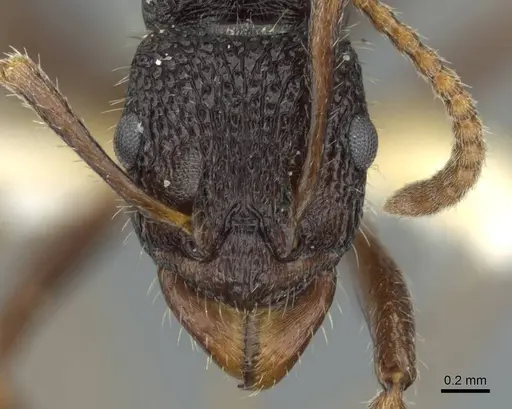
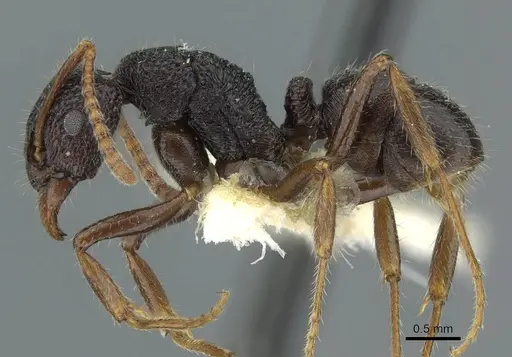
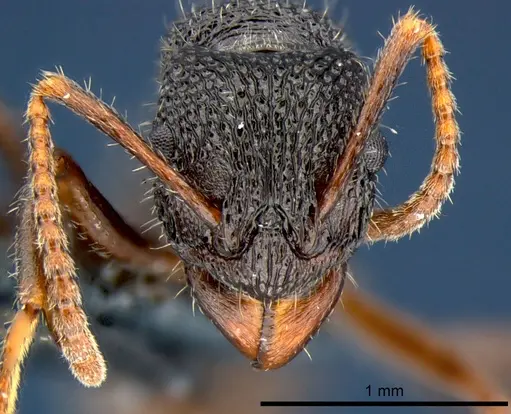
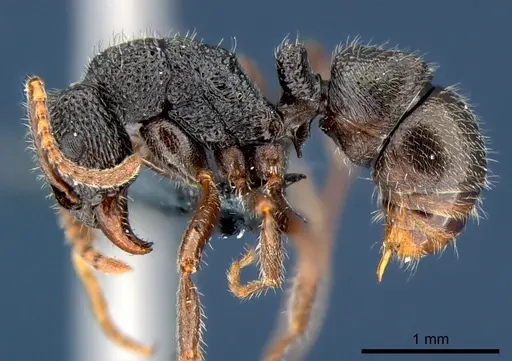
Rhytidoponera wilsoni is a small, dark ant species native to New Caledonia, an island in the southwestern Pacific. Workers measure around 5.2mm and have a distinctive appearance with a very dark, nearly black body and orange-brown legs, mandibles, and antennae. The head has a broadly concave occipital margin, and the petiolar node is notably compressed from front to back. These ants are diurnal foragers, meaning they actively search for food during daylight hours, moving across foliage and over rocks on the forest floor [1].
This species was described by Brown in 1958 and named after the legendary myrmecologist E.O. Wilson, who collected the type specimens on Mount Mou in New Caledonia. The species is closely related to Rhytidoponera numeensis but can be distinguished by its more strongly compressed petiolar node and coarser body sculpture. In their natural habitat, colonies nest beneath stones and in leaf litter, making them a forest floor species that thrives in humid, shaded environments [1].
Quick Summary
- Difficulty: Medium
- Origin & Habitat: New Caledonia, a tropical island in the southwestern Pacific. Workers have been collected from forest floor habitats at elevations between 90-400 meters, typically foraging on foliage and over rocks during daylight hours. Nests are found beneath stones and in leaf litter berlesates [1].
- Colony Type: Colony structure is unconfirmed. Based on related Rhytidoponera species, they likely form single-queen colonies (monogyne), though this has not been directly documented for this specific species.
- Size & Growth:
- Queen: Unconfirmed, no queen specimens have been described in the available literature
- Worker: Approximately 5.2mm total length [1]
- Colony: Unknown, no colony size data available for this species
- Growth: Moderate, inferred from related Rhytidoponera species
- Development: Estimated 6-10 weeks based on typical Rhytidoponera development patterns at tropical temperatures (Development time is estimated based on genus-level data, specific timing for this species has not been documented)
- Antkeeping:
- Temperature: Keep at 22-26°C. As a tropical species from New Caledonia, they prefer warm conditions. A gentle temperature gradient allows workers to self-regulate.
- Humidity: High humidity is essential, aim for 70-85%. These forest floor ants from damp leaf litter need consistently moist substrate. Keep the nest substrate damp but not waterlogged, with some drier areas available for the ants to choose [1].
- Diapause: Unlikely, New Caledonia has a mild tropical climate with no true winter. However, they may show reduced activity during cooler months.
- Nesting: Provide a humid nest setup such as a Y-tong (AAC) nest, plaster nest, or naturalistic setup with soil and leaf litter. They naturally nest under stones and in decaying organic matter, so a substrate that retains moisture well is essential. Avoid dry, airy setups.
- Behavior: Rhytidoponera wilsoni is a diurnal species, they actively forage during daylight hours, both on vegetation and across the forest floor. Workers are likely predatory or omnivorous, hunting small invertebrates. They are not known to be particularly aggressive toward keepers but may defend their nest if threatened. As an Ectatomminae species, they possess a functional stinger for defense. Escape prevention is important as they are active foragers, ensure enclosures have secure barriers. Their small to medium size (5.2mm) means standard ant keeping barriers are usually adequate, but vigilance is still recommended [1].
- Common Issues: humidity management is critical, too dry and colonies will fail, but too wet can cause mold issues, wild-caught colonies may harbor parasites or pathogens from their native habitat, tropical species may struggle in cooler climates without supplemental heating, diurnal foraging means they need consistent light cycles, irregular lighting may disrupt their activity patterns, slow colony establishment due to unknown development time can lead to keeper impatience and overfeeding
Housing and Nest Setup
For Rhytidoponera wilsoni, you'll want a humid nest setup that mimics their natural forest floor habitat. A Y-tong (AAC) nest or plaster nest works well because these materials hold moisture consistently. Alternatively, a naturalistic setup with a soil substrate and some leaf litter on top creates a more natural environment. Keep the nest area humid, the substrate should feel damp to the touch. Place the nest in a location with indirect lighting, as these diurnal ants are active during daylight but don't need direct sunlight. The outworld can be decorated with small rocks, moss, and additional leaf litter to encourage natural foraging behavior. Make sure there's enough vertical space for workers to climb on foliage if they want to, since they naturally forage on plants [1].
Feeding and Diet
Rhytidoponera species are typically predatory or omnivorous, feeding on small invertebrates they find on the forest floor and vegetation. In captivity, offer a varied diet including small live prey like fruit flies, pinhead crickets, and other tiny arthropods. They will likely accept protein-rich foods like small pieces of mealworm or cricket. Sugar sources are also important, offer honey water or sugar water regularly. Since they forage during the day, place food items in the outworld during daylight hours to match their natural activity patterns. Remove uneaten prey after 24-48 hours to prevent mold. Feed every 2-3 days, adjusting based on colony size and appetite. A well-fed colony will have workers actively patrolling the outworld during daylight hours.
Temperature and Seasonal Care
As a tropical species from New Caledonia, Rhytidoponera wilsoni needs warm temperatures to thrive. Keep the nest area between 22-26°C consistently. Use a heating cable or mat on one side of the nest to create a gentle temperature gradient, this allows ants to move between warmer and cooler areas as needed. Avoid temperatures below 20°C for extended periods, as this species is not adapted to cool conditions. New Caledonia has a mild tropical climate without harsh winters, so true hibernation is not necessary. However, you may notice reduced activity during the cooler months, this is normal and you can slightly reduce feeding during these periods. Maintain stable temperatures rather than allowing big fluctuations, as tropical ants are sensitive to sudden changes.
Behavior and Observation
One of the most interesting aspects of keeping Rhytidoponera wilsoni is observing their diurnal foraging behavior. Unlike many ant species that are nocturnal or crepuscular, these ants are active during daylight hours, making them particularly engaging to watch. Workers search for food both on the ground and up on vegetation, showing versatile foraging strategies. They are likely moderate foragers rather than extreme raiders, systematically exploring their territory. When threatened, they may use their stinger for defense, Ectatomminae ants possess functional stingers, so handle with appropriate caution. The colony will establish foraging trails and workers will communicate the location of food sources to nestmates. Watching a colony establish and expand its foraging range over time is rewarding for antkeepers [1].
Colony Establishment
Starting a colony of Rhytidoponera wilsoni requires patience, as with most ant species. If you obtain a founding queen, she will likely seal herself in a chamber (claustral founding) and raise her first brood alone using stored energy reserves. The first workers, called nanitics, will be smaller than mature workers and may take 6-10 weeks to emerge depending on temperature. Once workers arrive, the colony enters a growth phase where brood production increases. Wild-caught colonies may take time to adjust to captive conditions and may show stress behaviors initially. Monitor for signs of health such as consistent foraging activity, brood development, and worker presence. A healthy established colony will show workers actively patrolling the outworld during daylight hours. Avoid disturbing the nest too often during the founding stage, queens need peace to raise their first brood.
Frequently Asked Questions
How long does it take for Rhytidoponera wilsoni to produce first workers?
Based on typical Rhytidoponera development patterns, expect 6-10 weeks from egg to first worker at optimal temperatures (22-26°C). The exact timing for this species has not been documented, so this is an estimate. Factors like temperature, humidity, and nutrition can affect development speed. Be patient during the founding stage, disturbing the queen too often can cause her to abandon or eat her brood.
Can I keep Rhytidoponera wilsoni in a test tube setup?
A test tube can work for a founding queen, but you will need to upgrade to a more substantial nest as the colony grows. Test tubes dry out quickly, and this species requires high humidity. A Y-tong or plaster nest that holds moisture better is more suitable for established colonies. If using a test tube for founding, monitor humidity closely and transfer to a proper nest once the colony reaches 10-15 workers.
Do Rhytidoponera wilsoni ants sting?
Yes, Rhytidoponera wilsoni belongs to the subfamily Ectatomminae, which includes ants with functional stingers. While they are not typically aggressive toward keepers, they may sting if they feel threatened or if their nest is disturbed. The sting is not considered dangerous to healthy humans but may cause mild irritation. Handle with care and avoid provoking the colony.
What temperature do Rhytidoponera wilsoni need?
Keep them at 22-26°C consistently. As a tropical species from New Caledonia, they prefer warm conditions and will be less active below 20°C. Use a heating cable on one side of the nest to create a gentle gradient, allowing workers to regulate their own temperature by moving between warmer and cooler areas. Avoid temperature fluctuations and cold drafts.
How often should I feed Rhytidoponera wilsoni?
Feed every 2-3 days with a mix of protein and sugar sources. Offer small live prey (fruit flies, tiny crickets) or protein-rich foods like mealworm pieces. Provide sugar water or honey water constantly, change it every few days. Remove uneaten food after 24-48 hours to prevent mold. Adjust frequency based on colony size and appetite, a hungry colony will eagerly swarm food items.
Are Rhytidoponera wilsoni good for beginners?
This species is rated as medium difficulty. While not the easiest species for beginners, they can be kept successfully by antkeepers who have already established at least one colony. The main challenges are maintaining high humidity and providing appropriate tropical temperatures. If you have experience with humidity-dependent species and can provide warm conditions year-round, this can be a rewarding species to keep.
Do Rhytidoponera wilsoni need hibernation?
No, hibernation is not required. New Caledonia has a mild tropical climate without true winter. However, you may notice reduced activity during cooler months, which is normal. Simply maintain stable temperatures above 20°C year-round and adjust feeding slightly if the colony shows less interest in food during cooler periods.
Why are my Rhytidoponera wilsoni not foraging during the day?
This species is naturally diurnal, so if they are not active during daylight, there may be an issue. Check that temperatures are in the 22-26°C range, they become sluggish when too cool. Ensure humidity is adequate (70-85%), too dry causes stress. Make sure the colony has established and is not in crisis. Also verify that lighting in the room follows normal day-night cycles, as artificial lighting at odd hours may confuse their rhythms.
How big do Rhytidoponera wilsoni colonies get?
The maximum colony size for this specific species is unknown. Based on similar Rhytidoponera species, colonies likely reach several hundred workers. Growth is moderate, expect the colony to expand gradually over several years. A well-established colony will have distinct castes and show regular foraging activity. Patience is key, as tropical forest floor species often grow more slowly than some other ant species.
References

This caresheet is licensed under CC BY-SA 4.0 .
CASENT0911235
View on AntWeb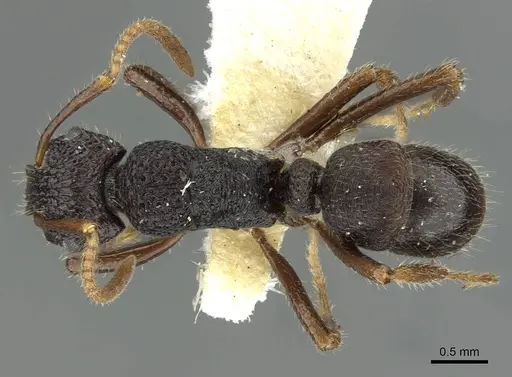
CSIRONC0121
View on AntWeb
Literature
Loading...Loading products...