

Rhytidoponera versicolor
- Scientific Name
- Rhytidoponera versicolor
- Tribe
- Ectatommini
- Subfamily
- Ectatomminae
- Author
- Brown, 1958
- Distribution
- Found in 1 countries
Rhytidoponera versicolor Overview
Rhytidoponera versicolor is an ant species of the genus Rhytidoponera. It is primarily documented in 1 countries , including New Caledonia. Detailed taxonomic data and occurrence records can be further explored via authoritative databases such as AntWeb or the Global Biodiversity Information Facility (GBIF).
Rhytidoponera versicolor
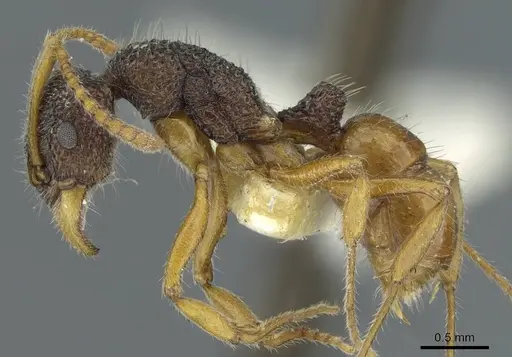
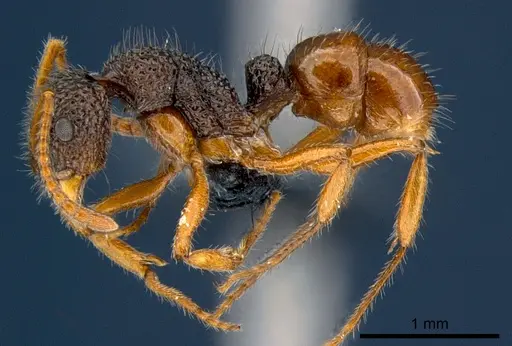
Rhytidoponera versicolor is a small ant species native to New Caledonia, an island in the South Pacific. Workers measure about 4.5mm and possess one of the most striking color patterns in the ant world, the head, mesosoma (middle body), and petiole are a deep mahogany to nearly black, while the gaster (abdomen) is a brilliant orange-yellow. This vivid contrast makes them instantly recognizable. The legs, antennae, and mandibles are clear yellow, adding to their distinctive appearance. They were first described by Brown in 1958 from specimens collected at Montagne des Sources at around 800m elevation [1].
These ants are diurnal foragers, actively hunting and scavenging during daylight hours. They are typically found foraging on vegetation at forest edges and in second-growth Araucaria forest, making them an arboreal or vegetation-foraging species rather than ground-nesters. This foraging behavior is notable because many ant species are nocturnal or ground-foraging, but R. versicolor has adapted to hunt in the daytime on plants and shrubs in the forest understory.
Quick Summary
- Difficulty: Medium
- Origin & Habitat: New Caledonia, found in highland forest areas around Montagne des Sources at 800-1000m elevation. They inhabit forest edges and second-growth Araucaria forest, foraging on vegetation during daylight hours [1][2].
- Colony Type: Colony structure is unconfirmed. Based on related species in the genus Rhytidoponera, they likely form single-queen colonies.
- Size & Growth:
- Queen: Unconfirmed, likely 5-7mm based on genus patterns
- Worker: 4.5mm
- Colony: Unknown, likely small to moderate colonies based on typical Rhytidoponera patterns
- Growth: Moderate, estimated based on genus behavior
- Development: 8-12 weeks estimated based on similar tropical Ectatomminae species (Development time is estimated as no specific study exists for this species. Tropical species typically develop faster than temperate ones.)
- Antkeeping:
- Temperature: Keep at 22-26°C. They come from a subtropical island but found at elevation in forest, so avoid extreme heat. Room temperature or slightly above is suitable.
- Humidity: Moderate to high, around 60-80%. Their forest habitat suggests they prefer humid conditions but not waterlogged substrate.
- Diapause: Unlikely, New Caledonia has a mild tropical climate with no true winter. They may show slight reduced activity in cooler months but do not require hibernation.
- Nesting: Based on their foraging behavior on vegetation, they likely nest in soil, under rocks, or in decaying wood in forest settings. A naturalistic setup with soil substrate and some vertical climbing space works well. They may also accept acrylic nests with good humidity control.
- Behavior: R. versicolor is a diurnal forager, active during daylight hours. They forage on vegetation and are likely predators or scavengers, hunting small invertebrates. They have a functional stinger as members of the Ectatomminae subfamily, so they can defend themselves if threatened. Their small size and striking colors make them visually distinctive. They are likely moderately aggressive when defending their colony but not overly territorial. Escape prevention is important given their small size, use tight-fitting lids and appropriate barriers.
- Common Issues: small size makes escape likely without proper barriers, humidity control is important, too dry causes stress, limited information means care is based on genus patterns rather than species-specific studies, wild-caught colonies may carry parasites, diurnal foraging means they need lighting cycles, darkness at night is important
Housing and Nest Setup
R. versicolor is best kept in a naturalistic setup that mimics their forest edge habitat. Use a terrarium-style enclosure with soil or coconut fiber as substrate, ensuring it stays moderately humid. Since they forage on vegetation, include some plants, twigs, or branches they can climb on. This satisfies their natural arboreal foraging behavior. Alternatively, a well-humidified acrylic nest works if you provide foraging areas with climbing structures. They are small ants, so ensure any connections between nest and outworld are appropriately sized. Use a test tube setup for founding colonies, transitioning to a larger formicarium once the colony reaches 20-30 workers. [1][2]
Feeding and Diet
As a diurnal forager on vegetation, R. versicolor likely preys on small invertebrates. Offer small live prey like fruit flies, pinhead crickets, and small mealworms. They may also accept sugar sources like honey water or sugar water, especially once workers are established. Feed protein-rich foods 2-3 times per week, with sugar constantly available. Remove uneaten prey within 24 hours to prevent mold. Since they forage in the daytime, offer food during daylight hours when they are naturally active. [2]
Temperature and Humidity
Maintain temperatures between 22-26°C. They come from elevated forest in New Caledonia, which has a mild subtropical climate, so they do not need high heat. Room temperature is often suitable. Keep humidity in the 60-80% range, their forest habitat is humid but not swampy. Use a water reservoir or misting to maintain humidity, but ensure good ventilation to prevent mold. Avoid temperatures below 18°C or above 30°C. They do not require hibernation or diapause due to the tropical climate of their home range. [1]
Behavior and Colony Dynamics
R. versicolor is a diurnal species, active during daylight hours unlike many ants that forage at night. Workers forage on vegetation, climbing plants and shrubs to hunt prey or scavenge. They have a functional stinger for defense, typical of the Ectatomminae subfamily. Colonies likely start with a single queen and grow gradually. Workers are small at 4.5mm but show distinctive coloring, dark mahogany body with bright orange-yellow gaster. The colony should be handled gently as rough treatment can cause them to panic and potentially sting. [1][2]
Frequently Asked Questions
How long does it take for Rhytidoponera versicolor to produce first workers?
The exact timeline is unconfirmed for this species, but based on similar tropical Ectatomminae species, expect first workers in approximately 8-12 weeks after the queen lays eggs. This assumes optimal temperature (22-26°C) and humidity. Founding colonies can be slow to develop, so patience is key.
Can I keep Rhytidoponera versicolor in a test tube setup?
Yes, test tubes work well for founding colonies. Use a standard test tube setup with a water reservoir, keeping it humid but not flooded. Once the colony reaches 20-30 workers, consider moving to a larger formicarium with foraging space and climbing structures to accommodate their vegetation-foraging behavior.
Do Rhytidoponera versicolor ants sting?
Yes, they can sting. As members of the Ectatomminae subfamily, they have a functional stinger. The sting is not particularly dangerous to humans but can cause mild pain and irritation. They are not aggressive but will defend if threatened or their nest is disturbed.
What do Rhytidoponera versicolor ants eat?
They are predators and scavengers. Feed small live prey like fruit flies, small crickets, and mealworms. They likely accept sugar sources like honey water once established. Offer protein 2-3 times per week with sugar constantly available. They forage during daylight, so feed during day hours.
Do Rhytidoponera versicolor need hibernation?
No, they do not require hibernation. They come from New Caledonia, which has a mild subtropical climate with no true winter. They may show slightly reduced activity in cooler months but no special winter care is needed. Simply maintain normal temperatures year-round.
Are Rhytidoponera versicolor good for beginners?
They are rated as medium difficulty. While not the easiest species, they are manageable for keepers with some experience. The main challenges are their small size (escape prevention), specific humidity needs, and limited available care information since they are not commonly kept. Beginners should ensure they can maintain proper humidity and temperature before attempting this species.
How big do Rhytidoponera versicolor colonies get?
Colony size is not well documented, but based on typical Rhytidoponera patterns, colonies likely reach several hundred workers at most. They are not among the largest ant species. Growth is moderate, expect several months to reach significant colony sizes.
Why is my Rhytidoponera versicolor colony dying?
Common causes include: too low humidity (keep substrate damp), temperature extremes (keep between 22-26°C), improper feeding (they need live protein), or stress from disturbance. Their small size also makes them vulnerable. Ensure excellent escape prevention and minimal nest disturbance. Wild-caught colonies may carry parasites that can cause colony decline.
When should I move my colony to a formicarium?
Move from test tube to formicarium when the colony reaches 20-30 workers and the test tube is becoming crowded. Since they forage on vegetation, choose a setup that includes climbing structures or plants. A naturalistic terrarium works well for this species.
Can I keep multiple queens together?
Combining unrelated queens has not been documented for this species. Based on typical Rhytidoponera behavior, they likely form single-queen colonies. It is not recommended to house multiple unrelated queens together as they may fight. Start with one queen per colony.
References

This caresheet is licensed under CC BY-SA 4.0 .
CASENT0281328
View on AntWeb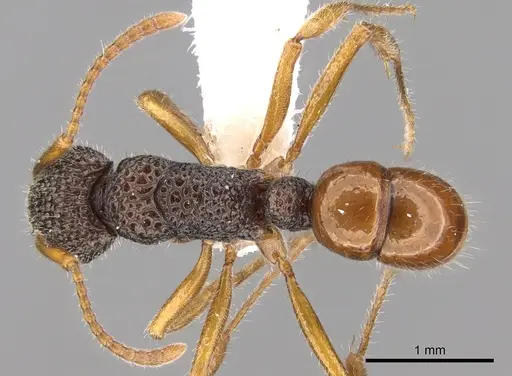
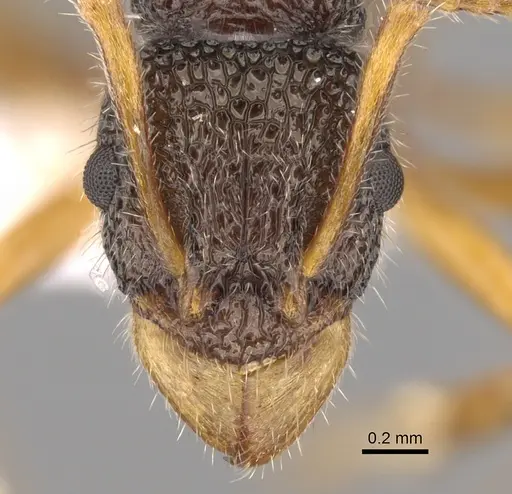
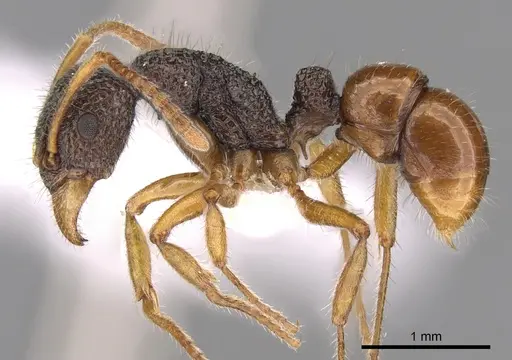
CASENT0281833
View on AntWeb


CASENT0911232
View on AntWeb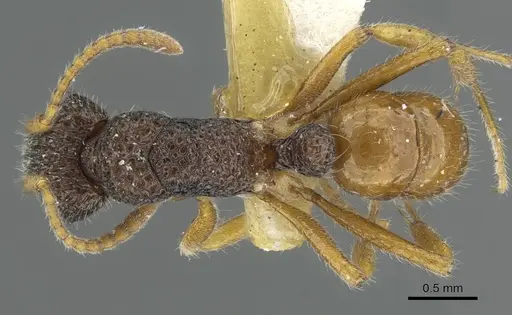

CSIRONC0118
View on AntWeb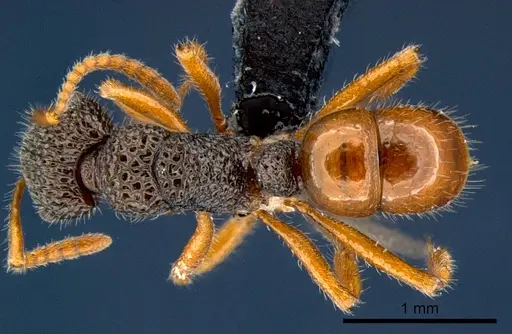

Literature
Loading...Loading products...