

Rhytidoponera tyloxys
- Scientific Name
- Rhytidoponera tyloxys
- Tribe
- Ectatommini
- Subfamily
- Ectatomminae
- Author
- Brown, 1958
- Distribution
- Found in 1 countries
Rhytidoponera tyloxys Overview
Rhytidoponera tyloxys is an ant species of the genus Rhytidoponera. It is primarily documented in 1 countries , including Australia. Detailed taxonomic data and occurrence records can be further explored via authoritative databases such as AntWeb or the Global Biodiversity Information Facility (GBIF).
Rhytidoponera tyloxys
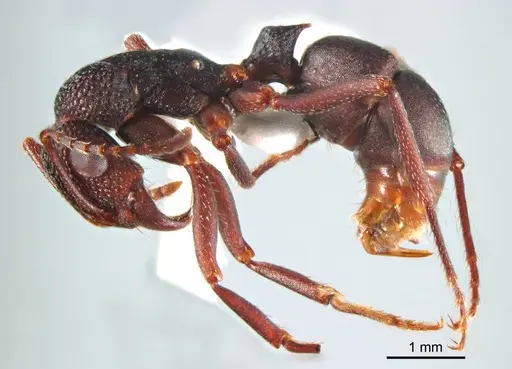
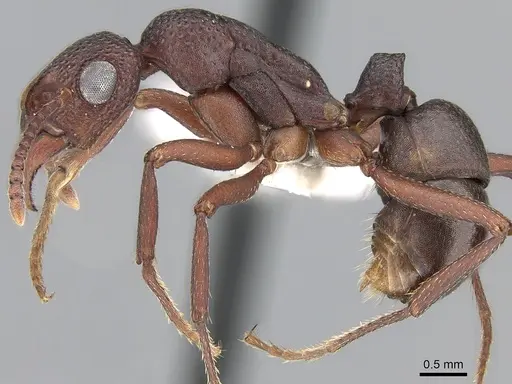
Rhytidoponera tyloxys is a distinctive Australian ant species native to Western Australia's arid and semi-arid regions. Workers are highly recognizable by their unique petiolar node, it forms a sharp spur or tooth pointing backward, unlike most ants. This species is potentially a specialist predator, which sets it apart from most other Rhytidoponera that are generalist predators [1][2]. The hind tibial spur is also highly reduced and difficult to distinguish from surrounding spines [3]. Found throughout the northern arid zone and semi-arid tropics of Australia, these ants represent a specialized lineage that may actually consist of multiple closely related species [2].
Quick Summary
- Difficulty: Medium
- Origin & Habitat: Western Australia, found in the extreme north and eastern fringes of the Southwest Botanical Province. Inhabits arid to semi-arid tropical regions throughout northern Australia [2][4].
- Colony Type: Colony structure is unconfirmed. Based on typical Rhytidoponera patterns, likely single-queen colonies, though this has not been directly documented.
- Size & Growth:
- Queen: Estimated 7-9mm based on genus typical sizes
- Worker: Estimated 5-7mm based on genus typical sizes
- Colony: Likely moderate colonies, estimated under 500 workers based on similar arid-zone ants
- Growth: Moderate, estimated based on related species
- Development: Estimated 6-10 weeks at optimal temperature based on related Ectatomminae species (Direct development data unavailable, estimates based on genus-level patterns for Ectatomminae in arid habitats)
- Antkeeping:
- Temperature: Keep at 24-28°C, these are arid-adapted ants from warm northern Australia. A temperature gradient allowing warmer and cooler areas is recommended.
- Humidity: Low to moderate humidity, these ants come from arid regions. Keep nest substrate relatively dry, similar to their natural arid habitat. Provide a shallow water source but avoid damp conditions.
- Diapause: Likely minimal or no true diapause, these ants are adapted to arid conditions where winters remain mild. However, a slight cooling period during winter months may be beneficial.
- Nesting: Natural nesting occurs in soil, often under stones in arid environments. In captivity, a dry naturalistic setup with sandy substrate and flat stones works well. Y-tong nests with dry conditions are also suitable.
- Behavior: These ants are predatory specialists, actively hunting small invertebrates rather than scavenging like many ants. They are likely moderately aggressive when defending their nest or prey. Their distinctive petiolar spur may serve a defensive function. Escape prevention is important though they are not among the smallest ants, standard barriers should suffice. Workers likely forage individually rather than in groups.
- Common Issues: specialized diet requirements, may need live prey rather than just scavenged protein, dry habitat needs, risk of killing colonies if kept too damp, limited availability, rarely available in antkeeping trade, possible species complex, may contain multiple cryptic species with different care needs, slow colony growth compared to tropical species
Origin and Natural Habitat
Rhytidoponera tyloxys originates from Western Australia, specifically found in the extreme north and eastern fringes of the Southwest Botanical Province [2]. These ants inhabit the northern arid zone and semi-arid tropics of Australia [4]. Their habitat is characterized by hot, dry conditions with variable rainfall. The species has also been documented on Barrow Island off the Western Australian coast, where it appears in multiple survey records across different sampling sites [5]. The distinctive sharp spur on the petiolar node is a key identifying feature that separates this species from other Rhytidoponera [3].
Identification and Distinguishing Features
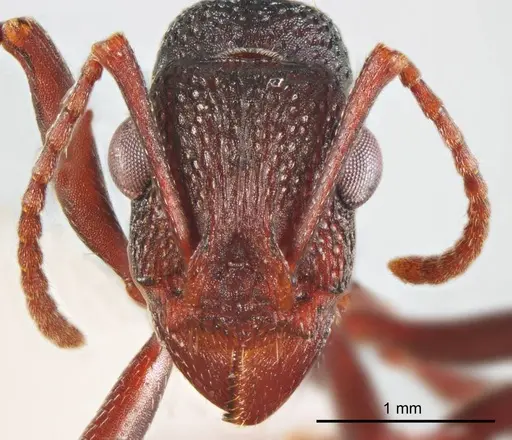
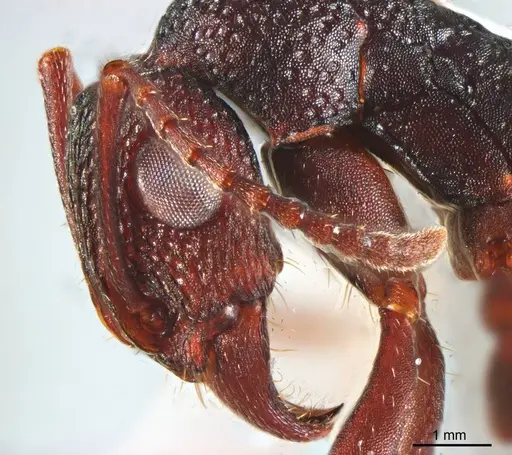
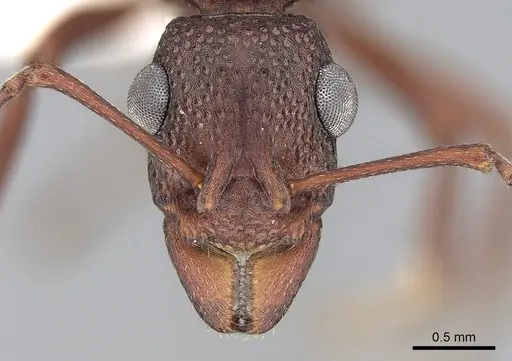
R. tyloxys is unmistakable among Australian ants due to its unique petiolar structure. The node is produced as a sharp spur or tooth directed posteriad, this means it sticks out backward like a small spine [2]. The hind tibial spur is highly reduced and difficult to distinguish from surrounding spines [3]. Some researchers believe this species may actually consist of a complex of two or more closely related species [2], which could mean different populations may have slightly different care requirements. Workers are medium-sized ants typical of the genus Rhytidoponera.
Feeding and Diet
Unlike most Rhytidoponera which are generalist predators, R. tyloxys appears to be a specialist predator [1][2]. This means they likely focus on hunting specific types of prey rather than scavenging various protein sources. In captivity, you should prioritize offering small live prey such as fruit flies, small crickets, and other tiny invertebrates. They may accept pre-killed prey, but live prey is likely preferred given their predatory specialization. A constant sugar source (honey or sugar water) should also be available, though their primary nutrition likely comes from prey items. This specialized diet makes them more challenging to keep than generalist ant species.
Temperature and Housing
As ants from arid northern Australia, R. tyloxys prefers warmer temperatures in the range of 24-28°C. They can tolerate higher temperatures than most temperate species due to their arid adaptation. A temperature gradient within the nest allows workers to self-regulate their body temperature. For humidity, keep conditions relatively dry, these are not high-humidity ants. The nest substrate should be allowed to dry between waterings, with only a small water reservoir for drinking. Good ventilation is important to prevent mold growth, which can quickly kill colonies in dry-adapted species. Use a test tube setup with a cotton-plugged water reservoir, or a small naturalistic setup with sandy substrate.
Colony Behavior and Defense
The distinctive petiolar spur that makes this species so identifiable may also serve a defensive purpose. Combined with their predatory nature, these ants are likely moderately aggressive when threatened. Workers are active foragers that hunt individually rather than in groups. They do not form large supercolonies, so colony defense falls to the workers themselves. The sharp petiolar spine could help ward off predators or rival ants. When keeping this species, provide adequate space for foraging and ensure escape prevention is in place, though they are not particularly small or prone to escaping like some tiny ant species.
Frequently Asked Questions
Is Rhytidoponera tyloxys a good beginner ant?
No, R. tyloxys is not ideal for beginners. They are considered specialist predators requiring live prey rather than easily fed scavenged protein. They also have specific humidity requirements, preferring dry conditions unlike many beginner species. Additionally, they are rarely available in the antkeeping trade.
What do Rhytidoponera tyloxys ants eat?
As specialist predators, they need live small invertebrates like fruit flies, pinhead crickets, and other tiny arthropods. Unlike generalist ants that readily accept dead protein, these ants likely prefer hunting live prey. A sugar source like honey water should also be available.
How big do Rhytidoponera tyloxys colonies get?
Colony size is estimated at several hundred workers based on similar arid-zone Rhytidoponera species. They are not among the largest ant species, but colonies can still reach moderate sizes over several years.
Do Rhytidoponera tyloxys ants sting?
Yes, as members of the subfamily Ectatomminae (not Formicinae or Dolichoderinae), they have functional stingers. However, their sting is not considered medically significant and is primarily used for subduing prey.
What temperature do Rhytidoponera tyloxys need?
Keep them at 24-28°C. These arid-adapted ants from northern Australia prefer warm conditions and can tolerate temperatures that would stress many temperate species.
Do Rhytidoponera tyloxys need hibernation?
Likely no true hibernation is required. These ants come from arid regions where winters remain mild. A slight cooling period during winter may be beneficial but is not necessary for colony survival.
How long does it take for Rhytidoponera tyloxys to produce first workers?
Estimated 6-10 weeks from egg to worker at optimal temperature, based on related Ectatomminae species. Actual development time may vary and has not been directly documented for this species.
References

This caresheet is licensed under CC BY-SA 4.0 .
ANTWEB1008715
View on AntWeb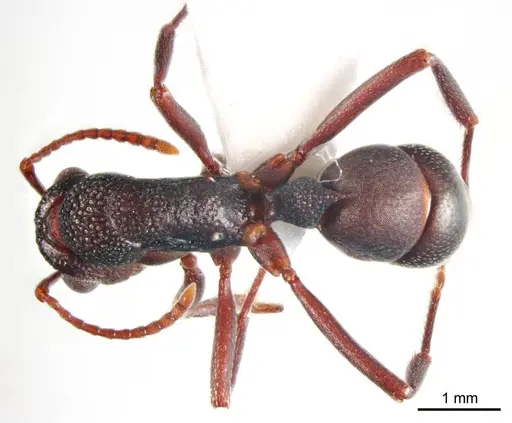
CASENT0281274
View on AntWeb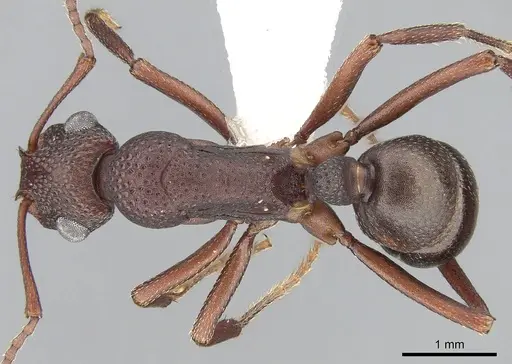
Literature
Loading...Loading products...