

Rhytidoponera turneri
- Scientific Name
- Rhytidoponera turneri
- Tribe
- Ectatommini
- Subfamily
- Ectatomminae
- Author
- Forel, 1910
- Distribution
- Found in 1 countries
Rhytidoponera turneri Overview
Rhytidoponera turneri is an ant species of the genus Rhytidoponera. It is primarily documented in 1 countries , including Australia. Detailed taxonomic data and occurrence records can be further explored via authoritative databases such as AntWeb or the Global Biodiversity Information Facility (GBIF).
Rhytidoponera turneri
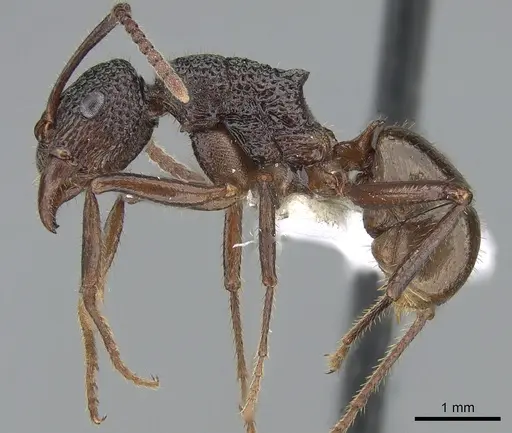
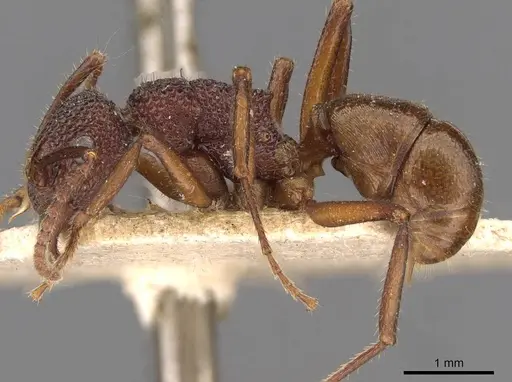
Rhytidoponera turneri is an Australian ponerine ant belonging to the subfamily Ponerinae, which means they possess a functional stinger. These ants have a distinctive morphological feature: a reflexed propodeum, which is the rear portion of their middle body section that angles downward toward the abdomen [1]. Workers are typically medium-sized ants with the robust, powerful build characteristic of Ponerinae species. The genus Rhytidoponera is endemic to Australia and nearby regions, where they occupy various terrestrial habitats as ground-nesting ants.
Quick Summary
- Difficulty: Medium
- Origin & Habitat: Australia, found across various terrestrial habitats in this region
- Colony Type: Unknown colony structure, likely single-queen colonies based on typical genus patterns
- Size & Growth:
- Queen: Unconfirmed, estimated 10-12mm based on genus
- Worker: Estimated 6-10mm based on genus
- Colony: Unknown, likely moderate colonies of several hundred workers based on related species
- Growth: Moderate, estimated based on typical Ponerinae development
- Development: Estimated 6-10 weeks at optimal temperature based on related Ponerinae species (Development timeline is inferred from genus-level data rather than species-specific studies)
- Antkeeping:
- Temperature: Aim for 22-26°C, keep warm but not hot. Use a heating cable on one side of the nest to create a gentle gradient if room temperature is below this range.
- Humidity: Moderate humidity around 50-70%. Keep the nest substrate slightly moist but allow some drying areas. These are ground-nesting ants that tolerate typical Australian dry-to-moderate conditions.
- Diapause: Likely, Australian temperate species typically require a mild winter rest period of 8-12 weeks at 10-15°C. Reduce feeding and keep them cool during this period.
- Nesting: Prefer naturalistic setups with soil or compact substrate. Y-tong (AAC) nests or plaster nests work well. They like narrow chambers and passages scaled to their size. Provide a water tube for humidity.
- Behavior: Rhytidoponera turneri is a predatory ponerine ant with a functional stinger. They are active foragers that hunt small invertebrates and arthropods. Workers are moderately aggressive when defending the colony, they will sting if threatened. Their small size means escape prevention is important, use fine mesh barriers and tight-fitting lids. They are primarily ground-dwelling and may be more active during warmer periods.
- Common Issues: stinging, they have a functional stinger and will use it if threatened or handled roughly, escape prevention, small size means they can squeeze through small gaps without proper barriers, limited specific care data, this species has not been extensively studied in captivity, so some recommendations are genus-level estimates, humidity management, too wet can cause mold, too dry can stress the colony, slow founding, like many Ponerinae, colony establishment may be slower than more common species
Appearance and Identification
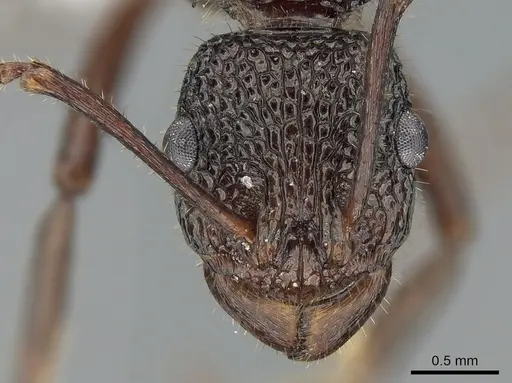
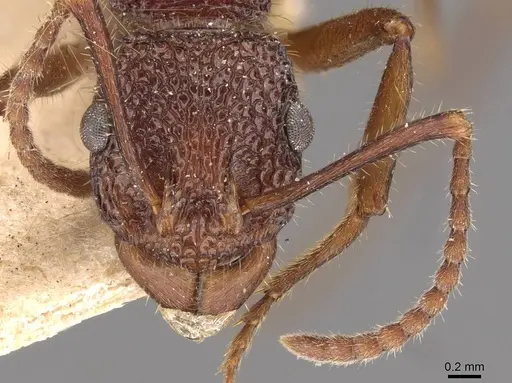
Rhytidoponera turneri is a medium-sized ponerine ant. The most distinctive feature is the reflexed propodeum, the rear portion of their thorax angles distinctly downward toward the abdomen [1]. This morphological trait helps distinguish them from other Australian ants. Workers have the robust, powerful build typical of Ponerinae, with a clearly defined mesosoma (middle section) and a relatively large gaster (abdomen). Their coloration is typically dark brown to black. As a Ponerinae species, they possess a functional stinger at the tip of their abdomen.
Housing and Nest Setup
These ants do well in naturalistic setups with a soil or compact substrate layer. A Y-tong (AAC) nest or plaster nest provides the tight chambers and passages they prefer. For the outworld (foraging area), use a simple container with a textured surface they can grip. Always use excellent escape prevention, their small size means they can squeeze through tiny gaps. Apply Fluon to the inner walls of the outworld and use fine mesh (at least 0.5mm) on any ventilation holes. Provide a water tube secured with cotton, they will drink from the meniscus.
Feeding and Diet
As predatory Ponerinae, they primarily need protein from live or frozen prey. Offer small insects like fruit flies, pinhead crickets, mealworms, and other small arthropods. They typically hunt and subdue prey with their stinger. Sugar sources may be accepted occasionally, you can offer a drop of diluted honey or sugar water, but protein should form the bulk of their diet. Feed every 2-3 days, adjusting based on colony size and consumption. Remove uneaten prey after 24 hours to prevent mold.
Temperature and Seasonal Care
Keep the nest area at 22-26°C. A heating cable placed on top of the nest (never underneath, as excessive heat dries out the nest too quickly) can create a gentle temperature gradient. Allow the colony to choose their preferred temperature within this range. For overwintering, provide an 8-12 week period at 10-15°C, this mimics their natural Australian seasonal cycle. During hibernation, reduce feeding significantly and minimize disturbance. Do not feed during the coldest weeks of diapause.
Behavior and Temperament
These are active, predatory ants with a functional stinger. Workers will forage individually for prey and can be moderately aggressive when defending the colony. If threatened, they will sting, the sting is painful but not medically significant for healthy humans. Handle with care and avoid provoking them. They are primarily crepuscular or nocturnal foragers in the wild. Colonies are typically smaller than many common ant species, so observe their interesting hunting behaviors without expecting massive worker numbers.
Frequently Asked Questions
Does Rhytidoponera turneri have a stinger?
Yes. As a member of the subfamily Ponerinae, they possess a functional stinger and will use it if threatened. The sting is painful but not medically dangerous for healthy adults. Handle with care and avoid direct handling.
How long does it take for Rhytidoponera turneri to raise first workers?
The exact timeline is unconfirmed for this species, but based on related Ponerinae, expect 6-10 weeks from egg to first worker at optimal temperature (around 24-26°C). Development is typically slower than more common ant species.
Can I keep multiple Rhytidoponera turneri queens together?
This has not been documented for this species. Based on typical genus patterns, they likely form single-queen colonies. Combining unrelated queens is not recommended without evidence they can coexist.
What do Rhytidoponera turneri ants eat?
They are predatory Ponerinae that primarily eat small invertebrates. Offer live or frozen insects like fruit flies, small crickets, mealworms, and other micro-arthropods. Sugar sources like diluted honey may occasionally be accepted but protein should be the main food.
Do Rhytidoponera turneri ants need hibernation?
Yes, they likely require a winter rest period. Provide 8-12 weeks at 10-15°C during the colder months. Reduce feeding during this period and avoid disturbing the colony. This mimics their natural Australian seasonal cycle.
Are Rhytidoponera turneri good for beginners?
This species is rated as Medium difficulty. They are less commonly kept than many ant species, and there is limited captive breeding data. They require more specific care than beginner species but are manageable for intermediate antkeepers willing to provide proper housing, escape prevention, and appropriate prey.
How big do Rhytidoponera turneri colonies get?
Colony size is unconfirmed for this specific species, but based on related species, they likely reach several hundred workers. Ponerinae colonies are typically smaller than many Myrmicinae or Formicinae species.
When should I move Rhytidoponera turneri to a formicarium?
Keep them in a test tube setup for the founding stage. Once the colony reaches 15-20 workers and the test tube's water reservoir is depleted, you can move them to a naturalistic setup or Y-tong nest. Do not disturb them during the founding stage.
Why are my Rhytidoponera turneri dying?
Common causes include: improper humidity (too wet causes mold, too dry stresses them), temperature extremes, poor escape prevention, or inadequate nutrition. Ensure you are providing appropriate prey and maintaining proper substrate moisture. Also ensure they have a quiet, undisturbed location.
References

This caresheet is licensed under CC BY-SA 4.0 .
CASENT0281270
View on AntWeb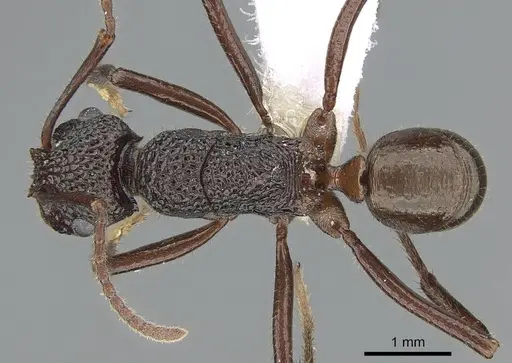
CASENT0907163
View on AntWeb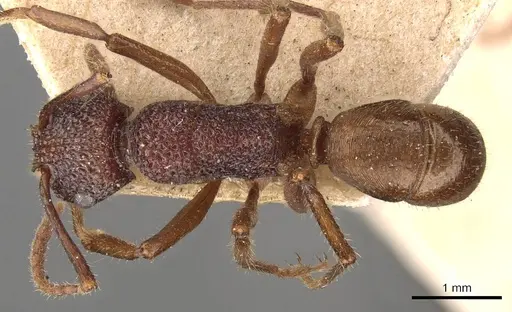
Literature
Loading...Loading products...