

Rhytidoponera tenuis
- Scientific Name
- Rhytidoponera tenuis
- Tribe
- Ectatommini
- Subfamily
- Ectatomminae
- Author
- Forel, 1900
- Distribution
- Found in 1 countries
Rhytidoponera tenuis Overview
Rhytidoponera tenuis is an ant species of the genus Rhytidoponera. It is primarily documented in 1 countries , including Australia. Detailed taxonomic data and occurrence records can be further explored via authoritative databases such as AntWeb or the Global Biodiversity Information Facility (GBIF).
Rhytidoponera tenuis
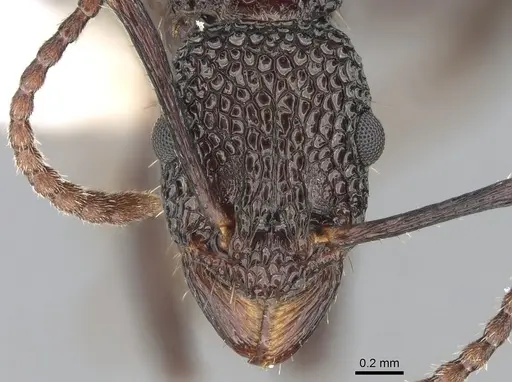
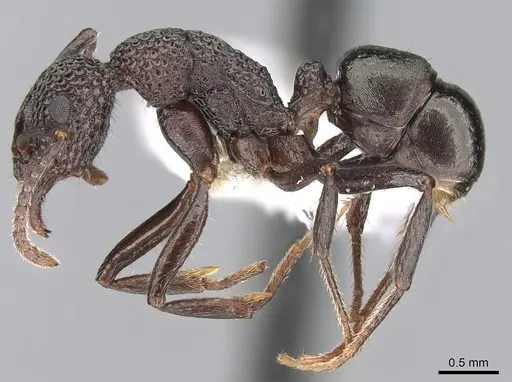
Rhytidoponera tenuis is a small, slim ant species native to the tropical and subtropical regions of North Queensland, Australia. Workers are characterized by their slender build and the distinctive feeble striations on the first gastric tergite (the front part of the abdomen) over a dense background punctation [1]. This species is found primarily in the Townsville/Cairns region of North Queensland [1]. As members of the subfamily Ectatomminae, these ants possess a functional stinger and are capable of delivering a painful sting if handled roughly or threatened. The genus Rhytidoponera is known for its diverse array of species across Australia, with many exhibiting predatory behaviors and distinctive metallic or iridescent coloration, though R. tenuis appears to be more modestly colored.
Quick Summary
- Difficulty: Medium
- Origin & Habitat: North Queensland, Australia, found in the Townsville/Cairns region [1]. Inhabits tropical to subtropical environments with warm temperatures year-round.
- Colony Type: Colony structure is unconfirmed. Based on genus patterns, likely monogyne (single queen) colonies.
- Colony: Monogyne
- Founding: Claustral
- Size & Growth:
- Queen: Estimated 6-8mm based on genus patterns, not directly measured for this species
- Worker: Small and slim, approximately 4-6mm based on genus descriptions [2]
- Colony: Unknown for this specific species, genus colonies typically reach several hundred workers
- Growth: Moderate, inferred from tropical/subtropical distribution
- Development: Estimated 6-10 weeks at optimal tropical temperatures based on related Ectatomminae species (Development timeline is estimated, not directly studied for this species. Tropical species typically develop faster than temperate ones.)
- Antkeeping:
- Temperature: Keep at 24-28°C, these are tropical ants from North Queensland that prefer warm conditions. A heating cable on one side of the nest creates a suitable gradient.
- Humidity: Moderate to high humidity, aim for 60-80% relative humidity. Provide a moist substrate area but allow some drying between waterings.
- Diapause: No, being from tropical North Queensland, they do not require a hibernation period. They remain active year-round.
- Nesting: In nature they likely nest in soil or under stones in shaded areas. In captivity, a naturalistic setup with moist substrate or a Y-tong/plaster nest works well. They prefer tight, enclosed spaces.
- Behavior: Rhytidoponera ants are typically predatory and will hunt small invertebrates. Workers are active foragers and will search for protein-based foods. They possess a functional stinger and may sting if threatened, handle with care. They are not known for being particularly aggressive toward keepers but will defend their nest. Escape prevention should be moderate, they are not extremely small but can climb smooth surfaces.
- Common Issues: tropical species may struggle in cooler climates without heating, stinger can deliver painful sting, handle carefully and avoid provocation, predatory diet means they need regular protein input, sugar alone is insufficient, limited species-specific information means care is based on genus-level knowledge rather than direct observation
Housing and Nest Setup
For Rhytidoponera tenuis, provide a nest that maintains warmth and moderate humidity. A Y-tong (acrylic) nest or plaster nest works well for this species, as both allow you to control moisture levels. The nest chambers should be appropriately sized for their small to medium worker size, avoid overly large, open spaces. A naturalistic setup with a soil substrate can also work, but monitor for mold. Since they come from tropical North Queensland, they do best with temperatures consistently in the warm range. Place the nest on a heating cable or heating mat set to around 26°C if your room temperature is below this. Always provide a water source, a small test tube with a cotton ball works as a drinking station.
Feeding and Diet
As predatory ants in the Ectatomminae subfamily, Rhytidoponera tenuis needs a protein-rich diet. Offer small live prey such as fruit flies, pinhead crickets, small mealworms, or other appropriately sized insects. They will also accept dead prey, so you don't need to exclusively feed live food. Beyond protein, they generally accept sugar sources like honey water or sugar water, offer these as a supplement to their primary protein diet. Feed protein roughly twice weekly, removing any uneaten prey after 24 hours. Sugar water can be provided continuously but refresh every few days. Observe your colony's appetite and adjust feeding frequency accordingly, a hungry colony will quickly consume offered food.
Temperature and Seasonal Care
Being from tropical North Queensland, Rhytidoponera tenuis thrives in warm conditions. Keep the nest area at 24-28°C year-round. Unlike temperate species, they do not require a winter dormancy period, maintaining consistent warmth is key to their health and development. A slight temperature gradient (warm end around 28°C, cooler end around 24°C) allows workers to self-regulate. If your home is naturally cool, use a low-level heating cable or heating mat under one side of the nest. Monitor the nest with a thermometer to ensure proper temperatures are maintained. Cold stress can weaken colonies and slow or stop brood development entirely.
Handling and Safety
Rhytidoponera tenuis possesses a functional stinger as members of the Ectatomminae subfamily. While they are not typically aggressive, they will sting if they feel threatened, such as being squished, grabbed, or having their nest disturbed. When working with them, move slowly and gently. Use gentle puff of air or a soft brush to encourage workers rather than your fingers. If stung, the pain is usually brief but can be uncomfortable, wash the area and apply ice if needed. For most keepers, simply observing these fascinating ants from outside the nest is the best approach. Their small size and slender build also means they can slip through small gaps, ensure your formicarium has tight-fitting lids and escape-proof barriers.
Colony Development
Rhytidoponera tenuis colonies likely start with a single claustral queen who seals herself in a chamber and raises the first brood using her stored fat reserves. The first workers (nanitics) will be smaller than mature workers but will quickly grow as more brood develops. Based on related species in the genus, expect 6-10 weeks from egg to first worker at optimal temperatures. Colony growth is moderate, don't expect rapid expansion. A healthy mature colony may reach several hundred workers over several years. Brood development is continuous in the warm tropical conditions they require. Regular feeding and proper warmth are the two biggest factors in successful colony development.
Frequently Asked Questions
Can I keep Rhytidoponera tenuis in a test tube?
Yes, you can keep a founding queen in a test tube setup. Use a standard test tube with a water reservoir sealed with a cotton ball. Keep it warm at 26-28°C and in darkness. Once the colony reaches 10-20 workers, consider moving them to a more spacious formicarium or a naturalistic setup. The test tube works well for the founding stage but will become too small as the colony grows.
Does Rhytidoponera tenuis sting?
Yes, they can sting. As members of the subfamily Ectatomminae, they have a functional stinger. They are not aggressive toward keepers but will sting if threatened or handled roughly. The sting is painful but not dangerous for healthy humans. Handle them gently and avoid provoking them.
What do Rhytidoponera tenuis eat?
They are primarily predatory and need a protein-rich diet. Feed small insects like fruit flies, pinhead crickets, small mealworms, or other appropriately sized invertebrates. They also accept sugar sources like honey water or sugar water as a supplement. Feed protein roughly twice weekly and provide sugar water continuously.
How long does it take for first workers to appear?
Based on related species, expect first workers (nanitics) approximately 6-10 weeks after the queen lays eggs, assuming optimal temperatures around 26°C. Development is faster in warmer conditions and slower if kept cool. Be patient, this is a moderate growth rate species.
Do Rhytidoponera tenuis need hibernation?
No, they do not require hibernation. Being from tropical North Queensland, they remain active year-round. Keep them warm continuously at 24-28°C. Unlike temperate species, they do not benefit from a cool period and may be harmed by cold temperatures.
Are Rhytidoponera tenuis good for beginners?
They are rated as medium difficulty. They require warm temperatures year-round and need regular protein feeding. The main challenges are maintaining proper tropical conditions and providing appropriate prey. If you have experience with other ant species and can provide heating, they can be a rewarding species to keep.
How big do Rhytidoponera tenuis colonies get?
Colony size is not directly documented for this species, but based on genus patterns, mature colonies likely reach several hundred workers. Growth is moderate, expect several years to reach full colony size. They are not among the largest Rhytidoponera species.
When should I move them to a formicarium?
Move them from the founding test tube setup once the colony reaches 15-30 workers or when the test tube becomes crowded. A Y-tong or plaster nest works well for this species. Make sure the new enclosure maintains the warmth and moderate humidity they need.
Why is my colony not growing?
Check three things: temperature (should be 24-28°C), feeding (regular protein needed), and humidity (should be moderate, not dry or waterlogged). Cold temperatures are the most common cause of poor growth, these tropical ants need warmth. Also ensure the queen is still alive and laying eggs.
Can I keep multiple queens together?
This has not been documented for this specific species. Based on genus patterns, they are likely monogyne (single queen) colonies. It is not recommended to combine unrelated queens as they may fight. If you have multiple foundresses, keep them in separate setups.
References

This caresheet is licensed under CC BY-SA 4.0 .
CASENT0281253
View on AntWeb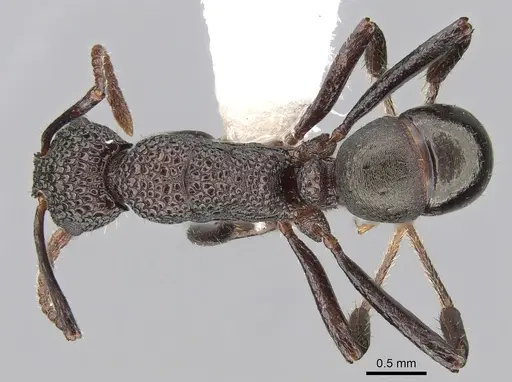
CASENT0281254
View on AntWeb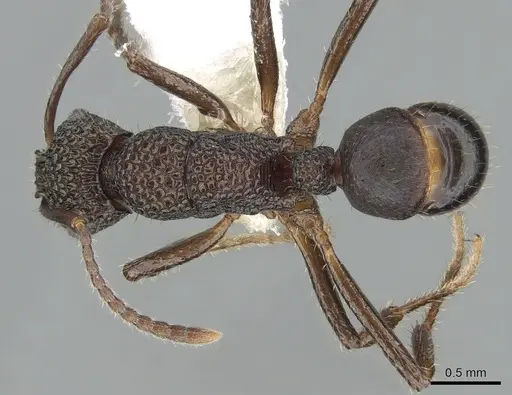
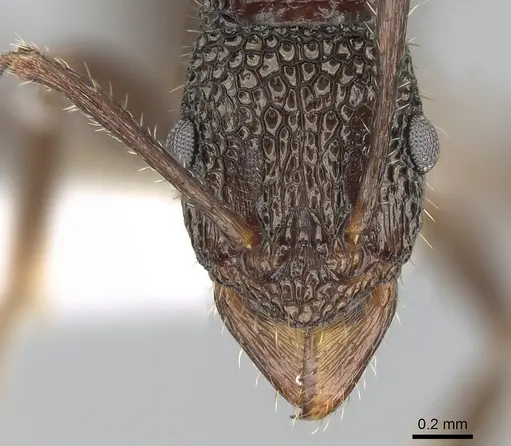
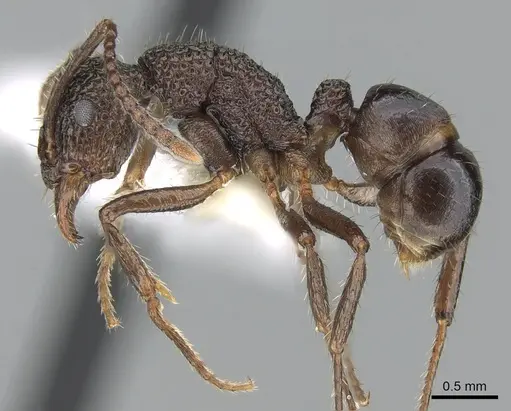
CASENT0900533
View on AntWeb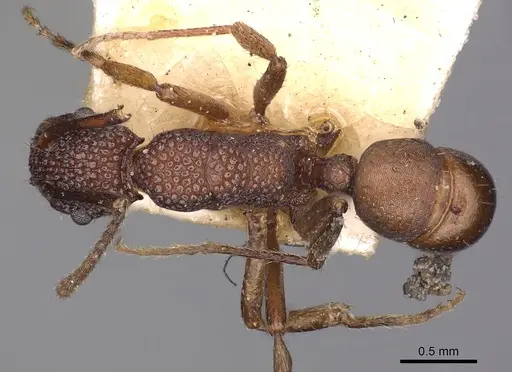
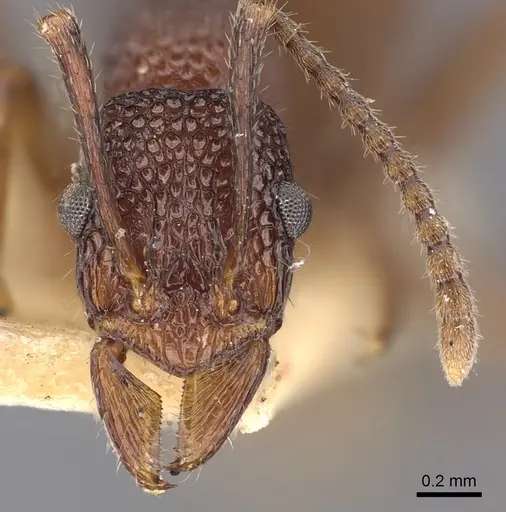
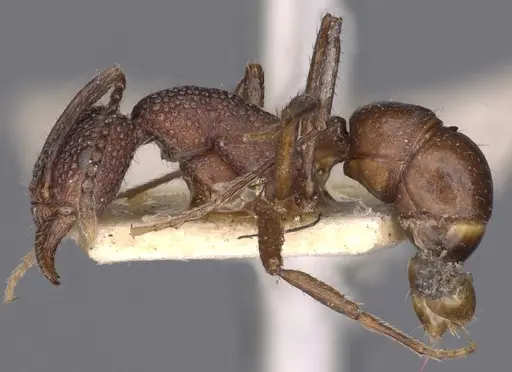
CASENT0907162
View on AntWeb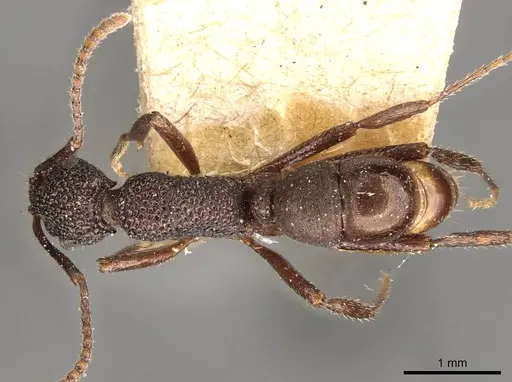
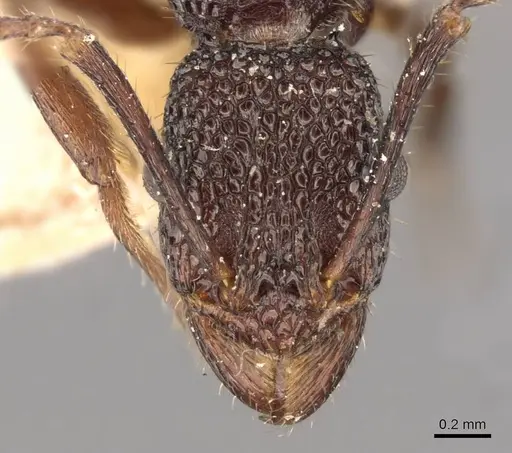
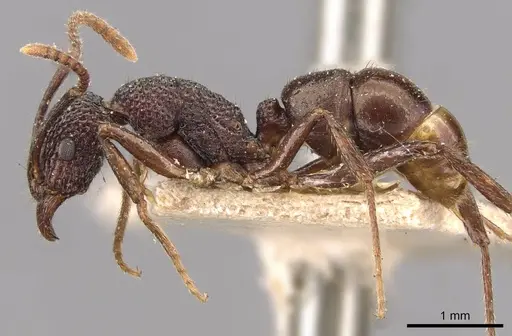
FOCOL2889
View on AntWeb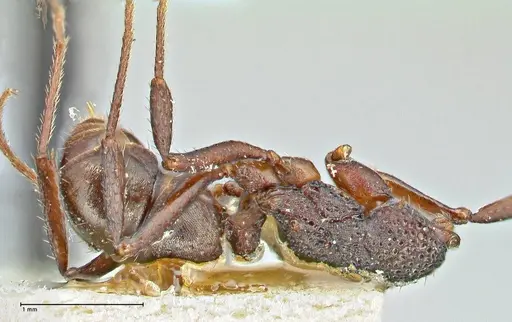
Literature
Loading...Loading products...