

Rhytidoponera taurus
- Scientific Name
- Rhytidoponera taurus
- Tribe
- Ectatommini
- Subfamily
- Ectatomminae
- Author
- Forel, 1910
- Distribution
- Found in 1 countries
Rhytidoponera taurus Overview
Rhytidoponera taurus is an ant species of the genus Rhytidoponera. It is primarily documented in 1 countries , including Australia. Detailed taxonomic data and occurrence records can be further explored via authoritative databases such as AntWeb or the Global Biodiversity Information Facility (GBIF).
Rhytidoponera taurus
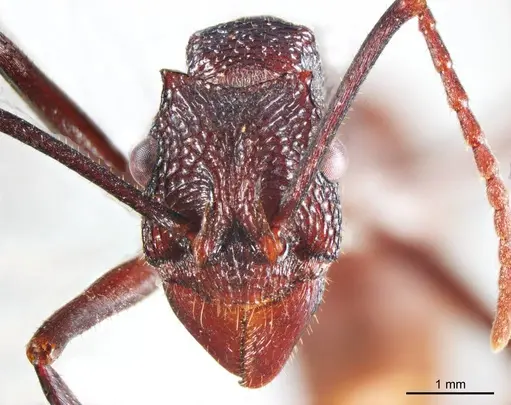
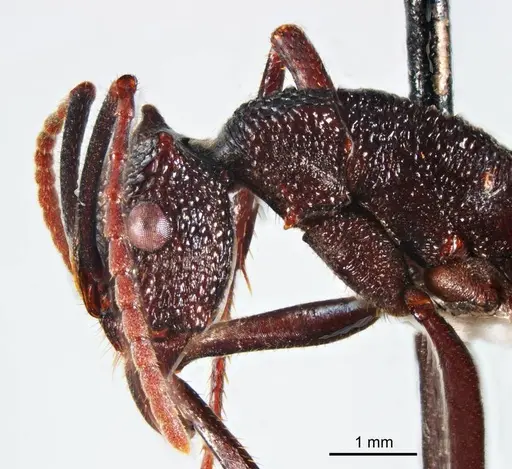
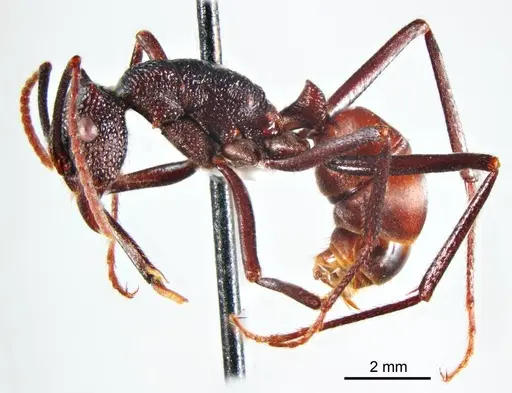
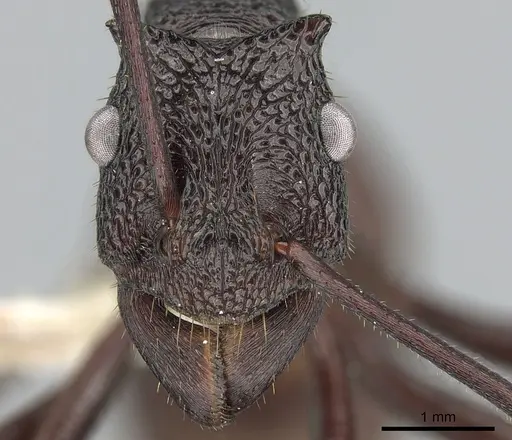
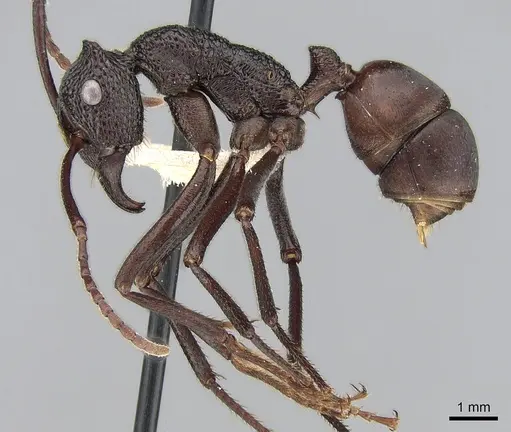
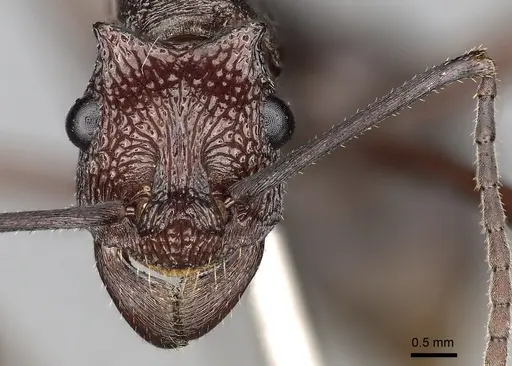
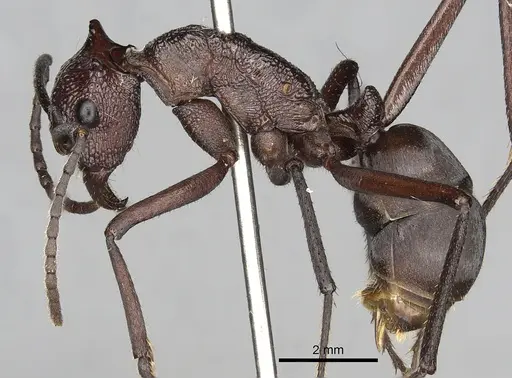
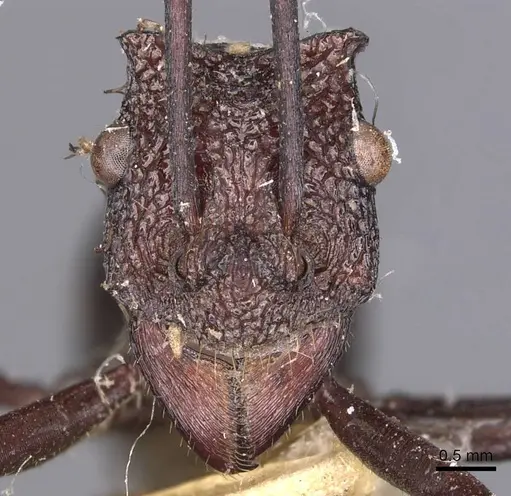
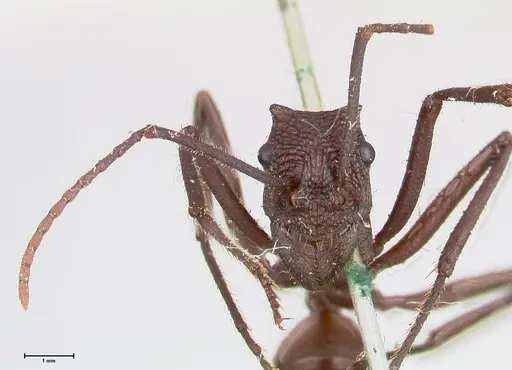
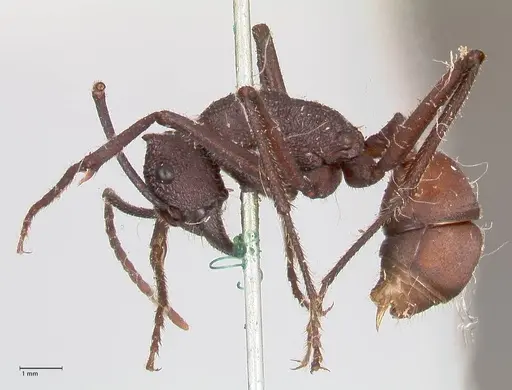
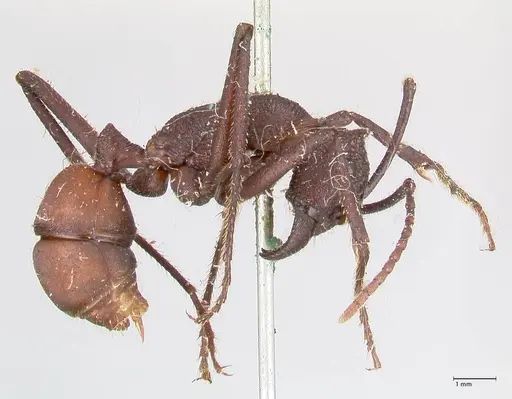
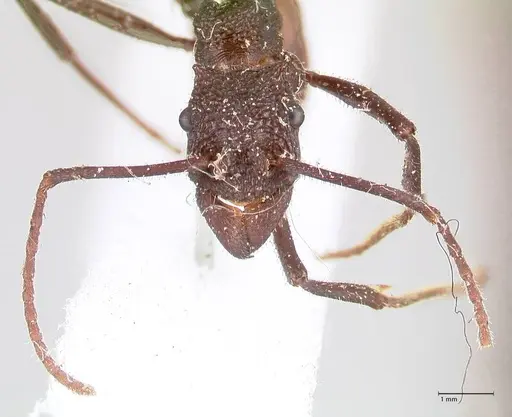
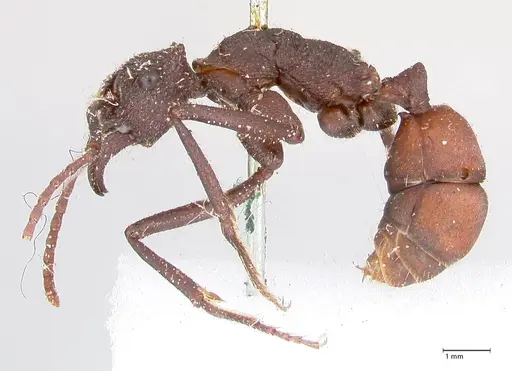
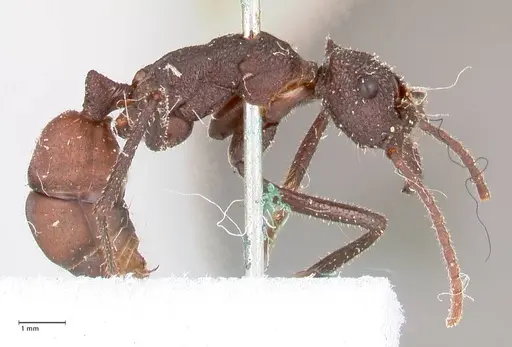
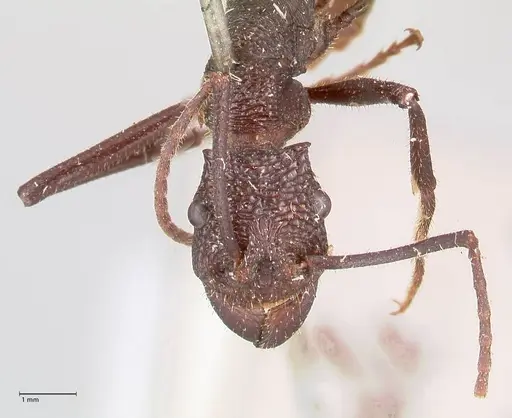
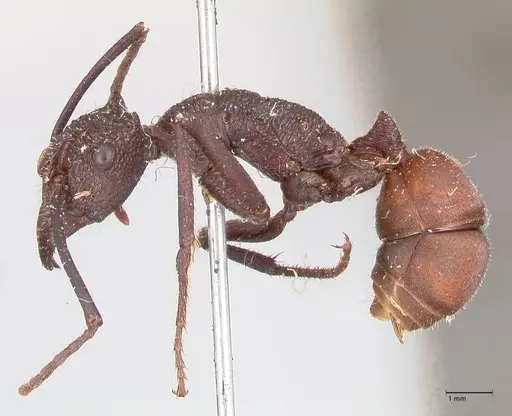
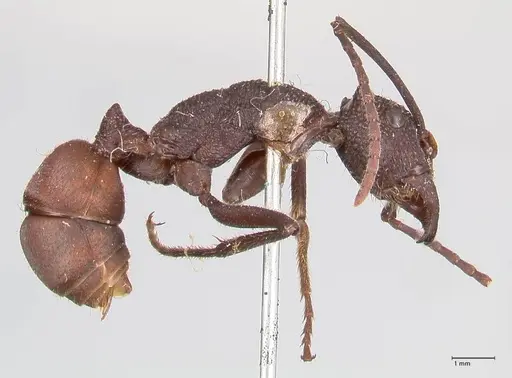
Rhytidoponera taurus is a large Australian ant species measuring around 10.6mm for workers [1]. What makes them instantly recognizable is their pair of horn-like projections (occipital cornicles) protruding from the back of their head, a distinctive feature they share with close relatives like Rhytidoponera mayri [2]. They have a red-brown coloration with slightly paler legs and antennae tips. These ants belong to the Ectatomminae subfamily, which means they possess a functional stinger [1].
These ants inhabit the arid and semi-arid regions of central and northern Australia, from the Northern Territory through to Western Australia and South Australia [3]. They are ground-nesting ants adapted to harsh, dry conditions, a trait that makes them relatively hardy for captive keeping once their basic needs are understood.
Quick Summary
- Difficulty: Medium
- Origin & Habitat: Central and northern arid zones of Australia, including Central Australia, Tennants Creek (NT), Western Australia, and South Australia [1][3]. They inhabit dry, open landscapes typical of arid Australia.
- Colony Type: Colony structure is unconfirmed. Most Rhytidoponera species are single-queen (monogyne) colonies, but this has not been specifically documented for R. taurus.
- Founding: Semi-claustral
- Size & Growth:
- Queen: Likely 12-15mm, estimated based on worker size and genus patterns
- Worker: Approximately 10.6mm [1]
- Colony: Unknown for this specific species. Related Rhytidoponera species typically form colonies of several hundred workers.
- Growth: Moderate, estimated based on genus patterns
- Development: Estimated 6-10 weeks at optimal temperature, inferred from related Ectatomminae species (Development time is estimated based on genus-level data since species-specific studies are not available)
- Antkeeping:
- Temperature: Keep at 24-28°C, mimicking their warm Australian habitat. A slight temperature gradient allows them to thermoregulate. They tolerate higher temperatures well given their arid origin.
- Humidity: Low to moderate, these are arid-adapted ants. Keep nest substrate slightly moist but allow it to dry between waterings. Provide a shallow water dish in the outworld.
- Diapause: Yes, they likely require a mild winter rest period (6-8 weeks at 15-18°C) matching Australian seasonal patterns, though this is not directly documented for this species.
- Nesting: They are ground-nesting ants that dig chambers in soil. In captivity, a naturalistic setup with compact soil or a plaster/acrylic nest with chambers works well. Avoid overly humid conditions.
- Behavior: Rhytidoponera taurus workers are active foragers with a strong predatory drive, they hunt insects and other small invertebrates. They possess a functional stinger and can deliver a painful sting if threatened [1]. Workers are robust and confident on the foraging area. Their large size and stinger make them less likely to escape than tiny ants, but they are strong climbers. Handle with care and use standard escape prevention.
- Common Issues: stinger, these ants can sting and should be handled with care to avoid painful stings, humidity sensitivity, too much moisture can cause stress and mold problems given their arid origins, winter dormancy confusion, without a proper rest period, colonies may become stressed or fail to thrive seasonally, limited availability, this species is rarely available in the antkeeping hobby, making colonies hard to find
Housing and Nest Setup
Rhytidoponera taurus does well in a naturalistic setup with a soil-filled chamber or a plaster/acrylic formicarium with appropriately sized chambers. Their large worker size (10.6mm) means they need spacious chambers and wider tunnels than tiny ant species. A nesting area of at least 15-20cm² is suitable for a developing colony. Since they come from arid Australia, avoid overly damp conditions, the nest material should be slightly moist but never waterlogged. A small water dish in the outworld provides drinking water. Use a secure lid as these ants are strong climbers, though their large size makes them less prone to escaping through tiny gaps than smaller species. [3][1]
Feeding and Diet
Like other Rhytidoponera species, these ants are primarily predatory and will actively hunt insects and other small invertebrates. Offer protein-rich foods like small crickets, mealworms, fruit flies, and other small insects. They typically accept a wide range of prey items. Sugar sources may be accepted occasionally, you can offer a drop of diluted honey or sugar water, but protein should form the bulk of their diet. Feed every 2-3 days, adjusting based on colony size and consumption. Remove uneaten prey after 24-48 hours to prevent mold.
Temperature and Seasonal Care
Maintain temperatures between 24-28°C during the active season. These ants are adapted to the warm interior of Australia and can tolerate temperatures into the low 30s°C. A heating cable or mat on one side of the nest creates a useful gradient. During the Australian winter (roughly June-August in the southern hemisphere), consider providing a mild cooling period at 15-18°C for 6-8 weeks. This mimics their natural seasonal cycle and helps maintain colony health. Do not cool below 10°C or expose to freezing temperatures. [3]
Handling and Safety
Rhytidoponera taurus workers possess a functional stinger and can deliver a painful sting if they feel threatened [1]. This is not an aggressive species, they will typically flee or retreat when disturbed. However, when cornered or handled roughly, they may sting. Always use caution when working with the colony, and avoid handling workers with bare hands. If stung, wash the area with soap and water and apply a cold compress. Those with insect venom allergies should take extra precautions.
Colony Establishment
If you acquire a founding queen, she will likely need to hunt during the founding period (semi-claustral behavior), unlike fully claustral species that seal themselves away. Provide her with a small hunting area and small prey items like fruit flies or tiny insects. The founding chamber should have a moisture source but remain relatively dry. Expect 4-8 weeks before the first workers (nanitics) emerge, depending on temperature. Once workers arrive, they will take over foraging duties and the colony should grow steadily.
Frequently Asked Questions
Does Rhytidoponera taurus have a stinger?
Yes. Rhytidoponera taurus belongs to the Ectatomminae subfamily, which includes ants with functional stingers. Workers can deliver a painful sting if threatened, though they are not aggressive by nature [1].
How big do Rhytidoponera taurus workers get?
Workers are approximately 10.6mm in length, making them relatively large ants [1]. Queens are likely larger at 12-15mm based on typical genus patterns.
What do Rhytidoponera taurus ants eat?
They are primarily predatory, hunting insects and small invertebrates. Feed them small crickets, mealworms, fruit flies, and similar protein sources. They may occasionally accept sugar water or honey, but protein should form the main diet.
Do Rhytidoponera taurus ants need hibernation?
They likely benefit from a mild winter rest period of 6-8 weeks at 15-18°C, mimicking their natural Australian seasonal cycle. This is not a true hibernation but a cooler rest period during the winter months.
Are Rhytidoponera taurus ants good for beginners?
They are rated as medium difficulty. Their large size and hardy nature make them manageable, but their stinger and specific humidity requirements (dry conditions) require some experience. Beginners should research arid-ant keeping before acquiring this species.
How long does it take for the first workers to emerge?
Estimated 6-10 weeks from egg to first worker at optimal temperature (24-28°C). This is based on genus-level patterns since species-specific development data is not available.
Can I keep Rhytidoponera taurus in a test tube setup?
Test tubes can work for founding colonies, but due to their semi-claustral nature (queen needs to hunt), a small naturalistic setup with a foraging area is often better. Their large size also means test tube chambers may feel cramped once workers arrive.
Where is Rhytidoponera taurus found in the wild?
They inhabit the arid and semi-arid regions of central and northern Australia, including Central Australia, Tennants Creek in the Northern Territory, Western Australia, and South Australia [1][3].
What makes Rhytidoponera taurus distinctive?
Their most recognizable feature is the pair of horn-like projections (occipital cornicles) on the back of their head [2]. This sets them apart from most other Australian ants and makes them easily identifiable.
How big do Rhytidoponera taurus colonies get?
Colony size is not specifically documented for this species, but related Rhytidoponera species typically form colonies of several hundred workers. Expect moderate growth over 1-3 years to reach this size.
What temperature is ideal for Rhytidoponera taurus?
Keep them at 24-28°C during the active season. They are adapted to warm Australian conditions and can tolerate temperatures into the low 30s°C. A slight gradient allowing them to move between warmer and cooler areas is ideal.
Is Rhytidoponera taurus aggressive?
They are not particularly aggressive toward humans, but they are predatory toward their prey. Workers will sting if threatened or cornered. They are confident foragers but typically retreat rather than attack when disturbed.
References

This caresheet is licensed under CC BY-SA 4.0 .
ANTWEB1008714
View on AntWeb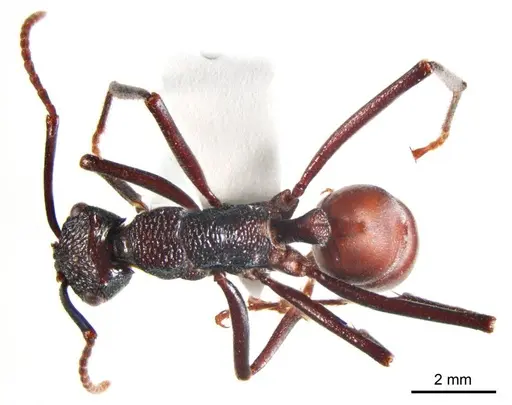
CASENT0281277
View on AntWeb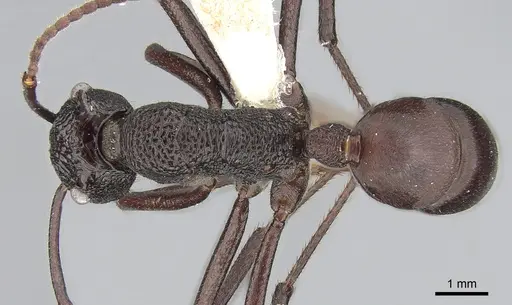
CASENT0281818
View on AntWeb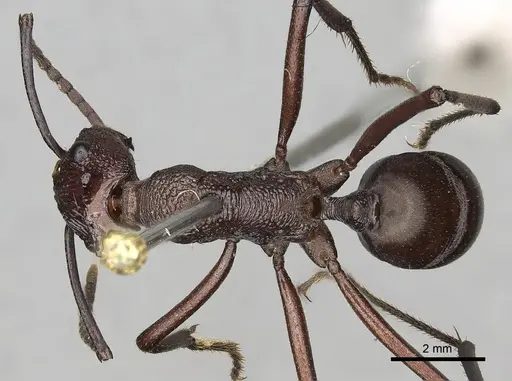
CASENT0907142
View on AntWeb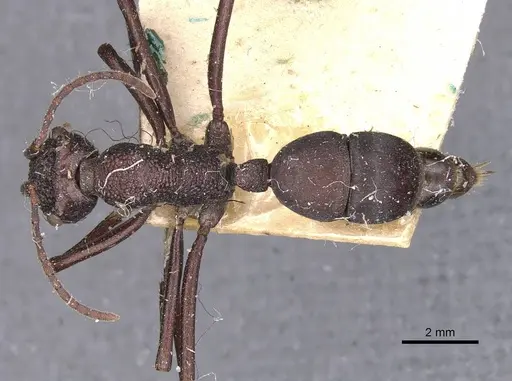
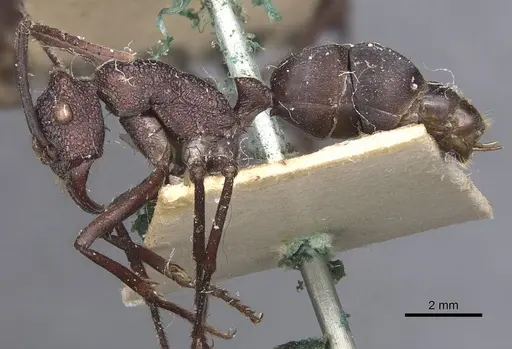
CASENT0915146
View on AntWeb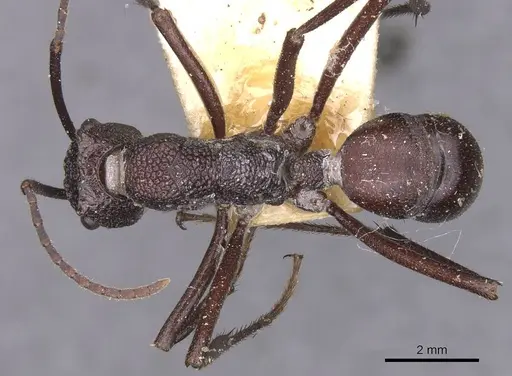
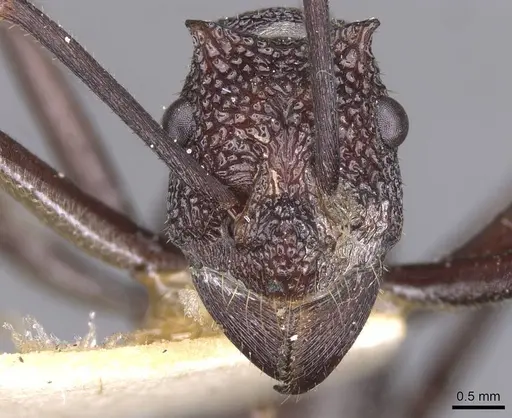
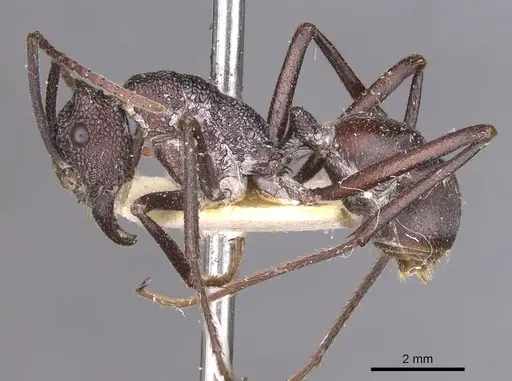
FOCOL0907
View on AntWeb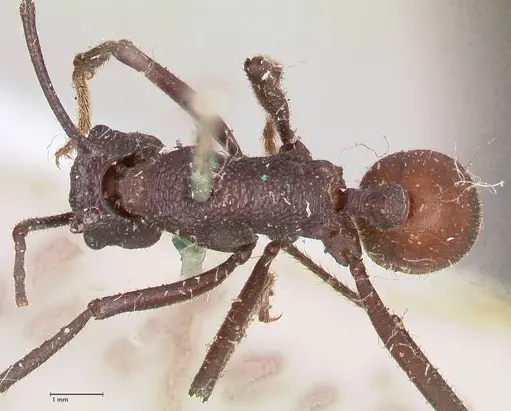
FOCOL0908
View on AntWeb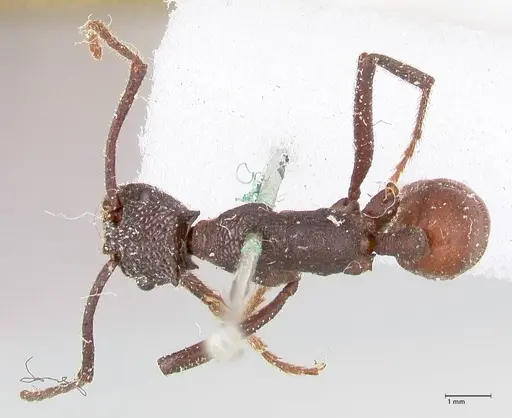
FOCOL0909
View on AntWeb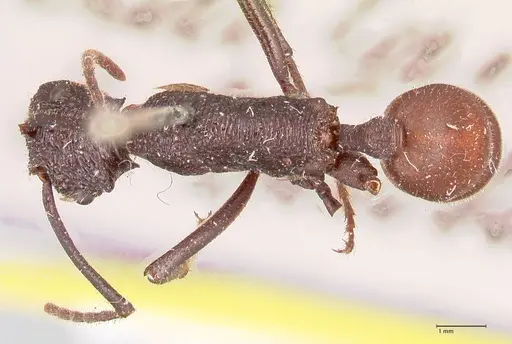
Literature
Loading...Loading products...