

Rhytidoponera subcyanea
- Scientific Name
- Rhytidoponera subcyanea
- Tribe
- Ectatommini
- Subfamily
- Ectatomminae
- Author
- Emery, 1897
- Distribution
- Found in 1 countries
Rhytidoponera subcyanea Overview
Rhytidoponera subcyanea is an ant species of the genus Rhytidoponera. It is primarily documented in 1 countries , including Papua New Guinea. Detailed taxonomic data and occurrence records can be further explored via authoritative databases such as AntWeb or the Global Biodiversity Information Facility (GBIF).
Rhytidoponera subcyanea
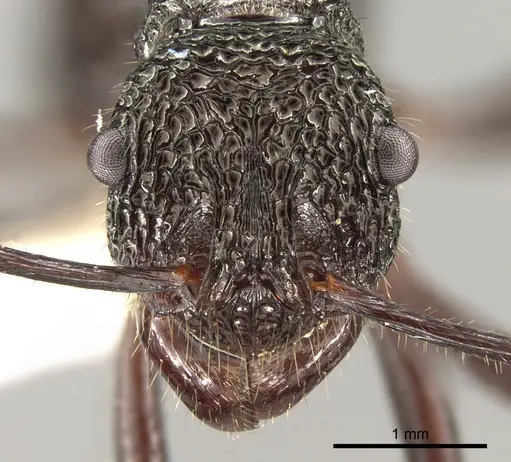
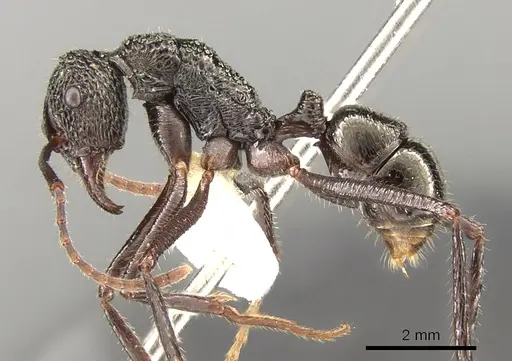
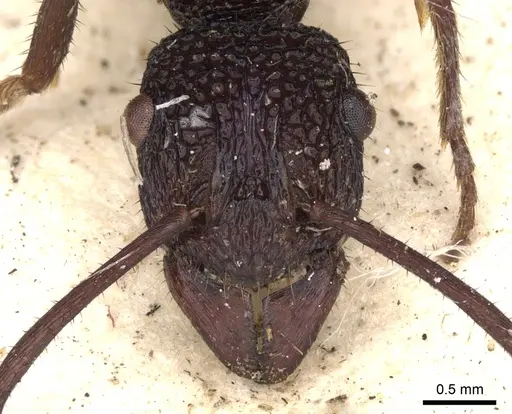
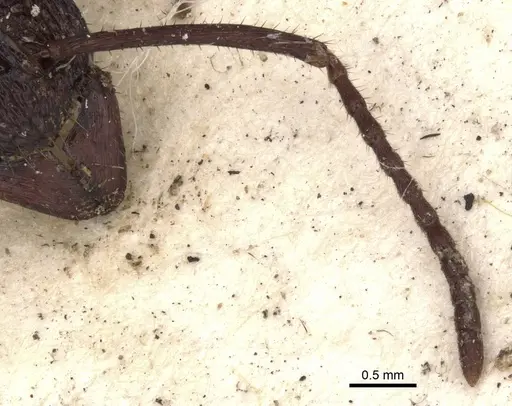
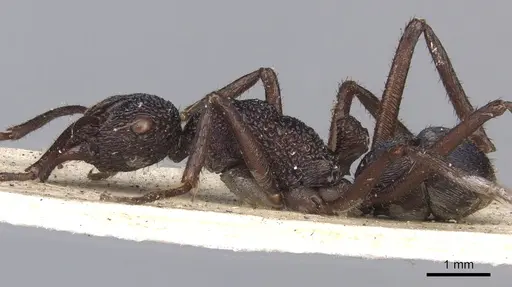
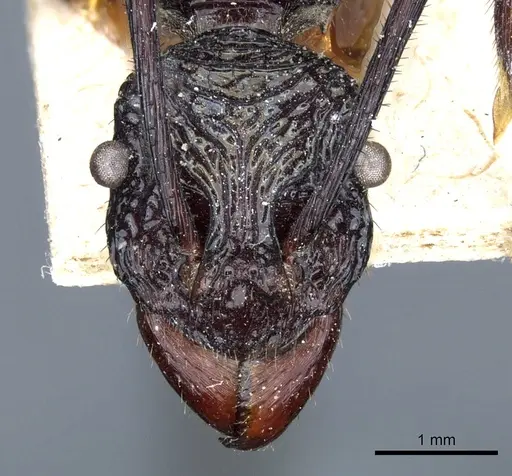
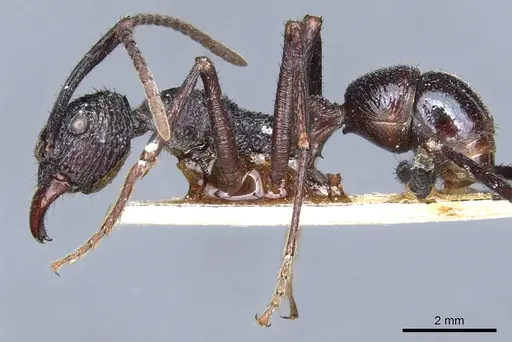
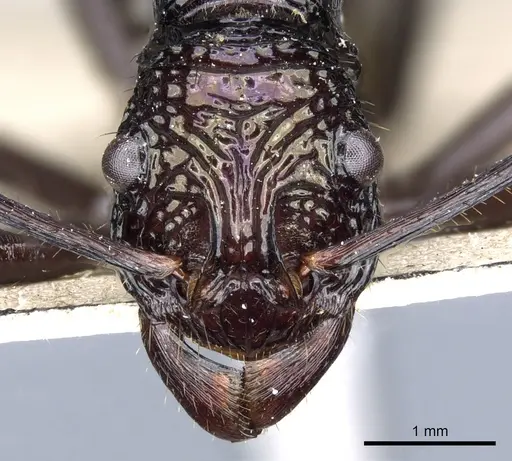
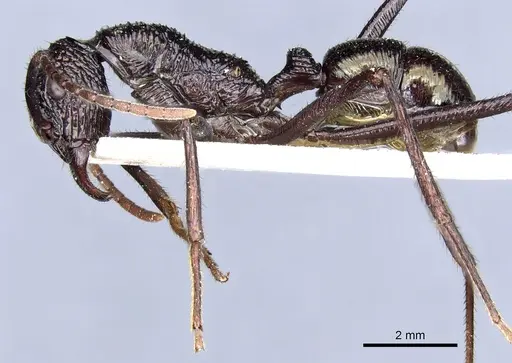
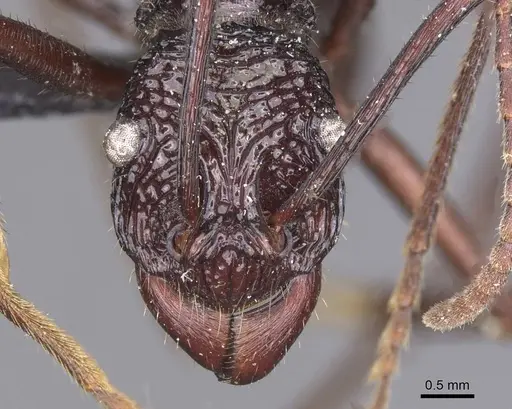
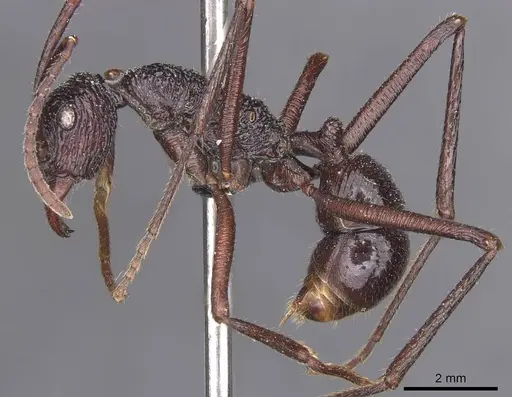
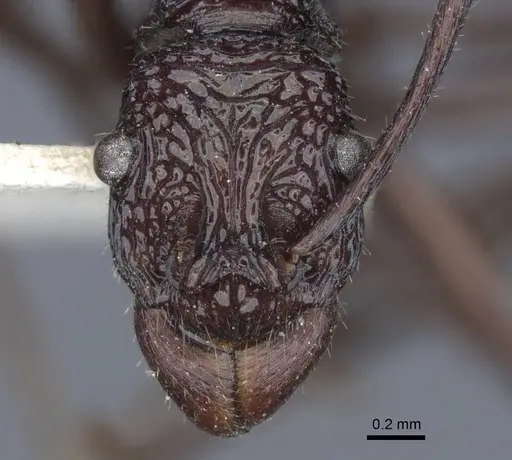
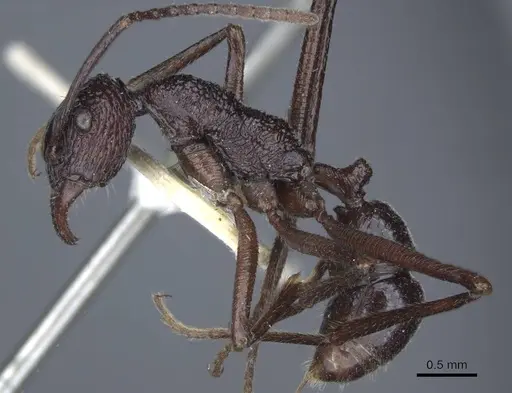
Rhytidoponera subcyanea is a large ponerine ant native to the tropical forests of New Guinea and surrounding islands in Indonesia [1]. Workers measure approximately 12-13.5mm in length, making them one of the larger ant species in the region [2]. They have a distinctive dark brown coloration with a weak yellowish-bronze metallic sheen that can appear greenish-blue under certain lighting [2]. The head and body feature coarse, irregular wrinkling sculpture, with eyes that are relatively prominent and hemispherical in shape [2][3]. This species belongs to the subfamily Ectatomminae (formerly Ponerinae), which means they possess a functional stinger.
What makes R. subcyanea particularly interesting is its metallic coloration, the bronze-to-greenish shimmer gives these ants an almost jewel-like appearance that stands out among forest-floor ant species. They are ground-nesting ants found in natural forest habitats, typically on the forest floor where they hunt for prey [2].
Quick Summary
- Difficulty: Medium
- Origin & Habitat: Native to the Australasian region, specifically Papua New Guinea and the Aru Islands in Indonesia [1]. Also found in Irian Jaya. They live in tropical forest habitats, with workers collected from the forest floor [2].
- Colony Type: Colony structure is not well-documented in available research. Based on related Rhytidoponera species, they likely form single-queen colonies (monogyne), though this requires confirmation for this specific species.
- Size & Growth:
- Queen: Not documented in available literature, likely similar to workers at approximately 12-14mm based on genus patterns
- Worker: 12-13.5mm [2]
- Colony: Unknown, likely moderate-sized colonies based on typical Rhytidoponera patterns
- Growth: Moderate, inferred from tropical ponerine development patterns
- Development: Estimated 6-10 weeks at tropical temperatures (24-28°C) based on typical Ponerinae development (Development time is inferred from related ponerine ants, specific data for this species is not available)
- Antkeeping:
- Temperature: Keep at 24-28°C, these are tropical ants from lowland New Guinea forests. Room temperature (22-25°C) is typically suitable, with slight increases during active periods. Avoid temperatures below 20°C for extended periods.
- Humidity: Tropical forest floor conditions, aim for 70-85% humidity. Keep the nest substrate consistently moist but not waterlogged. Provide a water source for drinking.
- Diapause: Unlikely required, as a tropical species from Papua New Guinea, they do not experience cold winters that would trigger diapause. However, slight seasonal slowdowns may occur during cooler periods.
- Nesting: Natural nesting occurs on the forest floor, they likely nest in soil or under debris/logs. In captivity, a naturalistic setup with moist soil or a plaster/acrylic nest with good humidity retention works well. They prefer dark, humid nest chambers.
- Behavior: Rhytidoponera subcyanea is a predatory ponerine ant with an active foraging style. They are likely to be aggressive defenders of their nest due to their large size and functional stinger. Workers are active hunters on the forest floor, searching for small invertebrates as prey. They have good vision due to their relatively large eyes. Escape prevention is important given their size and strength, standard barriers work well but ensure enclosures are secure. Their sting is functional and can cause pain if handled improperly.
- Common Issues: humidity management is critical, too dry and colonies will fail, too wet can cause mold problems, as a large ponerine, they can deliver a painful sting, handle with care during colony maintenance, tropical species requires consistent warmth, cold drafts or temperature drops can stress colonies, limited availability in the antkeeping hobby means established colonies are rare, predatory feeding requirements mean you need consistent access to live prey
Housing and Nest Setup
Rhytidoponera subcyanea does well in naturalistic setups that replicate their forest floor habitat. A naturalistic terrarium with moist soil, leaf litter, and hiding spots like pieces of wood or bark works excellently. Alternatively, a plaster or acrylic nest with chambers that retain humidity provides a more controlled option. Either way, the nest area should be dark (ponerines prefer dark nesting sites) and kept consistently moist. Since they are a larger species, they need appropriately sized enclosures, tiny test tubes are unsuitable for established colonies. The outworld should have space for foraging and a shallow water dish. Use a secure lid as these ants are strong and can push through loose fittings. [2]
Feeding and Diet
As a ponerine ant, R. subcyanea is primarily predatory and needs a protein-rich diet of live insects. Small crickets, mealworms, fruit flies, and other small invertebrates make suitable prey. They will likely accept dead prey if moved, but live prey stimulates natural hunting behavior. Sugar sources like honey or sugar water may be accepted for energy, though protein remains the primary food need. Feed every 2-3 days for established colonies, adjusting based on consumption. Remove uneaten prey after 24 hours to prevent mold. A constant water source is essential.
Temperature and Heating
These tropical ants require warm conditions year-round. Maintain temperatures between 24-28°C for optimal colony health and development. Room temperature in most homes (22-25°C) is often suitable, but you may need a small heat mat or heating cable during cooler months or if your home runs cold. Use a thermometer to monitor conditions. Place heating on one side of the enclosure to create a temperature gradient so ants can choose their preferred zone. Avoid direct hot spots that could dry out the nest or harm the ants. Consistent warmth is more important than exact temperature precision.
Humidity Management
Tropical forest floor ants need high humidity, aim for 70-85% relative humidity. Keep the nest substrate consistently moist like damp forest soil. Check daily and mist or add water as needed when the surface begins drying. A water dish in the outworld helps with drinking and contributes to humidity. However, avoid waterlogging as this promotes mold growth and can drown brood. Good ventilation helps prevent stagnant air while maintaining humidity. If you see condensation constantly pooling, reduce watering, if the substrate dries quickly between checks, increase misting frequency.
Behavior and Temperament
Rhytidoponera subcyanea is an active, predatory ant with a functional stinger. Workers forage individually on the forest floor, hunting small invertebrates. They are likely to be defensive of their nest and will sting if threatened or disturbed. Their relatively large eyes suggest they may use visual cues when hunting or navigating. Compared to many ponerines, they may be less aggressive toward keepers during routine maintenance, but any perceived threat to the nest will trigger defensive behavior. When working with them, move slowly and avoid disturbing the nest directly. Their sting is functional and can cause localized pain, treat it like a bee sting if you get stung. [2]
Colony Founding
Colony founding behavior has not been directly documented for this species. Based on typical Rhytidoponera patterns and the genus being in the Ponerinae/Ectatomminae, founding is likely claustral, the queen seals herself in a chamber and raises her first workers alone on stored fat reserves. The founding chamber is typically a small cavity in soil or under a stone. First workers (nanitics) are usually smaller than mature workers. Founding colonies should be kept in dark, humid, vibration-free conditions. Do not disturb the queen during founding, stress can cause her to eat her brood or abandon the chamber.
Frequently Asked Questions
How long does it take for Rhytidoponera subcyanea to produce first workers?
Exact development time is unknown for this species, but based on typical tropical ponerine development, expect 6-10 weeks from egg to worker at optimal temperatures (24-28°C). The first workers will be smaller (nanitics) and the colony will grow gradually from there.
Do Rhytidoponera subcyanea ants sting?
Yes, they can sting. As a member of the subfamily Ectatomminae (formerly Ponerinae), they possess a functional stinger. The sting can cause pain similar to a bee sting. Handle with care and avoid provoking defensive reactions.
What do Rhytidoponera subcyanea eat?
They are predatory ants that need live protein prey like small crickets, mealworms, fruit flies, and other small insects. They may also accept sugar sources like honey water for energy. Feed protein prey 2-3 times per week for established colonies.
Can I keep multiple queens of Rhytidoponera subcyanea together?
This has not been documented for this specific species. Based on typical Rhytidoponera patterns, they likely form single-queen colonies. Combining unrelated queens is not recommended without evidence they can coexist.
What temperature do Rhytidoponera subcyanea need?
Keep them warm at 24-28°C. These are tropical ants from lowland New Guinea forests. Room temperature (22-25°C) is often suitable, but a small heat source may be needed in cooler environments.
How big do Rhytidoponera subcyanea colonies get?
Colony size is not well documented for this species. Based on related Rhytidoponera species, colonies likely reach several hundred workers over time. They are not known for reaching supercolony sizes.
Do Rhytidoponera subcyanea need hibernation?
No, they do not need hibernation. As a tropical species from Papua New Guinea, they do not experience cold winters. They remain active year-round with consistent warmth.
Are Rhytidoponera subcyanea good for beginners?
They are rated as medium difficulty. They require more specific humidity and temperature conditions than common temperate species, and their sting makes careful handling important. They are also less commonly available in the hobby. Not the best choice for complete beginners, but manageable for those with some antkeeping experience.
What humidity level do Rhytidoponera subcyanea need?
They need high humidity, aim for 70-85%. Keep the nest substrate consistently moist like damp forest floor soil. A water dish in the outworld also helps maintain humidity and provides drinking water.
Where is Rhytidoponera subcyanea found in the wild?
They are native to the Australasian region, specifically Papua New Guinea, the Aru Islands in Indonesia, and Irian Jaya. They live in tropical forest habitats on the forest floor.
When do Rhytidoponera subcyanea nuptial flights occur?
Nuptial flight timing has not been documented for this species. As a tropical species, they likely breed year-round with no specific seasonal pattern, though some peak activity periods may occur.
References

This caresheet is licensed under CC BY-SA 4.0 .
CASENT0281334
View on AntWeb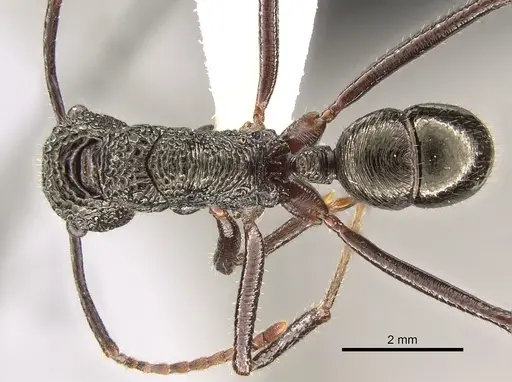
CASENT0901370
View on AntWeb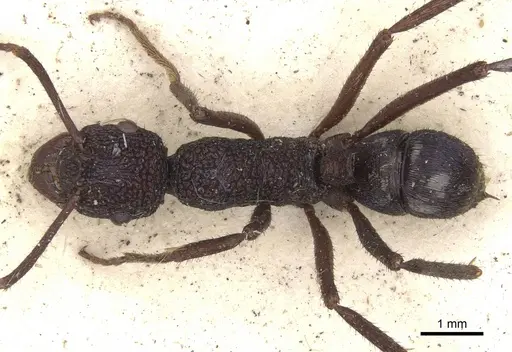
CASENT0903816
View on AntWeb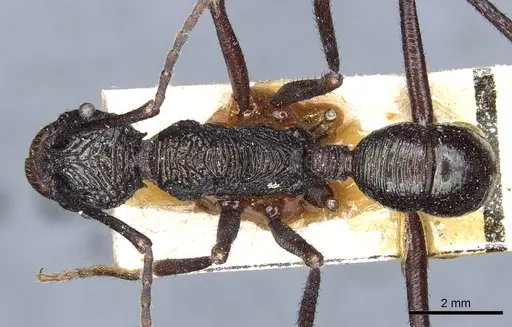
CASENT0903817
View on AntWeb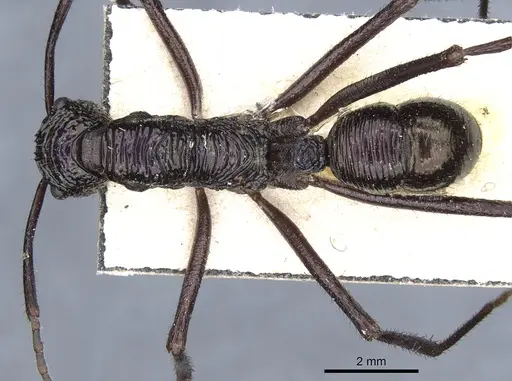
CASENT0915145
View on AntWeb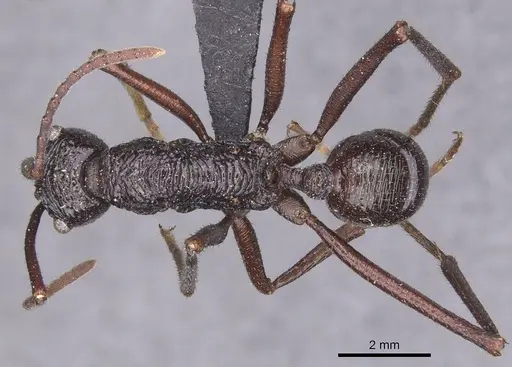
CASENT0916802
View on AntWeb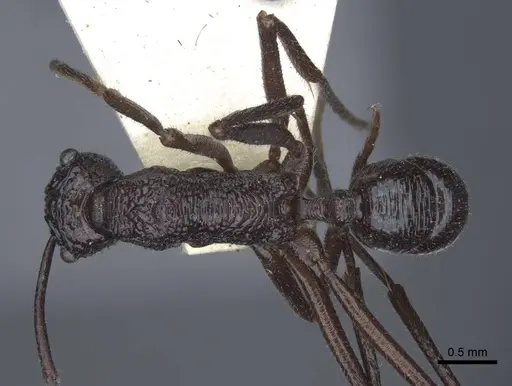
Literature
Loading...Loading products...