

Rhytidoponera strigosa
- Scientific Name
- Rhytidoponera strigosa
- Tribe
- Ectatommini
- Subfamily
- Ectatomminae
- Author
- Emery, 1887
- Distribution
- Found in 1 countries
Rhytidoponera strigosa Overview
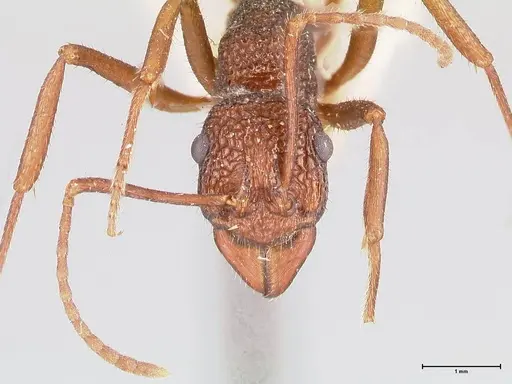
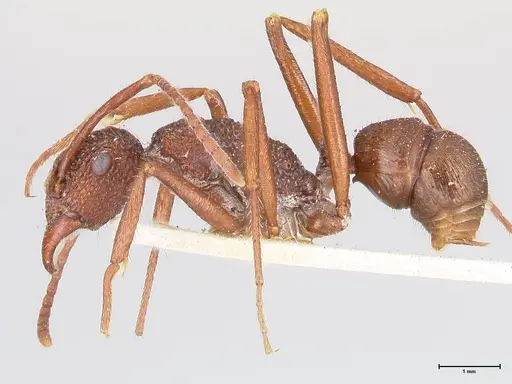
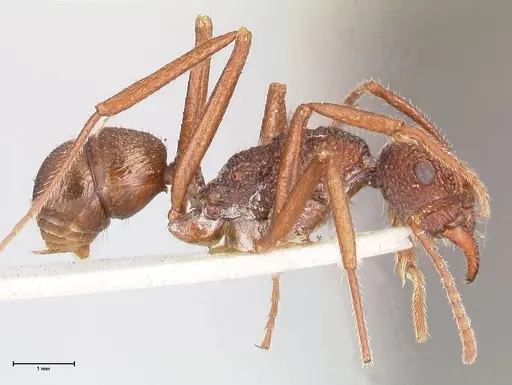
Rhytidoponera strigosa is an ant species of the genus Rhytidoponera. It is primarily documented in 1 countries , including Papua New Guinea. Detailed taxonomic data and occurrence records can be further explored via authoritative databases such as AntWeb or the Global Biodiversity Information Facility (GBIF).
Rhytidoponera strigosa
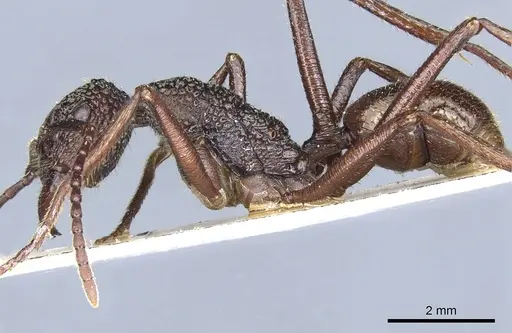
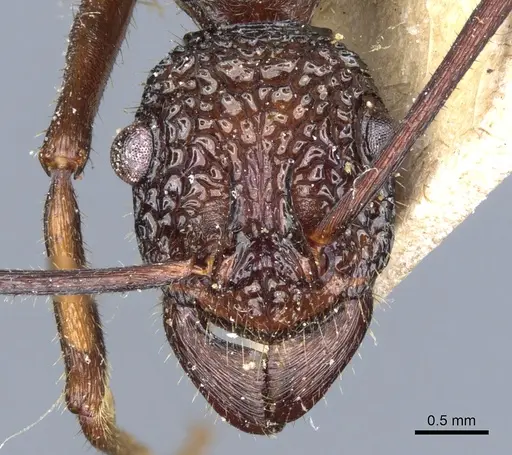
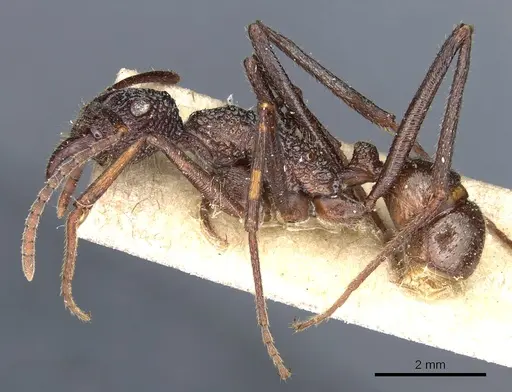
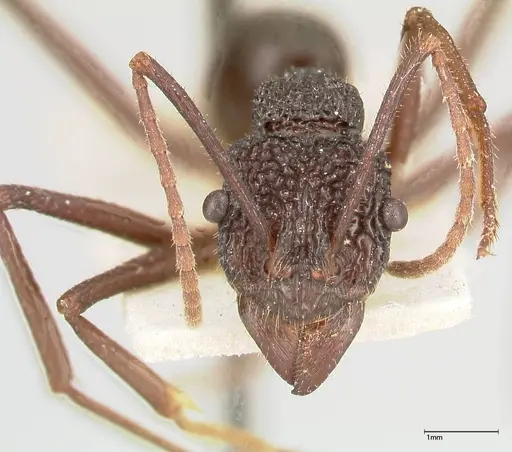
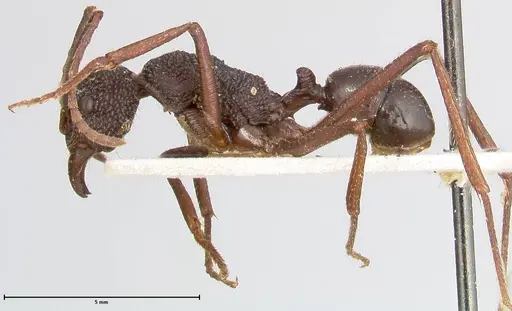
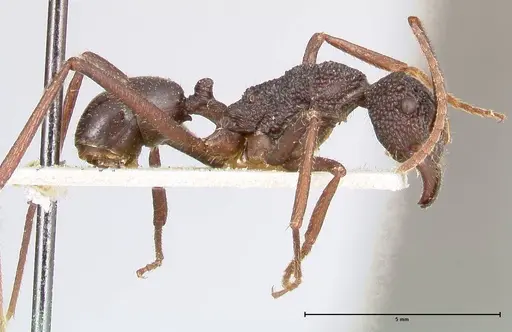
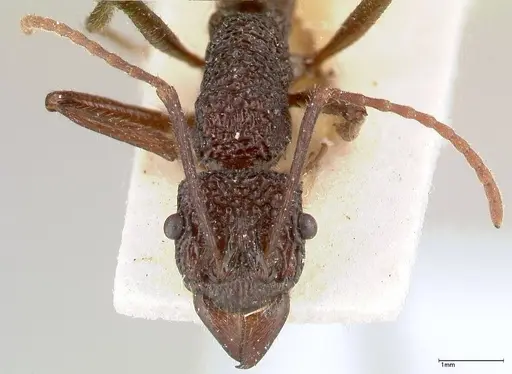
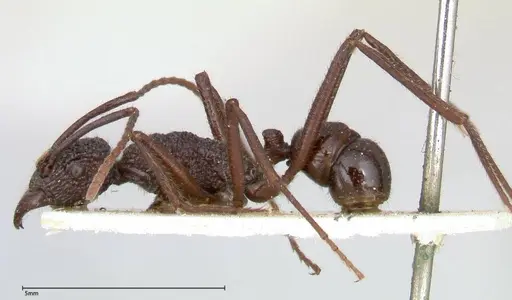
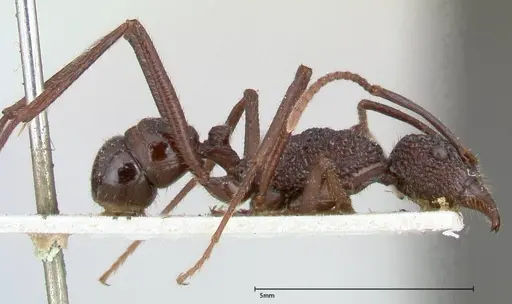
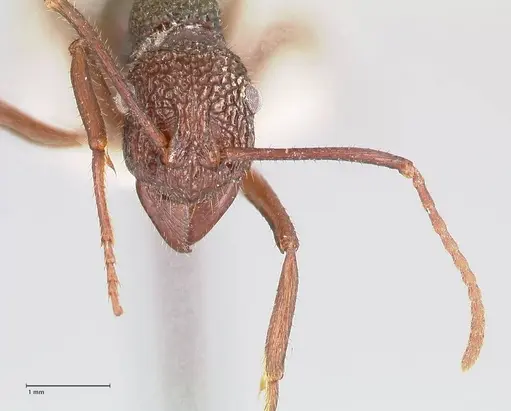
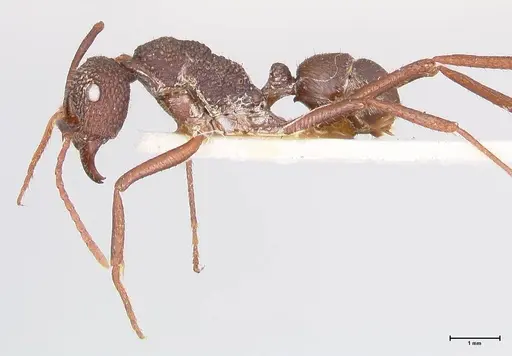
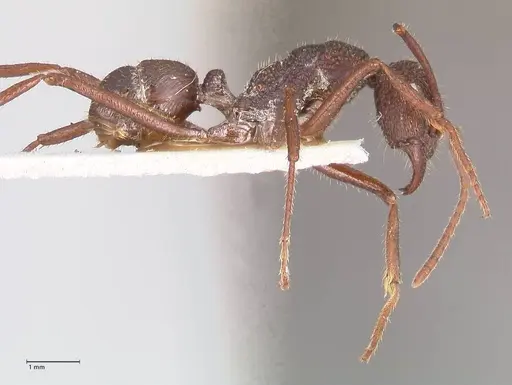
Rhytidoponera strigosa is a Ponerine ant native to the New Guinea region, found throughout Indonesia (Irian Jaya) and Papua New Guinea [1]. Workers are part of the Ectatomminae subfamily, which means they have functional stingers for defense, something to keep in mind when handling. These ants nest in the ground, typically at the base of large trees between roots, though they also form mounds away from trees [2]. Males have been observed at 7.5mm and display distinctive morphological features including club-shaped mandibles and strongly convex eyes [2]. The species has a rich taxonomic history, with several former subspecies (nitens, schlaginhaufeni, curvata, intricata) now recognized as synonyms.
As a tropical Ponerine from New Guinea, this species represents the diverse ant fauna of the region. They are ground-nesting ants that likely play important ecological roles in their forest habitats. While specific colony behavior is not well-documented in scientific literature, Rhytidoponera ants are generally known for their predatory habits and active foraging. This species remains relatively rare in the antkeeping hobby, making it an interesting choice for keepers looking to work with a less-common tropical species.
Quick Summary
- Difficulty: Medium
- Origin & Habitat: Native to the New Guinea region, specifically Indonesia (Irian Jaya) and Papua New Guinea [1]. Found in tropical forest environments where they nest in soil at the base of trees or in earthen mounds [2].
- Colony Type: Colony structure is unconfirmed, no published data on whether they are single-queen (monogyne) or multi-queen (polygyne).
- Size & Growth:
- Queen: Unknown, not documented in available literature
- Worker: Unknown, worker measurements not specified in research papers
- Colony: Unknown, colony size has not been studied
- Growth: Unknown, development timeline unconfirmed
- Development: Unknown, no direct development data available for this species (Based on typical Ponerine patterns, expect development of several months from egg to worker. Related tropical Ponerines often take 2-4 months at warm temperatures.)
- Antkeeping:
- Temperature: As a tropical species from New Guinea, keep them warm, aim for 24-28°C. A heating cable on one side of the nest creates a temperature gradient allowing ants to regulate their exposure.
- Humidity: Tropical forest habitat suggests high humidity needs. Keep the nest substrate consistently moist but not waterlogged. The substrate should feel damp to the touch with some slightly drier areas available.
- Diapause: No, as a tropical species, they do not require hibernation. Maintain warm conditions year-round.
- Nesting: Earth-nesting species, they naturally nest in soil at tree bases or in earthen mounds [2]. A naturalistic setup with soil or a plaster nest works well. Avoid completely dry conditions.
- Behavior: Ponerine ants are typically active foragers with a predatory nature. They have functional stingers and may use them when threatened. Workers likely hunt small invertebrates. Escape prevention is important, use appropriate barriers for their size. Active and alert temperament typical of the genus.
- Common Issues: tropical species may decline if temperatures drop below 22°C, keep consistently warm, ground-nesting ants need humidity control, too dry causes colony decline, predatory feeding requirements mean they need live prey, not suitable for keepers who cannot provide this, limited availability in the hobby means founding colonies are difficult to obtain, stinging capability means careful handling is required, they can sting if provoked
Housing and Nest Setup
Rhytidoponera strigosa is a ground-nesting ant that naturally lives in soil, typically at the base of trees or in earthen mounds [2]. For captivity, a naturalistic setup with a soil chamber works best, this allows you to maintain the moisture levels they need while mimicking their natural environment. A plaster nest can also work if you keep it consistently moist. Avoid completely dry conditions or fully artificial setups without substrate moisture.
The nest should have a humid chamber and a drier outworld area, giving the colony choices. Since this is a tropical species, temperature consistency matters more than in temperate species. Use a heating cable on one side of the nest if your room temperature is below 24°C. The outworld can be a simple foraging area where you offer prey items.
Feeding and Diet
As a Ponerine ant, Rhytidoponera strigosa is likely predatory, feeding primarily on small invertebrates like springtails, fruit flies, and other tiny arthropods. In captivity, offer live prey items such as fruit flies, small crickets, mealworms, and other appropriately-sized insects. Some Ponerines also accept sugar sources like honey water, but protein from prey should form the bulk of their diet.
Feed small prey items a few times per week, adjusting based on colony size and consumption. Remove any uneaten prey after 24-48 hours to prevent mold. A well-fed colony will have workers that are active and alert, constantly patrolling the outworld for food opportunities.
Temperature and Seasonal Care
Being native to tropical New Guinea, this species requires warm conditions year-round. Aim for temperatures between 24-28°C, with a slight gradient allowing workers to move between warmer and cooler areas. A heating cable placed on one side of the nest works well to create this gradient.
Unlike temperate species, they do not require hibernation or diapause. Maintaining consistent warmth is critical, temperatures below 22°C for extended periods may stress the colony. Room temperature in most homes should be sufficient, but monitor during winter months when heating may be lower. High humidity (70-80%) complements the warm temperatures.
Behavior and Handling
Ponerine ants including Rhytidoponera have functional stingers, which they use for defense and subduing prey. While not aggressive toward humans unprovoked, they may sting if the nest is disturbed or if they feel threatened. When working with this species, move slowly and avoid pressing on the ants or the nest.
Workers are likely active foragers, hunting individually rather than forming large raiding parties. They probably establish foraging trails and explore their territory methodically. The colony will likely be more active during warmer parts of the day. Watch for workers carrying prey back to the nest, this indicates successful hunting and a healthy, hungry colony.
Frequently Asked Questions
How long does it take for Rhytidoponera strigosa to produce first workers?
The exact development timeline is unconfirmed for this species. Based on typical Ponerine development patterns, expect 2-4 months from egg to first worker at warm temperatures (26-28°C). The queen will need to hunt for food during the founding period since most Ponerines are semi-claustral.
Can I keep Rhytidoponera strigosa in a test tube setup?
While test tubes work for many claustral founding queens, this species is likely semi-claustral and may need to leave the founding chamber to hunt. A naturalistic setup with soil is more appropriate for this earth-nesting species. However, you can use a test tube as a founding setup if it is large enough and you provide prey items accessible to the queen.
Do Rhytidoponera strigosa ants sting?
Yes. As a member of the Ectatomminae subfamily, they have functional stingers. They may sting if threatened or if the nest is disturbed. The sting is not medically significant for healthy humans, but it can be painful. Handle with care and avoid provoking the colony.
What do Rhytidoponera strigosa eat?
They are predatory ants that hunt small invertebrates. Offer live prey like fruit flies, small crickets, mealworms, and springtails. Some colonies may accept sugar water or honey as a supplemental energy source, but protein from prey should be their primary food.
Are Rhytidoponera strigosa good for beginners?
This species is rated as Medium difficulty. While not the most challenging ant to keep, they require warm, humid conditions and a steady supply of live prey. They are also less commonly available in the antkeeping hobby. Beginners might prefer more established species with clearer care requirements, but experienced keepers interested in Ponerines will find this a rewarding species.
Do Rhytidoponera strigosa need hibernation?
No. As a tropical species from New Guinea, they do not require hibernation or winter cooling. Keep them warm year-round at 24-28°C. Dropping temperatures below 20°C for extended periods may harm the colony.
How big do Rhytidoponera strigosa colonies get?
The maximum colony size is not documented in scientific literature. Based on related Ponerines, colonies likely reach several hundred workers at most. Ponerine colonies tend to be smaller than many Formicines or Myrmicines.
Can I keep multiple queens together?
The colony structure (monogyne vs polygyne) is unconfirmed for this species. There is no documented evidence of multi-queen colonies. Until more information is available, it is not recommended to combine unrelated queens, as fighting is likely.
Why is my Rhytidoponera strigosa colony declining?
Common causes include: temperatures below 22°C (tropical species need warmth), too dry conditions (they need humid substrate), lack of adequate prey (they are predatory and need protein), or stress from excessive disturbance. Review your temperature, humidity, and feeding regimen. Ensure the nest has not dried out and that prey is being offered regularly.
References

This caresheet is licensed under CC BY-SA 4.0 .
CASENT0281339
View on AntWeb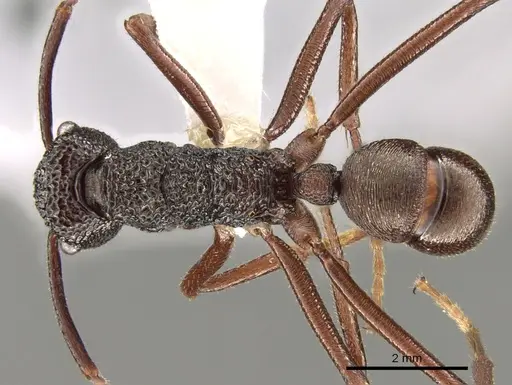
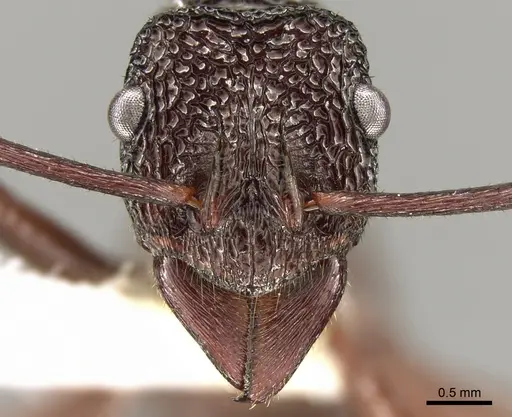
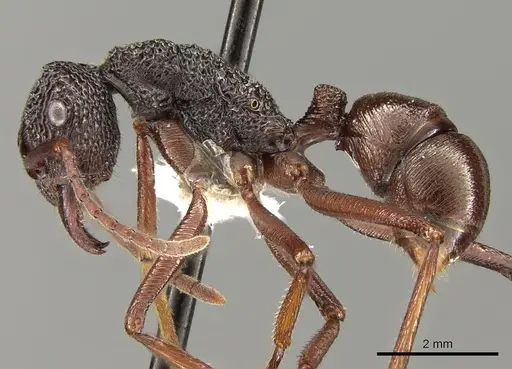
CASENT0900524
View on AntWeb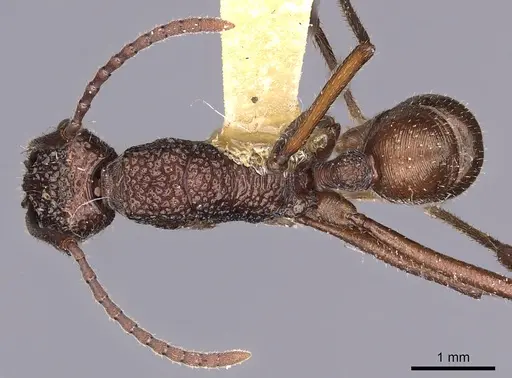
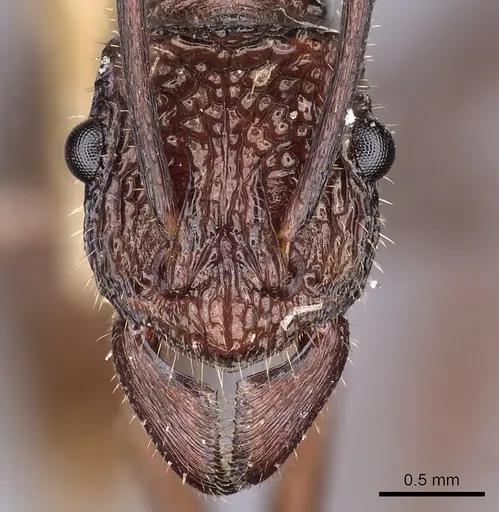
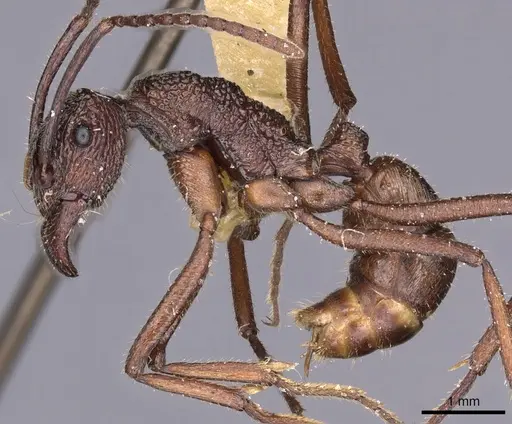
CASENT0903818
View on AntWeb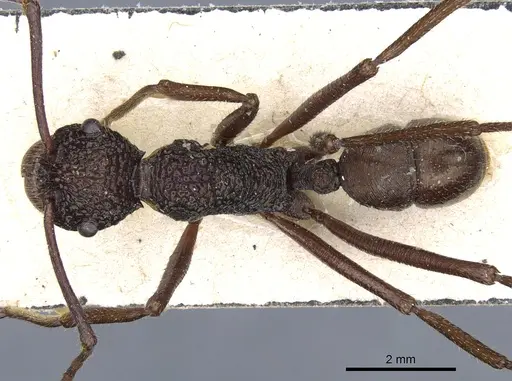
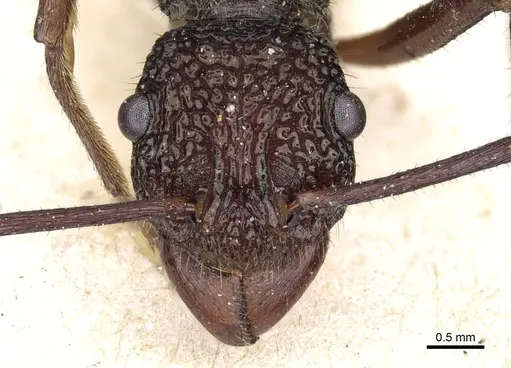
CASENT0903819
View on AntWeb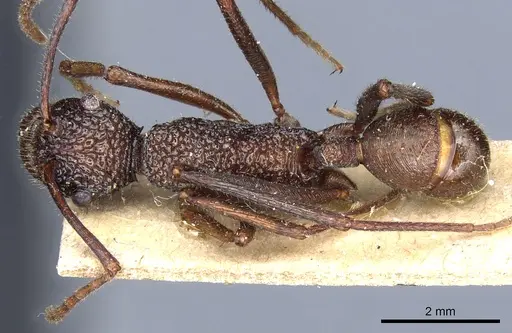
CASTYPE06988-01
View on AntWeb


CASTYPE06988-02
View on AntWeb


FOCOL0391
View on AntWeb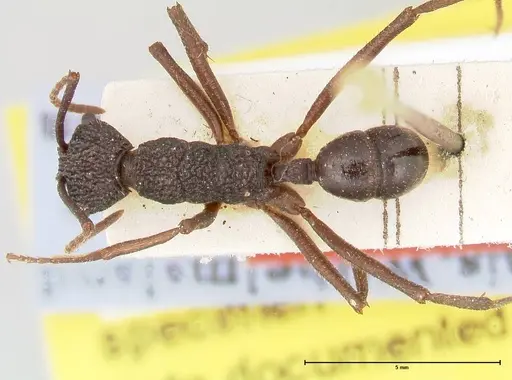
FOCOL0392
View on AntWeb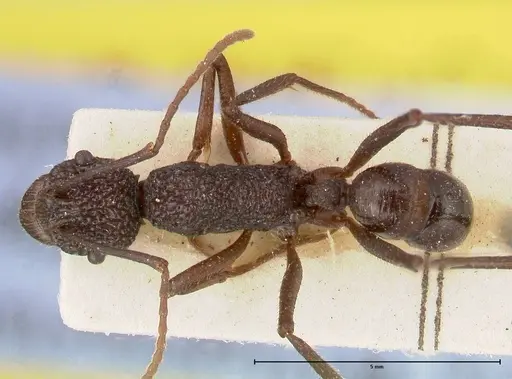
FOCOL0904
View on AntWeb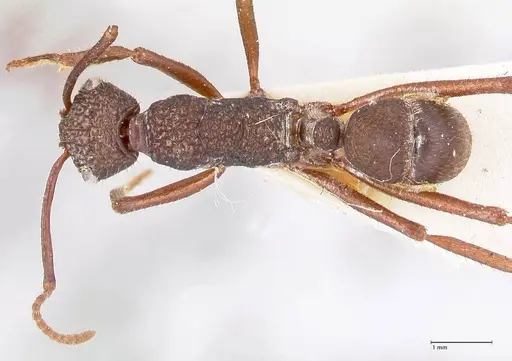
FOCOL0905
View on AntWeb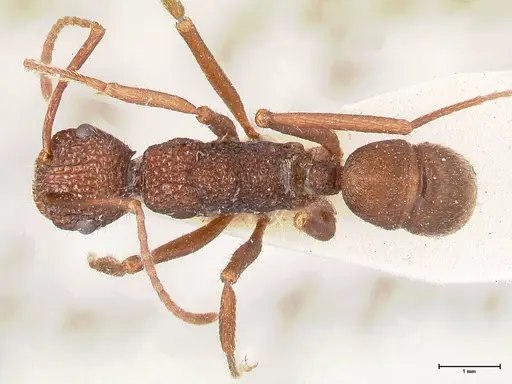
Literature
Loading...Loading products...