

Rhytidoponera rufithorax
- Scientific Name
- Rhytidoponera rufithorax
- Tribe
- Ectatommini
- Subfamily
- Ectatomminae
- Author
- Clark, 1941
- Distribution
- Found in 1 countries
Rhytidoponera rufithorax Overview
Rhytidoponera rufithorax is an ant species of the genus Rhytidoponera. It is primarily documented in 1 countries , including Australia. Detailed taxonomic data and occurrence records can be further explored via authoritative databases such as AntWeb or the Global Biodiversity Information Facility (GBIF).
Rhytidoponera rufithorax
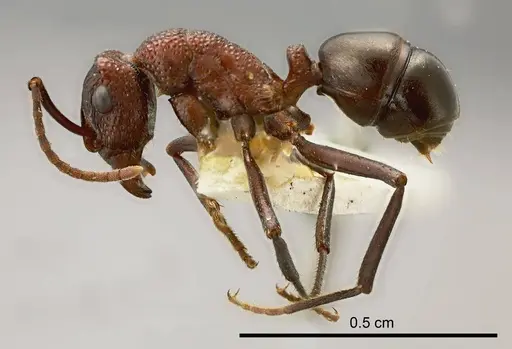
Rhytidoponera rufithorax is a medium-sized ant native to Australia's semi-arid tropical regions, specifically the Northern Territory. Workers measure around 5-7mm and feature a distinctive appearance with a reddish-brown thorax contrasting sharply against a dark brown gaster (abdomen). This species belongs to the Ectatomminae subfamily, which is known for having functional stingers, so these ants can deliver a painful sting if handled roughly or their nest is disturbed. They nest in soil or under stones in arid to semi-arid habitats across northern Australia [1].
These ants are part of the Rhytidoponera genus, which contains around 60 species mostly distributed throughout Australia and nearby regions. In the antkeeping hobby, they're considered moderately challenging due to their specific humidity needs and the fact that they're not as commonly kept as some other Australian genera like Iridomyrmex or Camponotus. Their striking two-tone coloring makes them visually appealing, and their moderate colony sizes (typically a few hundred workers) make them manageable for dedicated keepers.
Quick Summary
- Difficulty: Medium
- Origin & Habitat: Northern Australia (Northern Territory), semi-arid tropical regions. Found in arid to semi-arid habitats where they nest in soil or under stones [1].
- Colony Type: Colony structure is unconfirmed. Most Rhytidoponera species form single-queen colonies, but this specific species has not been studied in detail.
- Size & Growth:
- Queen: Approximately 7-9mm (estimated based on genus)
- Worker: 5-7mm [1]
- Colony: Likely several hundred workers based on genus patterns (estimated)
- Growth: Moderate, estimated based on similar Australian species
- Development: 6-10 weeks (estimated based on related Ectatomminae species) (Development time is estimated, actual timing may vary with temperature. Tropical species typically develop faster than temperate ones.)
- Antkeeping:
- Temperature: Keep nest area at 24-28°C. As a tropical Australian species from the Northern Territory, they prefer warm conditions. A heating cable on one side of the nest can create a temperature gradient [2].
- Humidity: Moderate humidity around 50-60%. These are arid-adapted ants, so the nest should have some damp areas but also dry zones. Allow the substrate to partially dry between waterings [2].
- Diapause: Likely minimal or no true diapause, Northern Territory species experience mild winters rather than harsh cold. However, reduce feeding and slightly lower temperatures (to around 20°C) during winter months may be beneficial [2].
- Nesting: Natural nesting occurs in soil and under stones in arid habitats. In captivity, a naturalistic setup with a soil layer and flat stones or a Y-tong/plaster nest with both moist and dry areas works well. They prefer tight, dark chambers [2].
- Behavior: Rhytidoponera rufithorax workers are active foragers that search for food on the ground surface. They are predatory and will take small insects and other invertebrate prey. Workers can be moderately aggressive when defending the nest, they have a functional stinger and may use it. Their small to medium size means escape prevention should be moderate (they're not tiny, but can fit through small gaps). They are diurnal, actively foraging during warmer parts of the day [2].
- Common Issues: colonies may fail if kept too humid, these are arid-adapted ants and excess moisture promotes mold, stinger means painful bites/stings if handled roughly or nest is disturbed, limited availability in the antkeeping hobby makes founding colonies challenging, wild-caught colonies may have parasites that can decimate the colony in captivity, overfeeding leads to mold problems in the nest
Housing and Nest Setup
For Rhytidoponera rufithorax, you'll want to replicate their natural arid habitat. A naturalistic setup with a sandy soil substrate and flat stones on top works well, in the wild they nest under stones in semi-arid areas. Alternatively, a Y-tong (AAC) or plaster nest can work if you provide a moisture gradient with some damp areas and some dry areas. The key is offering choice, let the ants move between humid and dry zones. Avoid fully saturated nests, these ants are adapted to drier conditions. Use a test tube setup for the founding queen, then move to a proper nest once the colony reaches 20-30 workers [2].
Feeding and Diet
These ants are predatory and will accept small live insects like fruit flies, small crickets, and mealworms. Offer protein prey 2-3 times per week depending on colony size. They also likely accept sugar sources, try offering a drop of diluted honey or sugar water occasionally, though protein should form the bulk of their diet. Remove uneaten prey after 24 hours to prevent mold. For founding colonies, the queen will not eat, she relies on stored fat reserves until her first workers emerge [2].
Temperature and Seasonal Care
Keep your colony at 24-28°C during the active season. As a species from Northern Australia's semi-arid tropics, they prefer warm conditions. A small heating cable on part of the nest can help maintain optimal temperatures, but always provide an unheated area so ants can regulate their own temperature. During winter (roughly May-August in the southern hemisphere), you can reduce temperatures to around 20°C and reduce feeding frequency. Unlike temperate species, they don't require true hibernation, just a slight slowdown during cooler months [2].
Behavior and Handling
Rhytidoponera rufithorax workers are ground foragers and will actively search for prey. They have a functional stinger and may use it if threatened, these ants are not aggressive by nature but will defend their nest vigorously. When working with your colony, go slowly and avoid shaking or disturbing the nest. If you need to move them, coax them into a test tube rather than scooping them up. Their sting is reported as painful but not dangerous to healthy humans. Workers are relatively long-lived compared to many ant species, which helps colony stability [2].
Colony Founding
If you're starting with a founding queen, place her in a test tube setup with a small water reservoir. Queen founding is claustral, she will seal herself into a chamber and not leave to forage. She relies entirely on her stored fat reserves to survive and raise her first brood. Do not feed the founding queen, attempting to feed her can actually harm her. The first workers (nanitics) will be smaller than normal workers but will immediately begin foraging. Once you see workers actively hunting, you can begin offering small prey [2].
Frequently Asked Questions
How long does it take for Rhytidoponera rufithorax to produce first workers?
From egg to first worker typically takes 6-10 weeks at optimal temperatures (24-28°C). This is an estimate based on related species, actual timing can vary. The queen will remain sealed in her chamber until her first workers emerge, then she will resume egg-laying while workers take over foraging duties [2].
Do Rhytidoponera rufithorax ants sting?
Yes, they can sting. This species belongs to the Ectatomminae subfamily, which has functional stingers. Their sting is described as painful but not medically dangerous to healthy adults. Handle with care and avoid disturbing the nest [2].
What do I feed Rhytidoponera rufithorax?
They are predatory ants that primarily eat small live insects. Offer fruit flies, small crickets, mealworms, or similar invertebrate prey 2-3 times per week. You can also occasionally offer sugar sources like diluted honey, but protein-rich prey should form the main diet. Remove uneaten prey within 24 hours to prevent mold [2].
Are Rhytidoponera rufithorax good for beginners?
They are considered intermediate difficulty. They're not as challenging as some specialized species, but they have specific humidity requirements (preferring drier conditions than many ants) that require attention. If you have experience with basic antkeeping and can monitor humidity levels, they can be a rewarding species to keep [2].
How big do Rhytidoponera rufithorax colonies get?
Based on genus patterns, colonies likely reach several hundred workers at maturity. This is a moderate colony size, large enough to be interesting but manageable for a single keeper. Growth rate is moderate, with colonies typically taking a year or more to reach significant sizes [2].
Do Rhytidoponera rufithorax need hibernation?
Probably not a true hibernation. As a Northern Territory species from tropical Australia, they experience mild winters rather than harsh cold. Reduce feeding and lower temperatures slightly (to around 20°C) during winter months, but complete dormancy is not necessary or recommended [2].
Can I keep multiple queens together?
Not recommended. There is no data on pleometrosis (multiple queen founding) for this specific species, and combining unrelated queens typically leads to fighting. Start with a single founding queen for best results [2].
Why are my Rhytidoponera rufithorax dying?
The most common causes are: too high humidity (these are arid-adapted ants), mold from overfeeding or poor ventilation, stress from excessive disturbance, or parasites from wild-caught colonies. Check that humidity is moderate (not wet), remove uneaten prey promptly, and ensure good ventilation without drafts. If the colony came from the wild, parasites are a real risk [2].
When should I move my colony to a formicarium?
Wait until the colony has at least 20-30 workers and is actively foraging. Moving too early can stress the queen. When you do move them, use a gentle transition, you can connect the test tube to the new nest and let them move voluntarily, or carefully transfer them if needed [2].
What humidity level do Rhytidoponera rufithorax need?
Moderate humidity around 50-60%. These are arid-adapted ants from semi-arid Australia, so they prefer drier conditions than many tropical ants. The nest should have some damp areas but also dry zones. Allow the substrate to partially dry between waterings rather than keeping it constantly wet [2].
Where is Rhytidoponera rufithorax found in the wild?
They are native to Australia's Northern Territory, specifically the semi-arid tropical regions. Their known range includes the Alexandria station area in the Northern Territory. They nest in soil or under stones in arid to semi-arid habitats [1][2].
Are Rhytidoponera rufithorax aggressive?
They are not particularly aggressive toward humans but will defend their nest if threatened. Workers are not territorial or prone to biting unless you handle them roughly or disturb their nest. Their main defense is their stinger, which they may use if provoked. They are calm foragers that go about their business unless directly threatened [2].
References

This caresheet is licensed under CC BY-SA 4.0 .
ANTWEB1008319
View on AntWeb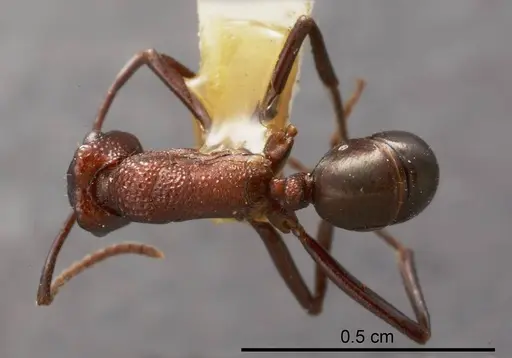
Literature
Loading...Loading products...