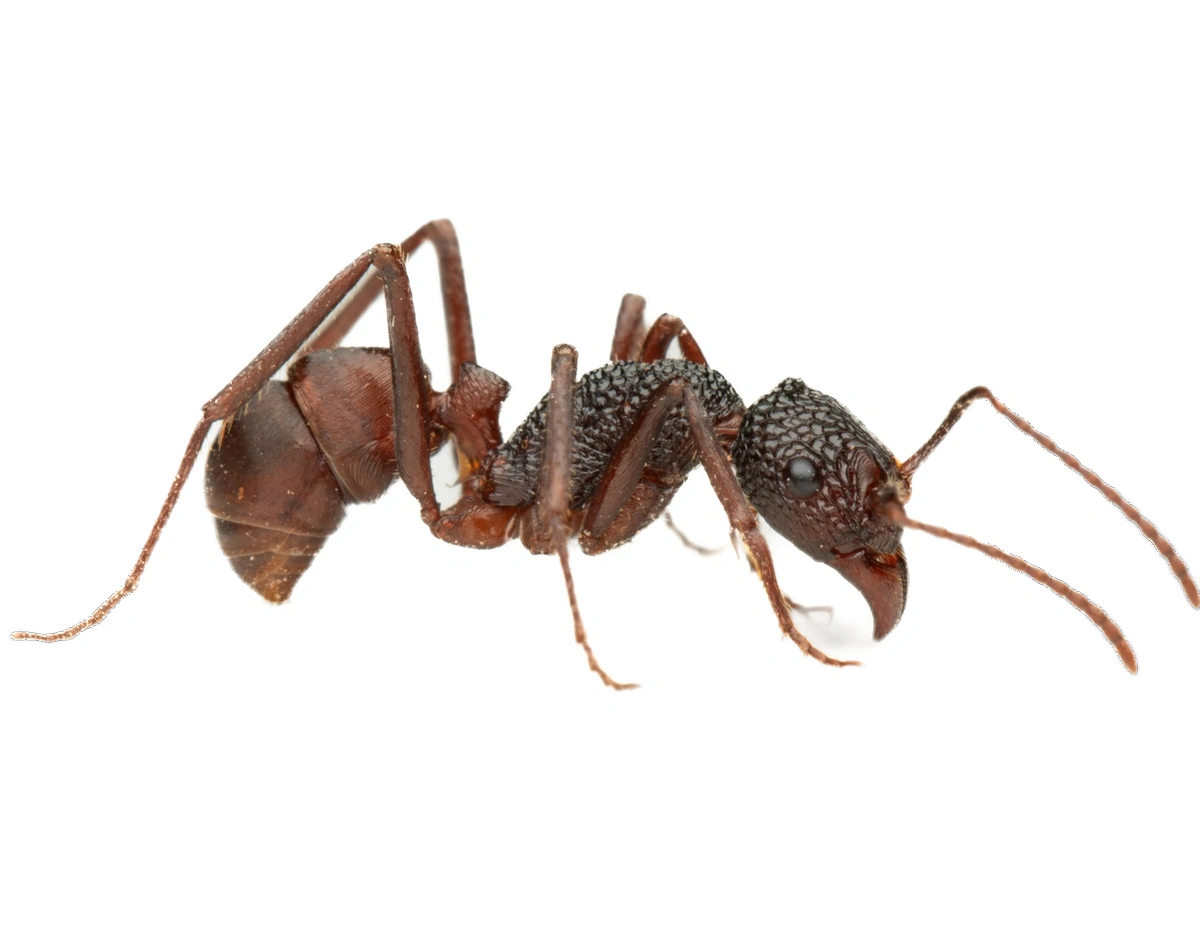

Rhytidoponera reticulata
- Scientific Name
- Rhytidoponera reticulata
- Tribe
- Ectatommini
- Subfamily
- Ectatomminae
- Author
- Forel, 1893
- Distribution
- Found in 1 countries
Rhytidoponera reticulata Overview
Rhytidoponera reticulata is an ant species of the genus Rhytidoponera. It is primarily documented in 1 countries , including Australia. Detailed taxonomic data and occurrence records can be further explored via authoritative databases such as AntWeb or the Global Biodiversity Information Facility (GBIF).
Rhytidoponera reticulata
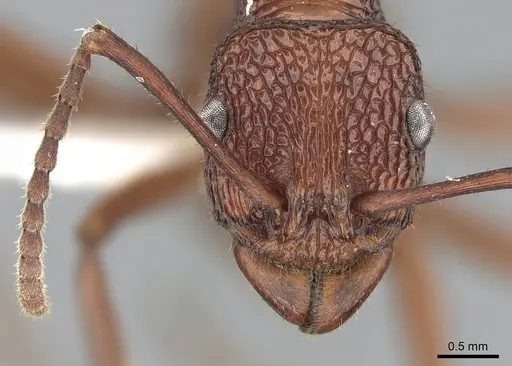
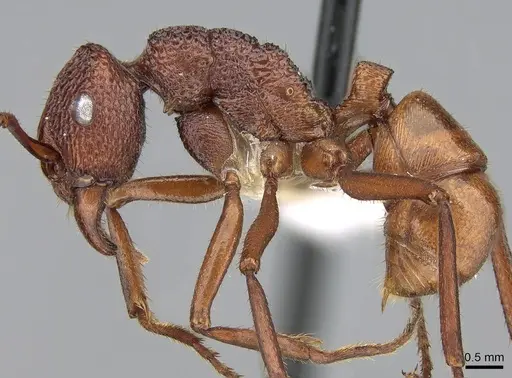
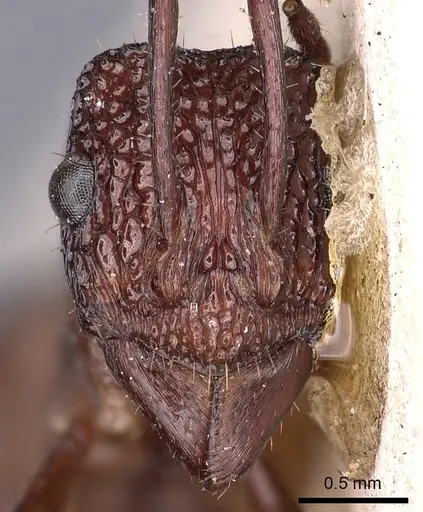
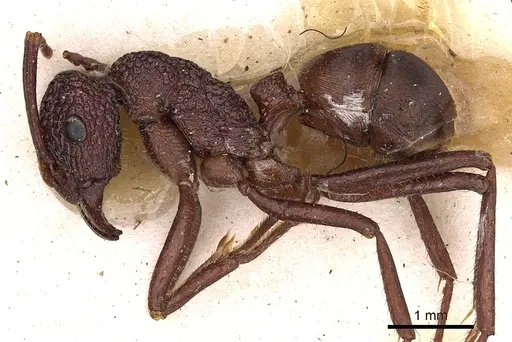
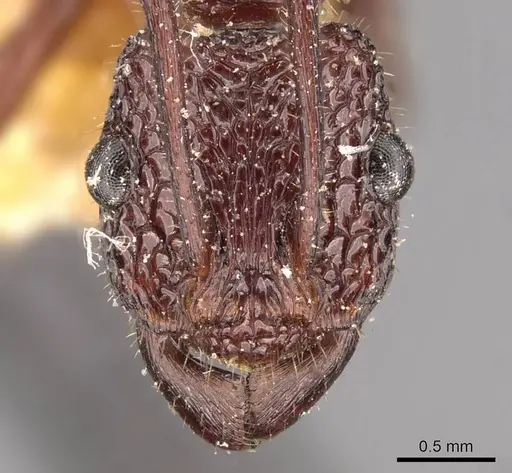
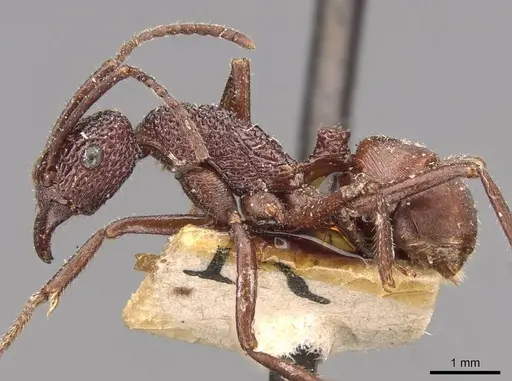
Rhytidoponera reticulata is a medium-sized ant native to northern Australia, particularly the Top End region of the Northern Territory. Workers measure approximately 6-9mm and have a distinctive metallic coppery-brown to reddish coloration with a lightly crested or ridged appearance on the mesosoma [1]. The species was originally described as Rhytidoponera reticulata by Forel in 1893 and was later transferred to Rhytidoponera [1]. These ants are among the most common ant species throughout Australia's Top End, where they thrive in the semi-arid tropical savannas and islands of the region [1][2]. As members of the subfamily Ectatomminae, they possess functional stingers and are primarily predatory, hunting small invertebrates in their natural habitat.
Quick Summary
- Difficulty: Medium
- Origin & Habitat: Northern Australia, specifically the Top End region of the Northern Territory including Port Darwin and surrounding islands (Wessel Islands, English Company Islands). They inhabit tropical savanna environments in the seasonal tropics [2].
- Colony Type: Colony structure is unconfirmed. Based on typical Rhytidoponera patterns, likely single-queen (monogyne) colonies.
- Size & Growth:
- Queen: Estimated 9-12mm based on genus typical sizes
- Worker: Estimated 6-9mm based on genus typical sizes
- Colony: Unknown for this specific species, likely moderate colony size of several hundred workers based on genus patterns
- Growth: Moderate, estimated based on related species
- Development: Estimated 6-10 weeks at optimal temperature based on genus-level data for similar Ectatomminae (Development time is estimated from related species, specific data for R. reticulata is not available)
- Antkeeping:
- Temperature: Keep at 24-28°C, they are a tropical species from northern Australia and prefer warm conditions. A gentle gradient allowing workers to self-regulate is recommended.
- Humidity: Moderate humidity around 50-70%. They prefer drier conditions compared to many tropical ants, reflecting their savanna habitat.
- Diapause: Likely minimal or no true diapause, as a tropical species from northern Australia, they may experience reduced activity during the dry season rather than cold-induced hibernation.
- Nesting: In captivity, they do well in Y-tong (AAC), plaster, or naturalistic setups with soil substrate. They are ground-nesting ants that typically nest under stones or in soil in the wild.
- Behavior: Rhytidoponera reticulata is a predatory ant with a functional stinger. Workers are active foragers that hunt small invertebrates. They are moderately aggressive when defending the colony but not excessively so. Escape prevention should be moderate, they are not extremely small but can climb smooth surfaces. Their metallic copper coloration makes them visually striking in captivity.
- Common Issues: Limited specific care information, much is inferred from genus-level data, Colony founding can be slow and challenging for beginners, Predatory nature requires consistent live prey availability, Stinging capability means they can deliver painful bites if handled roughly, Wild-caught colonies may carry parasites that affect captive survival
Housing and Nest Setup
Rhytidoponera reticulata does well in standard ant keeping setups. A Y-tong (AAC) nest works well because it provides dark, secure chambers that these ants prefer. Alternatively, a plaster nest with a hydration system maintains appropriate humidity levels. For a naturalistic setup, use a soil substrate with flat stones on top for nesting cover, this mimics their natural habitat of nesting under stones in tropical savannas. Ensure the outworld provides adequate space for foraging. Use a water test tube as a humidity source and a sugar water feeder. Escape prevention should include standard barrier methods like fluon on test tube rims.
Feeding and Diet
As predatory ants, they require protein-rich foods. Offer small live insects such as fruit flies, small crickets, mealworms, and other appropriately-sized invertebrates. They will also accept sugar sources like honey or sugar water for energy. In the wild, they hunt small arthropods in the savanna environment. Feed them protein 2-3 times per week and keep sugar water available at all times. Remove uneaten prey after 24-48 hours to prevent mold issues.
Temperature and Seasonal Care
Maintain temperatures between 24-28°C for optimal colony health and development. As a tropical species from northern Australia, they are adapted to warm conditions year-round. Avoid temperatures below 20°C for extended periods. They do not require true hibernation but may show reduced activity during the dry season in their natural range. Room temperature within their preferred range is usually sufficient without additional heating, though a heating cable on one side of the nest can create a beneficial gradient.
Behavior and Temperament
These ants are active foragers with a predatory lifestyle. Workers will hunt and subdue prey using their stinger. They are moderately defensive, they will respond to threats but are not excessively aggressive toward keepers. The workers have a distinctive metallic copper appearance that makes them visually appealing in captivity. They are primarily ground-dwelling but can climb. Monitor for escape attempts and use standard barrier methods.
Colony Development
Specific colony development data for R. reticulata is not available. Based on typical Rhytidoponera patterns, colony growth is likely moderate. Founding colonies may take several months to produce their first workers (nanitics). The queen is likely claustral, sealing herself in a chamber to raise the first brood on stored fat reserves. Be patient with founding colonies, they can take 2-4 months or longer to produce first workers depending on temperature and feeding.
Frequently Asked Questions
How long does it take for Rhytidoponera reticulata to produce first workers?
Specific data is not available, but based on genus patterns, expect 6-10 weeks from egg to worker at optimal temperature (24-28°C). Founding colonies may take 2-4 months or longer to establish their first nanitic workers.
Do Rhytidoponera reticulata ants sting?
Yes, as members of the subfamily Ectatomminae (formerly Ponerinae), they possess functional stingers. Their sting is reportedly painful, similar to other ponerine ants. Handle them gently and avoid provoking defensive responses.
What do Rhytidoponera reticulata ants eat?
They are predatory ants that primarily eat small live invertebrates like fruit flies, small crickets, and mealworms. They also accept sugar sources like honey or sugar water. Offer protein 2-3 times per week with sugar water always available.
Are Rhytidoponera reticulata good for beginners?
They are rated as Medium difficulty. While not the easiest species, they are manageable for keepers with some experience. Their predatory requirements and specific temperature needs make them better suited for those who have already kept simpler species like Lasius or Tetramorium.
Can I keep multiple Rhytidoponera reticulata queens together?
Colony structure is not confirmed for this species. Based on typical Rhytidoponera patterns, they likely form single-queen colonies. Combining unrelated queens is not recommended as they may fight.
What temperature do Rhytidoponera reticulata need?
Keep them at 24-28°C. They are tropical ants from northern Australia and prefer warm conditions. Avoid temperatures below 20°C for extended periods.
How big do Rhytidoponera reticulata colonies get?
Specific colony size data is not available for this species. Based on genus patterns, colonies likely reach several hundred workers. They are not considered supercolonial.
Do Rhytidoponera reticulata need hibernation?
They likely do not require true hibernation. As a tropical species from northern Australia, they may reduce activity during the dry season rather than cold-induced diapause. Room temperature maintenance year-round is appropriate.
Why is my Rhytidoponera reticulata colony declining?
Common causes include: insufficient protein in diet, temperatures outside their preferred range (24-28°C), low humidity, or parasites from wild-caught colonies. Ensure consistent feeding of live prey and appropriate temperature. If the colony was wild-caught, parasites are a common issue.
References

This caresheet is licensed under CC BY-SA 4.0 .
CASENT0281286
View on AntWeb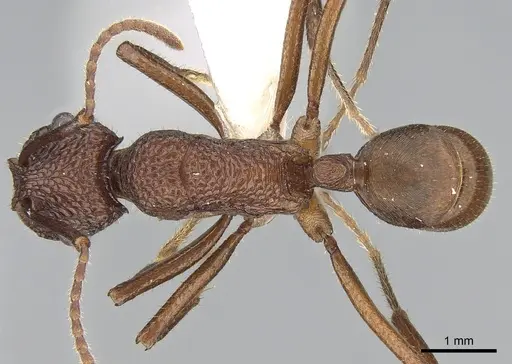
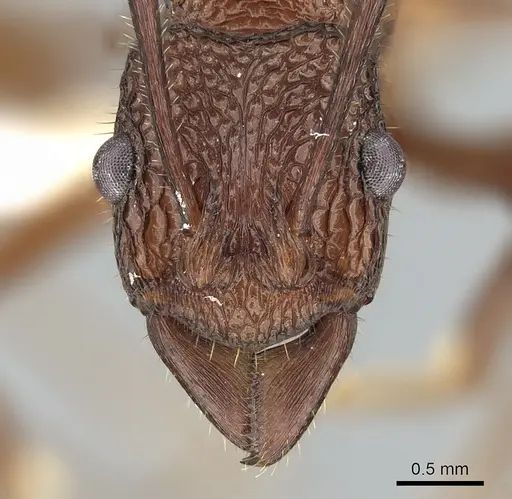
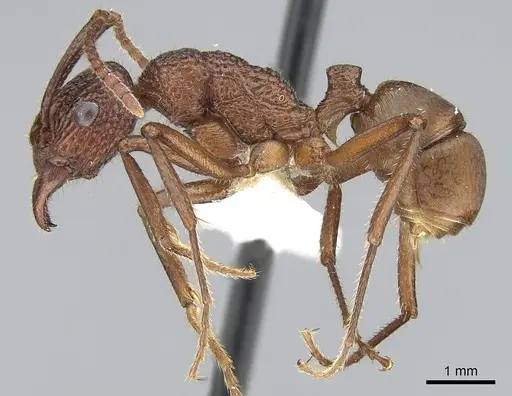
CASENT0281287
View on AntWeb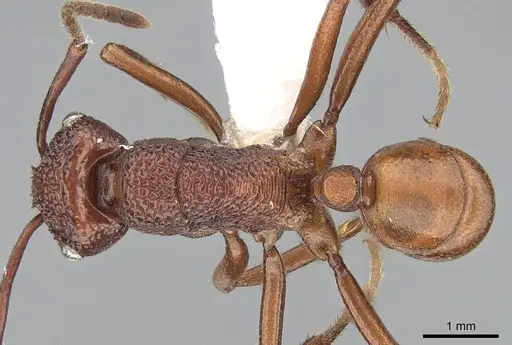
CASENT0900523
View on AntWeb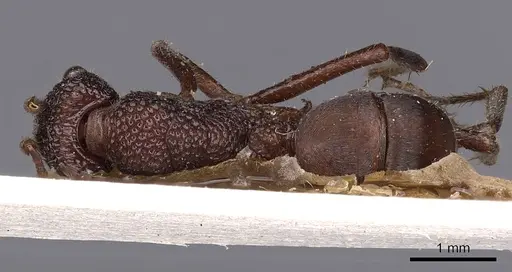
CASENT0907161
View on AntWeb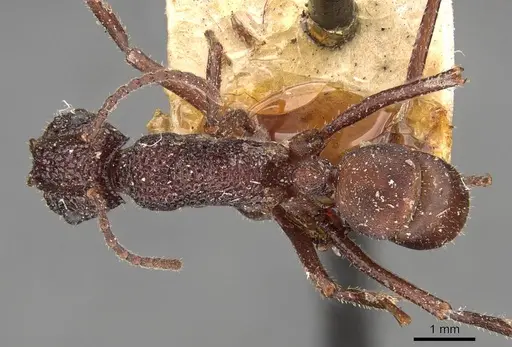
Literature
Loading...Loading products...