

Rhytidoponera purpurea
- Scientific Name
- Rhytidoponera purpurea
- Tribe
- Ectatommini
- Subfamily
- Ectatomminae
- Author
- Emery, 1887
- Distribution
- Found in 2 countries
Rhytidoponera purpurea Overview
Rhytidoponera purpurea is an ant species of the genus Rhytidoponera. It is primarily documented in 2 countries , including Australia, Papua New Guinea. Detailed taxonomic data and occurrence records can be further explored via authoritative databases such as AntWeb or the Global Biodiversity Information Facility (GBIF).
Rhytidoponera purpurea
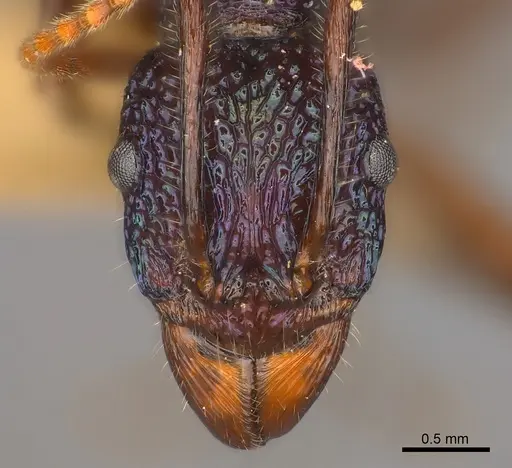
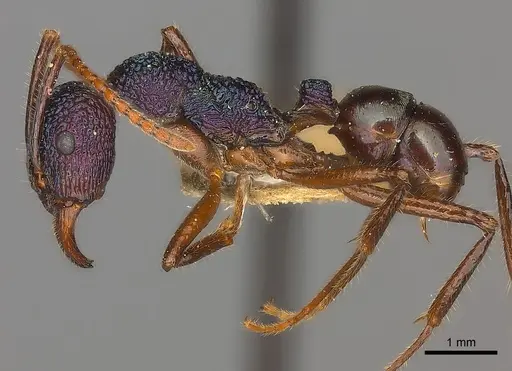
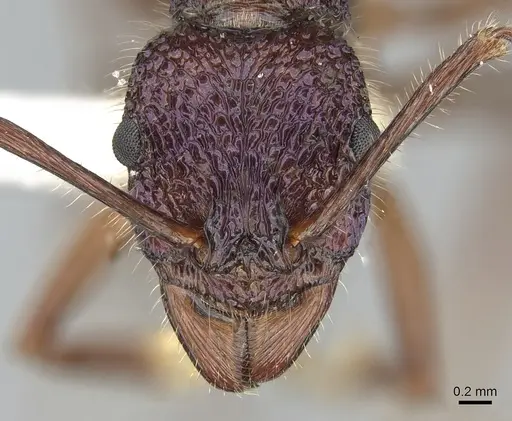
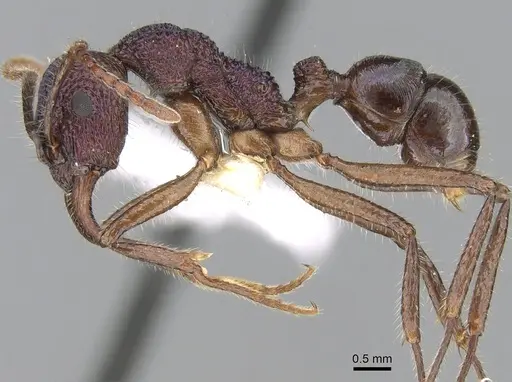
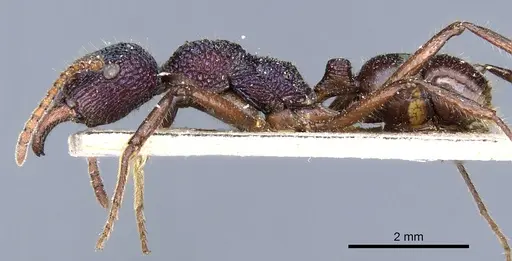
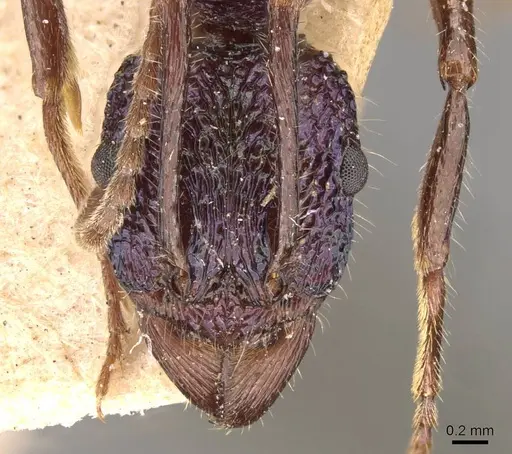
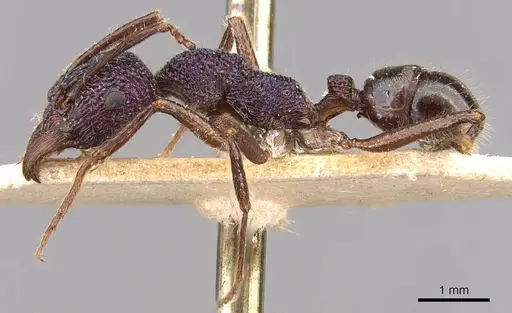
Rhytidoponera purpurea is a medium-sized ponerine ant native to the rainforests of northern Queensland, Australia, and New Guinea. Workers measure around 6-8mm and have a distinctive dark purple to metallic blue-black coloration that gives them their common name. This species belongs to the Rhytidoponera impressa group and is notable for being the ONLY species in its genus where gamergates (reproductive workers) do not occur, unlike its close relative R. confusa which has gamergates [1]. Colonies are strictly monogynous with a single queen, and workers are monomorphic (all the same size). These ants inhabit montane tropical rainforests at elevations of 550-760m, making them a cooler-climate rainforest species compared to many other Australian ants [2].
Quick Summary
- Difficulty: Medium
- Origin & Habitat: Northern Queensland, Australia and New Guinea (Indonesia/Papua New Guinea). Inhabits tropical and montane rainforest at 550-760m elevation [2]. Confined to rainforest environments and absent from lowland areas [2][3].
- Colony Type: Strictly monogynous, single queen colonies only. All known colonies are queenright (have a functional queen). This species is unique in the genus for lacking gamergate replacement reproductives, if the queen dies, the colony cannot replace her [4][5][1].
- Colony: Monogyne
- Founding: Semi-claustral
- Size & Growth:
- Queen: Estimated 8-10mm based on genus patterns
- Worker: Estimated 6-8mm based on genus patterns
- Colony: Likely several hundred workers based on related species
- Growth: Moderate, estimated based on Ponerine development patterns
- Development: Estimated 8-12 weeks at optimal temperature based on related Ponerine species (Development time not directly studied, estimates based on genus patterns for Rhytidoponera species)
- Antkeeping:
- Temperature: Keep at 20-24°C. As a montane rainforest species from 550-760m elevation, they prefer cooler conditions than typical tropical ants. Avoid temperatures above 26°C [2].
- Humidity: High humidity required, think damp rainforest floor. Keep substrate consistently moist but not waterlogged. Provide a humidity gradient with a moist nest area and slightly drier outworld.
- Diapause: Minimal or no true diapause. Queensland populations may experience reduced activity during cooler months (Australian winter, roughly May-September) but do not require extended cold periods like temperate species.
- Nesting: In nature they nest in soil and rotting wood within rainforest habitats. In captivity, a naturalistic setup with moist substrate (soil/sand mix) or a Y-tong/plaster nest works well. They prefer dark, humid nest chambers.
- Behavior: Workers are aggressive during nest disturbance, the most aggressive of the studied species in their group [5]. They have sophisticated foraging and recruitment behavior, using chemical trails to coordinate food discovery [5]. They are active foragers that will recruit nestmates to food sources. These ants have functional stingers (Ectatomminae are known for their painful stings). Escape risk is moderate, use standard barrier precautions. Handle with care as they will sting if threatened.
- Common Issues: queen loss is permanent, no gamergate replacement means colony dies if queen dies, high humidity requirements can lead to mold if ventilation is poor, aggressive workers will sting readily when nest is disturbed, cold-sensitive, temperatures above 26°C may stress colonies, wild-caught colonies may have parasites that can decimate captive populations
Housing and Nest Setup
Rhytidoponera purpurea requires high humidity housing that mimics their montane rainforest origin. A naturalistic setup with a moist soil substrate (mix of soil and sand for drainage) works well, or you can use a Y-tong/plaster nest with a water reservoir. The nest area should be dark and humid, these ants avoid bright light and will nest in shaded areas. Provide a moisture gradient so ants can choose their preferred humidity zone. Use a shallow outworld for foraging with a secure lid, while not extreme escape artists, they are active and will explore gaps. Temperature should be kept at 20-24°C using a heating cable on one side of the nest if needed, but avoid direct heat on the nest chamber [2].
Feeding and Diet
These ants are generalist predators with sophisticated foraging behavior. They accept small live insects (fruit flies, small crickets, mealworms) as primary protein sources. Their recruitment behavior means once a worker finds a good food source, they'll lead others to it, so feed appropriately sized portions. They likely also collect honeydew from aphids in the wild, so you can offer sugar water or honey occasionally. Feed protein 2-3 times per week and provide constant access to sugar sources. Remove uneaten prey after 24 hours to prevent mold. [3][1]
Temperature and Seasonal Care
As a montane rainforest species from 550-760m elevation, R. purpurea prefers cooler temperatures than typical tropical ants, aim for 20-24°C [2]. They are native to Queensland and New Guinea rainforests where temperatures are mild year-round. Avoid temperatures above 26°C as this can stress colonies. During the Australian winter (roughly May-September), activity may naturally decrease, you can reduce feeding frequency but do not need to induce true diapause. Room temperature in most homes should be suitable, but monitor during summer heat waves.
Behavior and Defense
Workers are notably aggressive when their nest is disturbed, the most aggressive of the Rhytidoponera species studied [5]. They have functional stingers and will use them if threatened. Their sophisticated recruitment behavior includes chemical trail-laying to coordinate foraging [5]. When keeping this species, minimize nest disturbances and use caution during feeding and maintenance. They are active foragers and will establish clear trails to food sources. This is not a species for handling, observe through the nest or use tools for maintenance.
Colony Lifecycle and Queen Care
This species is strictly monogynous with a single queen, and uniquely lacks gamergates (reproductive workers), the only Rhytidoponera species without this capability [1]. This means if your queen dies, the colony cannot replace her and will eventually die out. Queens can live up to 12.5 years based on related ant data [6], so a healthy colony can persist for many years. The colony grows moderately, expect several months to a year for first workers (nanitics) to develop, then steady growth to several hundred workers over several years. Only queenright colonies have been observed in the wild [5].
Frequently Asked Questions
Does Rhytidoponera purpurea have a stinger?
Yes. As a member of the subfamily Ectatomminae (related to Ponerinae), they have functional stingers and will sting if threatened. Their sting is painful, handle with care and minimize nest disturbances.
Can I keep multiple queens together?
No. This species is strictly monogynous, colonies have only a single queen. Unlike some related Rhytidoponera species, they do not form multi-queen colonies. Attempting to introduce additional queens will result in fighting.
What happens if my queen dies?
The colony will not survive long-term. Unlike most Rhytidoponera species, R. purpurea lacks gamergates (reproductive workers that can replace a lost queen). This is a unique trait among the genus, the closely related R. confusa has gamergates but R. purpurea does not [1].
How long does it take for first workers to appear?
Estimated 8-12 weeks from egg to worker at optimal temperature (20-24°C). This is based on typical Ponerine development patterns as specific timing has not been documented for this species. First workers (nanitics) will be smaller than mature workers.
Are these ants good for beginners?
Not ideal for beginners. They require high humidity, cooler temperatures, and their aggressive nature and functional stingers make them harder to handle than many beginner-friendly species. They also cannot replace a lost queen. However, experienced antkeepers who can provide proper humidity and temperature control will find them rewarding.
Do they need hibernation?
No true hibernation is required. As a Queensland species from a mild rainforest climate, they do not need cold periods. Activity may decrease during the Australian winter (May-September) but room temperature housing is typically sufficient year-round.
What temperature range is best?
Keep them at 20-24°C. As a montane rainforest species from 550-760m elevation, they prefer cooler conditions than typical tropical ants. Avoid temperatures above 26°C [2].
Why are my workers dying outside the nest?
Some worker mortality is normal, but significant deaths may indicate stress from improper temperature (too hot), low humidity, disease, or pesticide exposure. Check your conditions and ensure the queen is still laying eggs. Also ensure food is not fouling the nest.
How big do colonies get?
Based on related species, colonies likely reach several hundred workers over 2-4 years. They are not among the largest Rhytidoponera but maintain moderate-sized, stable colonies.
References

This caresheet is licensed under CC BY-SA 4.0 .
CASENT0217495
View on AntWeb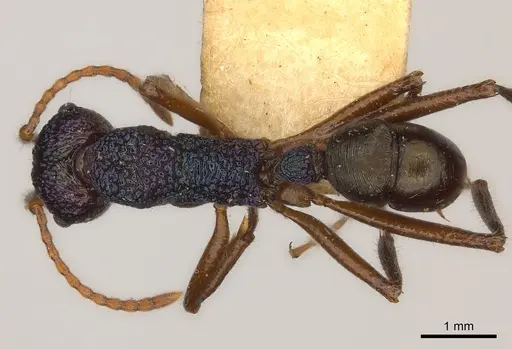
CASENT0281240
View on AntWeb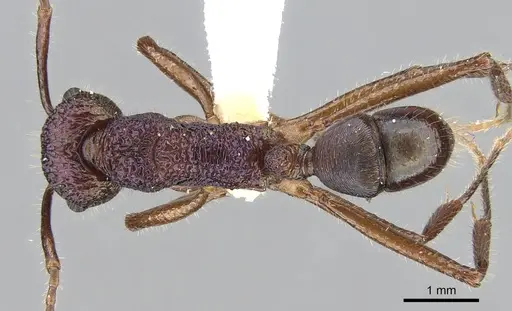
CASENT0903823
View on AntWeb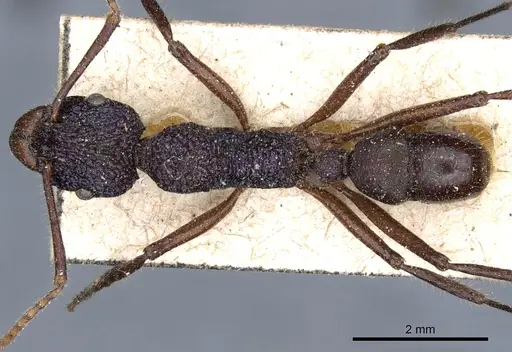
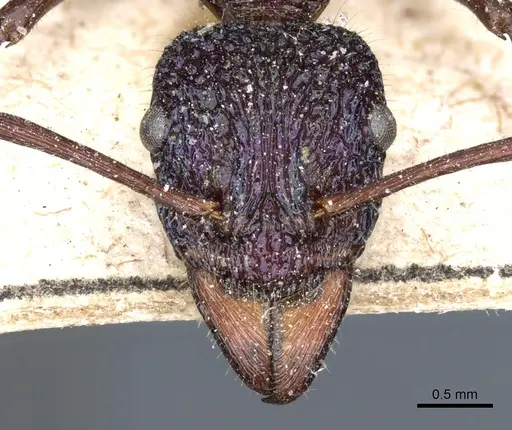
CASENT0907156
View on AntWeb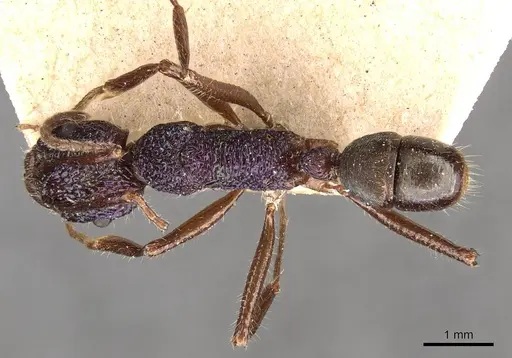
Literature
Loading...Loading products...