

Rhytidoponera punctigera
- Scientific Name
- Rhytidoponera punctigera
- Tribe
- Ectatommini
- Subfamily
- Ectatomminae
- Author
- Crawley, 1925
- Distribution
- Found in 1 countries
Rhytidoponera punctigera Overview
Rhytidoponera punctigera is an ant species of the genus Rhytidoponera. It is primarily documented in 1 countries , including Australia. Detailed taxonomic data and occurrence records can be further explored via authoritative databases such as AntWeb or the Global Biodiversity Information Facility (GBIF).
Rhytidoponera punctigera
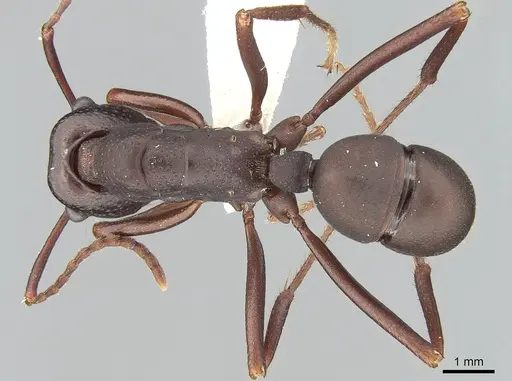
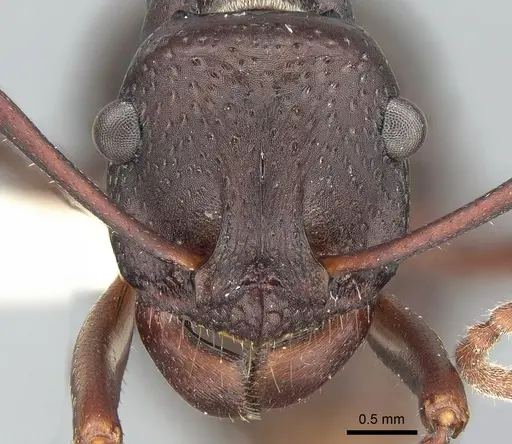
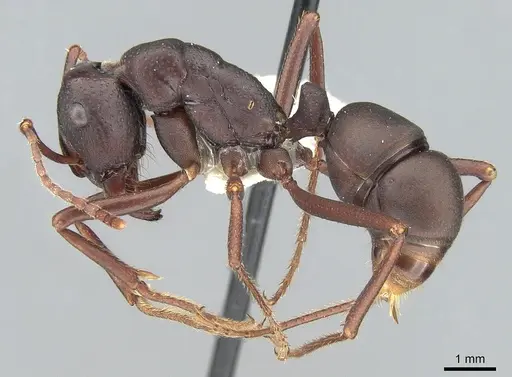
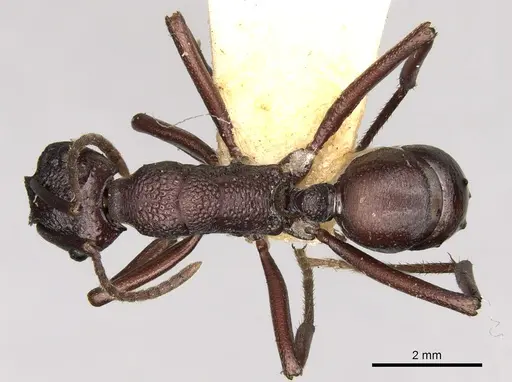
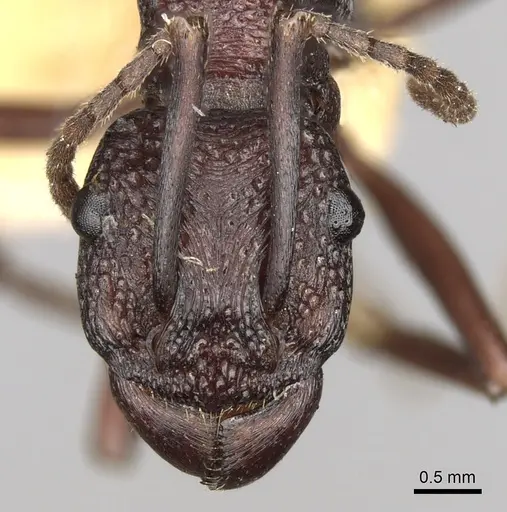
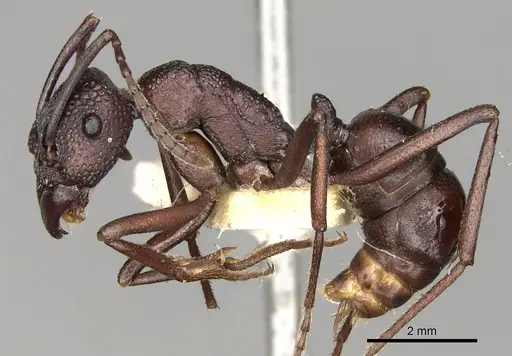
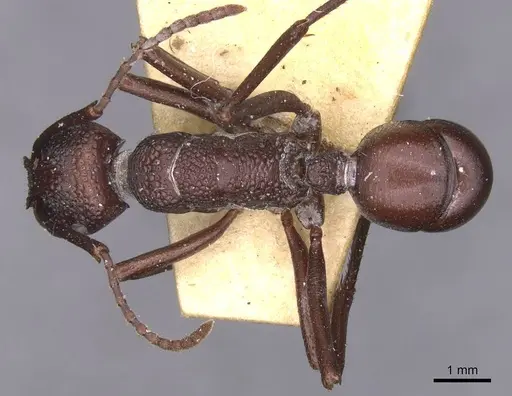
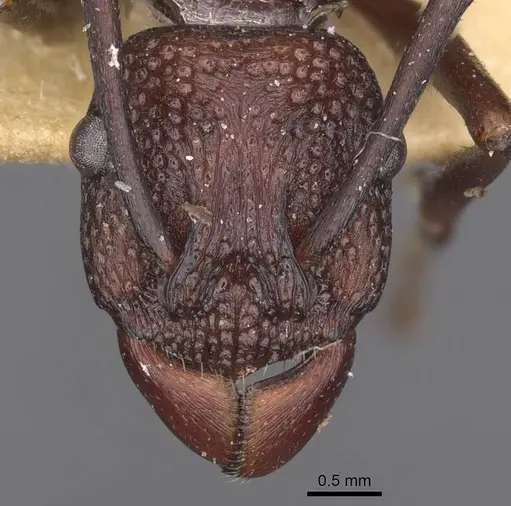
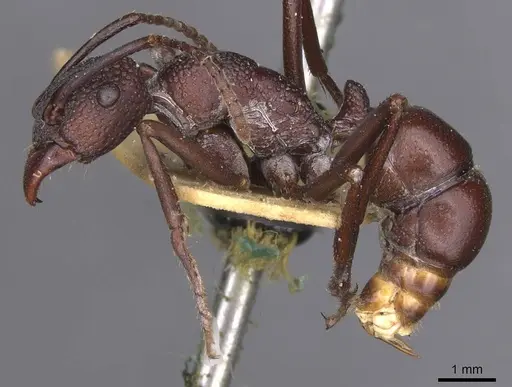
Rhytidoponera punctigera is a large, striking ant species native to Western Australia. Workers reach about 9.5mm in length and have a distinctive dark reddish-brown coloration with a notably shiny (almost hairless) body surface. The gaster is slightly darker, while the legs, antennae, and tip of the abdomen are a darker red. These ants are found primarily in the wetter regions of the Darling Range and Swan coastal plain in Western Australia [1].
This species belongs to the Ectatomminae subfamily, which means they possess a functional stinger and can deliver a painful sting if handled roughly. They are ground-nesting ants adapted to Australian conditions. While not as commonly kept as some other Australian species, their large size and attractive coloration make them an interesting species for experienced antkeepers.
Quick Summary
- Difficulty: Medium
- Origin & Habitat: Western Australia, primarily in wetter areas of the Darling Range and Swan coastal plain [1]. They inhabit forest and woodland areas in this region.
- Colony Type: Colony structure is unconfirmed. Based on typical Rhytidoponera patterns, they likely form single-queen colonies.
- Size & Growth:
- Queen: Unknown, estimated 10-12mm based on worker size and genus patterns
- Worker: 9.5mm
- Colony: Unknown, estimated several hundred workers based on similar Rhytidoponera species
- Growth: Moderate, estimated based on genus patterns
- Development: Estimated 6-10 weeks at optimal temperature based on related Ectatomminae species (Development time is estimated as no specific data exists for this species. Related Ectatomminae ants typically take 6-10 weeks from egg to worker at warm temperatures.)
- Antkeeping:
- Temperature: Keep at 22-26°C, these are Australian ants adapted to temperate conditions. A slight gradient allowing warmer (around 26°C) and cooler areas lets workers regulate their temperature.
- Humidity: Moderate humidity is suitable. These ants come from the wetter regions of southwestern Australia, so aim for 50-70% humidity. Allow the nest substrate to dry slightly between waterings.
- Diapause: Likely required, Western Australian temperate ants typically need a winter rest period. Provide 2-3 months at 10-15°C during winter.
- Nesting: Use a naturalistic setup with soil or a Y-tong/plaster nest. They prefer nesting in soil with some moisture retention. Provide a foraging area with access to protein foods.
- Behavior: Rhytidoponera punctigera is a moderately aggressive species with a functional stinger. Workers are active foragers that search for protein sources and will defend the colony energetically. They are not escape artists due to their larger size, but standard escape prevention is still recommended. Workers are primarily ground-dwelling and may be active during warmer parts of the day.
- Common Issues: Stinger, these ants can sting and cause painful welts. Handle gently and avoid free-handling., Limited availability, this species is not commonly available in the antkeeping hobby, making colonies hard to find., Unknown colony structure, founding behavior and colony dynamics are not well-documented., Winter mortality, improper hibernation conditions can kill colonies., Slow establishment, founding colonies may take longer to establish compared to more common species.
Housing and Nest Setup
Rhytidoponera punctigera does well in a naturalistic setup with a soil chamber or a Y-tong/plaster formicarium. Since they come from southwestern Australia, they prefer nest conditions that retain some moisture but also allow for drier areas within the setup. A nesting box or test tube setup works well for founding colonies, while larger colonies can be moved to more spacious formicaria. Provide a deep substrate layer (at least 5cm) if using a naturalistic setup to allow for proper tunnel construction. The outworld should include a water station and protein food dishes. [1]
Feeding and Diet
Like most Rhytidoponera species, these ants are predatory and will accept various protein sources. Offer small insects (fruit flies, small crickets, mealworms) as a primary food source. They will also accept sugar water or honey as an energy source. Feed protein 2-3 times per week for established colonies, and ensure sugar water is always available. Remove uneaten prey after 24-48 hours to prevent mold issues.
Temperature and Seasonal Care
Maintain temperatures between 22-26°C during the active season. These ants are adapted to temperate Australian conditions and will become less active at cooler temperatures. During winter (roughly May through August in the Southern Hemisphere), reduce temperatures to 10-15°C to provide a proper diapause period. This winter rest is important for colony health and may trigger reproductive behavior in spring. Do not feed heavily during hibernation and keep the nest slightly drier. [1]
Behavior and Handling
Rhytidoponera punctigera workers are moderately aggressive and will readily use their stinger when threatened. This species should be considered capable of delivering a painful sting, handle with care and avoid allowing them to walk on bare skin. They are active foragers and will readily search for food in the outworld. Workers are relatively large (9.5mm), making them easier to contain than smaller species, but they can still climb smooth surfaces. Use standard barrier methods (fluon on rim edges) for escape prevention.
Colony Establishment
Founding behavior is unconfirmed for this specific species, but based on related Ectatomminae ants, the queen likely seals herself in a claustral chamber and raises the first brood alone using stored fat reserves. Expect the first workers (nanitics) to emerge after 6-10 weeks under warm conditions. Founding colonies should be kept in a quiet, dark location with minimal disturbance. Do not feed the queen during founding, she will survive on her stored reserves until the first workers emerge.
Frequently Asked Questions
Does Rhytidoponera punctigera sting?
Yes. As an Ectatomminae species, they possess a functional stinger and can deliver a painful sting. Handle gently and avoid free-handling.
How long does it take for the first workers to emerge?
Estimated 6-10 weeks from egg to worker at optimal temperatures (22-26°C). This is based on related Ectatomminae species as specific development data for R. punctigera is not available.
Can I keep multiple queens together?
Not recommended. Combining unrelated queens of this species has not been documented and would likely result in aggression. Single-queen colonies are recommended.
What do Rhytidoponera punctigera eat?
They are predatory ants that accept small insects as their primary food. Offer fruit flies, small crickets, or mealworms. They will also drink sugar water or honey for energy.
Do they need hibernation?
Yes, likely required. As a Western Australian temperate species, they should be given a winter rest period of 2-3 months at 10-15°C.
Are Rhytidoponera punctigera good for beginners?
No. This species is rated as medium difficulty and is not commonly available. Their stinger and limited availability make them better suited for experienced antkeepers.
How big do colonies get?
Colony size is estimated at several hundred workers based on similar Rhytidoponera species. Exact maximum size is unknown as this species has not been extensively studied in captivity.
When should I move them to a formicarium?
Wait until the colony has at least 20-30 workers before moving to a larger setup. For founding colonies, keep them in a test tube setup until the colony is well-established.
What temperature is ideal for this species?
Keep them at 22-26°C during the active season. Provide a temperature gradient so workers can choose their preferred zone.
Why is my colony dying?
Common causes include improper temperature (too cold or too hot), incorrect humidity (too dry or waterlogged), overfeeding leading to mold, or stress from excessive disturbance. Ensure proper hibernation conditions arrive in winter.
References

This caresheet is licensed under CC BY-SA 4.0 .
Literature
Loading...Loading products...