

Rhytidoponera pulchella
- Scientific Name
- Rhytidoponera pulchella
- Tribe
- Ectatommini
- Subfamily
- Ectatomminae
- Author
- Emery, 1883
- Distribution
- Found in 1 countries
Rhytidoponera pulchella Overview
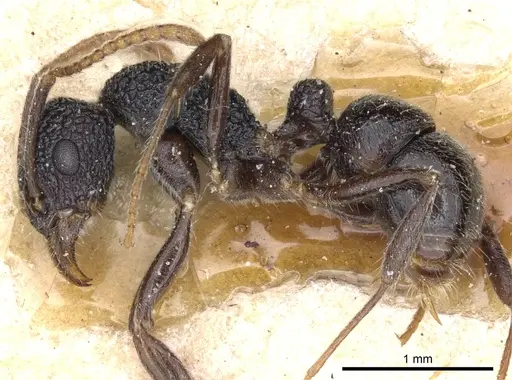
Rhytidoponera pulchella is an ant species of the genus Rhytidoponera. It is primarily documented in 1 countries , including New Caledonia. Detailed taxonomic data and occurrence records can be further explored via authoritative databases such as AntWeb or the Global Biodiversity Information Facility (GBIF).
Rhytidoponera pulchella
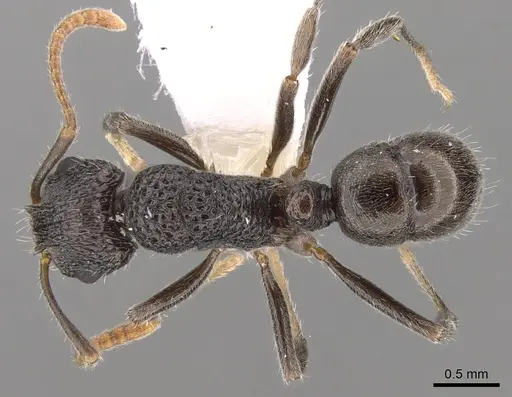
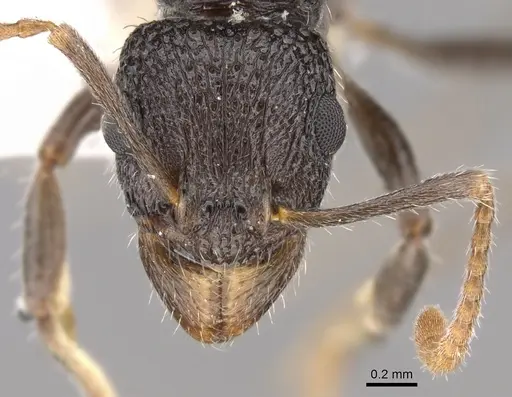
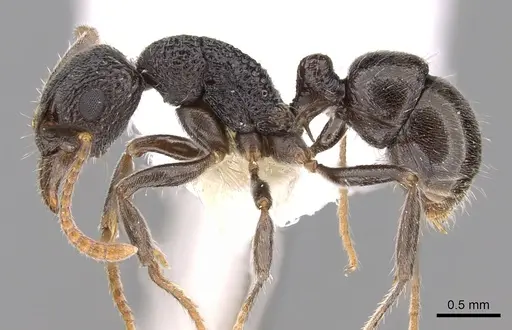
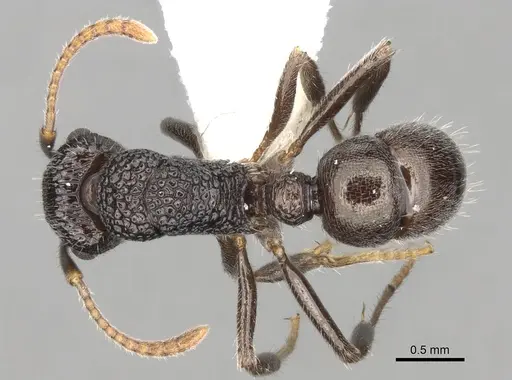
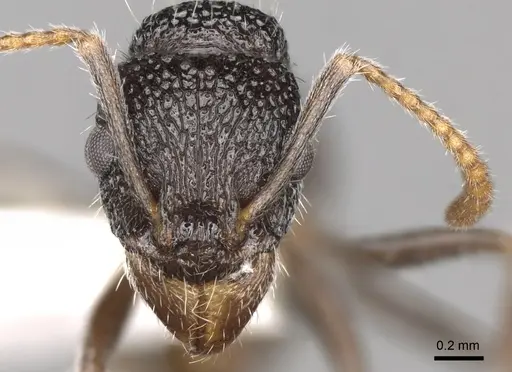
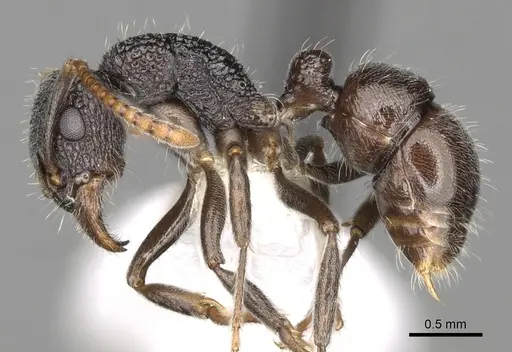
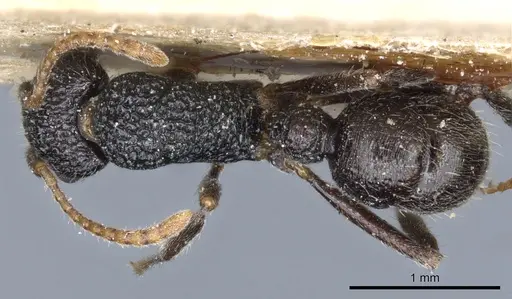
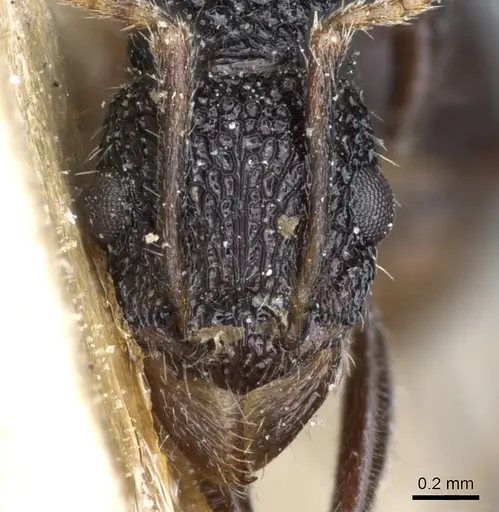
Rhytidoponera pulchella is a small ant species native to New Caledonia, an island in the South Pacific. Workers were originally described by Emery in 1883,with males later described in 1914. The species was revised by Ward in 1984,confirming its status as a valid species within the genus Rhytidoponera [1]. As a member of the subfamily Ectatomminae, these ants possess a functional stinger, which is important for keepers to understand when handling [2]. This species remains poorly documented in scientific literature, with most care guidance derived from what we know about related species in the genus and subfamily.
Quick Summary
- Difficulty: Medium
- Origin & Habitat: New Caledonia, a tropical island in the South Pacific with humid, warm conditions year-round [1]. The island features diverse habitats from coastal areas to montane forests, with consistent temperatures and high humidity.
- Colony Type: Colony structure is unconfirmed. Based on typical Rhytidoponera patterns, colonies likely have a single queen (monogyne), though some related species can have multiple queens.
- Size & Growth:
- Queen: Estimated 6-8mm based on genus patterns for Rhytidoponera species [2].
- Worker: Estimated 4-6mm based on genus patterns [2].
- Colony: Unknown for this species. Related Rhytidoponera species typically form colonies of several hundred workers.
- Growth: Moderate, estimated based on similar tropical Ectatomminae species.
- Development: Estimated 6-10 weeks at tropical temperatures (24-28°C), based on typical development times for related species in the subfamily [2]. (Development time is estimated as this specific species has not been studied. Tropical Ectatomminae generally develop faster than temperate species.)
- Antkeeping:
- Temperature: Keep at 24-28°C. New Caledonia is tropical with year-round warmth, so these ants likely prefer stable warm conditions. A slight gradient allowing cooler areas (around 22°C) is beneficial.
- Humidity: High humidity is essential, aim for 70-85%. New Caledonia has a humid tropical climate. Keep the nest substrate consistently moist but not waterlogged, with some drier areas available.
- Diapause: No, as a tropical species from New Caledonia, these ants do not require hibernation or winter rest. They remain active year-round at warm temperatures.
- Nesting: Based on typical Rhytidoponera nesting preferences, they likely prefer soil nests or nests in rotting wood. In captivity, a naturalistic setup with moist substrate or a Y-tong/plaster nest works well. Avoid completely dry conditions.
- Behavior: Rhytidoponera ants are typically active foragers with a moderate aggression level. They are known to hunt small invertebrates and may tend aphids for honeydew. Workers are moderately sized and can defend themselves using their stinger. Escape prevention should be moderate, they are not extremely small but can climb smooth surfaces. Handle with care as they can deliver a sting if provoked.
- Common Issues: tropical species may decline if temperatures drop below 22°C consistently, high humidity requirements mean mold can be an issue if ventilation is poor, limited documentation means colony establishment from wild-caught queens may be challenging, stinger means they can deliver painful stings if handled roughly, use caution, as a poorly documented species, unexpected issues may arise during captive breeding
Temperature and Care
As a tropical species from New Caledonia, Rhytidoponera pulchella requires warm, stable temperatures to thrive. Keep the nest area at 24-28°C, with a slight gradient allowing workers to self-regulate by moving to cooler areas if needed. Room temperature in most homes (20-24°C) may be slightly cool, consider using a heating cable or mat on one side of the nest to maintain optimal warmth. Avoid temperature fluctuations and drafts. Since New Caledonia has a consistently warm climate year-round, these ants do not benefit from seasonal cooling cycles. If your room temperature is below 22°C, provide gentle bottom heat using a heating cable placed under or to the side of the nest [2].
Humidity and Water Requirements
High humidity is critical for this species. New Caledonia features a humid tropical climate, so aim for 70-85% relative humidity in the nest. Keep the substrate consistently moist but not waterlogged, the substrate should feel damp to the touch. Provide a water tube or moisture source in the outworld so workers can drink. Good ventilation is also important to prevent mold growth, but avoid excessive airflow that dries out the nest. A naturalistic setup with a moisture-retaining substrate works well, or you can use a plaster/Y-tong nest which holds humidity well. Monitor for condensation buildup and adjust ventilation as needed [2].
Feeding and Diet
Based on typical Ectatomminae and Rhytidoponera feeding habits, these ants are likely omnivorous with a preference for protein. Offer small live prey such as fruit flies, small crickets, or mealworms. They may also accept sugar sources like honey water or sugar water, especially if they are tending aphids in the wild. Feed protein prey 2-3 times per week, and keep a sugar source available at all times. Remove uneaten prey after 24-48 hours to prevent mold. Since this species is poorly documented, be prepared to experiment with different food types to determine preferences [2].
Nesting Preferences
In the wild, Rhytidoponera species typically nest in soil or rotting wood. For captive care, a naturalistic setup with moist substrate works well, use a mix of soil and sand that holds moisture while providing structure for tunneling. Alternatively, Y-tong (acrylic) nests or plaster nests with moisture chambers are suitable and make it easier to maintain humidity levels. Avoid completely dry nests or tall vertical setups. The nest should be dark and offer workers sheltered spaces for brood development. A small outworld connected to the nest allows for foraging and waste disposal [2].
Behavior and Temperament
Rhytidoponera pulchella workers are active foragers that will hunt small invertebrates and collect sugar sources. They possess a functional stinger as members of the Ectatomminae subfamily, so handle with care, they may sting if threatened or squeezed. Workers are moderately aggressive in defense of their nest but not particularly territorial or expansive in their foraging. Colonies are likely moderate in size, potentially reaching several hundred workers over time. They are not known to be escape artists, but standard escape prevention (fluon on rim edges) is still recommended. Workers are typically day-active, foraging during warmer hours [2].
Colony Establishment
Since Rhytidoponera pulchella is poorly documented, colony establishment may require patience and experimentation. If obtaining a wild-caught queen, she is likely claustral, she will seal herself in a chamber and raise the first brood alone on stored fat reserves. Provide a small test tube setup with moist cotton and keep her warm (26-28°C) in darkness. Do not disturb her during the founding period. Once workers emerge (nanitics will be smaller than normal workers), gradually introduce small prey. Growth will likely be moderate, expect several months before the colony has more than a dozen workers. If purchasing an established colony, ensure they are acclimated to captive conditions [2].
Frequently Asked Questions
How long does it take for Rhytidoponera pulchella to develop from egg to worker?
The exact development time is unconfirmed for this species, but based on typical tropical Ectatomminae development, expect approximately 6-10 weeks from egg to first worker at optimal temperatures (24-28°C). First workers (nanitics) will be smaller than mature workers and may take additional time to develop fully.
Do Rhytidoponera pulchella ants sting?
Yes. As members of the subfamily Ectatomminae, they possess a functional stinger and can deliver a painful sting if provoked. Handle gently and avoid squeezing or threatening them. The sting is not medically significant for healthy humans but can cause discomfort.
What temperature do Rhytidoponera pulchella ants need?
Keep them warm at 24-28°C. As a tropical species from New Caledonia, they require year-round warmth. Room temperature alone may be slightly cool, consider providing gentle bottom heat using a heating cable if your room is below 22°C.
Are Rhytidoponera pulchella good for beginners?
This species is not ideal for complete beginners due to its high humidity requirements and the fact that it is poorly documented in captivity. However, experienced antkeepers familiar with tropical species should find it manageable. Start with more common species if you are new to antkeeping.
How big do Rhytidoponera pulchella colonies get?
Colony size is unconfirmed for this specific species, but based on related Rhytidoponera species, colonies likely reach several hundred workers. Growth is moderate, expect several months to a year to reach 50+ workers.
Do Rhytidoponera pulchella need hibernation?
No. As a tropical species from New Caledonia, they do not require hibernation or winter rest. Maintain warm temperatures year-round. They remain active throughout the year in captivity.
What do Rhytidoponera pulchella ants eat?
Based on typical genus preferences, they are omnivorous with a protein focus. Offer small live prey such as fruit flies, small crickets, or mealworms 2-3 times per week. They also likely accept sugar sources like honey water or sugar water. Remove uneaten food promptly.
Can I keep multiple Rhytidoponera pulchella queens together?
The colony structure is unconfirmed for this species. Based on typical Rhytidoponera patterns, single-queen colonies are most common. Combining unrelated queens is not recommended as they may fight. If you obtain a colony, assume single-queen structure unless you observe multiple egg-laying queens.
What humidity level do Rhytidoponera pulchella ants need?
High humidity is essential, aim for 70-85%. Keep the nest substrate consistently moist but not waterlogged. New Caledonia has a humid tropical climate, so these ants are not tolerant of dry conditions. Use a moisture-retaining substrate or plaster nest.
When should I move Rhytidoponera pulchella to a formicarium?
Wait until the colony has at least 30-50 workers before moving to a formicarium. Test tube setups are best for founding colonies. Once the colony outgrows the test tube (typically when workers fill the tube and there are 50+ workers), you can move them to a larger naturalistic setup or Y-tong nest.
Why is my Rhytidoponera pulchella colony declining?
Common causes include: temperatures below 22°C, low humidity or dried-out substrate, insufficient protein in diet, mold from poor ventilation, or stress from disturbance. Review your temperature and humidity levels first. Also ensure you are not overfeeding, which causes mold issues.
Is Rhytidoponera pulchella aggressive?
They have moderate aggression and will defend their nest if threatened. They possess a stinger and may sting if provoked. However, they are not particularly territorial or prone to biting humans. Handle gently and they are generally manageable in captivity.
References

This caresheet is licensed under CC BY-SA 4.0 .
Literature
Loading...Loading products...