

Rhytidoponera opaciventris
- Scientific Name
- Rhytidoponera opaciventris
- Tribe
- Ectatommini
- Subfamily
- Ectatomminae
- Author
- Ward, 1984
- Distribution
- Found in 1 countries
Rhytidoponera opaciventris Overview
Rhytidoponera opaciventris is an ant species of the genus Rhytidoponera. It is primarily documented in 1 countries , including New Caledonia. Detailed taxonomic data and occurrence records can be further explored via authoritative databases such as AntWeb or the Global Biodiversity Information Facility (GBIF).
Rhytidoponera opaciventris
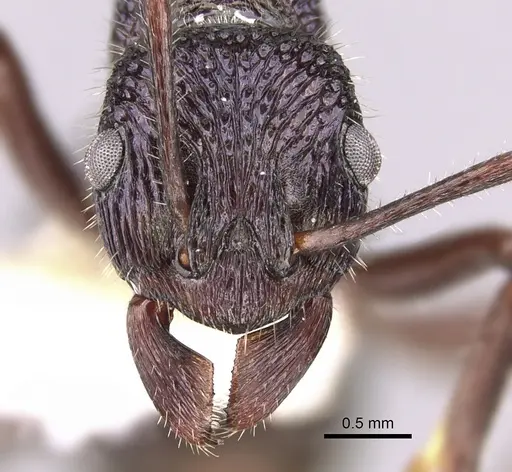
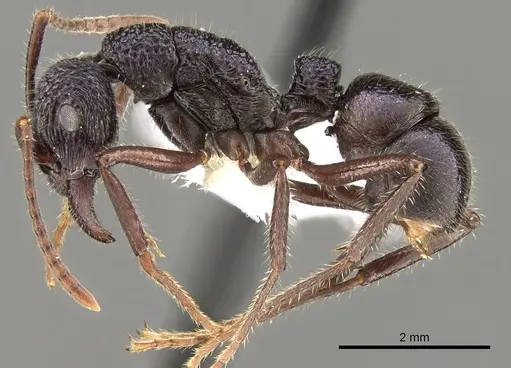
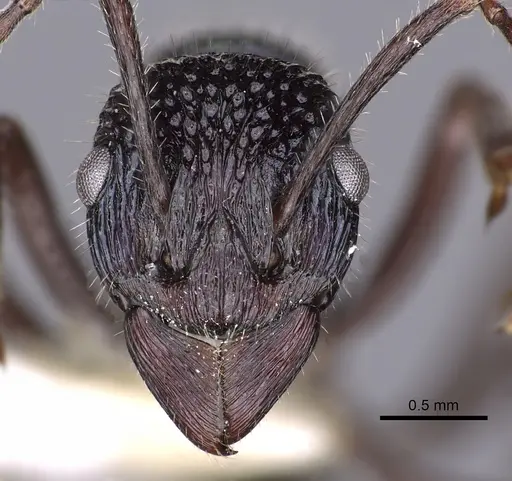
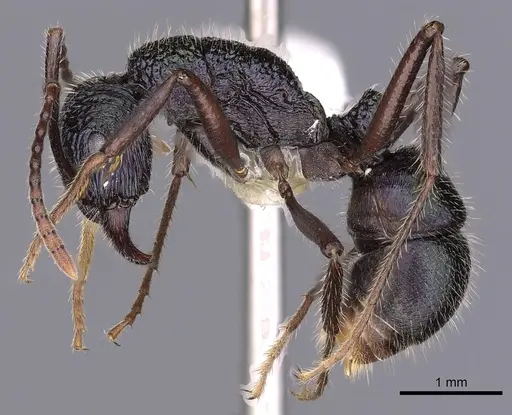
Rhytidoponera opaciventris is a small ant species native to New Caledonia, an island in the southwestern Pacific. Workers are modest in size, measuring around 4-6mm, with the characteristic dark, often slightly metallic appearance typical of the genus. The species was described by Ward in 1984 from specimens collected on Mt Panié, the highest peak on New Caledonia, where they were found nesting under stones in rainforest areas at elevations ranging from 100m to over 750m [1].
This species inhabits the tropical rainforest environment of New Caledonia, a biodiversity hotspot with unique ant fauna. Like other Rhytidoponera species, they are ground-nesting ants that prefer damp, shaded microhabitats. The limited elevation range data suggests they thrive in humid forest floor conditions, though they appear adaptable across several altitude zones within their range.
Quick Summary
- Difficulty: Medium
- Origin & Habitat: New Caledonia, specifically Mt Panié and surrounding rainforest areas at elevations of 100-750m. They nest under stones in humid, shaded forest floor environments [1][2].
- Colony Type: Colony structure is unconfirmed. Based on genus patterns, likely single-queen colonies (monogyne) with workers typically numbering in the low hundreds.
- Founding: Claustral
- Size & Growth:
- Queen: Approximately 5-7mm, estimated from genus-level Rhytidoponera measurements [2].
- Worker: Approximately 4-6mm based on type specimen descriptions.
- Colony: Likely reaches several hundred workers, typical for Rhytidoponera species [2].
- Growth: Moderate, inferred from tropical rainforest habitat and related species.
- Development: Estimated 6-8 weeks at tropical temperatures (24-28°C), based on typical Ectatomminae development patterns. (Development timeline is estimated from genus-level data, species-specific measurements are not available.)
- Antkeeping:
- Temperature: Keep at 24-28°C, these are tropical ants from New Caledonia and need warm, stable conditions. A slight temperature gradient allows them to regulate. Avoid temperatures below 20°C for extended periods.
- Humidity: High humidity is essential, think damp rainforest floor. Keep the nest substrate consistently moist but not waterlogged. Provide a water tube and ensure the nest area maintains humidity above 70%. Mist occasionally but allow brief drying periods to prevent mold.
- Diapause: Unlikely to require true diapause, New Caledonia has a mild tropical climate without cold winters. However, a slight reduction in temperature (to around 20-22°C) during winter months may be beneficial if your region experiences seasonal changes.
- Nesting: Natural nesting occurs under stones in rainforest floor. In captivity, they do well in naturalistic setups with moist substrate (soil/sand mix), or in acrylic/plaster nests that retain humidity well. Y-tong nests also work if kept adequately moist. They prefer tight, enclosed chambers rather than open spaces.
- Behavior: Rhytidoponera opaciventris is generally calm and not overly aggressive. Workers are active foragers, likely hunting small invertebrates and collecting honeydew in nature. They have a functional stinger (Ectatomminae are capable of stinging) and may use it defensively if threatened, though they are not particularly aggressive toward keepers. They are moderate escape artists, not tiny enough to slip through standard test tube barriers, but ensure your setup has proper containment. Workers are reasonably active and will establish clear foraging patterns.
- Common Issues: high humidity can lead to mold problems if ventilation is poor, balance moisture with airflow, tropical species may struggle if temperatures drop below 20°C for extended periods, wild-caught colonies from New Caledonia may carry parasites or diseases that affect captive survival, limited species-specific information means care is based on genus-level estimates, monitor your colony and adjust accordingly, they may be difficult to find in the antkeeping hobby as they're not commonly traded
Temperature and Care
As tropical ants from New Caledonia, Rhytidoponera opaciventris requires warm conditions to thrive. Maintain temperatures between 24-28°C in the nest area, with a slight gradient allowing workers to move between warmer and cooler zones if they choose. This temperature range mimics their natural rainforest environment on Mt Panié where they were collected at various elevations [1].
Heating can be provided via a heating cable placed on top of the nest (never underneath, as this can dry out the substrate too quickly). Alternatively, a heat mat on one side of the enclosure works well. Monitor temperatures with a digital thermometer placed at nest level. If your room temperature is consistently in the mid-20s°C, additional heating may not be necessary.
These ants are sensitive to cold, avoid temperatures below 20°C for extended periods. A slight seasonal reduction to around 20-22°C during winter months is acceptable, but true diapause is not recommended given their tropical origin.
Humidity and Nesting
High humidity is critical for this species. In their natural rainforest habitat on New Caledonia, they live under stones in damp soil environments. In captivity, keep the nest substrate consistently moist, it should feel damp to the touch but not have standing water. A water tube connected to the nest helps maintain humidity through evaporation.
For nesting, naturalistic setups work well: a layer of moist soil/sand mixture (about 2-3cm deep) in a shallow container with a flat stone or other cover on top mimics their natural under-stone nesting. Acrylic or plaster nests designed for moisture retention are also suitable. Ensure the nest has chambers tight enough for the workers to feel secure, they prefer enclosed spaces.
Balance humidity with adequate ventilation to prevent mold. Small ventilation holes or mesh on the container lid allow air circulation without drying out the nest too quickly. If you see mold growing on the substrate, reduce moisture slightly and improve airflow. [1][2]
Feeding and Diet
Rhytidoponera opaciventris is likely an omnivorous forager, similar to other Rhytidoponera species. In nature, they probably hunt small invertebrates and collect honeydew from aphids or scale insects. In captivity, offer a varied diet:
Protein sources: Small live prey such as fruit flies, pinhead crickets, or mealworms. Offer prey 2-3 times per week. Since these ants are relatively small, cut prey into appropriately sized pieces if needed.
Sugar sources: Sweet liquids like sugar water, honey, or ant-specific sugar gels are typically accepted. Provide a constant sugar source in a small dish or cotton ball.
Fresh fruits: Small pieces of fruit (apple, banana) may be accepted as additional sugar sources.
Remove any uneaten prey after 24-48 hours to prevent mold and bacterial issues. Adjust feeding frequency based on colony size, larger colonies consume more, founding colonies with just a queen need less frequent feeding. [2]
Behavior and Temperament
These ants are generally calm and not particularly aggressive. Workers go about their business without excessive territorial behavior. They are active foragers and will establish regular patterns when hunting for prey or collecting sugar sources.
While they possess a functional stinger (Ectatomminae can sting), they are not particularly defensive and rarely sting unless directly threatened or handled roughly. The sting is reported as painful in some related species, so handle with care but there's no need for excessive caution.
Escape prevention: Workers are 4-6mm, so standard test tube setups and formicarium connections are generally secure. However, always use proper barriers (Fluon or similar) as a precaution, especially when the colony grows larger and workers become more active in exploring potential escape routes. [2]
Colony Establishment
If you're starting with a founding queen (claustral), she will seal herself in a small chamber and raise her first workers alone on her stored fat reserves. Provide a small test tube setup with a water reservoir and keep it undisturbed in a warm, humid location. The founding chamber should be dark, place the setup in a drawer or cover with a cloth.
First workers (nanitics) will be smaller than mature workers and may take 6-8 weeks to emerge at optimal temperatures. Once workers are active and foraging, you can connect the test tube to an outworld and begin regular feeding. The colony will grow gradually over the first few months.
Moving to a larger nest: Once the colony reaches 30-50 workers and the test tube water reservoir is running low, consider moving them to a larger formicarium or naturalistic setup. They do well in setups that allow for humidity control.
Frequently Asked Questions
How long does it take for Rhytidoponera opaciventris to produce first workers?
At optimal temperatures (24-28°C), expect first workers (nanitics) to emerge in approximately 6-8 weeks after the queen lays eggs. This is an estimate based on typical Ectatomminae development, species-specific timing has not been documented.
Do Rhytidoponera opaciventris ants sting?
Yes, they can sting. Ectatomminae ants have functional stingers. However, they are not particularly aggressive and rarely sting unless handled roughly or directly threatened. The sting can be painful but is not dangerous to healthy humans.
What temperature do Rhytidoponera opaciventris need?
Keep them at 24-28°C. These are tropical ants from New Caledonia and need warm, stable conditions. Avoid temperatures below 20°C for extended periods.
Are Rhytidoponera opaciventris good for beginners?
They are rated as medium difficulty. They require warm, humid conditions which can be challenging to maintain consistently. If you have experience keeping tropical ant species, they can be a rewarding species to keep.
How big do Rhytidoponera opaciventris colonies get?
Based on genus-level data, colonies likely reach several hundred workers. The maximum size is not specifically documented for this species.
What do Rhytidoponera opaciventris eat?
They are omnivorous. Offer small live prey (fruit flies, small crickets) 2-3 times per week, and provide a constant sugar source (sugar water, honey). They likely also collect honeydew in nature.
Do Rhytidoponera opaciventris need hibernation?
No, true hibernation is not recommended. They come from tropical New Caledonia which has a mild climate year-round. A slight temperature reduction to 20-22°C during winter months is acceptable if your region has seasonal temperature changes.
Can I keep multiple queens together?
This has not been documented for this specific species. Based on typical Rhytidoponera patterns, single-queen colonies are most common. Combining unrelated queens is not recommended without evidence they can coexist.
When should I move my colony to a formicarium?
Move to a larger nest once the colony reaches 30-50 workers and the founding test tube's water reservoir is running low. They do well in naturalistic setups or acrylic nests that can maintain humidity.
Where is Rhytidoponera opaciventris found?
This species is endemic to New Caledonia, an island in the southwestern Pacific Ocean. It was described from Mt Panié and surrounding rainforest areas at elevations of 100-750m.
Why are my Rhytidoponera opaciventris dying?
Common causes include: temperatures below 20°C, too dry conditions, mold from excessive moisture without ventilation, or stress from disturbance during founding. Check temperature and humidity first. Wild-caught colonies may also carry parasites.
Is Rhytidoponera opaciventris rare in the antkeeping hobby?
Yes, this species is not commonly available in the antkeeping hobby. They're endemic to New Caledonia and not frequently traded. Finding a colony may require connecting with specialized importers or breeders.
References

This caresheet is licensed under CC BY-SA 4.0 .
CASENT0281318
View on AntWeb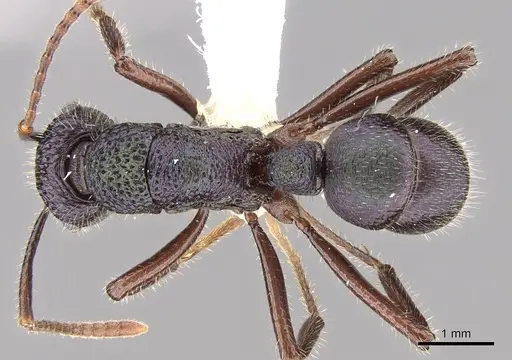
CASENT0900534
View on AntWeb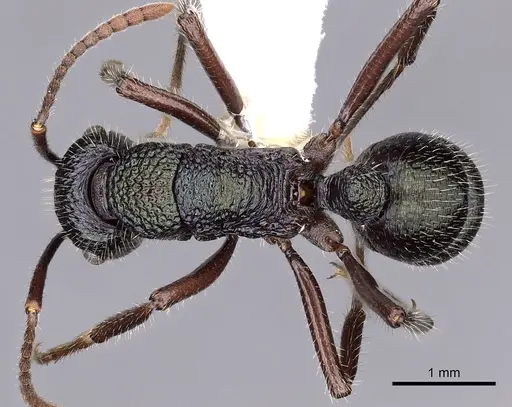
Literature
Loading...Loading products...