

Rhytidoponera nitidiventris
- Scientific Name
- Rhytidoponera nitidiventris
- Tribe
- Ectatommini
- Subfamily
- Ectatomminae
- Author
- Ward, 1984
- Distribution
- Found in 1 countries
Rhytidoponera nitidiventris Overview
Rhytidoponera nitidiventris is an ant species of the genus Rhytidoponera. It is primarily documented in 1 countries , including New Caledonia. Detailed taxonomic data and occurrence records can be further explored via authoritative databases such as AntWeb or the Global Biodiversity Information Facility (GBIF).
Rhytidoponera nitidiventris
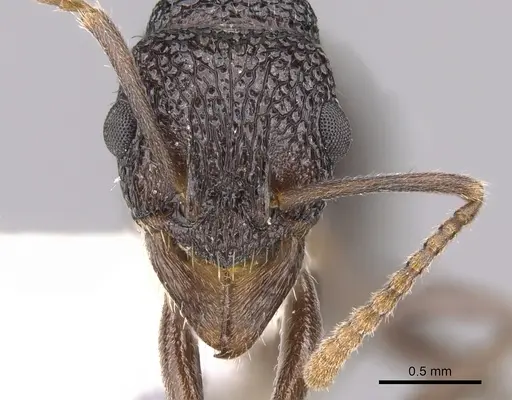
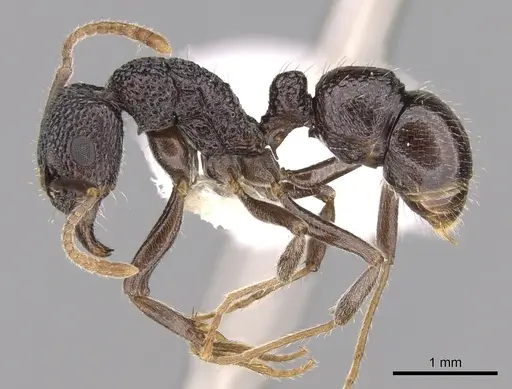
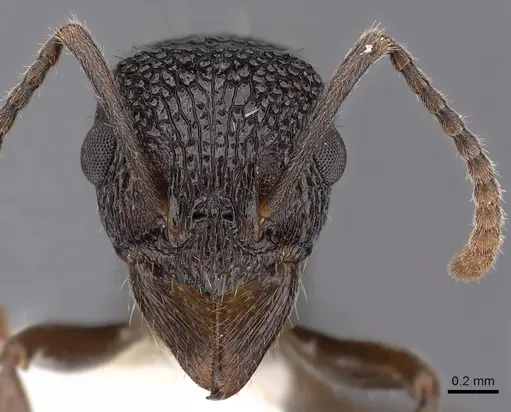
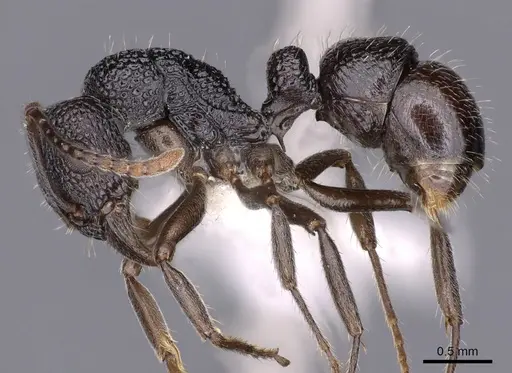
Rhytidoponera nitidiventris is a small to medium-sized ant species endemic to the rainforests of New Caledonia. Workers measure approximately 5-7mm with a distinctive metallic coppery-brown to dark reddish coloration and a notably shiny gaster. The genus Rhytidoponera belongs to the subfamily Ectatomminae, which is known for having functional stingers, this species can deliver a painful sting if handled roughly. These ants nest in soil at the base of saplings in humid rainforest environments, typically at low elevations around 40 meters [1].
This species represents one of the more obscure Rhytidoponera species in the antkeeping hobby, known primarily from its type locality in the Grottes de Koum region of New Caledonia. While the genus is famous for its metallic coloration and sometimes aggressive defense of nests, R. nitidiventris remains poorly studied in captivity. The limited available data suggests it follows typical Rhytidoponera patterns: ground-nesting, predatory feeding habits, and single-queen colonies.
Quick Summary
- Difficulty: Medium
- Origin & Habitat: Endemic to New Caledonia, found exclusively in humid rainforest environments at low elevations (around 40m). Nests in soil at the base of saplings [1].
- Colony Type: Single-queen (monogyne) colonies based on typical genus patterns. Colony size likely moderate, similar to other Rhytidoponera species.
- Colony: Monogyne
- Founding: Claustral
- Size & Growth:
- Queen: Approximately 6-8mm, estimated from genus-level morphology [1]
- Worker: 5-7mm based on type specimen description [1]
- Colony: Likely several hundred workers, typical for Rhytidoponera genus
- Growth: Moderate, inferred from related species
- Development: Estimated 6-10 weeks at optimal temperature based on typical Ectatomminae development (Development time is inferred from related species in the genus, specific data for this species is unavailable)
- Antkeeping:
- Temperature: Keep around 22-26°C, aim for warm, stable conditions typical of tropical rainforest. A gentle gradient allows workers to self-regulate.
- Humidity: High humidity required (70-85%). Keep the nest substrate consistently moist but not waterlogged. These rainforest ants need damp conditions.
- Diapause: Likely minimal or no true diapause, New Caledonia is tropical. However, a slight cool period during winter months may be beneficial.
- Nesting: Soil-nesting species. In captivity, a naturalistic setup with moist substrate (like a digging container or plaster nest with high humidity) works well. They prefer tight, humid chambers.
- Behavior: Rhytidoponera ants are known for their alert, active foraging and willingness to defend the nest. Workers are moderately aggressive and will sting if the nest is disturbed. They are primarily predatory, hunting small invertebrates. Escape risk is moderate, standard barrier precautions apply but they are not particularly small or escape-prone like some tiny species.
- Common Issues: high humidity maintenance is critical, dry conditions quickly stress these rainforest ants, colonies may be slow to establish due to moderate growth rate, patience is required, wild-caught colonies may carry parasites or diseases that can cause captive failures, stinging risk, handle gently and use caution during nest maintenance, limited availability in the antkeeping hobby means established colonies are rare
Housing and Nest Setup
Rhytidoponera nitidiventris requires high-humidity housing due to its rainforest origins. A naturalistic setup with moist substrate works best, a digging container filled with a soil-like mixture (like coco fiber mixed with sand) allows these ground-nesting ants to excavate their own chambers. Alternatively, a plaster or acrylic nest with a water reservoir maintains the humidity levels they need. Whatever setup you choose, ensure the nest chamber remains consistently damp but never sits in standing water. A small water tube or reservoir connected to the nest helps maintain moisture over time. Provide an outworld for foraging where you can offer food. [1]
Feeding and Diet
As with other Rhytidoponera species, these ants are primarily predatory and will readily accept small live invertebrates. Offer protein sources like fruit flies, small crickets, mealworms, and other appropriately-sized insects. They also typically accept sugar sources such as honey water or sugar water, especially once a colony is established. Feed protein-rich foods 2-3 times per week, and keep a sugar source available at all times. Remove uneaten prey after 24-48 hours to prevent mold issues. A varied diet helps ensure healthy colony development.
Temperature and Humidity Requirements
These New Caledonian rainforest ants need warm, humid conditions. Maintain temperatures between 22-26°C, avoiding both cool temperatures below 20°C and excessive heat above 30°C. A heating cable on one side of the nest creates a temperature gradient allowing workers to self-regulate. Humidity is particularly important, aim for 70-85% relative humidity within the nest. The substrate should feel consistently moist to the touch. Mist the nest area occasionally if humidity drops, but avoid creating condensation that pools. Good ventilation helps prevent mold while maintaining humidity.
Colony Establishment and Growth
Starting a colony requires patience. A founding queen will typically seal herself into a chamber (claustral founding) and raise her first workers (nanitics) entirely on her stored fat reserves. Do not disturb her during this period, typically 4-8 weeks. Once the first workers emerge, the colony begins foraying out to forage. Growth is moderate, expect several months to reach 20-30 workers, and a year or more to reach 100+ workers. The slow initial growth is normal. Avoid the temptation to overfeed or expand the setup too quickly, let the colony grow at its natural pace.
Behavior and Defense
Rhytidoponera ants are alert and active foragers with a strong defensive response when their nest is threatened. Workers will readily venture out to investigate disturbances and can deliver a noticeable sting if provoked. This is not an aggressive species that swarms, but they will defend their nest vigorously. Handle nest maintenance gently and consider using red film over the nest for observation to reduce stress. Workers are moderately fast-moving and good climbers, so standard escape precautions apply. They do not have the extreme escape ability of tiny species, but gaps in housing should still be sealed.
Frequently Asked Questions
How long does it take for Rhytidoponera nitidiventris to produce first workers?
From founding, expect 6-10 weeks for the first workers (nanitics) to emerge. This is typical for claustral founding ants in the Ectatomminae subfamily. The exact timing depends on temperature, warmer conditions (within the 22-26°C range) speed development slightly.
Do Rhytidoponera nitidiventris ants sting?
Yes, they can sting. Rhytidoponera belongs to Ectatomminae, a subfamily known for functional stingers. The sting is not as potent as some related species (like Paraponera, the bullet ant), but it can be painful and may cause localized irritation. Handle gently and avoid provoking the colony.
What do I feed Rhytidoponera nitidiventris?
Offer a varied diet: small live insects (fruit flies, small crickets, mealworms) as primary protein, and sugar water or honey available at all times. They are predatory by nature and will hunt small invertebrates. Remove uneaten prey after a day or two to prevent mold.
Can I keep multiple queens together?
This species is likely monogyne (single-queen) based on typical Rhytidoponera patterns. Combining unrelated queens is not recommended and may result in fighting. If you obtain a queen, house her alone for founding.
What humidity level do they need?
High humidity is essential, aim for 70-85% within the nest. Keep the substrate consistently moist but not waterlogged. These rainforest ants from New Caledonia do not tolerate dry conditions well.
Do they need hibernation or diapause?
Probably not. New Caledonia is tropical with minimal seasonal temperature variation. A slight reduction in temperature during winter months may be natural but is likely not required. Avoid cool temperatures below 18°C.
Are Rhytidoponera nitidiventris good for beginners?
This species is rated Medium difficulty. While not the most challenging ant, the high humidity requirements and limited availability make it better suited for keepers with some experience. Beginners may struggle with maintaining the consistent humidity these ants need.
How big do colonies get?
Based on typical Rhytidoponera size and biology, colonies likely reach several hundred workers at maturity. The exact maximum is unknown for this specific species, but related species in the genus typically max out in the 300-500 worker range.
When should I move them to a formicarium?
Wait until the colony reaches at least 30-50 workers before considering a formicarium. These ants prefer stable, humid conditions, so any transition should maintain high humidity. A naturalistic digging setup often works better than dry acrylic for this species.
Why is my colony growing slowly?
Moderate growth is normal for this species. Ensure temperatures are in the 22-26°C range, humidity is high (70-85%), and protein is offered regularly. Colonies often slow down during establishment. Avoid overfeeding, excess food mold can be fatal to small colonies.
References

This caresheet is licensed under CC BY-SA 4.0 .
CASENT0281325
View on AntWeb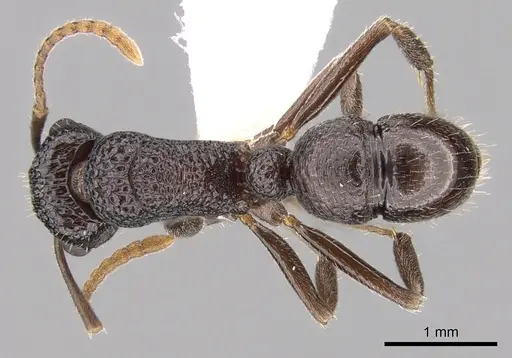
CASENT0900539
View on AntWeb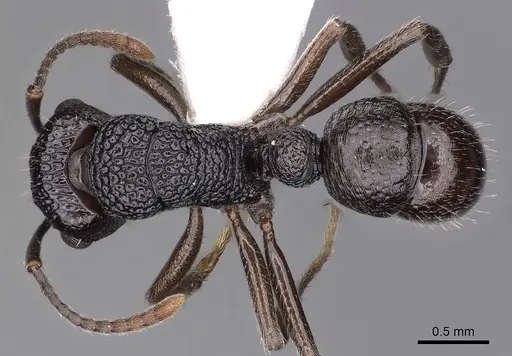
Literature
Loading...Loading products...