

Rhytidoponera nexa
- Scientific Name
- Rhytidoponera nexa
- Tribe
- Ectatommini
- Subfamily
- Ectatomminae
- Author
- Stitz, 1912
- Distribution
- Found in 2 countries
Rhytidoponera nexa Overview
Rhytidoponera nexa is an ant species of the genus Rhytidoponera. It is primarily documented in 2 countries , including Indonesia, Papua New Guinea. Detailed taxonomic data and occurrence records can be further explored via authoritative databases such as AntWeb or the Global Biodiversity Information Facility (GBIF).
Rhytidoponera nexa
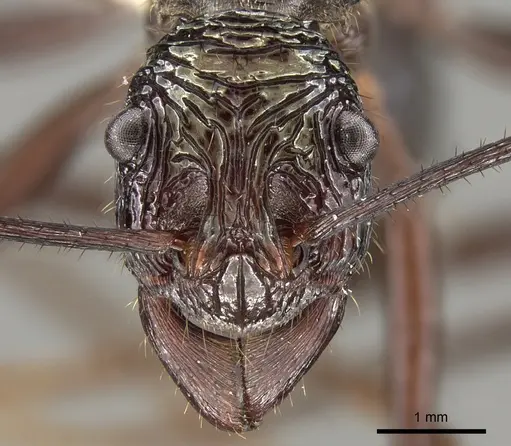
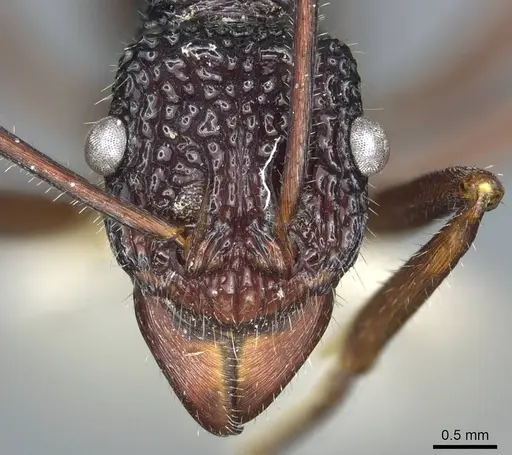
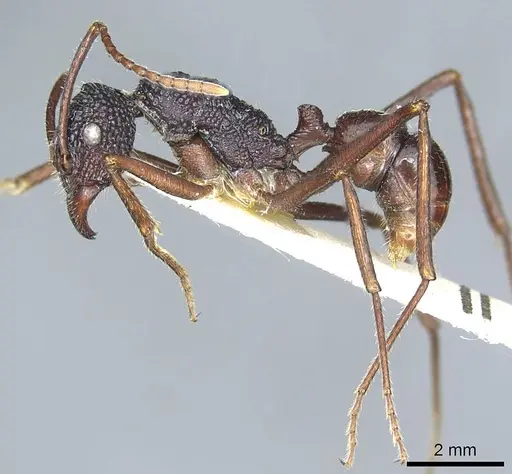
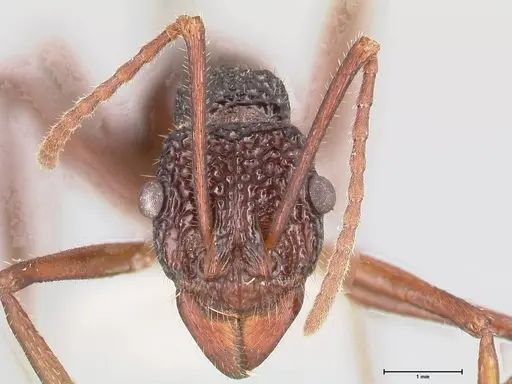
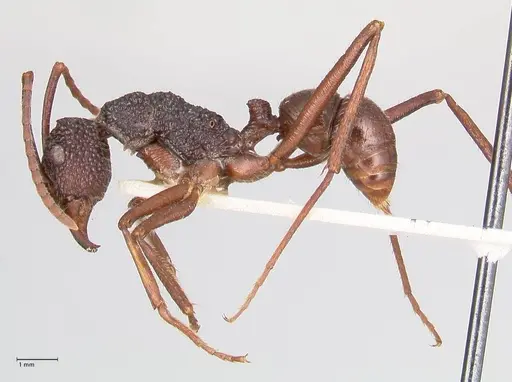
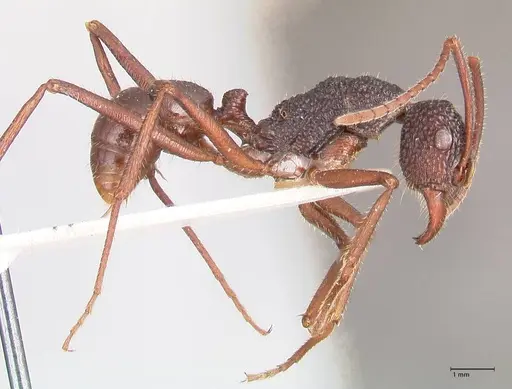
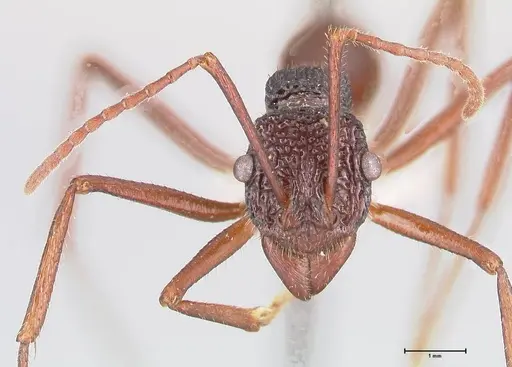
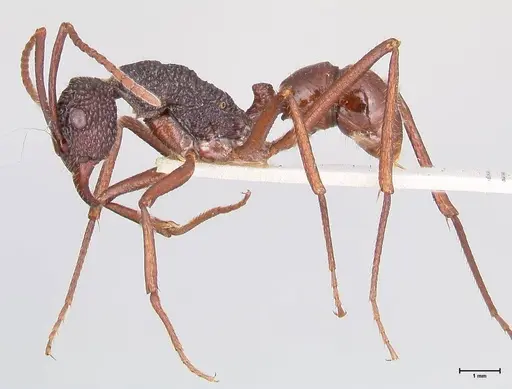
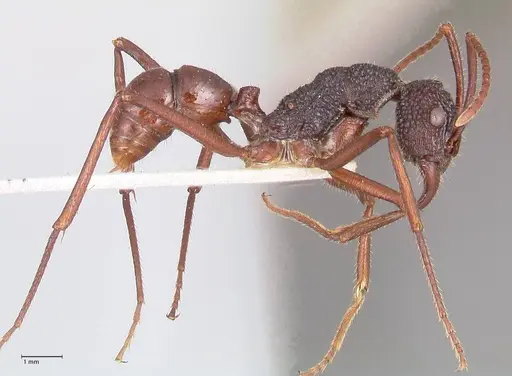
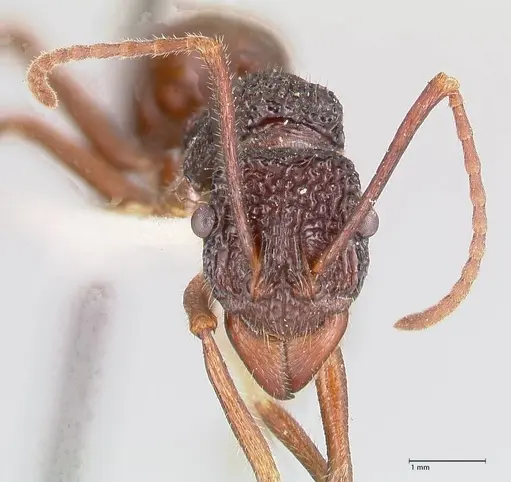
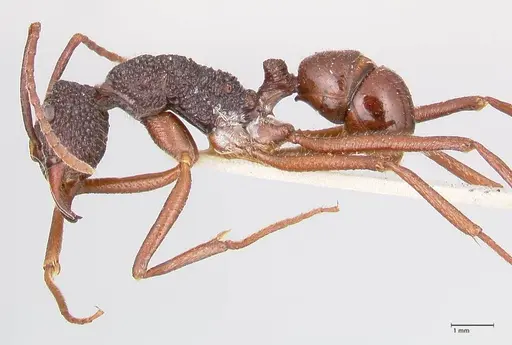
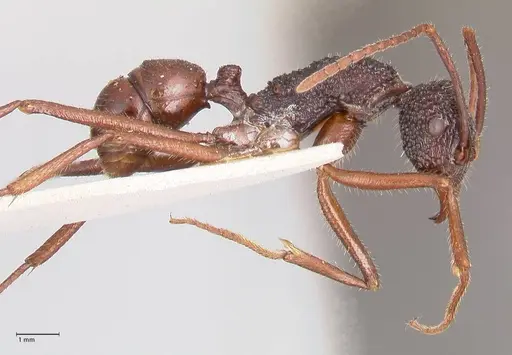
Rhytidoponera nexa is a medium-sized Ponerine ant native to the New Guinea region, including Papua New Guinea, Indonesia's Irian Jaya, and surrounding islands like New Britain and Waigeo [1]. Workers are robust ants with a distinctive appearance, typical of the Ectatomminae subfamily, featuring a powerful stinger that makes them capable of delivering a painful sting. This species was previously known under several synonyms including Rhytidoponera nexa and Rhytidoponera nexa before being formally recognized as a distinct species. As a tropical Ponerine ant from the rainforests of New Guinea, these ants require warm, humid conditions and are active predators in captivity.
Quick Summary
- Difficulty: Medium
- Origin & Habitat: Tropical rainforests of New Guinea, including Papua New Guinea, Irian Jaya (Indonesia), New Britain, and Waigeo Island [1]. Found in lowland to mid-elevation forest environments.
- Colony Type: Colony structure is unconfirmed. Most Rhytidoponera species are single-queen (monogyne) colonies, though this specific species has not been studied in detail.
- Size & Growth:
- Queen: Estimated 8-10mm based on genus typical sizes
- Worker: Estimated 5-8mm based on genus descriptions
- Colony: Likely several hundred workers based on typical Rhytidoponera colony sizes
- Growth: Moderate, Ponerines typically grow slower than myrmicines
- Development: Estimated 8-12 weeks at optimal temperature based on typical Ponerine development (Development times are inferred from related Ponerine species, specific data for R. nexa is not available)
- Antkeeping:
- Temperature: Keep at 24-28°C, these are tropical ants requiring warm conditions. A heating cable on one side of the nest can help maintain warmth.
- Humidity: High humidity required, aim for 70-85%. Keep the nest substrate consistently moist but not waterlogged. Mist occasionally and provide a water source.
- Diapause: No, as a tropical species from New Guinea, they do not require hibernation. Maintain warm conditions year-round.
- Nesting: In captivity, they do well in naturalistic setups with moist substrate or acrylic nests with chambers. They prefer dark, humid nest chambers. A test tube setup can work for founding colonies if humidity is maintained.
- Behavior: Ponerine ants are typically active hunters and have a functional stinger for defense and subduing prey. Workers are likely moderately aggressive and will sting if threatened. They are diurnal and actively forage for protein prey. Escape prevention should be moderate, they are not tiny ants but can climb smooth surfaces.
- Common Issues: tropical humidity requirements can lead to mold if ventilation is poor, stinging capability means they can deliver painful bites, handle with care, slow colony growth compared to common ant species may frustrate beginners, wild-caught colonies may have parasites that can kill captive colonies, maintaining consistent warmth year-round is essential for this tropical species
Temperature and Care
Rhytidoponera nexa requires warm, stable temperatures typical of tropical ants from New Guinea. Keep the nest area at 24-28°C consistently, this range supports normal activity and brood development. A heating cable placed on one side of the nest can create a gentle temperature gradient, allowing ants to regulate their own temperature by moving between warmer and cooler areas. Avoid temperature drops below 22°C, as prolonged cool conditions can weaken colonies and slow brood development. Room temperature may be sufficient in warm climates, but most keepers will need supplemental heating.
Humidity Requirements
High humidity is essential for this species. Aim for 70-85% relative humidity in the nest area. Keep the substrate consistently moist but not waterlogged, the substrate should feel damp to the touch. Ponerine ants from tropical rainforests are adapted to humid conditions, and dry environments can cause colony decline. Provide a water source such as a water tube or shallow dish. Occasional misting helps maintain humidity, but ensure adequate ventilation to prevent mold growth. A hygrometer can help monitor conditions.
Feeding and Diet
As Ponerine ants, R. nexa are primarily predatory and need a protein-rich diet. Offer small live prey such as fruit flies, small crickets, mealworms, and other small insects. They will likely accept protein jelly or frozen insects if pre-killed. Sugar sources should also be provided occasionally, a drop of honey water or sugar water can be offered, though protein is more important for their health. Feed every 2-3 days, removing uneaten prey after 24 hours to prevent mold. Colonies with brood need more frequent feeding.
Nesting Preferences
In the wild, Rhytidoponera species typically nest in soil or rotting wood in humid forest environments. In captivity, they do well in naturalistic setups with moist substrate (a mix of soil and sand works well) or in acrylic nests designed for Ponerines with humid chambers. They prefer dark, enclosed nest chambers and will often nest in the most humid area of their setup. For founding colonies, a test tube setup can work if you maintain high humidity around it, but transfer to a proper nest once the colony reaches 10-15 workers.
Behavior and Temperament
Rhytidoponera nexa workers are active foragers and will hunt prey in the outworld. They have a functional stinger and can deliver a painful sting if threatened or handled roughly, this is something to keep in mind when doing nest inspections or transfers. They are not typically aggressive toward humans unless provoked, but will defend their nest vigorously. Workers are moderately large and can climb smooth surfaces, so standard escape prevention measures (fluon on rim edges) are recommended. They are diurnal and most active during daylight hours.
Colony Development
Colony growth is expected to be moderate, Ponerine ants typically develop more slowly than many common ant species like Tetramorium or Camponotus. The queen will lay eggs which develop through larval and pupal stages before emerging as workers. First workers (nanitics) will be smaller than mature workers. A healthy colony can reach several hundred workers over several years. Patience is key with Ponerine ants, they are long-lived colonies but take time to establish.
Frequently Asked Questions
How long does it take for Rhytidoponera nexa to produce first workers?
Based on typical Ponerine development, expect 8-12 weeks from egg to first worker at optimal temperature (24-28°C). This is slower than many common ant species, so patience is required during the founding stage.
Do Rhytidoponera nexa ants sting?
Yes, as Ponerine ants (Ectatomminae), they have a functional stinger and can deliver a painful sting if threatened. While not aggressive toward humans, they will sting if handled roughly or if their nest is disturbed.
What do Rhytidoponera nexa ants eat?
They are primarily predatory and need protein-rich foods. Offer small live insects like fruit flies, small crickets, and mealworms. They will also accept sugar sources like honey water occasionally. Protein is essential for brood development.
Can I keep Rhytidoponera nexa in a test tube?
Test tubes can work for founding colonies if you maintain high humidity around the tube (70-85%). However, these tropical ants need warm conditions, so ensure the tube is in a warm location. Transfer to a naturalistic or acrylic nest once the colony reaches 10-15 workers.
Do Rhytidoponera nexa need hibernation?
No, they are tropical ants from New Guinea and do not require hibernation. Keep them warm year-round at 24-28°C. Cool temperatures can weaken the colony and prevent proper brood development.
Are Rhytidoponera nexa good for beginners?
They are rated as Medium difficulty. While not the easiest ant to keep, they are more forgiving than some other Ponerines. The main challenges are maintaining tropical humidity and warmth, and their slower growth compared to common species. Experience with at least one other ant species is recommended.
How big do Rhytidoponera nexa colonies get?
Based on typical Rhytidoponera colony sizes, expect colonies of several hundred workers at maturity. They are not typically among the largest ant species, but established colonies can be quite substantial.
Why is my Rhytidoponera nexa colony declining?
Common causes include: temperatures below 22°C, low humidity (below 70%), insufficient protein in diet, mold from poor ventilation, or parasites from wild-caught colonies. Check all environmental conditions and ensure proper feeding before seeking other causes.
When should I move Rhytidoponera nexa to a formicarium?
Move from a test tube setup to a proper nest (naturalistic setup or acrylic nest) once the colony reaches 10-20 workers. Ponerines appreciate humid, dark chambers, so choose a nest type that can maintain these conditions.
What temperature is best for Rhytidoponera nexa?
Keep them at 24-28°C consistently. This tropical species requires warm conditions year-round. A heating cable on one side of the nest can help maintain optimal temperature, especially in cooler climates.
References

This caresheet is licensed under CC BY-SA 4.0 .
CASENT0217494
View on AntWeb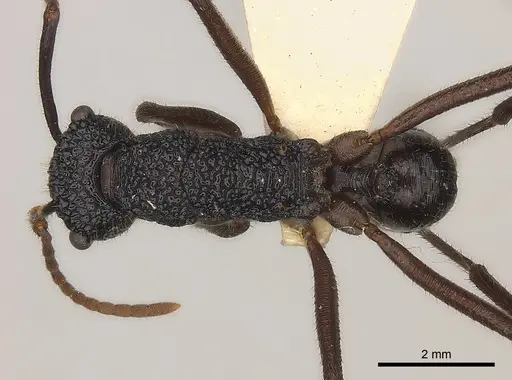
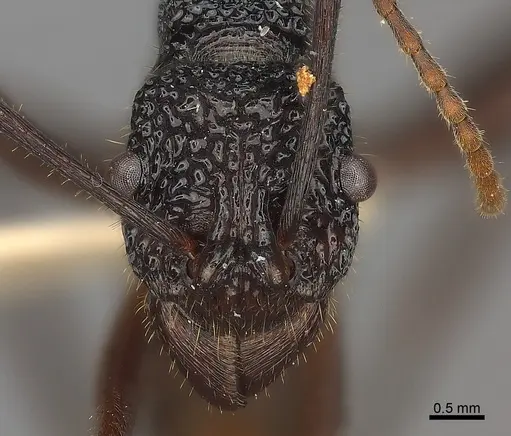
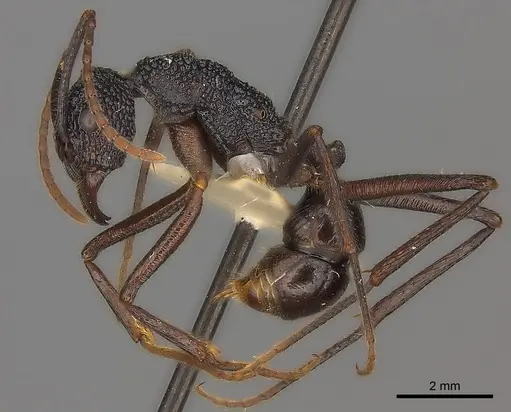
CASENT0281336
View on AntWeb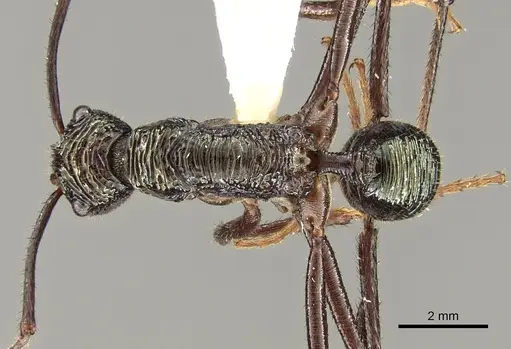
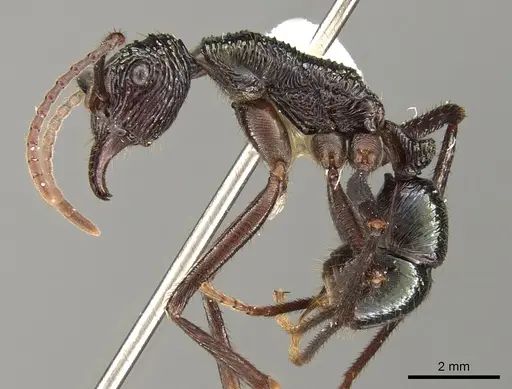
CASENT0900525
View on AntWeb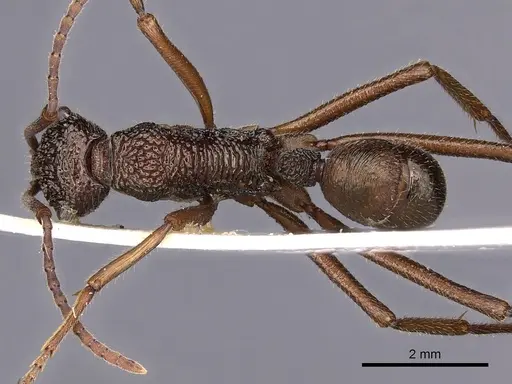
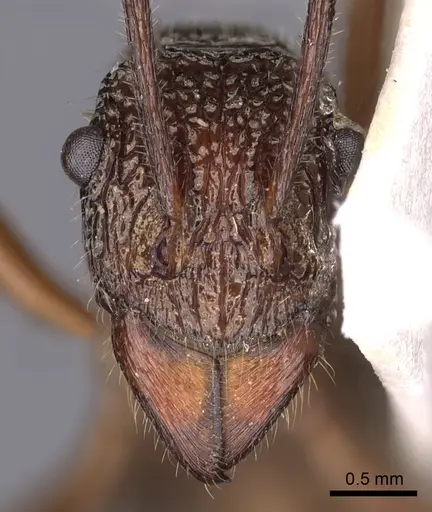
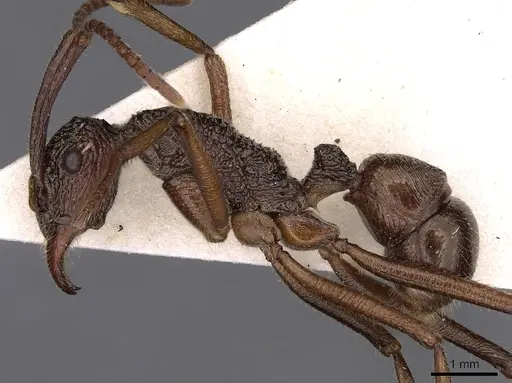
CASENT0900526
View on AntWeb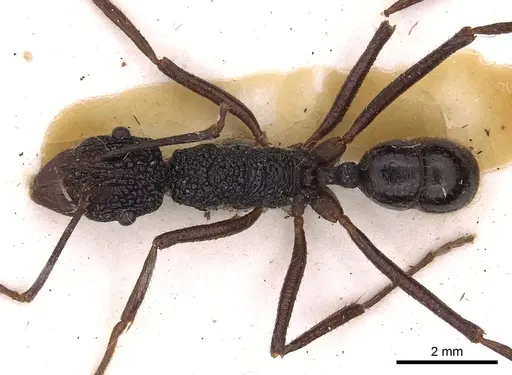
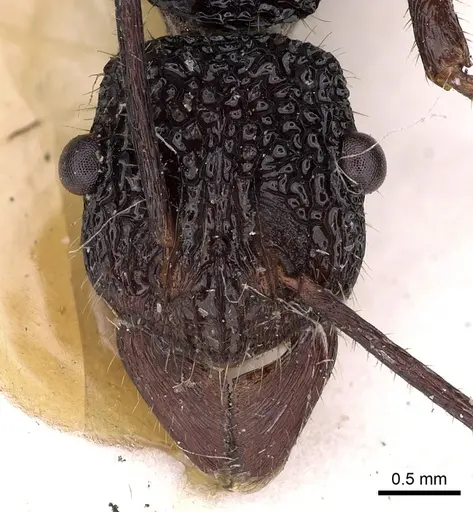
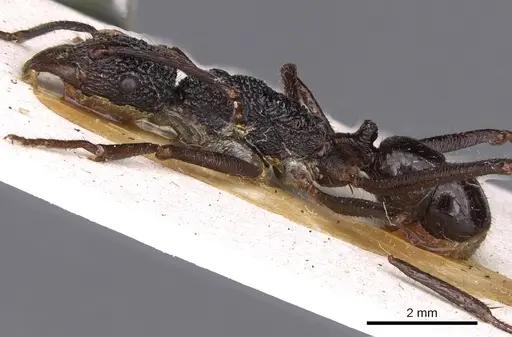
CASENT0915926
View on AntWeb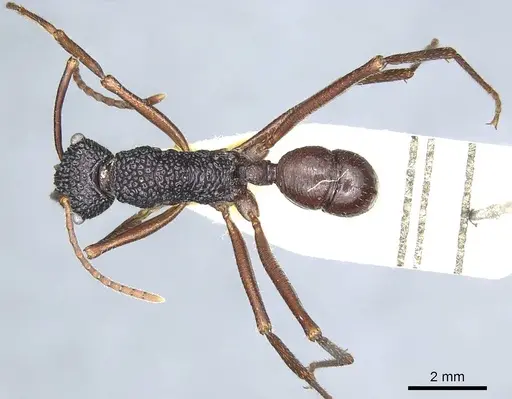
FOCOL0901
View on AntWeb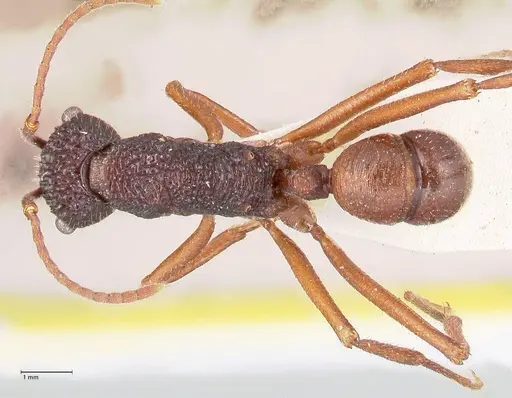
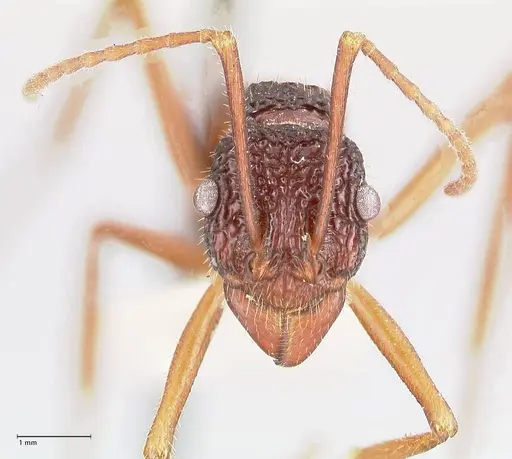
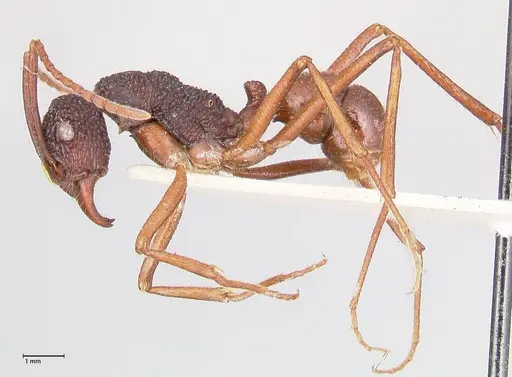
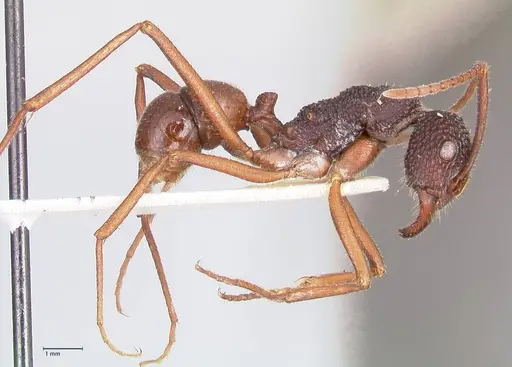
FOCOL0902
View on AntWeb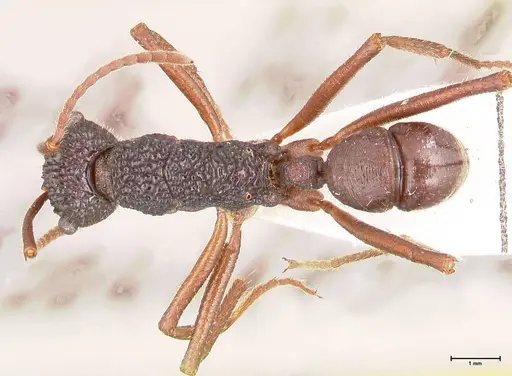
FOCOL0903
View on AntWeb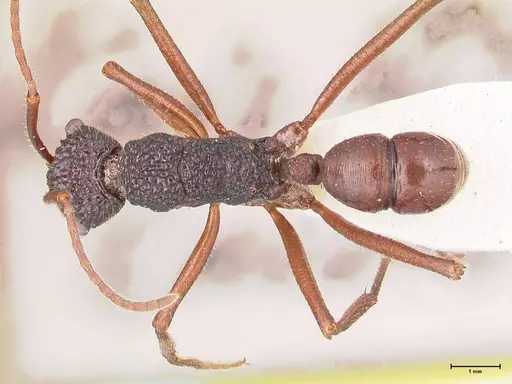
FOCOL0906
View on AntWeb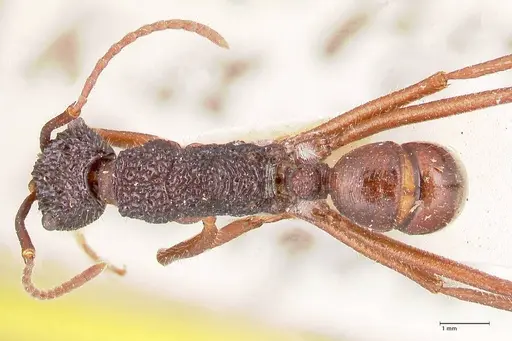
Literature
Loading...Loading products...