

Rhytidoponera micans
- Scientific Name
- Rhytidoponera micans
- Tribe
- Ectatommini
- Subfamily
- Ectatomminae
- Author
- Clark, 1936
- Distribution
- Found in 1 countries
Rhytidoponera micans Overview
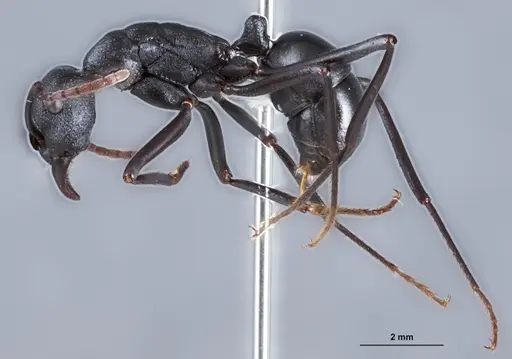
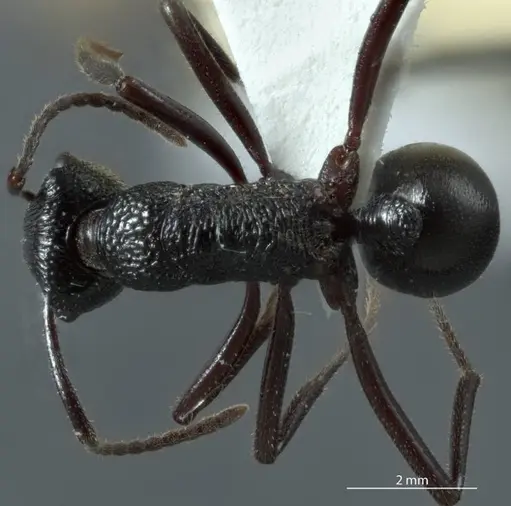
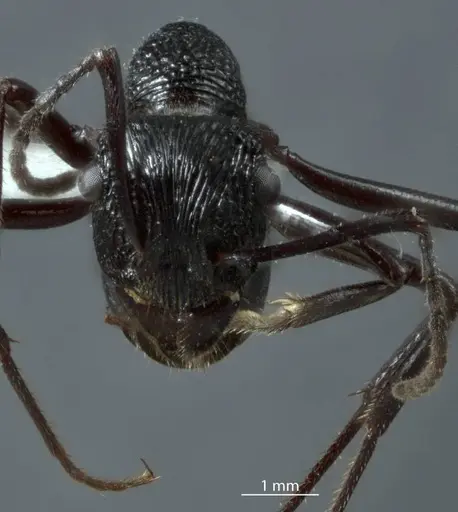
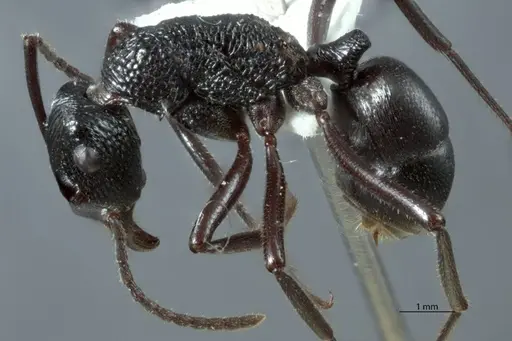
Rhytidoponera micans is an ant species of the genus Rhytidoponera. It is primarily documented in 1 countries , including Australia. Detailed taxonomic data and occurrence records can be further explored via authoritative databases such as AntWeb or the Global Biodiversity Information Facility (GBIF).
Rhytidoponera micans
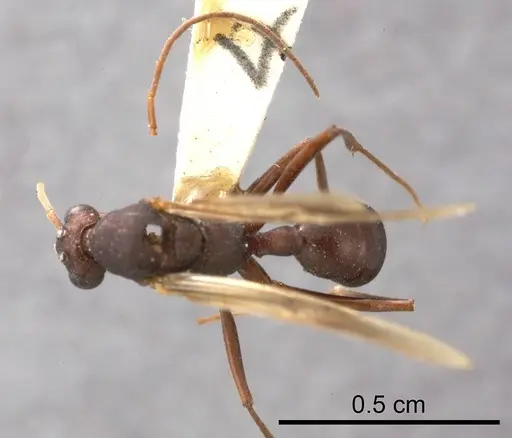
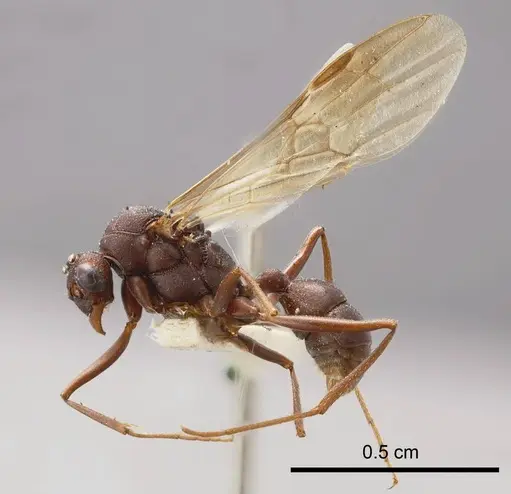
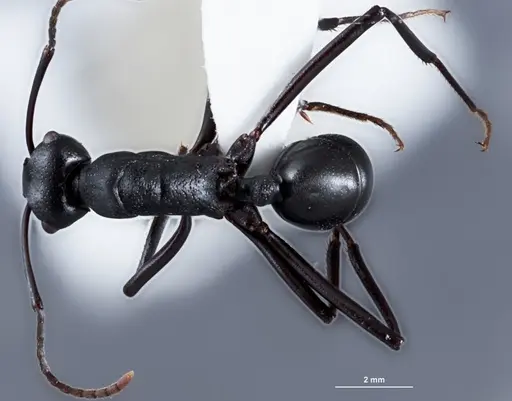
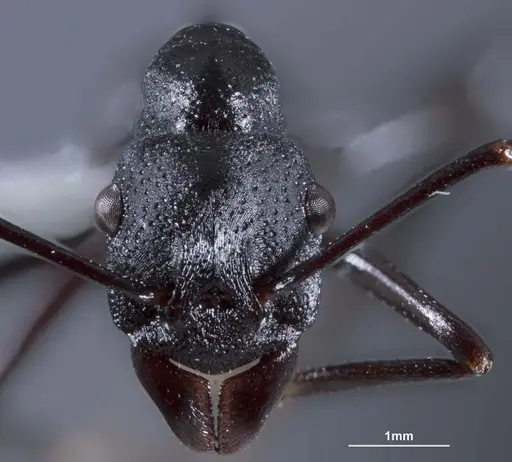
Rhytidoponera micans is a small, bicoloured ant species native to Western Australia. These ants are found in arid and semi-arid regions across the Australasian region, particularly in the western parts of the continent [1][2]. Workers are modest in size with distinctive coloration that gives them their 'bicoloured' description. As members of the subfamily Ectatomminae, they possess functional stingers, which they may use for defense and subduing prey. This species represents the less commonly kept Rhytidoponera genus in antkeeping, making it a more unusual choice for collectors interested in Australian native species.
Quick Summary
- Difficulty: Medium
- Origin & Habitat: Western Australia, Australia, arid and semi-arid regions [1][2]
- Colony Type: Colony structure is unconfirmed for this species. Many Rhytidoponera species can have multiple queens, but specific data for R. micans is lacking.
- Size & Growth:
- Queen: Estimated 6-8mm based on genus-level patterns for Rhytidoponera species
- Worker: Estimated 4-6mm based on genus-level patterns for Rhytidoponera species
- Colony: Unknown, no colony size data available for this species
- Growth: Unknown, no development timing data available for this species
- Development: Estimated 6-10 weeks based on typical Ectatomminae development patterns at warm temperatures (Development timeline is unconfirmed for this specific species, estimates based on related Rhytidoponera patterns)
- Antkeeping:
- Temperature: Keep at 24-28°C, mimicking warm arid conditions. A gentle heat gradient allows workers to regulate their temperature.
- Humidity: Low to moderate humidity, arid species prefer drier conditions. Allow the nest substrate to dry partially between waterings.
- Diapause: Likely minimal or no true diapause, arid-adapted species from Western Australia may have reduced overwintering needs, though they may slow down during cooler months
- Nesting: Natural nesting occurs in soil, often under stones or in shallow ground chambers. In captivity, a dry, naturalistic setup with a digging area works well, or a Y-tong/plaster nest with low humidity sections
- Behavior: Rhytidoponera micans is expected to be moderately active and predatory, typical of the genus. They likely forage for small invertebrates and may tend aphids for honeydew. Workers are probably medium-sized and capable of stinging when threatened. Escape prevention should be moderate, their estimated worker size of 4-6mm means they cannot squeeze through standard test tube barriers, but fine mesh is still recommended.
- Common Issues: lack of available care information makes proper husbandry challenging, predatory diet may be difficult to meet with appropriate live prey, arid requirements mean overwatering can quickly kill colonies, this species is rarely kept, so经验的 keeper knowledge is limited, wild-caught colonies may struggle to adapt to captive conditions
Housing and Nest Setup
Rhytidoponera micans is an arid-adapted species from Western Australia, so your setup should reflect these dry conditions. A naturalistic terrarium with a digging area filled with dry to slightly moist sandy soil works well. Place flat stones or pieces of bark on the surface to provide natural cover, these ants likely nest under stones in the wild. Alternatively, a Y-tong (AAC) or plaster nest with a dry chamber section can work, but ensure humidity is kept low throughout most of the nest. Provide a shallow water dish for drinking, but avoid creating consistently wet areas. A test tube setup can work for founding colonies, but ensure the water reservoir is small and the棉花 is not too wet, as this species prefers drier conditions [1].
Feeding and Diet
As an Ectatomminae ant, R. micans is likely primarily predatory, similar to other Rhytidoponera species. Offer small live prey such as fruit flies, small crickets, mealworms, and other appropriately-sized invertebrates. They may also accept honey or sugar water, though this should be offered sparingly and monitored for acceptance. In the wild, arid-region ants often scavenge for dead insects and may tend scale insects for honeydew, you can experiment with offering these supplementary foods. Feed every 2-3 days, removing any uneaten prey after 24 hours to prevent mold issues in the dry setup.
Temperature and Seasonal Care
Maintain temperatures in the warm range of 24-28°C during the active season. These ants come from arid regions of Western Australia where temperatures can be quite high, so a heating cable or mat on one side of the nest can help maintain appropriate warmth. Create a temperature gradient so workers can choose their preferred zone. During cooler months (Australian winter, roughly May-August), you can reduce temperatures to around 18-20°C to allow for a natural slow-down period, but true hibernation is unlikely for this arid-adapted species. Avoid keeping them in consistently cold conditions.
Behavior and Temperament
Rhytidoponera workers likely possess functional stingers as members of Ectatomminae, so handle with care. They are probably moderately defensive of their nest and may sting if threatened or disturbed. Foraging behavior is likely crepuscular or nocturnal in the wild to avoid the hottest daytime temperatures, though captive colonies will often adjust to your feeding schedule. Workers are expected to be moderately sized at 4-6mm and relatively fast-moving. They may show interest in small prey items and can be engaging to watch during hunting expeditions. Escape prevention should be standard, they are not tiny ants, but always use appropriate barriers as a precaution.
Frequently Asked Questions
How long does it take for Rhytidoponera micans to raise first workers?
The exact timeline is unconfirmed for this species, but based on typical Ectatomminae development patterns, expect around 6-10 weeks from egg to first worker at warm temperatures (around 26°C). Patience is key, as founding colonies can take time to establish.
Do Rhytidoponera micans ants sting?
Yes, as members of the subfamily Ectatomminae, they possess functional stingers. While their sting is not considered dangerous to healthy humans, it can be painful and may cause localized irritation. Handle with care and avoid provoking the colony.
Can I keep Rhytidoponera micans in a test tube?
Yes, test tubes work well for founding colonies. Use a small water reservoir and keep the棉花 only slightly moist, this arid species prefers drier conditions than many other ants. Transfer to a larger formicarium once the colony reaches 20-30 workers.
What do Rhytidoponera micans eat?
They are likely primarily predatory, so offer small live prey like fruit flies, small crickets, and mealworms. They may also accept sugar water or honey as supplementary energy sources. Experiment to see what your colony accepts best.
Is Rhytidoponera micans good for beginners?
This species is not ideal for complete beginners due to limited available care information and specific arid habitat requirements. However, intermediate keepers with some antkeeping experience should be able to manage them successfully if they can provide the dry, warm conditions this species needs.
How big do Rhytidoponera micans colonies get?
Colony size data is not available for this specific species. Based on genus-level patterns, moderate-sized colonies of several hundred workers are typical. Avoid overestimating growth rate, this species may grow more slowly than common tropical ants.
Do Rhytidoponera micans need hibernation?
Probably not a true diapause. As an arid-region species from Western Australia, they are adapted to warm, dry conditions year-round. You may reduce temperatures slightly during winter months (around 18-20°C) to simulate seasonal slowing, but full hibernation is not necessary or recommended.
Why are my Rhytidoponera micans dying?
The most common issues are likely related to humidity (too wet) or temperature (too cold). This arid species needs dry conditions, if your nest is too moist, colonies can fail quickly. Also ensure temperatures are maintained at 24-28°C. Limited available prey can also stress predatory species.
References

This caresheet is licensed under CC BY-SA 4.0 .
Literature
Loading...Loading products...