

Rhytidoponera maniae
- Scientific Name
- Rhytidoponera maniae
- Tribe
- Ectatommini
- Subfamily
- Ectatomminae
- Author
- Forel, 1900
- Distribution
- Found in 1 countries
Rhytidoponera maniae Overview
Rhytidoponera maniae is an ant species of the genus Rhytidoponera. It is primarily documented in 1 countries , including Australia. Detailed taxonomic data and occurrence records can be further explored via authoritative databases such as AntWeb or the Global Biodiversity Information Facility (GBIF).
Rhytidoponera maniae
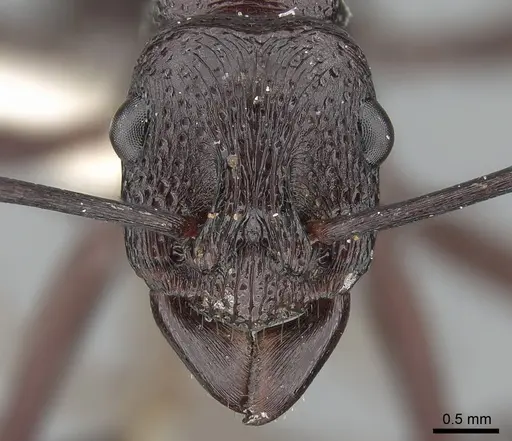
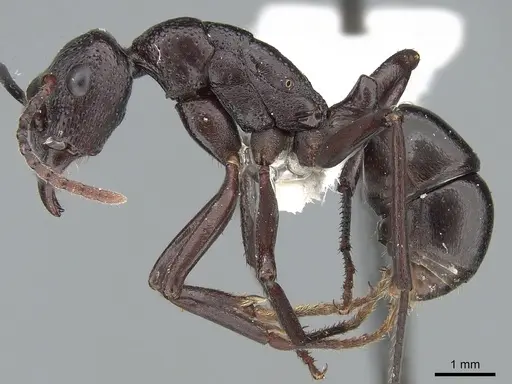
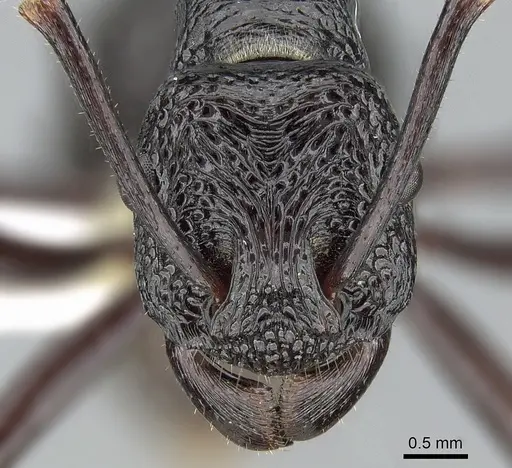
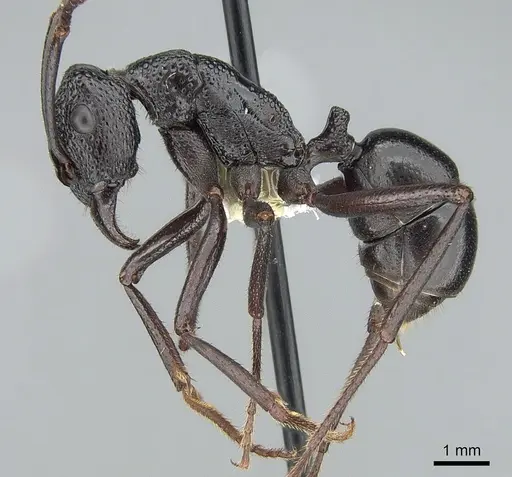
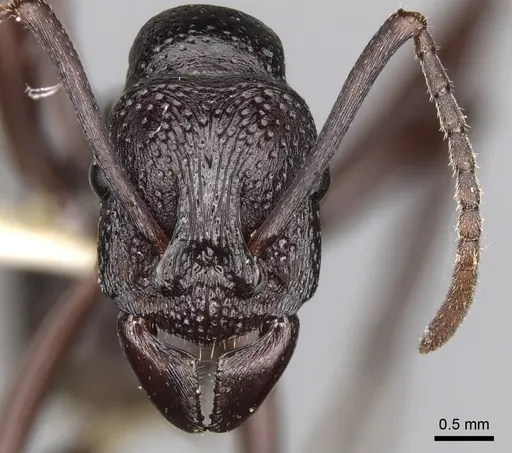
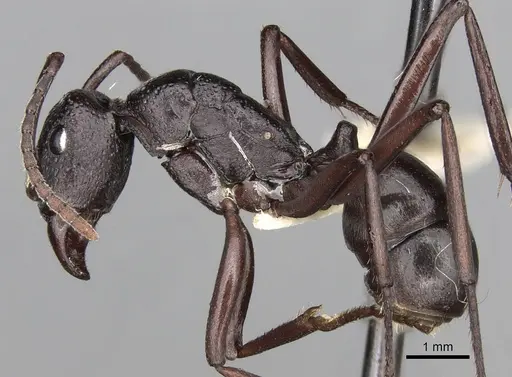
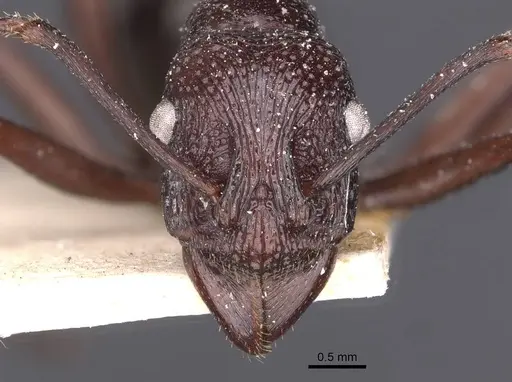
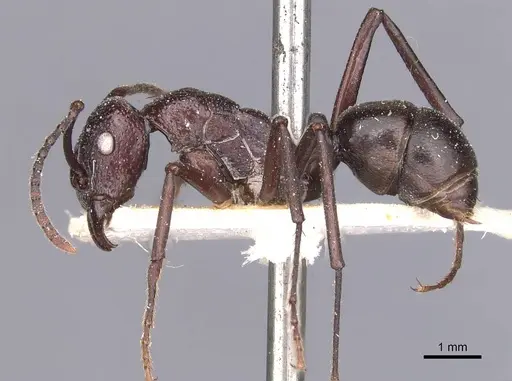
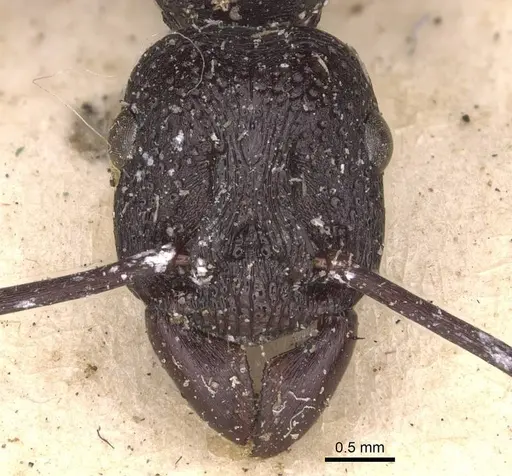
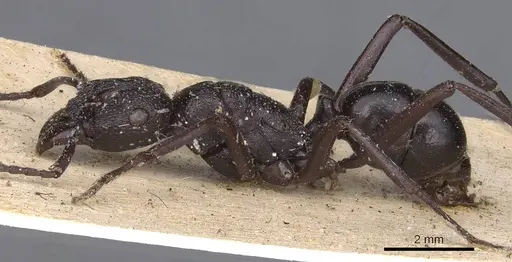
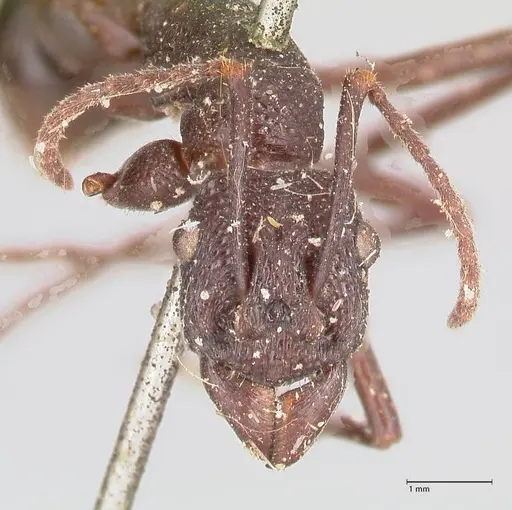
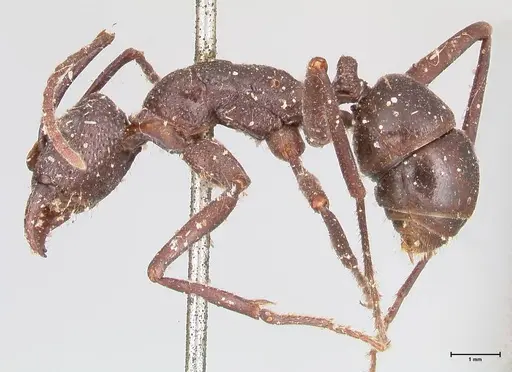
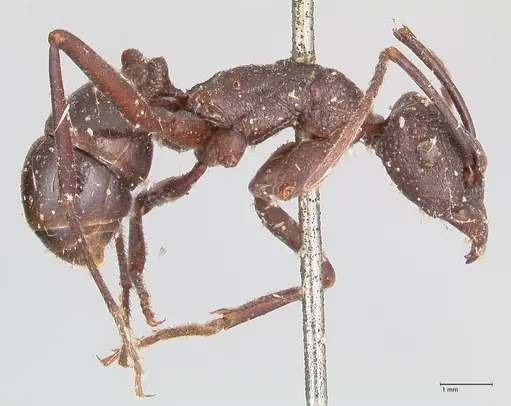
Rhytidoponera maniae is a medium-sized predatory ant native to southern Australia, specifically found in South Australia and the semi-arid southeastern regions of the continent [1]. Workers are not fully described in available literature, but the genus Rhytidoponera is known for its distinctive appearance with a flattened body and often metallic or iridescent coloration. This species was originally described as Rhytidoponera maniae by Forel in 1900 before being reclassified and synonymized under its current name [2].
This ant is predatory, actively hunting small invertebrates and arthropods in its arid to semi-arid habitat [3][4]. It shows a fascinating ecological pattern where its abundance increases with grass density and grazing pressure, particularly from rabbits, likely because disturbed soils with bare patches improve its foraging efficiency [3]. The species displays chromosome polymorphism (2n=44-48), indicating genetic diversity within populations [5].
Quick Summary
- Difficulty: Medium
- Origin & Habitat: Semi-arid southeastern Australia, particularly South Australia around Adelaide. Found in arid to semi-arid environments with sparse vegetation and disturbed soils [1][3].
- Colony Type: Colony structure is unconfirmed. Based on genus patterns, likely single-queen colonies but this requires verification.
- Size & Growth:
- Queen: Unconfirmed, no specific measurements available
- Worker: Unconfirmed, genus Rhytidoponera workers typically range 4-8mm, but species-specific data is lacking
- Colony: Unconfirmed, likely moderate-sized colonies based on genus patterns
- Growth: Unknown
- Development: Unconfirmed, estimated 6-10 weeks based on related Ectatomminae species at optimal temperatures (Direct development data not available for this species)
- Antkeeping:
- Temperature: Keep at 22-26°C as a starting point. Based on semi-arid Australian origin, they likely tolerate warmer conditions. Provide a temperature gradient so ants can self-regulate.
- Humidity: Semi-arid species, keep nest substrate moderately dry to slightly moist, avoiding waterlogging. Provide a shallow water dish for drinking.
- Diapause: Likely benefits from a mild winter rest period (6-8 weeks at 10-15°C) given Australian temperate origin, but specific requirements are unconfirmed
- Nesting: Natural nesting occurs in soil, often under stones or in shallow excavations in arid ground. In captivity, a naturalistic setup with dry to moderately moist substrate and flat stones or a Y-tong/plaster nest works well
- Behavior: Predatory ants that actively hunt small invertebrates. They are likely moderately aggressive when defending their nest. Workers probably forage individually rather than in groups. Escape risk is moderate, use standard barrier methods. Their small to medium size means standard escape prevention is sufficient.
- Common Issues: limited availability in the antkeeping hobby, this species is rarely kept, predatory diet requires consistent live prey which may be challenging to culture, colony structure and founding behavior unconfirmed, keepers may face uncertainty, specific humidity requirements unclear, start with moderately dry conditions, chromosome polymorphism suggests potential genetic variability between colonies
Natural History and Distribution
Rhytidoponera maniae is endemic to southern Australia, with confirmed records from South Australia including the Adelaide region [2]. The species is very common throughout semi-arid southeastern Australia, making it one of the more abundant ants in its range [1]. This distribution covers regions with Mediterranean-style climates characterized by hot, dry summers and mild, wet winters.
The species shows a strong ecological association with disturbed habitats. Research shows that R. maniae abundance increases with greater grass density and grazing pressure, particularly from rabbits [3]. This pattern suggests the species benefits from environmental disturbance, likely because increased bare soil from grazing creates better hunting grounds for this predatory ant. The species is part of what researchers call 'Cluster 1', a group of predatory ants that thrive in disturbed areas [4].
Predatory Feeding Behavior
This species is confirmed as predatory, actively hunting small invertebrates and arthropods in its environment [3][4]. In captivity, you should replicate this diet with small live prey such as fruit flies, pinhead crickets, small mealworms, and other appropriately-sized insects. Unlike many ants that primarily scavenge, R. maniae will actively pursue and attack prey.
Feed predatory ants more frequently than omnivorous species, small prey should be offered every 2-3 days or as consumed. Remove uneaten prey after 24 hours to prevent mold. While some Rhytidoponera species may accept sugar sources, this species' strong predatory nature means protein should form the primary diet. A shallow water dish should always be available for drinking.
Housing and Nesting
In the wild, Rhytidoponera maniae nests in soil, typically under stones or in shallow excavations in arid to semi-arid ground [2]. For captive housing, a naturalistic setup with a dry to moderately moist substrate works well. Use a substrate like sand-soil mix that allows for easy excavation and maintains some structure.
Flat stones on top of the substrate mimic their natural nesting sites under rocks. Alternatively, a Y-tong (AAC) nest with narrow chambers can work, though you may need to experiment with humidity levels. Since this is a semi-arid species, err on the side of drier conditions rather than overly damp. Provide a temperature gradient using a heating cable on one side of the nest, aiming for 22-26°C in the warm zone.
Temperature and Seasonal Care
Based on its semi-arid Australian origin, Rhytidoponera maniae likely prefers warmer temperatures with some variation. Start with a nest temperature of 22-26°C, providing a gradient so workers can choose their preferred zone. In their natural range, temperatures can exceed 30°C in summer but drop significantly in winter.
For overwintering, a mild hibernation period of 6-8 weeks at 10-15°C is likely beneficial, mimicking the Australian winter (June-August). During this period, reduce feeding frequency but maintain access to water. Monitor colony activity, if they remain active and healthy without hibernation, it may not be strictly required, but the option should be available.
Colony Development and Growth
Specific colony development data for R. maniae is not available in scientific literature. Based on related Ectatomminae species and typical ant development, expect 6-10 weeks from egg to first worker at optimal temperatures (around 24-26°C). The first workers (nanitics) will likely be smaller than mature workers.
Colony growth rate is unknown but likely moderate. Predatory ants often grow more slowly than omnivorous species because of the additional time required to hunt and process protein-rich food. Be patient with founding colonies, it may take several months to see significant growth after the first workers emerge. The species shows chromosome polymorphism (2n=44-48), suggesting genetic diversity that may affect colony health and development [5].
Behavior and Temperament
As a predatory ant, Rhytidoponera maniae workers are likely active hunters rather than passive foragers. They probably maintain smaller territories around their nest and hunt individually or in small groups. When threatened, they may use their sting (Ectatomminae have functional stingers) or spray formic acid as a defense.
Handle with care during nest maintenance, while not exceptionally aggressive, they will defend if provoked. Their moderate size means standard escape prevention methods (fluon barriers, tight-fitting lids) are sufficient. These ants are most active during warmer months and may reduce activity in cooler conditions.
Frequently Asked Questions
How long does it take for Rhytidoponera maniae to raise first workers?
Exact timeline is unconfirmed for this species, but based on related Ectatomminae, expect 6-10 weeks from egg to first worker at optimal temperatures around 24-26°C. Founding colonies require patience, the queen will remain sealed in her chamber until her first brood emerges.
What do Rhytidoponera maniae ants eat?
They are confirmed predatory ants [3][4]. Feed small live prey such as fruit flies, small crickets, mealworms, and other tiny insects. Offer prey every 2-3 days. Remove uneaten prey after 24 hours. Some sugar water may be accepted but protein should form the primary diet.
Can I keep Rhytidoponera maniae in a test tube?
Test tubes can work for founding colonies, but you may need to modify humidity since this is a semi-arid species. Use a smaller water reservoir and allow the setup to dry out more than you would for tropical species. A naturalistic setup with substrate may be better long-term.
Do Rhytidoponera maniae ants sting?
Yes, Rhytidoponera belongs to the subfamily Ectatomminae which includes ants with functional stingers. While not among the most dangerous ants, they can sting if threatened. The sting is likely mild to moderate in pain.
How big do Rhytidoponera maniae colonies get?
Colony size is unconfirmed for this specific species. Based on genus patterns, expect moderate-sized colonies of possibly 100-500 workers. Growth is likely slower than omnivorous species due to their predatory diet.
Does Rhytidoponera maniae need hibernation?
Based on their Australian temperate origin, a mild winter rest period (6-8 weeks at 10-15°C) is likely beneficial. This mimics their natural seasonal cycle. Reduce feeding during this period but maintain water access.
Are Rhytidoponera maniae good for beginners?
This species is rated Medium difficulty. While not the most challenging ant, limited availability and specific predatory diet requirements make it better suited for keepers with some experience. The main challenges are obtaining colonies and providing consistent live prey.
What temperature should I keep Rhytidoponera maniae at?
Start with 22-26°C, providing a temperature gradient so ants can self-regulate. A heating cable on one side of the nest can create this gradient. Their semi-arid origin suggests they tolerate warmer conditions better than overly damp/cold ones.
Why is my Rhytidoponera maniae colony not growing?
Potential issues include: insufficient prey (they need consistent protein), incorrect humidity (too wet for this semi-arid species), temperatures too low, or stress from disturbance. Ensure prey is being consumed and adjust conditions gradually. Predatory colonies naturally grow slower than omnivorous ones.
Can I keep multiple queens together?
Colony structure is unconfirmed for this species. Based on genus patterns, they likely form single-queen colonies. Combining unrelated queens is not recommended without evidence they accept pleometrosis. If you obtain multiple foundresses, house them separately.
What humidity level do Rhytidoponera maniae need?
As a semi-arid species, keep conditions moderately dry. The nest substrate should be slightly moist but not waterlogged. Provide a shallow water dish for drinking. Avoid the constantly damp conditions suitable for tropical rainforest ants.
References

This caresheet is licensed under CC BY-SA 4.0 .
CASENT0281299
View on AntWeb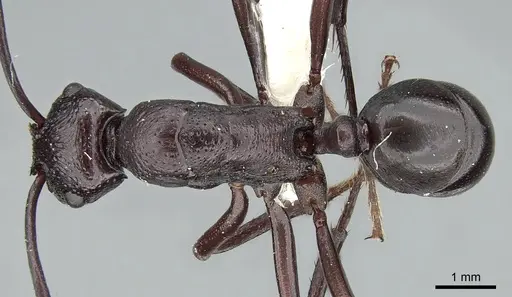
CASENT0281300
View on AntWeb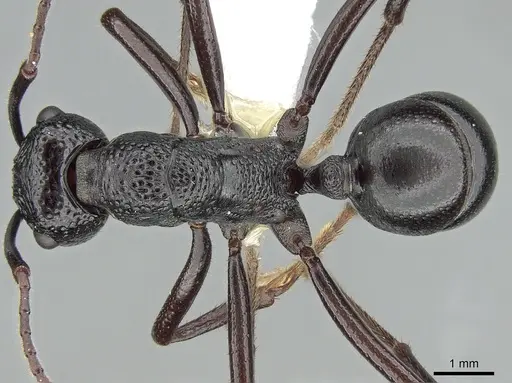
CASENT0281823
View on AntWeb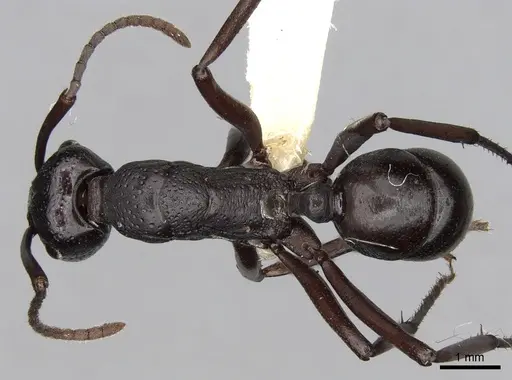
CASENT0907139
View on AntWeb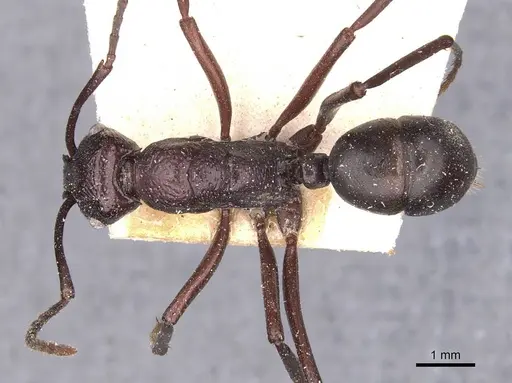
CASENT0907148
View on AntWeb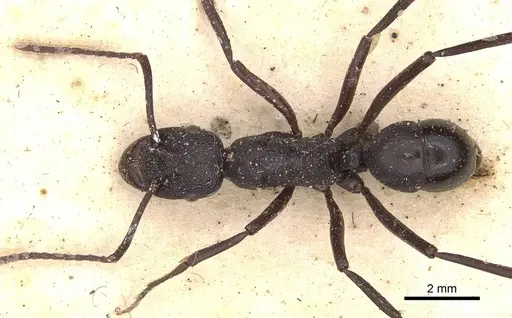
FOCOL0911
View on AntWeb
Literature
Loading...Loading products...