

Rhytidoponera litoralis
- Scientific Name
- Rhytidoponera litoralis
- Tribe
- Ectatommini
- Subfamily
- Ectatomminae
- Author
- Ward, 1984
- Distribution
- Found in 1 countries
Rhytidoponera litoralis Overview
Rhytidoponera litoralis is an ant species of the genus Rhytidoponera. It is primarily documented in 1 countries , including New Caledonia. Detailed taxonomic data and occurrence records can be further explored via authoritative databases such as AntWeb or the Global Biodiversity Information Facility (GBIF).
Rhytidoponera litoralis
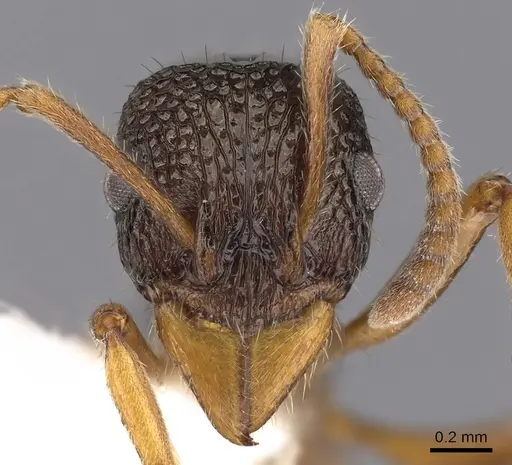
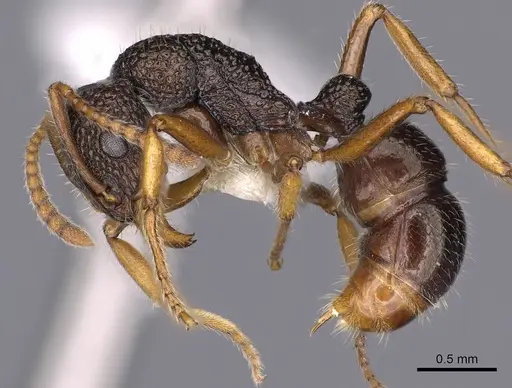
Rhytidoponera litoralis is a small to medium-sized ant species native to New Caledonia, an island in the South Pacific. Workers are typically dark brown to black with a distinctive metallic sheen that catches light beautifully, a common trait in the Rhytidoponera genus. This species was formally described by Ward in 1984 and is found exclusively in the rainforests of New Caledonia, where it nests in rotting logs and decaying wood on the forest floor [1]. The genus Rhytidoponera belongs to the subfamily Ectatomminae, which includes many predatory ant species known for their active hunting behavior and functional stingers. These ants are relatively uncommon in the antkeeping hobby, making them an interesting choice for keepers looking for something different from the more common Camponotus or Lasius species.
Quick Summary
- Difficulty: Medium
- Origin & Habitat: New Caledonia, tropical island in the South Pacific. In the wild, these ants live in rotting logs and decaying wood in lowland rainforest habitats at elevations below 10 meters. The environment is warm, humid, and shaded with consistent moisture.
- Colony Type: Likely monogyne (single queen colonies) based on typical genus patterns, though colony structure has not been specifically documented for this species. Founding behavior is unconfirmed but likely claustral based on genus patterns.
- Size & Growth:
- Queen: Estimated 7-9mm based on related Rhytidoponera species
- Worker: Estimated 4-6mm based on genus morphology
- Colony: Likely moderate, related species typically reach several hundred workers
- Growth: Moderate, typical for tropical forest species
- Development: Estimated 6-10 weeks at tropical temperatures (24-28°C), based on typical Ectatomminae development patterns (Development time is inferred from genus patterns, specific data for this species is not available)
- Antkeeping:
- Temperature: Keep at 24-28°C (warm tropical conditions). A heating cable on one side of the nest creates a temperature gradient that allows ants to regulate their own exposure. This matches their natural rainforest habitat where temperatures remain consistently warm year-round.
- Humidity: High humidity is essential, aim for 70-85%. These ants naturally live in rotting wood that stays consistently moist. Use a substrate that holds moisture well and check regularly, the wood should feel damp but not be waterlogged. Mist the outworld occasionally and consider a water reservoir in the nest.
- Diapause: Unlikely to require true hibernation, New Caledonia has a tropical climate with minimal seasonal temperature variation. However, a slight reduction in temperature during winter months (dropping to around 20-22°C) may be beneficial as it mimics natural seasonal cycles.
- Nesting: In captivity, they do well in naturalistic setups with rotting wood pieces, cork bark, or a Y-tong/plaster nest with high humidity. The key is providing damp, dark spaces that mimic their natural log-nesting habitat. Avoid dry nests as they will quickly desiccate.
- Behavior: Rhytidoponera litoralis workers are active foragers with typical Ectatomminae behavior, they actively hunt small invertebrates and scavenge. They have functional stingers and may use them defensively if threatened, though they are not typically aggressive toward keepers. Workers are moderately sized and can climb well, so standard escape prevention measures are needed. They are diurnal and will readily explore the outworld during daylight hours. Their small size means they can slip through small gaps, use fine mesh and ensure all connections are sealed.
- Common Issues: high humidity makes mold a constant threat, ensure good ventilation while maintaining moisture, dry conditions quickly kill colonies, never let the nest substrate dry out, escape prevention is important despite their moderate size, they can squeeze through small gaps, wild-caught colonies may carry parasites that can devastate captive populations, slow founding stage means colonies are vulnerable for extended periods
Housing and Nest Setup
For Rhytidoponera litoralis, the key is replicating their natural rotting-log habitat. A naturalistic setup works best, use a container filled with moist substrate (a mix of soil and rotting wood pieces) that holds humidity well. You can also use a Y-tong (AAC) nest or plaster nest, but these require careful humidity monitoring to prevent drying out. Place the nest in a dark area or cover it to reduce light exposure, these rainforest ants prefer dark, damp spaces. The outworld should be simple with minimal decorations since they need space to forage. A water test tube with a cotton plug provides drinking water, and a small dish works for sugar water.
Feeding and Diet
Like other Ectatomminae ants, R. litoralis is likely omnivorous with a strong predatory instinct. Offer small live prey like fruit flies, pinhead crickets, small mealworms, and other tiny invertebrates. They will also accept sugar sources, a drop of honey water or sugar water should be taken readily. In the wild, they forage for small insects and likely also collect honeydew from aphids or scale insects. Feed them small prey items 2-3 times per week, and keep a constant sugar source available. Remove any uneaten prey after 24 hours to prevent mold.
Temperature and Humidity Management
These ants need warm, humid conditions to thrive. Maintain temperatures between 24-28°C using a heating cable placed on one side of the nest to create a gradient. This allows workers to move between warmer and cooler areas as needed. Humidity should stay high at 70-85%, the nest substrate should feel consistently damp. Check moisture levels daily and rehydrate when needed. Good ventilation is crucial to prevent mold, but avoid placing the nest in direct airflow that will dry it out. A hygrometer helps monitor conditions accurately.
Colony Development and Growth
A founding queen will seal herself in a small chamber and lay eggs without leaving to forage, this is typical claustral behavior. The first workers (nanitics) will be smaller than mature workers and may take 6-10 weeks to emerge at optimal temperatures. After the first workers arrive, the colony enters a growth phase where the queen continues laying eggs and workers expand the nest and forage for food. Growth rate is moderate, expect the colony to reach 50+ workers within the first year under good conditions. Colonies may reach several hundred workers when mature.
Seasonal Care and Wintering
Since R. litoralis comes from tropical New Caledonia, they do not require true hibernation. However, slight seasonal adjustments can benefit long-term colony health. During winter months (roughly November-February in the Northern Hemisphere), you can reduce temperatures by a few degrees to around 20-22°C while maintaining humidity. This mimics natural seasonal cycles without inducing dormancy. Do not cool them dramatically or allow temperatures to drop below 18°C. Continue feeding throughout winter, just slightly less frequently.
Frequently Asked Questions
How long does it take for Rhytidoponera litoralis to produce first workers?
At optimal temperatures of 24-28°C, expect first workers (nanitics) to emerge in approximately 6-10 weeks after the queen lays her first eggs. This timeline is based on typical Ectatomminae development patterns, as specific development data for this species is not available.
Do Rhytidoponera litoralis ants sting?
Yes, Rhytidoponera species have functional stingers as members of the subfamily Ectatomminae. However, they are not aggressive toward keepers and will only sting if directly threatened or handled roughly. The sting is mild compared to some ponerine ants.
What do Rhytidoponera litoralis ants eat?
They are omnivorous with predatory instincts. Offer small live prey like fruit flies, pinhead crickets, small mealworms, and other tiny invertebrates. They also readily accept sugar sources such as honey water or sugar water. Remove uneaten prey within 24 hours to prevent mold.
Can I keep Rhytidoponera litoralis in a test tube?
Test tubes can work for founding colonies but require careful humidity management. These ants need high humidity that can be difficult to maintain in a simple test tube setup. A naturalistic setup with moist substrate or a humidified formicarium is preferable for long-term success.
Are Rhytidoponera litoralis ants good for beginners?
This species is rated as medium difficulty. While not the most challenging ant to keep, they do require specific conditions (high humidity, warm temperatures) that beginners may find challenging to maintain consistently. Their moderate size and interesting behavior make them rewarding for keepers willing to meet their needs.
How big do Rhytidoponera litoralis colonies get?
Based on related species, colonies likely reach several hundred workers at maturity. The exact maximum is unknown for this specific species, but expect moderate-sized colonies rather than the massive supercolonies seen in some Formica or Linepithema species.
Do Rhytidoponera litoralis need hibernation?
No, true hibernation is not required. These ants come from tropical New Caledonia where temperatures remain warm year-round. A slight temperature reduction during winter (to around 20-22°C) is beneficial but not necessary for colony health.
When should I move my colony to a formicarium?
Move colonies to a larger setup once they reach around 50-100 workers and the test tube or founding setup becomes crowded. A naturalistic setup with moist substrate works well, or you can use a Y-tong/plaster nest with a humidifier section. Always ensure the new setup maintains the high humidity they need.
Why is my Rhytidoponera litoralis colony dying?
The most common causes are: dry conditions (they need constant humidity), temperatures that are too cold (below 20°C), mold from poor ventilation, or parasites from wild-caught colonies. Check your humidity levels first, the nest substrate should feel damp consistently. Also ensure temperatures are in the 24-28°C range.
Can I keep multiple queens together?
Combining unrelated queens is not recommended as there is no documented evidence that this species accepts multi-queen colonies. Keep single queens for founding, and only introduce a queen to an established colony if you have specific evidence the species tolerates this.
References

This caresheet is licensed under CC BY-SA 4.0 .
CASENT0281322
View on AntWeb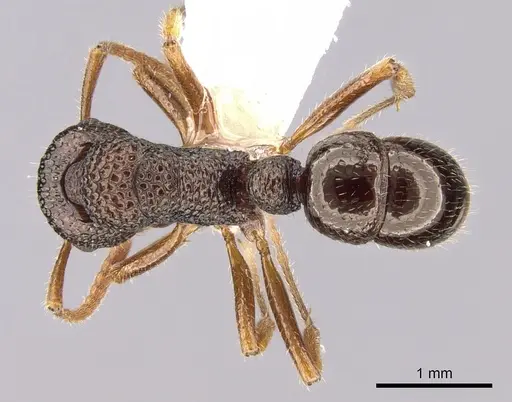
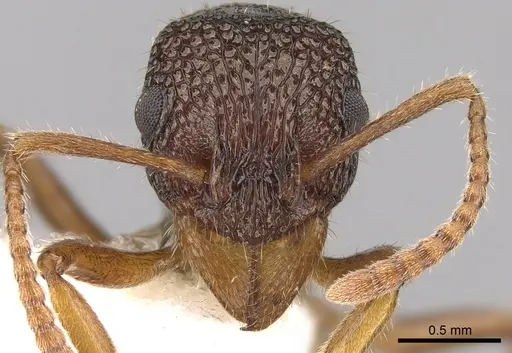
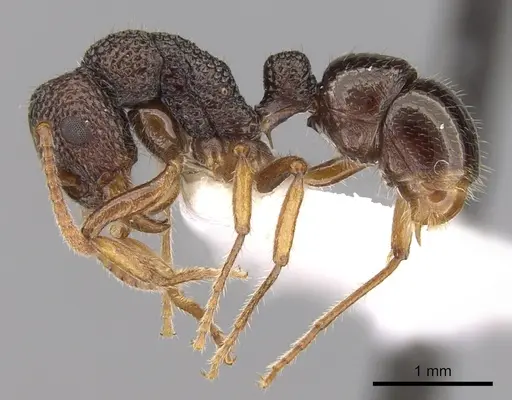
CASENT0900540
View on AntWeb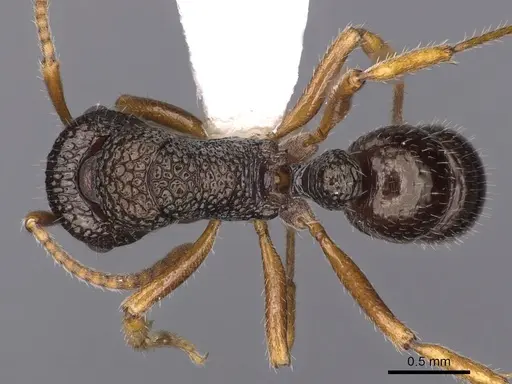
Literature
Loading...Loading products...