

Rhytidoponera insularis
- Scientific Name
- Rhytidoponera insularis
- Tribe
- Ectatommini
- Subfamily
- Ectatomminae
- Author
- Ward, 1984
- Distribution
- Found in 1 countries
Rhytidoponera insularis Overview
Rhytidoponera insularis is an ant species of the genus Rhytidoponera. It is primarily documented in 1 countries , including New Caledonia. Detailed taxonomic data and occurrence records can be further explored via authoritative databases such as AntWeb or the Global Biodiversity Information Facility (GBIF).
Rhytidoponera insularis
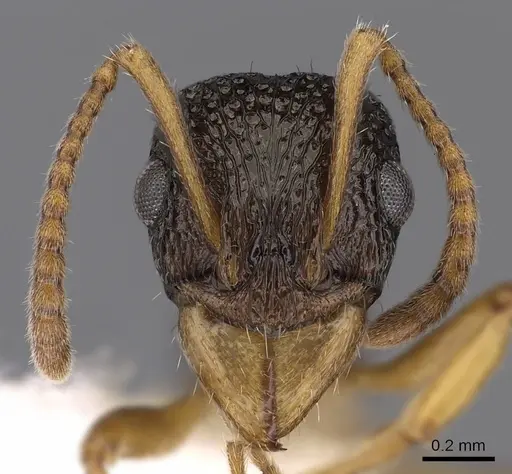
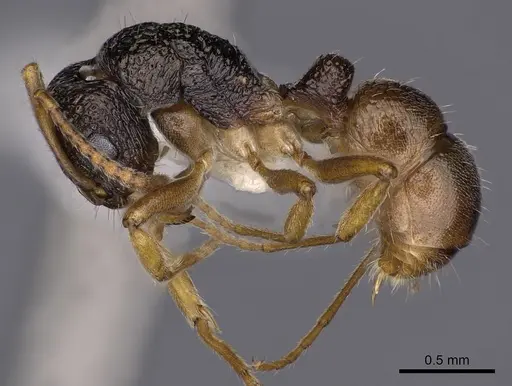
Rhytidoponera insularis is a small to medium-sized ant native exclusively to New Caledonia, specifically found on the Island of Pines (Ile des Pins). Workers measure approximately 4-6mm and display the characteristic metallic or coppery coloration common to many Rhytidoponera species, with a distinctly sculptured exoskeleton. This species was formally described by Ward in 1984 and is known only from rainforest habitats at low elevations (under 15 meters), where they foraged on low vegetation [1].
As members of the subfamily Ectatomminae, these ants possess functional stingers, this is one of the key differences between Ectatomminae and the more common Formicinae (which spray formic acid instead). In their limited range on Ile des Pins, they occupy rainforest understories where humidity remains consistently high year-round. The species remains poorly studied in captivity, with no published colony data or detailed behavioral observations available.
Quick Summary
- Difficulty: Medium
- Origin & Habitat: Endemic to the Island of Pines (Ile des Pins) in New Caledonia, found exclusively in lowland rainforest habitats at elevations under 15 meters [1]. New Caledonia has a tropical climate with high year-round humidity.
- Colony Type: Colony structure is unconfirmed. No published data on queen number or colony size exists for this species.
- Size & Growth:
- Queen: Unconfirmed, estimated 5-7mm based on genus patterns
- Worker: Approximately 4-6mm based on type specimen descriptions [1]
- Colony: Unknown, no colony size data published
- Growth: Unknown
- Development: Estimated 6-8 weeks based on typical Ectatomminae development patterns (Development timeline is inferred from genus-level data, not directly studied for this species)
- Antkeeping:
- Temperature: Keep at 24-28°C, they come from tropical New Caledonia and need warmth. A heating cable on one side of the nest creates a suitable gradient.
- Humidity: High humidity is essential, aim for 70-85%. These rainforest ants need consistently moist substrate. Keep the nest substrate damp but not waterlogged.
- Diapause: Unlikely, being from tropical New Caledonia, they probably do not require a hibernation period. However, a slight reduction in temperature during winter months may be beneficial.
- Nesting: In nature they likely nest in rotting wood or soil in shaded rainforest areas. In captivity, a naturalistic setup with moist substrate or a Y-tong/plaster nest works well. Avoid dry conditions entirely.
- Behavior: These ants are predatory or omnivorous, typical of the Ectatomminae. They likely hunt small invertebrates and may tend aphids for honeydew. Workers are moderately aggressive and will use their stingers defensively. Their small size means escape prevention is important, use fine mesh barriers. They are likely more active in warmer conditions.
- Common Issues: high humidity requirement makes them prone to mold issues if ventilation is poor, escape prevention is critical due to small worker size, lack of published care information means starting parameters are estimates, wild-caught colonies may be difficult to establish due to unknown founding requirements, their stinger means they can deliver painful stings if handled roughly
Temperature and Care
Rhytidoponera insularis comes from tropical New Caledonia, where temperatures remain warm year-round. Keep your colony at 24-28°C for optimal activity and brood development. A heating cable placed on one side of the nest creates a temperature gradient that allows ants to regulate their own temperature by moving between warmer and cooler areas. Avoid temperatures below 20°C for extended periods, as this species is not adapted to cool conditions.
Because they inhabit rainforest understories, these ants need high humidity, aim for 70-85% relative humidity. The nest substrate should remain consistently moist but never waterlogged. Check moisture levels regularly and rehydrate when the surface begins drying. A water reservoir connected to the nest (like in test tube setups) helps maintain stable humidity. Good ventilation is essential to prevent mold, but avoid excessive airflow that dries out the nest. [1]
Feeding and Diet
As Ectatomminae ants, Rhytidoponera insularis is likely predatory or omnivorous, feeding on small invertebrates and insect prey in nature. In captivity, offer a varied diet including small live prey (fruit flies, pinhead crickets, mealworms) and protein-rich foods. They will likely accept sugar sources like honey water or sugar water, especially if honeydew-producing insects are available.
Feed small prey items that match the worker size, these are not large ants, so prey should be appropriately sized. Remove uneaten prey after 24-48 hours to prevent mold. Offer protein 2-3 times per week and keep sugar water available constantly. Observe your colony's preferences and adjust feeding accordingly.
Nesting Preferences
In their natural rainforest habitat on Ile des Pins, these ants likely nest in rotting wood, under stones, or in moist soil in shaded areas. For captive care, a naturalistic setup with moist substrate works well, a mix of soil and organic material that holds moisture. Y-tong (AAC) nests or plaster nests with moisture reservoirs are also suitable options.
The key is maintaining high humidity while providing adequate ventilation. Avoid completely dry setups. The nest should have chambers scaled to colony size, not too large, as these ants prefer cozy spaces. Darkening the nest (covering with a red film or keeping in a dark area) encourages more natural behavior. [1]
Behavior and Temperament
Rhytidoponera ants are known for their metallic coloration and somewhat aggressive temperament when defending their nest. Workers possess functional stingers (unlike Formicinae ants which spray formic acid), so they can deliver stings if threatened. Handle gently and avoid provoking defensive responses.
These ants are likely diurnal or crepuscular foragers, actively searching for prey during warmer parts of the day. They probably hunt individually or in small groups rather than forming large foraging columns. Their small size makes them agile climbers, so escape prevention with fine mesh barriers is essential, they can squeeze through surprisingly small gaps.
Frequently Asked Questions
Do Rhytidoponera insularis ants sting?
Yes, Rhytidoponera belongs to the subfamily Ectatomminae, which has functional stingers. Unlike many common ant species that spray formic acid, these ants can actually sting. The sting is not dangerously potent but can be painful, similar to a bee sting. Handle gently and avoid provoking the colony.
How long does it take for Rhytidoponera insularis to raise first workers?
Based on typical Ectatomminae development patterns, expect approximately 6-8 weeks from egg to first worker (nanitic) at optimal temperature (24-28°C). This is an estimate since the specific development timeline has not been documented for this species.
Can I keep Rhytidoponera insularis in a test tube setup?
Yes, a test tube setup can work well for founding colonies. Ensure the water reservoir is appropriately sized to maintain humidity without flooding. Cover the tube with a dark material to reduce stress. For established colonies, consider transitioning to a naturalistic setup or Y-tong nest that can maintain higher humidity.
What do Rhytidoponera insularis eat?
They are likely predatory or omnivorous. Feed small live prey (fruit flies, small crickets, mealworms) as a primary protein source. They will probably accept sugar water or honey water. Offer protein 2-3 times weekly with sugar available constantly.
Do Rhytidoponera insularis need hibernation?
Unlikely, being from tropical New Caledonia, they probably do not require a true hibernation period. However, a slight temperature reduction during winter months (down to around 20-22°C) may be appropriate and mirrors natural seasonal variations, but do not cool them dramatically.
Are Rhytidoponera insularis good for beginners?
This species is rated as Medium difficulty. While not the most challenging ant to keep, the high humidity requirements and limited published care information make it better suited for keepers with some experience. Beginners should start with more documented species to learn humidity management.
How big do Rhytidoponera insularis colonies get?
The maximum colony size is unknown, no published colony data exists for this species. Based on typical Rhytidoponera patterns, colonies likely reach several hundred workers at most. Start with a single queen founding setup and be patient as the colony grows slowly.
Why are my Rhytidoponera insularis dying?
Common causes include: too low humidity (keep substrate consistently moist), temperatures below 20°C (they need warmth), poor ventilation causing mold, or stress from excessive disturbance. Check these parameters first and adjust accordingly. Wild-caught colonies may also carry parasites or be stressed from collection.
When should I move my colony to a formicarium?
Wait until the colony has at least 20-30 workers and the test tube is becoming cramped. Ensure the formicarium can maintain high humidity, naturalistic setups or plaster nests work well. Make the transition gradual by connecting the formicarium to the test tube and allowing ants to explore voluntarily.
Can I keep multiple queens together?
Not recommended, combining unrelated queens of this species has not been documented and would likely result in aggression. If you obtain a multi-queen colony from the wild, it may be best to separate them to prevent fighting, unless they have already established a stable polygyne arrangement.
References

This caresheet is licensed under CC BY-SA 4.0 .
CASENT0281321
View on AntWeb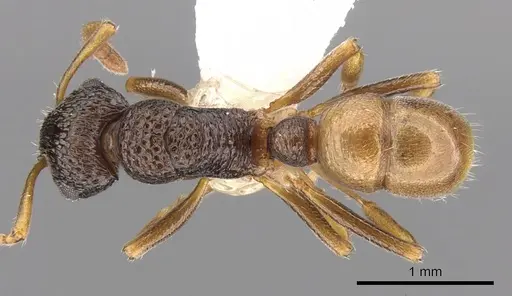
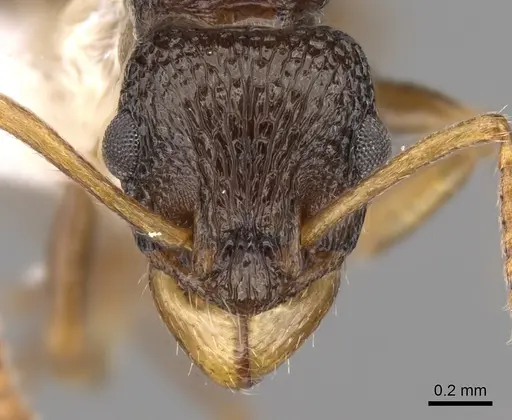
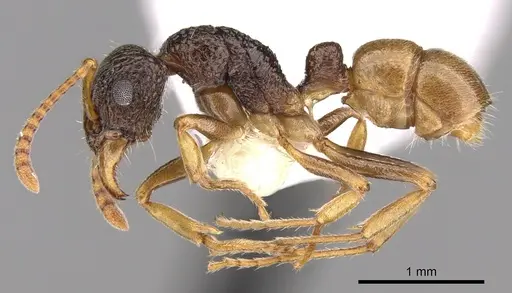
CASENT0900542
View on AntWeb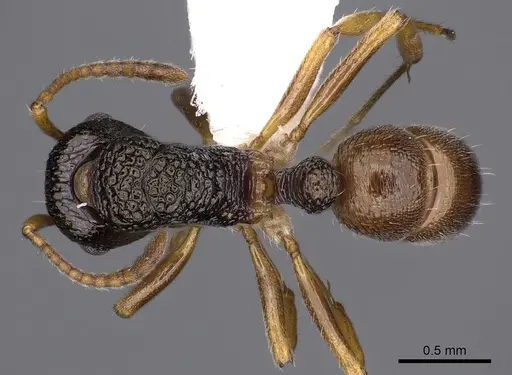
Literature
Loading...Loading products...