

Rhytidoponera inornata
- Scientific Name
- Rhytidoponera inornata
- Tribe
- Ectatommini
- Subfamily
- Ectatomminae
- Author
- Crawley, 1922
- Distribution
- Found in 1 countries
Rhytidoponera inornata Overview
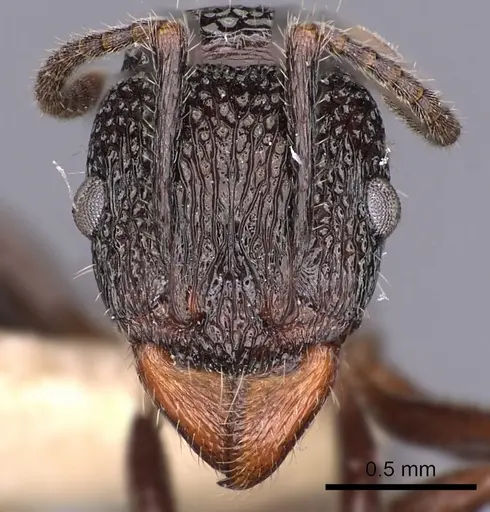
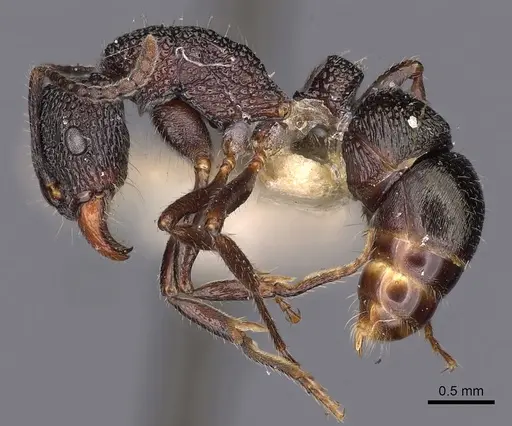
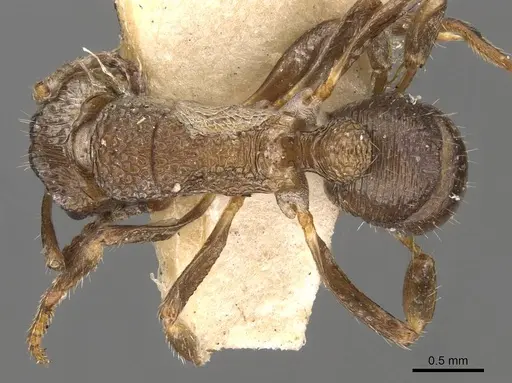
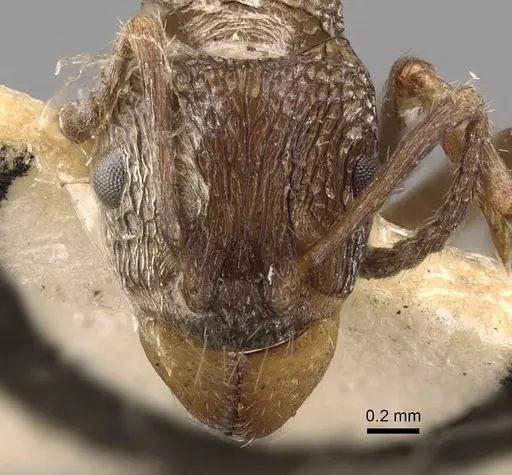
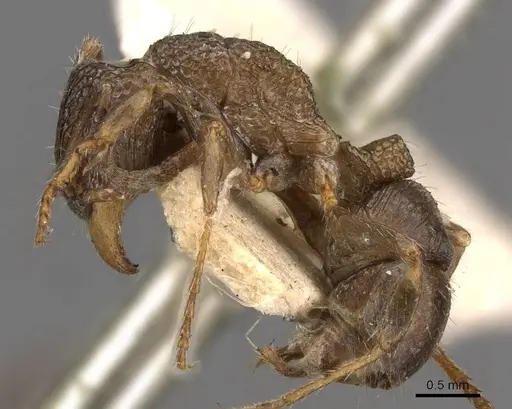
Rhytidoponera inornata is an ant species of the genus Rhytidoponera. It is primarily documented in 1 countries , including Australia. Detailed taxonomic data and occurrence records can be further explored via authoritative databases such as AntWeb or the Global Biodiversity Information Facility (GBIF).
Rhytidoponera inornata
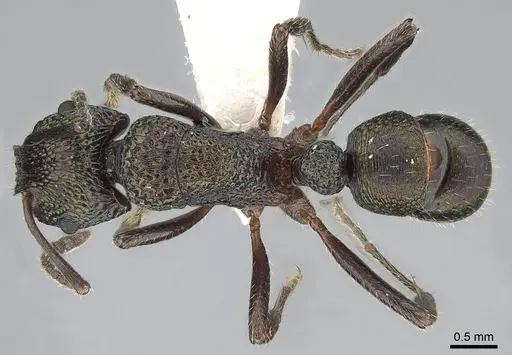
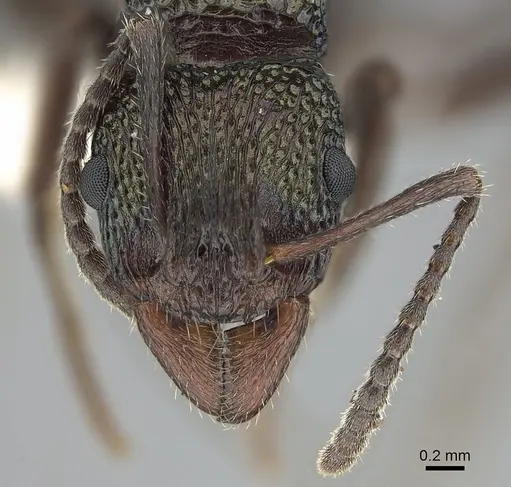
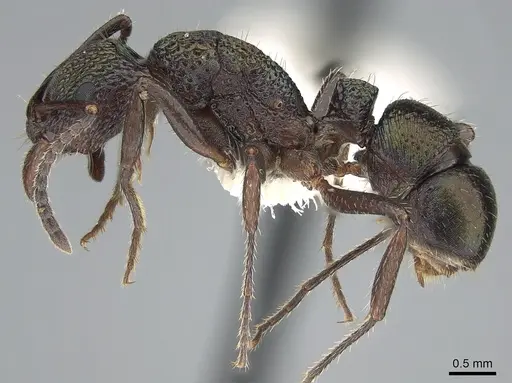
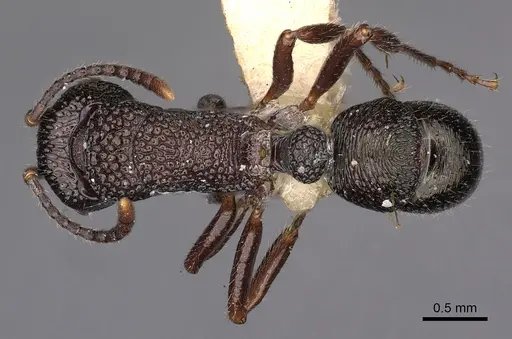
Rhytidoponera inornata is a medium-sized ant native to southwestern Australia, particularly common in Western Australia around Perth and coastal areas. Workers measure around 6-7mm with a distinctive dark, non-iridescent appearance unlike its close relative R. metallica which has a greenish-blue sheen. This species lacks the iridescence typical of many Rhytidoponera, appearing matte black to dark brown [1][2]. Colonies are relatively small, averaging around 200 workers per nest with a nest density of approximately 675 nests per hectare in suitable habitat [3]. They are important seed dispersers in their ecosystem, collecting seeds (particularly elaiosome-bearing seeds) and contributing to seedling distribution patterns around their nests [3][4].
Quick Summary
- Difficulty: Medium
- Origin & Habitat: Coastal areas of southwest Western Australia, from Perth along the south coast to Esperance. Found in both natural habitats and urban areas, preferring wetter areas of the Southwest Botanical Province (SWBP) [2][3].
- Colony Type: Single-queen colonies (monogyne) with functional queens. Unlike some related Rhytidoponera species that reproduce primarily through workers, this species has true queens that are effective aerial dispersers [5].
- Colony: Monogyne
- Founding: Claustral
- Size & Growth:
- Queen: Approximately 7-8mm (estimated based on genus)
- Worker: Approximately 6-7mm [3]
- Colony: Mean 197.6 workers per nest in the wild [3]
- Growth: Moderate
- Development: Estimated 8-12 weeks at optimal temperature (inferred from genus patterns) (Development time is not specifically documented for this species, estimates based on typical Ectatomminae development)
- Antkeeping:
- Temperature: Keep at 22-26°C. They are diurnally active with peak foraging during early afternoon in winter when it's warmest [3]. A gentle temperature gradient is recommended.
- Humidity: Moderate humidity. They nest in soil with an average depth of 25cm, so keep the nest substrate consistently moist but not waterlogged [3].
- Diapause: Unknown, no specific documentation found. As a southwestern Australian species, they likely experience reduced activity during cooler months but may not require full hibernation.
- Nesting: Soil-nesting species. In captivity, a naturalistic setup with soil or a plaster/acrylic nest with moisture retention works well. They prefer finer substrate channels compared to other Rhytidoponera [3].
- Behavior: Relatively docile temperament but capable of stinging if threatened. Workers are opportunistic foragers, primarily hunting small invertebrates and collecting seeds. They are relatively slow-moving ants compared to many other genera [3]. They have moderate escape risk due to their size, standard barrier methods should suffice. They are important elaiosome collectors and play a significant role in seed dispersal in their native habitat [3][4].
- Common Issues: colonies are relatively small, slow growth may frustrate beginners expecting rapid colony development, specific founding behavior is unconfirmed, queen may require specific conditions to establish, escape prevention is important though not as critical as for tiny species, wild-caught colonies may have parasites that can affect captive success, limited available information on captive care compared to more common ant species
Housing and Nest Setup
Rhytidoponera inornata is a soil-nesting ant that excavates relatively shallow nests averaging 25cm deep with finer channels than other Rhytidoponera species [3]. For captive care, a naturalistic setup with a soil-filled container or a plaster nest with moisture retention works well. They prefer finer substrate particles, so avoid coarse gravel in the nesting area. A test tube setup can work for founding colonies, but transfer to a more spacious formicarium once the colony reaches 30-50 workers. Provide a water reservoir connected to the nest for humidity control. Since they are moderate-sized ants, standard formicarium chambers sized 5-10mm work appropriately.
Feeding and Diet
In the wild, workers forage for small invertebrates and are significant seed collectors. Their middens contain about 8% seeds with the remainder being arthropod fragments, indicating they are opportunistic predators and seed dispersers [3]. In captivity, offer a varied diet including small live insects (fruit flies, small crickets, mealworms) as protein sources. They will also accept sugar water or honey as an energy source. Seeds with elaiosomes (fat bodies attached) may be accepted and this mimics their natural seed-dispersal role. Feed protein 2-3 times per week and keep sugar water available at all times. Remove uneaten prey after 24 hours to prevent mold.
Temperature and Seasonal Care
Keep the nest area at 22-26°C. This species is diurnally active with peak foraging during early afternoon in winter, the warmest part of the day [3]. This suggests they prefer moderate warmth and will adjust their activity to temperature. A heating cable on one side of the nest can create a temperature gradient allowing the ants to self-regulate. During cooler months, reduce feeding frequency as activity decreases. Whether they require a true diapause is unknown, monitor your colony for seasonal slowdowns and adjust care accordingly. If activity decreases in winter, reduce feeding and ensure the colony is not too cold.
Behavior and Temperament
Rhytidoponera inornata workers are relatively slow-moving and opportunistic foragers compared to many other ant species [3]. They are not particularly aggressive but can sting if the nest is threatened. Their vision has been studied extensively, they have small eyes with only 227 facets per eye (among the smallest recorded for ants) but maintain good spatial resolution [3]. This suggests they rely more on chemical cues than visual navigation. They are important ecological players as seed dispersers in their native habitat, collecting elaiosome-bearing seeds and contributing to clumped seedling distribution around their nests [4]. In captivity, they are generally docile and easy to work with.
Colony Growth and Development
Wild colonies average 198 workers with 45 male alates and 30 female alates per colony [3]. This is relatively small compared to many ant species. Colony growth is moderate, expect 6-12 months from founding to first workers, and several years to reach mature colony size. Queens are functional reproductive individuals capable of aerial dispersal, unlike some related Rhytidoponera where workers reproduce instead of queens [5]. The founding behavior is not specifically documented but is likely claustral based on genus patterns, the queen seals herself in a chamber and raises the first brood using stored fat reserves. Be patient with this species as they do not grow as rapidly as many tropical ants.
Frequently Asked Questions
How long does it take for Rhytidoponera inornata to get their first workers?
Based on typical development for this genus, expect 8-12 weeks from egg to first worker at optimal temperature (22-26°C). This is a moderate development time, faster than some temperate species but slower than many tropical ants. Be patient during founding as the queen will be sealed in her chamber raising the first brood.
What do Rhytidoponera inornata ants eat?
They are opportunistic feeders that accept small live insects (fruit flies, small crickets, mealworms) as their primary protein source. They also collect seeds in the wild and will accept sugar water or honey. Offer protein 2-3 times per week and keep sugar water constantly available. Seeds with elaiosomes may also be accepted.
Can I keep multiple queens of Rhytidoponera inornata together?
No, this species is monogyne, they form single-queen colonies. Multiple unrelated queens will likely fight. Only introduce a second queen during pleometrosis (multi-queen founding) if documented for this species, which it is not. Stick to single-queen colonies for successful keeping.
Do Rhytidoponera inornata ants sting?
Yes, they are capable of stinging if threatened. However, they are generally docile and will only sting if the nest is directly disturbed or handled roughly. Their sting is not considered dangerous to healthy humans but may cause mild irritation.
How big do Rhytidoponera inornata colonies get?
Wild colonies average around 198 workers, with some reaching 200-300 workers [3]. This is relatively small compared to many ant species. In captivity, a well-established colony might reach similar sizes over several years. Do not expect the massive colonies seen in species like Camponotus or Formica.
Are Rhytidoponera inornata good for beginners?
They are rated as medium difficulty. They are more forgiving than some exotic species but require more patience than fast-growing ants. They have specific humidity needs (moist but not wet substrate) and moderate temperature requirements. Their small colony size and slower growth may test beginner patience, but their docile temperament makes them manageable.
What temperature do Rhytidoponera inornata need?
Keep them at 22-26°C. They are naturally active during warm afternoons, especially in winter when they forage during the warmest part of the day [3]. A heating cable on one side of the nest creates a gradient they can self-regulate. Avoid temperatures below 18°C or above 30°C.
Do Rhytidoponera inornata need hibernation?
It is unknown whether they require a true diapause. As a southwestern Australian species from temperate climates, they likely experience cooler winter months with reduced activity. If your colony slows down during winter, reduce feeding and slightly lower temperatures (but not below 15°C). Monitor your colony's behavior and adjust accordingly.
When should I move Rhytidoponera inornata to a formicarium?
Keep founding colonies in a test tube setup until they have 30-50 workers. Once the test tube becomes crowded or the water reservoir runs low, transfer to a larger formicarium. A naturalistic setup with soil or a plaster nest with moisture retention works best since they naturally nest in soil with fine channels.
Why are my Rhytidoponera inornata dying?
Common causes include: too dry substrate (they need consistent moisture), improper temperature (too cold slows activity, too hot stresses the colony), mold from overfeeding or poor ventilation, or stress from excessive disturbance. Ensure humidity is adequate, temperature is in the 22-26°C range, and remove uneaten food promptly. Wild-caught colonies may also carry parasites that can cause issues in captivity.
References

This caresheet is licensed under CC BY-SA 4.0 .
Literature
Loading...Loading products...