

Rhytidoponera fulgens
- Scientific Name
- Rhytidoponera fulgens
- Tribe
- Ectatommini
- Subfamily
- Ectatomminae
- Author
- Emery, 1883
- Distribution
- Found in 1 countries
Rhytidoponera fulgens Overview
Rhytidoponera fulgens is an ant species of the genus Rhytidoponera. It is primarily documented in 1 countries , including New Caledonia. Detailed taxonomic data and occurrence records can be further explored via authoritative databases such as AntWeb or the Global Biodiversity Information Facility (GBIF).
Rhytidoponera fulgens
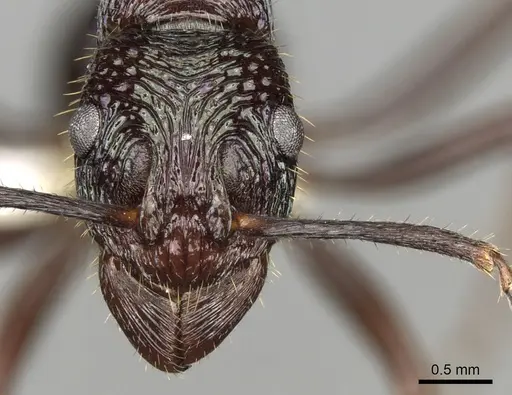
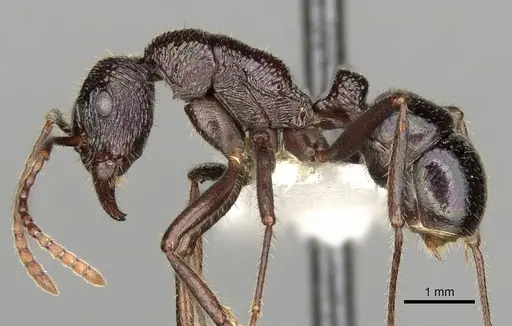
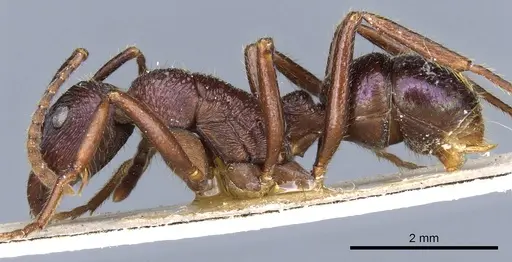
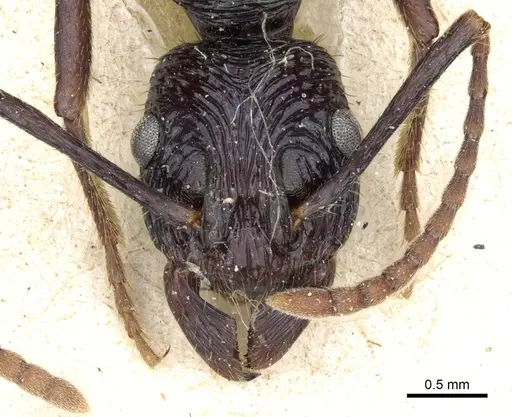
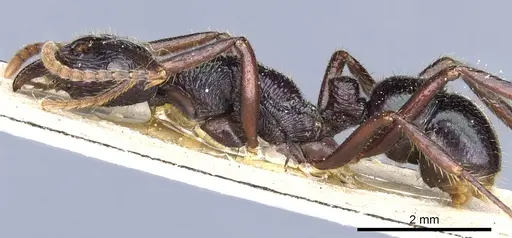
Rhytidoponera fulgens is a small to medium-sized ant species endemic to New Caledonia, an island in the South Pacific. Workers are slender with a distinctive metallic or iridescent appearance, typical of the genus Rhytidoponera. The species was first described by Emery in 1883 and has been confirmed as a valid species through multiple taxonomic reviews. This ant belongs to the subfamily Ectatomminae, which is known for having functional stingers.
This species is known only from New Caledonia, making it a truly island-endemic ant. Like other members of the Ectatommini tribe, they are likely predatory hunters with a functional stinger for subduing prey. The limited distribution and sparse research data means much of their specific biology remains unconfirmed, but they can be kept similarly to other Rhytidoponera species.
Quick Summary
- Difficulty: Medium
- Origin & Habitat: New Caledonia, a tropical island in the South Pacific with humid, warm climate [1]. Found only on this island nation.
- Colony Type: Likely monogyne (single-queen colonies) based on typical Rhytidoponera patterns, though colony structure is unconfirmed for this specific species.
- Colony: Monogyne
- Founding: Claustral
- Size & Growth:
- Queen: Estimated 6-8mm based on genus-level morphology patterns
- Worker: Estimated 4-6mm based on genus descriptions
- Colony: Likely moderate colonies of several hundred workers based on typical Rhytidoponera colony sizes
- Growth: Moderate, tropical species typically develop faster than temperate species
- Development: Estimated 5-8 weeks at optimal tropical temperatures (Development timeline is estimated based on related tropical Ectatommini species. Actual times may vary.)
- Antkeeping:
- Temperature: Keep at 24-28°C, they are a tropical species from New Caledonia and need warm conditions. A heating cable on one side of the nest can provide a gradient.
- Humidity: High humidity preferred, think tropical forest floor conditions. Keep the nest substrate consistently moist but not waterlogged. Provide a water tube for drinking access.
- Diapause: No, as a tropical species, they do not require hibernation or winter dormancy. Maintain warm temperatures year-round.
- Nesting: In nature they likely nest in soil or under stones in the forest floor. In captivity, a Y-tong (AAC) nest or plaster nest works well. Keep the nest chambers humid and provide a moisture gradient.
- Behavior: These ants are likely moderately aggressive and territorial, typical of the Ectatommini tribe. They are active hunters and will actively forage for prey. Workers are likely to be moderately sized with good escape ability, use standard barrier methods. They have functional stingers and may use them defensively.
- Common Issues: tropical species are sensitive to temperature drops, keep consistently warm, high humidity requirements mean mold can be an issue if ventilation is poor, limited data means colony founding may be challenging, start with a healthy queen, escape prevention is important as workers are active foragers, wild-caught colonies from New Caledonia may carry parasites or diseases
Temperature and Care
As a tropical species from New Caledonia, Rhytidoponera fulgens requires warm temperatures to thrive. Keep the nest area at 24-28°C consistently. This is warmer than what most temperate ant species need, so you may need to use a heating cable or heat mat to maintain proper temperatures [2].
Place the heating element on one side of the nest to create a temperature gradient, allowing the ants to regulate their own temperature by moving between warmer and cooler areas. Monitor with a thermometer placed near the nest. Avoid temperature fluctuations, these ants are adapted to stable tropical conditions and may struggle with cold snaps.
Room temperature alone is often insufficient for tropical species. A small heat cable running along one side of the formicarium, set to maintain 26°C in the warm zone, works well. Always ensure the heating element is on top of or beside the nest, not underneath where it can dry out the substrate.
Humidity and Water
New Caledonia has a humid tropical climate, so these ants need high humidity in captivity. Keep the nest substrate consistently moist, it should feel damp to the touch but not be soaking wet. Allow some variation so ants can choose their preferred moisture level [2].
Provide a constant water source via a test tube water reservoir. The cotton in the water tube will wick moisture into the nest and provide drinking water. Check the water tube weekly and refill as needed. Rehydrate the nest substrate when the surface starts drying out, typically every 5-10 days depending on your setup.
Good ventilation is important to prevent mold while maintaining humidity. Small ventilation holes or a mesh top on the outworld help. If you see mold growing, reduce humidity slightly and clean the affected area. The key is balance, damp but not stagnant.
Feeding and Diet
Rhytidoponera fulgens belongs to the Ectatommini tribe, which contains predatory ants that hunt small invertebrates. Feed them a diet focused on protein-rich foods like small insects (fruit flies, pinhead crickets, small mealworms) [2].
Offer protein prey 2-3 times per week. Remove any uneaten prey after 24 hours to prevent mold. They will also likely accept sugar water or honey as an energy source, especially when the colony grows larger. Offer a drop of honey or sugar water once or twice weekly.
For founding colonies, offer small prey items that the queen can handle. As the colony grows, you can offer progressively larger prey. A well-fed colony will show active foraging and the queen should continue laying eggs. Monitor acceptance, if prey is consistently ignored, try different insect types.
Nesting Preferences
In the wild, Rhytidoponera species typically nest in soil or under stones in forested areas. For captivity, a Y-tong (AAC) nest or plaster nest works well for this species. The chambers should be appropriately sized for workers that are around 4-6mm [2].
Y-tong nests are excellent because they hold humidity well while providing a dark, secure environment. Plaster nests also work and allow you to control moisture levels easily. Avoid very dry nests or those with poor humidity retention.
When setting up the nest, ensure the founding chamber is appropriately sized for the queen, not too large. She should feel enclosed and secure. As the colony grows, they will use more chambers. Provide an outworld connected to the nest for foraging.
Colony Founding
The founding behavior of R. fulgens specifically has not been documented, but based on typical Ectatommini patterns, the queen likely seals herself in a claustral chamber and raises her first workers alone on stored fat reserves. This is the most common founding type for this tribe [2].
When you catch a queen, place her in a test tube setup with a water reservoir. Keep her in darkness and do not disturb her for 4-6 weeks. She should seal herself into the chamber and begin laying eggs. After the first workers (nanitics) emerge, you can begin offering small prey.
Do not attempt to combine multiple founding queens unless you have specific information about pleometrosis in this species, most Rhytidoponera are not polygynous and queens will fight.
Behavior and Temperament
Rhytidoponera ants are typically active foragers with moderate aggression. Workers will hunt prey and defend their colony against threats. They have functional stingers in the Ectatommini subfamily, so they can sting if provoked [2].
The sting is not considered dangerous to humans but may cause mild irritation. Handle gently and avoid provoking the ants. When the colony is established, you may see workers actively patrolling the outworld looking for food.
They are not typically escape artists in the sense of being able to squeeze through tiny gaps, but standard barrier methods (fluon, talcum powder) should still be used. Workers are large enough to be easily contained with proper barriers.
Frequently Asked Questions
How long does it take for Rhytidoponera fulgens to raise first workers?
Based on typical tropical Ectatommini development, expect 5-8 weeks from egg to first worker at optimal temperatures (24-28°C). The exact timeline for this specific species is unconfirmed but should fall within this range.
Do Rhytidoponera fulgens ants sting?
Yes, they have functional stingers as members of the subfamily Ectatommini. The sting is not medically significant for healthy humans but may cause mild irritation. They will typically only sting when provoked or threatened.
What temperature do Rhytidoponera fulgens need?
Keep them warm at 24-28°C. This tropical species from New Caledonia requires consistently warm conditions. Use a heating cable or heat mat if your room temperature is below this range.
Can I keep multiple queens together?
Not recommended. Based on typical Rhytidoponera patterns, this species likely forms single-queen colonies. Combining unrelated founding queens typically results in fighting. Start with one queen per colony.
How big do Rhytidoponera fulgens colonies get?
Colony size is estimated at several hundred workers based on typical Rhytidoponera patterns. The exact maximum for this specific species is unconfirmed due to limited research data.
Do they need hibernation?
No. As a tropical species from New Caledonia, they do not require hibernation or diapause. Keep them warm year-round at 24-28°C. Temperature drops below 20°C for extended periods may be harmful.
What do they eat?
Feed them small insects like fruit flies, pinhead crickets, or small mealworms as their primary protein source. They will also likely accept sugar water or honey. Offer protein 2-3 times per week and sugar sources occasionally.
Is Rhytidoponera fulgens good for beginners?
This species is rated as Medium difficulty. While not the hardest species, the limited specific data and tropical temperature requirements make it better suited for keepers who already have some experience with ant keeping. Their humidity and temperature needs require more attention than temperate species.
When should I move them to a formicarium?
Wait until the colony has at least 20-30 workers before moving from a test tube setup to a formicarium. The colony should be actively foraging and consuming prey regularly. Moving too early can stress the queen and young colony.
Where is Rhytidoponera fulgens found?
Rhytidoponera fulgens is endemic to New Caledonia, an island in the South Pacific. It has only been recorded from this location and is not found anywhere else in the world [1].
Why are my ants dying?
Common causes include: temperature too cold (below 24°C), humidity too low or too high (mold growth indicates too wet), stress from disturbance during founding, or poor initial queen health. Check your setup parameters and ensure the queen was healthy when caught. Wild-caught colonies may also carry parasites.
References

This caresheet is licensed under CC BY-SA 4.0 .
CASENT0281309
View on AntWeb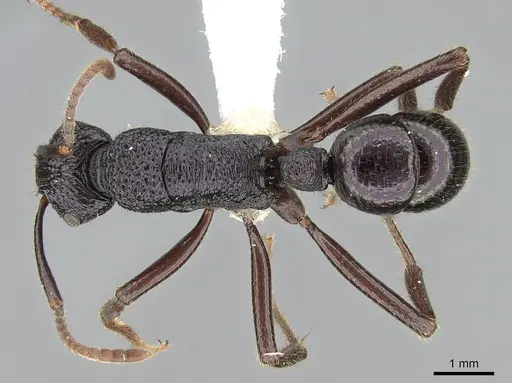
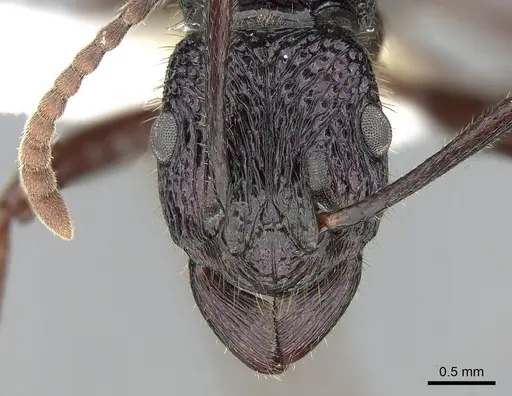
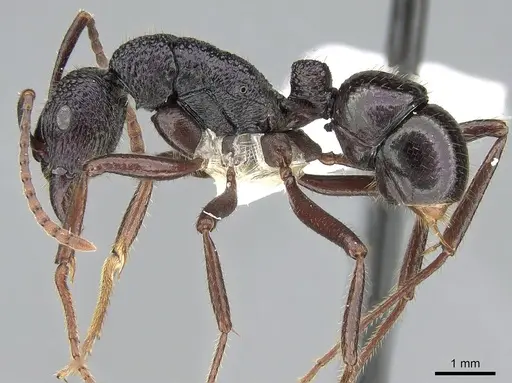
CASENT0281830
View on AntWeb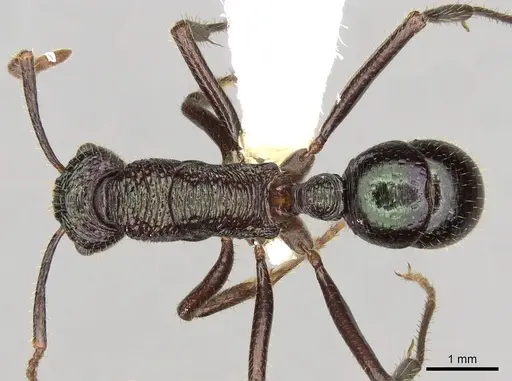
CASENT0903821
View on AntWeb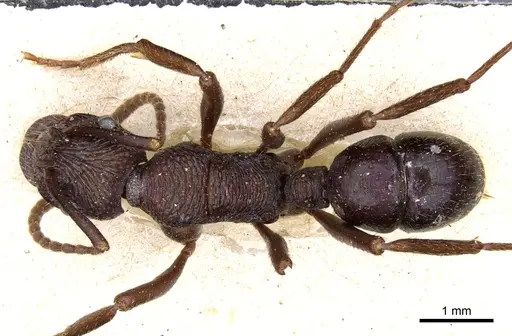
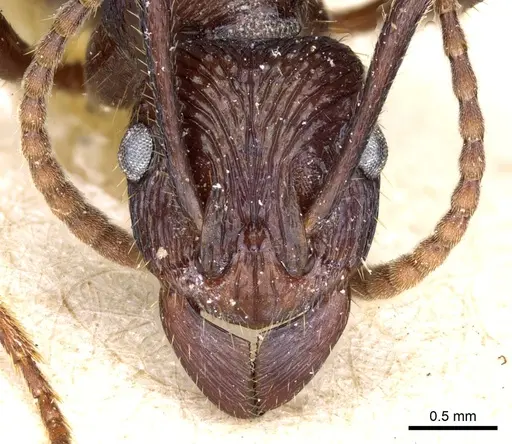
CASENT0903824
View on AntWeb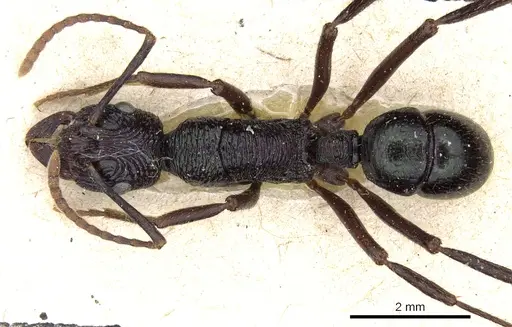
Literature
Loading...Loading products...