

Rhytidoponera foveolata
- Scientific Name
- Rhytidoponera foveolata
- Tribe
- Ectatommini
- Subfamily
- Ectatomminae
- Author
- Crawley, 1925
- Distribution
- Found in 1 countries
Rhytidoponera foveolata Overview
Rhytidoponera foveolata is an ant species of the genus Rhytidoponera. It is primarily documented in 1 countries , including Australia. Detailed taxonomic data and occurrence records can be further explored via authoritative databases such as AntWeb or the Global Biodiversity Information Facility (GBIF).
Rhytidoponera foveolata
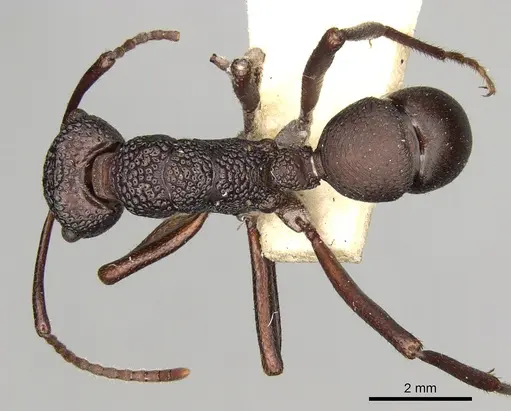
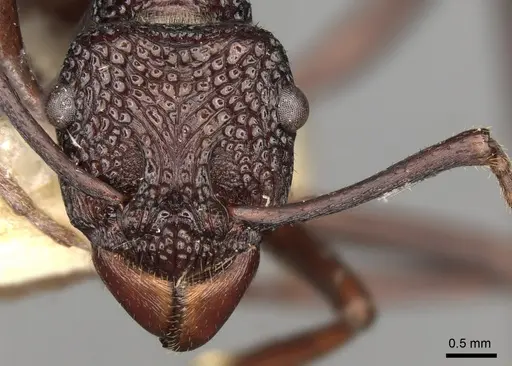
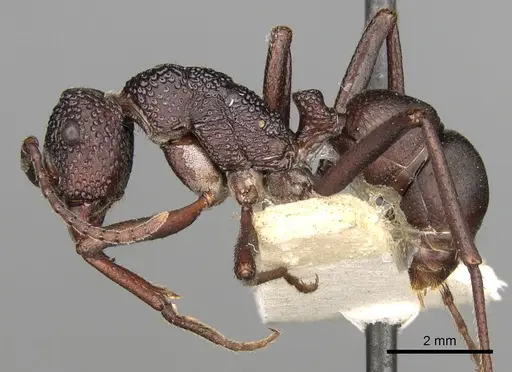
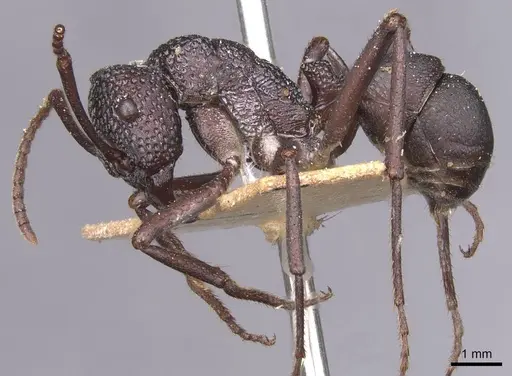
Rhytidoponera foveolata is a medium-sized ant native to Western Australia, measuring around 8.5mm for workers [1]. These ants have a distinctive appearance with a dark black-brown body and reddish-brown mandibles, antennae, and legs. Their entire body is shining, with coarse reticulate-punctate sculpture giving them a textured look. The head is slightly broader than long, broadest at the eyes, and features a characteristic occipital ridge. The thorax is robust without pronounced shoulders, and the petiole has a distinctive node shape with a flat lamella underneath ending in a pointed tooth [1].
This species belongs to the Ectatomminae subfamily, which means they possess a functional stinger, something to keep in mind when handling. They are most commonly found in the goldfields region of Western Australia, though their range extends into the Darling Range around Perth [2]. Like other Rhytidoponera species, they are robust, ground-nesting ants adapted to Australia's varied climates.
Quick Summary
- Difficulty: Medium
- Origin & Habitat: Western Australia, found in goldfields region and Darling Range around Perth [2]. Inhabits arid to semi-arid environments.
- Colony Type: Colony structure is unconfirmed. Based on genus patterns, likely single-queen colonies.
- Size & Growth:
- Queen: Unknown, no documented measurements [1]
- Worker: 8.5mm [1]
- Colony: Unknown, likely moderate-sized colonies based on genus patterns
- Growth: Moderate, estimated based on related species
- Development: Estimated 6-10 weeks based on typical Ectatomminae development (Development time is estimated as no specific study exists for this species. Related Ectatomminae species typically take 6-10 weeks at warm temperatures.)
- Antkeeping:
- Temperature: Keep at 22-26°C. Provide a temperature gradient so ants can self-regulate. Based on their Western Australian origin, they prefer warm conditions but can tolerate room temperature.
- Humidity: Moderate humidity around 50-60%. Allow substrate to dry partially between waterings. These are not high-humidity ants.
- Diapause: Likely, Western Australian ants typically experience cooler winter periods. Provide a slight cool period (15-18°C) for 2-3 months during winter months.
- Nesting: Use a dry, well-draining nest setup. Y-tong (AAC) or plaster nests work well. Provide a moisture chamber but avoid constant dampness. These ants prefer stable, moderately dry conditions.
- Behavior: Rhytidoponera foveolata workers are robust and active foragers. They are predatory and will hunt small invertebrates. Their sting is functional, this subfamily includes stinging ants, so handle with care. Workers are moderately aggressive when defending the nest. They are ground-nesting ants that typically forage on the substrate surface. Escape prevention is important, use standard barriers as they are medium-sized ants, not particularly known for escaping.
- Common Issues: Limited availability, this species is rarely available in the antkeeping hobby, Lack of captive breeding data makes care recommendations uncertain, Stinger present, handle carefully to avoid painful stings, Winter die-off if proper cool period is not provided, Limited information on specific dietary needs
Appearance and Identification
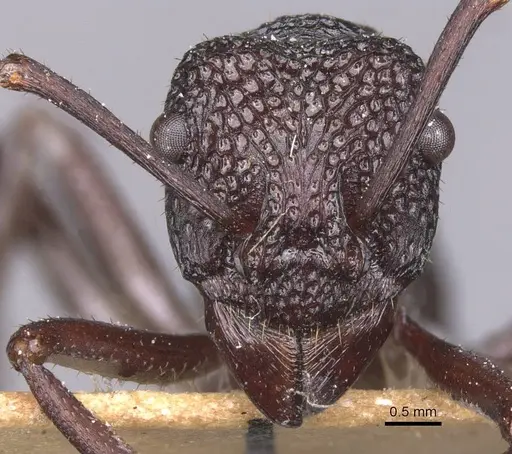
Workers reach 8.5mm in length, making them a medium-sized ant [1]. The body is dark black-brown while the mandibles, antennae, and legs are a contrasting reddish-brown. The entire body has a shining appearance, which is unusual among ants and makes them quite distinctive. The head is slightly broader than long and features a characteristic occipital ridge with a corresponding concavity, this is a key identification feature for the genus [1]. The eyes are positioned at the hinder third of the head sides. The scapes (first antenna segments) extend past the occipital border by more than one-third of their length.
The thorax is robust without pronounced shoulder angles. The petiole (the narrow 'waist' segment) has a distinctive node shape with a flat lamella underneath that ends in a pointed tooth. The gaster (abdomen) shows fine longitudinal striations that tend to encircle the segments. This combination of features, the dark body with red appendages, shining surface, and the distinctive head ridge, helps distinguish R. foveolata from other Rhytidoponera species [1].
Natural Habitat and Distribution
Rhytidoponera foveolata is endemic to Western Australia, specifically found in the southwestern region [2]. The species is most common in the goldfields region, which is an arid to semi-arid area known for its mineral deposits and unique ecosystem. Additionally, their distribution includes the Darling Range around Perth, which provides a more temperate habitat [2].
This distribution pattern suggests the species can adapt to varying conditions, from the drier goldfields to the slightly more humid ranges. They are ground-nesting ants that likely prefer open habitats with suitable nesting sites in soil or under stones. The Western Australian climate features hot, dry summers and mild, wet winters, this seasonal pattern influences their annual cycle and care requirements.
Temperature and Heating
Based on their Western Australian origin, these ants prefer warm conditions. Aim for a temperature range of 22-26°C in the nest area, with a slight gradient allowing workers to choose their preferred temperature. A heating cable or mat on one side of the nest can create this gradient effectively. Place the heating element on top of the nest to avoid evaporating moisture from water reservoirs.
During winter (roughly June-August in the Southern Hemisphere), provide a cooler period around 15-18°C to simulate their natural seasonal cycle. This cool period helps colonies maintain their natural rhythms and may improve long-term colony health. Do not cool them dramatically, a mild reduction is sufficient, not true hibernation. Monitor colony activity and adjust temperatures based on how the ants respond.
Feeding and Diet
Like other Rhytidoponera species, these ants are predatory and will hunt small invertebrates. Offer small live prey such as fruit flies, small crickets, or mealworms. They likely accept protein sources like small insects and may also consume sugary substances for energy.
Feed protein prey 2-3 times per week, adjusting based on colony size and consumption. Remove uneaten prey after 24-48 hours to prevent mold. Provide a constant source of sugar water or honey diluted with water, especially for larger colonies with many workers. Fresh water should always be available. Observe your colony's preferences, some colonies are more selective than others.
Nesting Requirements
Rhytidoponera foveolata is a ground-nesting species that prefers stable, well-draining nest conditions. In captivity, Y-tong (AAC) nests or plaster nests work well for this species. Provide a moisture chamber connected to the nest chambers, but ensure the actual nesting areas remain relatively dry. These ants do not require constant high humidity like some tropical species.
The nest should have chambers sized appropriately for 8.5mm workers, not too cramped but not excessively spacious either. Include enough room for brood development and food storage. Connect the nest to an outworld (foraging area) that allows workers to venture out for food. Use appropriate escape prevention, while not tiny, standard barrier methods should be used.
Behavior and Temperament
These ants possess a functional stinger as members of the Ectatomminae subfamily. While not typically aggressive toward humans, they will sting if threatened or handled roughly. The sting can be painful, so use caution when working with the colony. Workers are robust and active foragers, likely hunting small invertebrates in nature.
Colony defense is typical, workers will respond to disturbances by attacking perceived threats. They are not supercolonial and each colony maintains its own territory. Workers likely communicate through chemical signals and may use tandem-running to recruit nestmates to food sources, though this specific behavior is not documented for this species.
Frequently Asked Questions
How long does it take for Rhytidoponera foveolata to go from egg to worker?
The exact development time is unconfirmed for this species. Based on typical Ectatomminae development patterns, expect approximately 6-10 weeks from egg to first worker at optimal temperatures (around 24-26°C). This is an estimate, actual times may vary based on temperature and colony conditions.
Do Rhytidoponera foveolata ants sting?
Yes. As members of the Ectatomminae subfamily, they possess a functional stinger. While not aggressive toward humans, they will sting if threatened or handled roughly. The sting can be painful, so handle with care and avoid provoking the colony.
What temperature do Rhytidoponera foveolata need?
Keep nest temperatures between 22-26°C. Provide a temperature gradient so workers can self-regulate. During winter, a cooler period around 15-18°C helps simulate their natural seasonal cycle. Avoid temperatures below 15°C or above 30°C for extended periods.
Can I keep multiple queens together?
The colony structure for this specific species is unconfirmed. Based on genus patterns, they likely form single-queen colonies. Combining unrelated queens is not recommended as aggression is likely. If you obtain a queen, house her alone until workers emerge, then maintain as a single-queen colony.
What do Rhytidoponera foveolata eat?
They are predatory ants that hunt small invertebrates. Offer small live prey such as fruit flies, small crickets, or mealworms. They also likely accept sugary substances like honey water for energy. Feed protein 2-3 times per week and provide constant access to sugar water.
How big do Rhytidoponera foveolata colonies get?
Colony size is unconfirmed for this specific species. Based on related Rhytidoponera species, colonies likely reach several hundred workers at maturity. Growth is moderate, expect several months to a year or more to reach significant colony size.
Do Rhytidoponera foveolata need hibernation?
They likely benefit from a cool period during winter months (roughly June-August in the Southern Hemisphere). Reduce temperatures to around 15-18°C for 2-3 months rather than providing true hibernation. This mimics their natural Western Australian climate cycle.
Is Rhytidoponera foveolata good for beginners?
This species is rated as Medium difficulty. While not the most challenging ant to keep, limited captive breeding information exists, making care somewhat uncertain. They are also less commonly available in the hobby. Experience with ant keeping is helpful before attempting this species.
What size nest do I need for Rhytidoponera foveolata?
Use a nest with chambers sized for medium-large ants (around 8.5mm workers). Y-tong or plaster nests work well. Start with a small nest setup and upgrade as the colony grows. They prefer dry to moderately humid nesting conditions with access to a moisture chamber.
References

This caresheet is licensed under CC BY-SA 4.0 .
CASENT0281824
View on AntWeb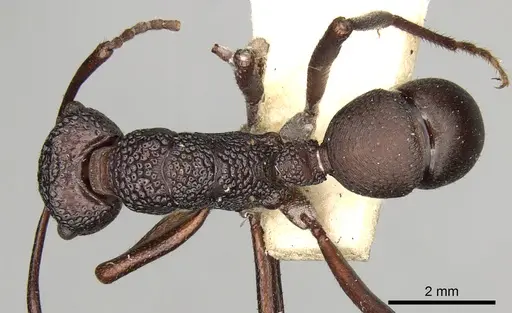
CASENT0915136
View on AntWeb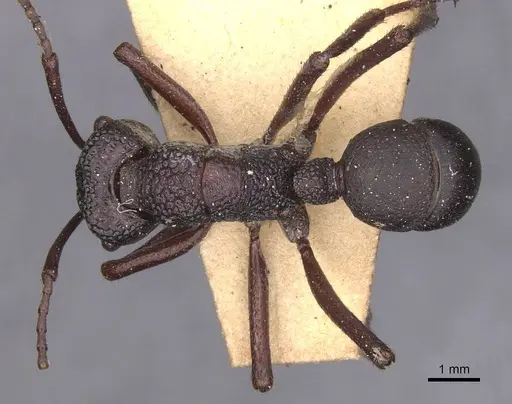
Literature
Loading...Loading products...