

Rhytidoponera eremita
- Scientific Name
- Rhytidoponera eremita
- Tribe
- Ectatommini
- Subfamily
- Ectatomminae
- Author
- Clark, 1936
- Distribution
- Found in 1 countries
Rhytidoponera eremita Overview
Rhytidoponera eremita is an ant species of the genus Rhytidoponera. It is primarily documented in 1 countries , including Australia. Detailed taxonomic data and occurrence records can be further explored via authoritative databases such as AntWeb or the Global Biodiversity Information Facility (GBIF).
Rhytidoponera eremita
Rhytidoponera eremita is a medium-sized ant species belonging to the subfamily Ponerinae, known for having a functional stinger [1]. The genus Rhytidoponera is primarily distributed throughout Australia, with species typically found in arid and semi-arid regions. Workers of this species display the characteristic slender, dorsally curved stinger morphology typical of the genus, which scored high on morphological analysis for puncture efficiency [1]. As an omnivore lineage species, these ants combine predatory hunting with foraging for plant-based resources [1]. The specific epithet 'eremita' suggests adaptation to isolated or desert-like habitats, though detailed natural history documentation for this particular species remains limited.
Quick Summary
- Difficulty: Medium
- Origin & Habitat: Australia, likely arid and semi-arid regions based on species epithet and genus distribution patterns
- Colony Type: Unconfirmed colony structure, likely single-queen based on genus patterns, but no species-specific documentation
- Size & Growth:
- Queen: Estimated 10-14mm based on genus Rhytidoponera morphology
- Worker: Estimated 6-10mm based on genus Rhytidoponera morphology
- Colony: Unknown for this species, related Rhytidoponera species typically reach several hundred workers
- Growth: Moderate, Ponerinae species typically develop slower than many Myrmicinae
- Development: Estimated 8-12 weeks at optimal temperature based on related Ponerinae species (Ponerinae generally have longer development times than faster-growing genera. Expect moderate growth rate with careful attention to temperature and feeding.)
- Antkeeping:
- Temperature: Keep nest area at 22-26°C, Ponerinae benefit from warm conditions that mimic their natural Australian habitat
- Humidity: Moderate humidity, allow substrate to dry partially between waterings. These ants prefer conditions drier than tropical species but not arid desert conditions
- Diapause: Likely, Australian temperate species typically require a winter rest period. Provide 2-3 months at 10-15°C during winter months
- Nesting: Provide a naturalistic setup with access to soil or sandy substrate. Y-tong or plaster nests work well for this genus. Ensure they can dig and create chambers
- Behavior: These ants have a functional stinger and may sting if threatened [1]. They are active foragers with predatory tendencies combined with omnivorous feeding. Workers are moderately sized and capable of escaping if given the opportunity, use standard escape prevention. They are not typically aggressive toward keepers but will defend the nest. Activity levels are moderate, they are not among the most active ant species but maintain consistent foraging patterns.
- Common Issues: Ponerinae species are more sensitive to husbandry errors than beginner-friendly genera, moisture imbalances can be fatal, Longer development times mean colonies grow slowly, which can frustrate beginners expecting rapid expansion, Stinger is functional, while not dangerously potent, handling should be done with care to avoid stings, Wild-caught colonies may carry parasites or diseases that can cause colony failure in captivity, Temperature fluctuations are poorly tolerated, maintain stable conditions
Housing and Nest Setup
Rhytidoponera eremita does well in naturalistic setups that mimic their natural Australian habitat. A Y-tong (acrylic) nest with narrow chambers works well, or you can use a plaster nest with added sand for digging opportunities. These ants are not particularly large but appreciate having some depth to their nest chambers. The outworld should include a shallow water dish and areas for foraging. Use a secure lid and apply fluon or petroleum jelly to barrier edges, while not extreme escape artists, they will exploit any gaps. A small heat mat on one side of the nest (never directly on the nest material) can help maintain the warm temperatures they prefer.
Feeding and Diet
As an omnivore lineage species, Rhytidoponera eremita accepts a varied diet [1]. Offer protein sources such as small crickets, mealworms, or other appropriately-sized insects 2-3 times per week. They also readily accept sugar sources, a small drop of honey water or sugar water should be provided at all times. In the wild, these ants are opportunistic foragers that combine predation with nectar and honeydew collection. Remove uneaten prey after 24-48 hours to prevent mold issues. Fresh water should always be available.
Temperature and Seasonal Care
Maintain nest temperatures between 22-26°C for optimal colony development. These ants come from Australia and prefer warm, stable conditions. A slight temperature gradient across the nest allows workers to choose their preferred zone. During winter months (roughly November-February in the northern hemisphere), reduce temperature to 10-15°C to provide a proper diapause period. This winter rest is important for colony health and typically triggers increased egg-laying in the spring. Do not attempt to prevent diapause entirely, it is part of their natural cycle and skipping it can harm the colony long-term.
Handling and Safety
Rhytidoponera eremita possesses a functional stinger as confirmed by morphological analysis [1]. The stinger is described as slender and dorsally curved, which is characteristic of efficient puncture morphology. While not dangerously venomous to healthy humans, stings can cause localized pain and irritation. When working with this species, use gentle handling techniques and avoid provoking defensive responses. Allow ants to walk onto tools rather than picking them up directly. If stung, wash the area with soap and water, most reactions are mild and self-limiting. These ants are not aggressive by nature but will protect their nest if threatened.
Colony Development and Growth
Ponerinae species like Rhytidoponera eremita typically develop more slowly than many common ant species in the hobby. Expect 8-12 weeks from egg to first worker at optimal temperature, with development slowing significantly outside the ideal range. The first workers (nanitics) are often smaller than subsequent generations and may take additional time to mature. Colony growth is moderate, you should not expect the rapid expansion seen with species like Tetramorium or Lasius. Patience is key with this genus. A healthy established colony may eventually reach several hundred workers over several years of dedicated care.
Frequently Asked Questions
How long does it take for Rhytidoponera eremita to produce first workers?
Expect 8-12 weeks from egg to first worker at optimal temperature (22-26°C). This is slower than many common ant species, so patience is required during the founding stage.
Does Rhytidoponera eremita sting?
Yes, this species has a functional stinger [1]. The stinger morphology shows it is designed for effective puncture. While not dangerously venomous, stings can cause localized pain. Handle with care and avoid provoking defensive behavior.
What do Rhytidoponera eremita ants eat?
They are omnivores [1]. Offer protein (small insects like crickets or mealworms) 2-3 times weekly, and provide constant access to sugar sources (honey water or sugar water). Fresh water should always be available.
Is Rhytidoponera eremita good for beginners?
This species is rated as medium difficulty. Ponerinae species in general require more careful attention to temperature, humidity, and feeding than beginner-friendly genera. If you are new to ant keeping, consider starting with a more established beginner species first.
Do Rhytidoponera eremita need hibernation?
Yes, a winter diapause period is likely required. Provide 2-3 months at 10-15°C during winter months. This rest period is important for colony health and typically stimulates spring breeding activity.
How big do Rhytidoponera eremita colonies get?
Colony size is not well documented for this specific species, but related Rhytidoponera species typically reach several hundred workers over several years of growth.
Can I keep multiple Rhytidoponera eremita queens together?
Colony structure is unconfirmed for this species. Based on genus patterns, they likely form single-queen colonies. Combining unrelated queens is not recommended without documented evidence of polygyny in this species.
What temperature is best for Rhytidoponera eremita?
Keep nest temperatures between 22-26°C. A slight gradient allowing workers to self-regulate is ideal. Avoid temperature fluctuations and keep them away from drafts or air conditioning vents.
When should I move Rhytidoponoma eremita to a formicarium?
Wait until the colony has at least 20-30 workers before considering a move. Ponerinae prefer stability and may abandon a new nest if moved too early. A test tube setup is best for the founding stage.
Why is my Rhytidoponera eremita colony declining?
Common causes include: temperature extremes or fluctuations, incorrect humidity (too wet or too dry), insufficient protein in diet, stress from excessive disturbance, or disease/parasites from wild-caught colonies. Review your husbandry conditions and make gradual adjustments.
References

This caresheet is licensed under CC BY-SA 4.0 .
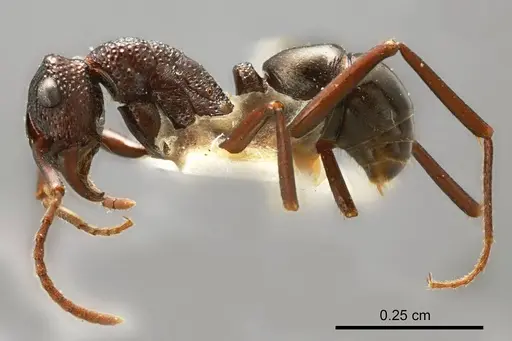
ANTWEB1008303
View on AntWeb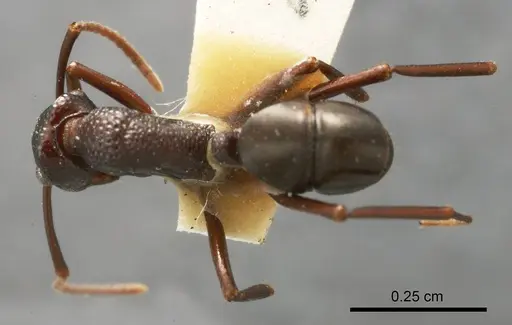
Literature
Loading...Loading products...