

Rhytidoponera enigmatica
- Scientific Name
- Rhytidoponera enigmatica
- Tribe
- Ectatommini
- Subfamily
- Ectatomminae
- Author
- Ward, 1980
- Distribution
- Found in 1 countries
Rhytidoponera enigmatica Overview
Rhytidoponera enigmatica is an ant species of the genus Rhytidoponera. It is primarily documented in 1 countries , including Australia. Detailed taxonomic data and occurrence records can be further explored via authoritative databases such as AntWeb or the Global Biodiversity Information Facility (GBIF).
Rhytidoponera enigmatica
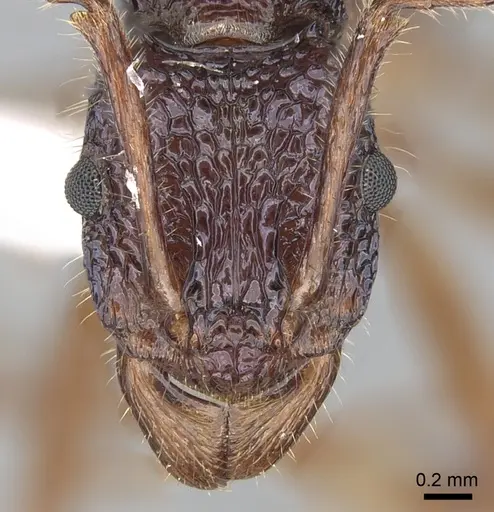
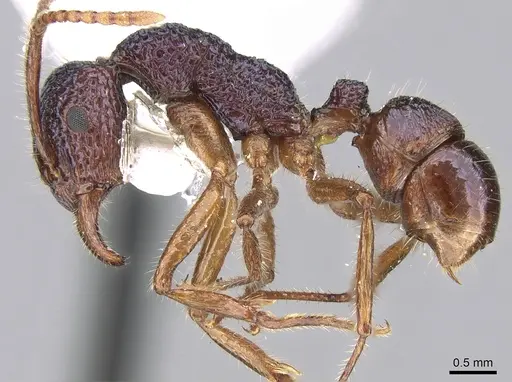
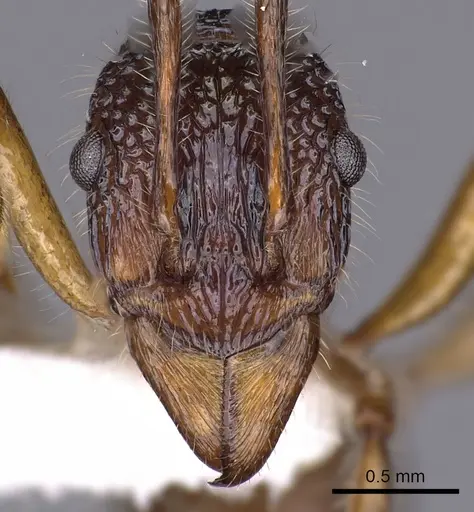
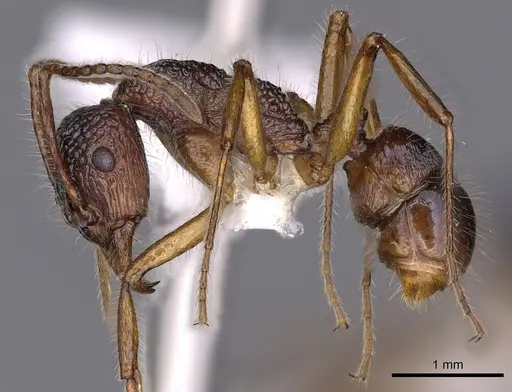
Rhytidoponera enigmatica is a medium-sized ant native to New South Wales, Australia, where it inhabits wet sclerophyll forests and mesic habitats at low elevations (10-180m) [1]. Workers are monomorphic (all the same size) and display the characteristic metallic green-blue coloration common to the Rhytidoponera genus. This species belongs to the Ectatomminae subfamily, which is known for having functional stingers, these ants can deliver a painful sting if provoked. What makes R. enigmatica truly remarkable is its unusual colony structure: queens have never been documented, and reproduction is handled entirely by gamergates (mated workers), a rare system where workers themselves lay fertilized eggs to produce new workers [2].
Quick Summary
- Difficulty: Medium
- Origin & Habitat: Eastern Australia (New South Wales), specifically wet sclerophyll forests and mesic habitats at low elevations (10-180m) [1]. Found between 33°49'S to 34°12'S latitude.
- Colony Type: Polygynous (multiple reproductive queens) with gamergate reproduction, queens are unknown and all reproduction is handled by mated workers (gamergates) [3][2]. This is a worker-reproductive (Type B) colony system.
- Colony: Polygyne
- Special: Gamergates
- Size & Growth:
- Queen: Unknown, true queens have never been documented in this species [2]. Reproduction is handled by gamergates (reproductive workers).
- Worker: Approximately 6-8mm (based on genus typical size for Rhytidoponera workers).
- Colony: Colony size data not specifically documented, but related species in the R. impressa group typically have several hundred workers.
- Growth: Moderate, growth rate is not directly documented but inferred from related species patterns.
- Development: Unknown, specific development timeline has not been studied. Based on typical Ponerine patterns, expect 8-12 weeks at optimal temperature. (Development timeline unconfirmed, estimates based on genus-level data for related Rhytidoponera species.)
- Antkeeping:
- Temperature: Keep at 22-26°C (room temperature range). This species comes from temperate New South Wales with mild conditions. Avoid temperatures above 30°C.
- Humidity: Moderate to high, they inhabit mesic (damp) habitats in nature. Keep nest substrate moist but not waterlogged. Provide a humidity gradient so ants can choose their preferred zone.
- Diapause: Yes, as a temperate Australian species, they likely require a winter rest period (diapause) of 2-3 months at reduced temperatures (10-15°C). This is inferred from the seasonal patterns of related Australian Ponerines.
- Nesting: In nature they nest under stones and in soil in damp forest habitats. In captivity, a naturalistic setup with moist substrate (like a dirt farm or plaster nest) works well. They prefer dark, humid nest chambers.
- Behavior: Rhytidoponera enigmatica is a moderately aggressive species with a functional stinger, they will sting if threatened or handled roughly. Workers are active foragers that hunt small invertebrates and collect honeydew. They are not escape artists, their medium size makes standard containment adequate. These ants are polydomous (nest in multiple connected locations) which is common in polygynous species. The gamergate system means colonies are self-replacing without needing a queen.
- Common Issues: gamergate loss can cause colony decline, if all reproductive workers die, the colony cannot recover, overheating is a risk, keep below 30°C as they come from temperate habitats, dry conditions will stress colonies, maintain humidity as they prefer mesic habitats, colonies may be slow to establish due to the unusual worker-reproductive system, stinging, these ants can sting and the pain can be significant
The Gamergate System: A Rare Colony Structure
Rhytidoponera enigmatica has one of the most unusual colony structures documented in ants, true queens have never been observed, and reproduction is handled entirely by gamergates [2]. Gamergates are workers that have mated and developed fully functional reproductive systems, allowing them to lay fertilized eggs that produce new workers. This makes the colony essentially queenless in the traditional sense, though functionally it maintains continuous reproduction through its worker caste. Studies show this species is polygynous, meaning multiple gamergates (more than one reproductive worker) are present in each colony [3]. This worker-reproductive system (Type B colonies) is rare among ants and makes R. enigmatica particularly interesting for antkeepers who want to observe this unusual social structure. If you acquire a colony, all egg-laying will be done by mated workers rather than a queen, the loss of gamergates can be fatal for the colony's survival.
Housing and Nest Setup
For keeping Rhytidoponera enigmatica, a naturalistic setup works best since they naturally nest under stones and in soil in damp forest habitats [1]. A dirt farm or naturalistic formicarium with moist substrate allows them to create chambers similar to their natural environment. Keep the nest substrate consistently moist but not waterlogged, think damp forest floor, not soggy swamp. Provide a dark area for the nest since these ants prefer darker, more humid chambers. A test tube setup can work for founding colonies, but they will likely need more space as the colony grows. Because they are moderate-sized ants (around 6-8mm), standard escape prevention is adequate, they are not tiny escape artists. However, ensure the setup has good ventilation to prevent mold while maintaining humidity.
Feeding and Diet
As Ponerine ants, Rhytidoponera enigmatica are predators that hunt small invertebrates in nature. In captivity, they readily accept protein sources like small crickets, mealworms, fruit flies, and other small insects. They also collect honeydew and will drink sugar water or honey water. A balanced diet for this species includes: protein prey offered 2-3 times per week, and a constant sugar source (honey water or sugar water) always available. Fresh water should also be provided at all times. Unlike some specialized predators, they are generalist feeders that should accept most common ant foods. Observe your colony, if they ignore certain foods, try varying the diet.
Temperature and Seasonal Care
Keep your colony at 22-26°C, which is typical room temperature and matches their native temperate Australian habitat. Avoid temperatures above 30°C as this species is not adapted to extreme heat. As a species from New South Wales temperate regions, they require a winter diapause period. During winter (roughly November-February in the Northern Hemisphere), reduce temperatures to 10-15°C and reduce feeding. This mimics their natural seasonal cycle in Australia. Do not feed during deep diapause, but ensure some moisture remains in the nest. After winter, gradually warm the colony back to room temperature and resume normal feeding. This seasonal rest period is important for long-term colony health and may trigger reproductive cycles. [1]
Behavior and Handling
Rhytidoponera enigmatica workers are active foragers that will hunt prey and explore their environment. They possess a functional stinger in the Ectatomminae subfamily, and will use it if they feel threatened. These ants can deliver a painful sting, so handle them with care, avoid picking them up with bare hands and be cautious when working in their enclosure. They are not particularly aggressive toward humans unless provoked, but they will defend their nest. Workers are monomorphic, meaning all workers are the same size rather than having different castes [3]. The colony structure is polygynous with multiple reproductive workers, and they may establish multiple nest sites (polydomous behavior) which is common in multi-queen species.
Frequently Asked Questions
How do I start a Rhytidoponera enigmatica colony?
Since true queens are unknown in this species, you will need to acquire an established colony with gamergates (reproductive workers). Unlike typical ants where you find a founding queen, R. enigmatica colonies are propagated through their unique worker-reproductive system. Purchase from a reputable antkeeper who has a functioning colony with active gamergates.
Do Rhytidoponera enigmatica have a queen?
No, true queens have never been documented in this species [2]. Reproduction is handled entirely by gamergates, which are mated workers that can lay fertilized eggs. This makes R. enigmatica one of the few ant species where the traditional 'queen' role is absent.
Can Rhytidoponera enigmatica sting?
Yes, Rhytidoponera belongs to the Ectatomminae subfamily, which has functional stingers. These ants can and will sting if threatened or handled roughly. The sting can be painful, so use caution when working with this species.
What temperature do Rhytidoponera enigmatica need?
Keep them at 22-26°C (room temperature). They come from temperate New South Wales and do not tolerate heat well, avoid temperatures above 30°C.
Do Rhytidoponera enigmatica need hibernation?
Yes, as a temperate Australian species, they require a winter diapause period. Reduce temperatures to 10-15°C for 2-3 months during winter and reduce feeding. This mimics their natural seasonal cycle.
How long do Rhytidoponera enigmatica take to develop?
The specific development timeline is unconfirmed, but based on typical Ponerine development, expect 8-12 weeks from egg to worker at optimal temperature (22-26°C).
Are Rhytidoponera enigmatica good for beginners?
This species is rated as Medium difficulty. The unusual gamergate system and specific humidity/temperature requirements make it better suited for antkeepers with some experience. Beginners may struggle with the specific care needs and the fact that colonies cannot be founded traditionally.
What do Rhytidoponera enigmatica eat?
They are generalist predators that accept small invertebrates (crickets, mealworms, fruit flies) and sugar sources (honey water, sugar water). Feed protein prey 2-3 times per week and provide constant access to sugar water.
How big do Rhytidoponera enigmatica colonies get?
Colony size is not specifically documented, but based on related species in the R. impressa group, colonies likely reach several hundred workers. The polygynous structure with multiple gamergates supports moderate colony growth.
Why is my Rhytidoponera enigmatica colony declining?
The most likely cause is loss of gamergates (reproductive workers). Unlike normal colonies where a queen can be replaced, if all gamergates die, the colony cannot produce new workers and will eventually die out. Ensure your colony has multiple gamergates and avoid stress that could kill them. Other causes include dry conditions, improper temperature, or overheating.
References

This caresheet is licensed under CC BY-SA 4.0 .
CASENT0281239
View on AntWeb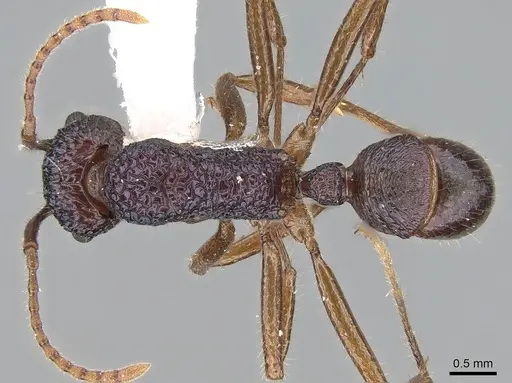
CASENT0900531
View on AntWeb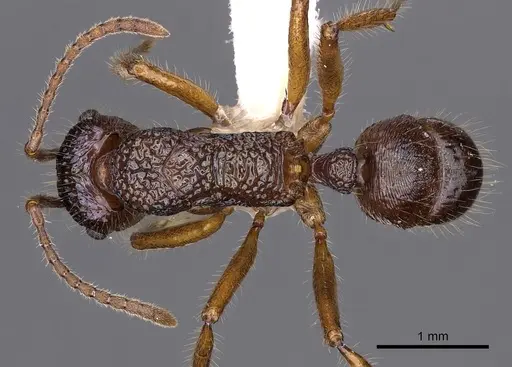
Literature
Loading...Loading products...