

Rhytidoponera depilis
- Scientific Name
- Rhytidoponera depilis
- Tribe
- Ectatommini
- Subfamily
- Ectatomminae
- Author
- Ward, 1984
- Distribution
- Found in 1 countries
Rhytidoponera depilis Overview
Rhytidoponera depilis is an ant species of the genus Rhytidoponera. It is primarily documented in 1 countries , including New Caledonia. Detailed taxonomic data and occurrence records can be further explored via authoritative databases such as AntWeb or the Global Biodiversity Information Facility (GBIF).
Rhytidoponera depilis
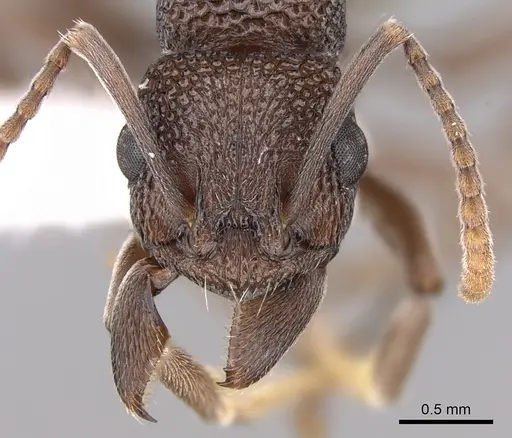
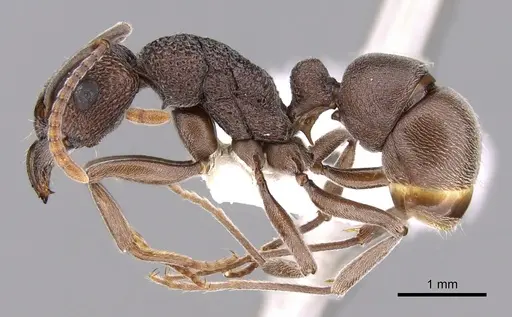
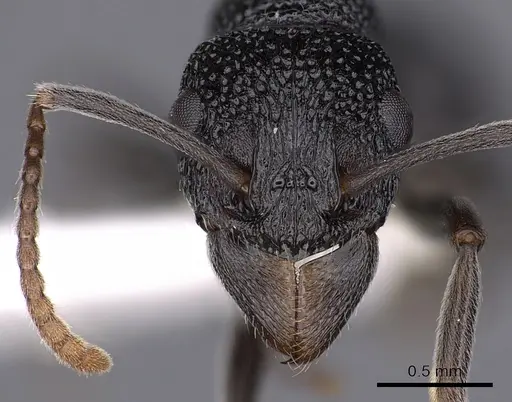
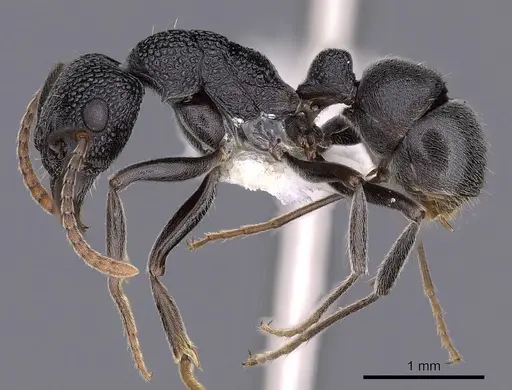
Rhytidoponera depilis is a predatory ponerine ant species native to New Caledonia, a French territory in the South Pacific [1]. Workers are medium-sized ants with the robust build typical of the genus Rhytidoponera, they have a powerful stinger and are active hunters. The genus is known for its metallic or iridescent coloration, though the exact coloration of this specific species is not well documented. As a Ponerine ant, they possess a functional stinger capable of delivering a painful sting, which they use to subdue prey. These ants are predatory, hunting small invertebrates in their natural habitat. The New Caledonian distribution suggests they inhabit tropical or subtropical environments, likely in forest undergrowth or similar microhabitats where they can hunt for prey.
Quick Summary
- Difficulty: Medium
- Origin & Habitat: New Caledonia islands, tropical South Pacific environment. In their natural range, they likely inhabit forest undergrowth, leaf litter, or rotting wood where they can access small invertebrate prey [1].
- Colony Type: Likely monogyne (single queen) based on typical genus patterns, though colony structure has not been specifically documented for this species.
- Size & Growth:
- Queen: Estimated 10-12mm based on genus Rhytidoponera patterns
- Worker: Estimated 6-10mm based on genus descriptions
- Colony: Likely moderate, several hundred workers at maturity based on typical Ponerine colony sizes
- Growth: Moderate, Ponerine ants typically grow more slowly than many Myrmicines
- Development: Estimated 8-12 weeks at tropical temperatures (25-28°C) based on typical Ponerine development (Development time inferred from related Ponerine species, actual timeline unconfirmed for this specific species)
- Antkeeping:
- Temperature: Keep at 24-28°C, tropical species requiring warm conditions. A heating cable on one side of the nest creates a suitable gradient.
- Humidity: Moderate to high humidity (60-80%). These forest-dwelling ants prefer moist substrate conditions but avoid waterlogging.
- Diapause: Unlikely, being a tropical species from New Caledonia, they probably do not require a true diapause. However, a slight reduction in temperature during winter months may be beneficial.
- Nesting: Provide a naturalistic setup with moist substrate, they likely nest in rotting wood or soil in nature. Y-tong nests or plaster nests with good moisture retention work well for Ponerine ants.
- Behavior: Active predators with a powerful stinger. Workers are aggressive defenders of the colony and will readily sting if threatened. They hunt individually rather than coordinating mass raids. Escape prevention is important, while not extremely tiny, they are active and determined. They are diurnal hunters, actively foraging during daylight hours.
- Common Issues: stinger inflicts painful stings, handle with caution and use proper protection, predatory nature requires constant supply of live prey, they may not accept dead food, tropical species may struggle if temperatures drop below 24°C, colonies grow moderately slow compared to many common species, patience required, limited species-specific information means care is based on genus-level inferences
Housing and Nest Setup
Rhytidoponera depilis will thrive in a naturalistic setup that mimics their natural forest-floor habitat. A Y-tong (acrylic) nest or plaster nest works well, provided it maintains moisture. These ants prefer darkness for their nest chambers, so cover the nest with an opaque cover. The outworld should be spacious enough for hunting, a typical foraging area of 20x20cm or larger is suitable. Since they are active hunters, include substrate or decoration where prey can be placed and where workers can search. Escape prevention is important, while not among the smallest ants, they are determined and can squeeze through small gaps if motivated. Apply fluon or use tight-fitting lids.
Feeding and Diet
As predatory Ponerine ants, Rhytidoponera depilis requires live invertebrate prey as their primary food source. Offer small prey items such as fruit flies, small crickets, mealworms, waxworms, and other small insects. Prey should be smaller than the workers or roughly equal in size, these ants tackle prey through stinging and subduing rather than dismembering large prey. Feed every 2-3 days, offering prey that can be consumed within 24 hours. Remove uneaten prey to prevent mold. Sugar sources may be accepted occasionally, you can offer a drop of honey or sugar water, but do not rely on these as primary nutrition. Fresh water should always be available.
Temperature and Heating
Being a tropical species from New Caledonia, these ants require warm temperatures between 24-28°C for optimal activity and brood development. Room temperature alone is often insufficient, use a heating cable or heating mat placed on one side of the nest to create a temperature gradient. This allows workers to self-regulate by moving between warmer and cooler areas. Never place heating directly under water reservoirs as it causes rapid evaporation. Monitor temperatures with a thermometer placed near the nest. Cooler temperatures will slow activity and development significantly.
Humidity and Water
Maintain moderate to high humidity (60-80%) in the nest. The substrate should feel damp but never waterlogged, standing water in the nest can drown colonies. For Y-tong nests, use a water tower (test tube filled with water and cotton) to provide moisture through capillary action. Check water levels weekly and refill as needed. In naturalistic setups, mist the outworld occasionally but allow it to dry between mistings. These forest-dwelling ants do best with consistent moisture rather than wet-dry cycles.
Handling and Safety
Rhytidoponera depilis possesses a functional stinger and should be handled with appropriate caution. While not aggressive toward humans unless provoked, they will defend their nest vigorously. Workers may charge and sting if the nest is disturbed. When working with the colony, use tools rather than bare hands, and move slowly to avoid triggering defensive responses. If stung, the pain is typically sharp and may persist for several minutes, wash the area with soap and water. For those with insect venom allergies, extra caution is warranted.
Colony Growth Expectations
Ponerine ants like Rhytidoponera typically grow more slowly than many common ant species. Expect the first workers (nanitics) to emerge 8-12 weeks after founding, though this timeline is estimated based on genus patterns. Initial colonies will remain small for many months, a healthy founding colony may have only 5-20 workers after the first year. Full maturity, with colonies reaching several hundred workers, may take 2-3 years or longer. This slow growth is normal for the genus. Avoid the temptation to overfeed or disturb the colony frequently, patience is key to successful Ponerine keeping.
Frequently Asked Questions
How long does it take for Rhytidoponera depilis to produce first workers?
Based on typical Ponerine development, expect first workers (nanitics) approximately 8-12 weeks after the queen lays eggs, assuming temperatures around 25-28°C. This timeline is estimated from genus-level data as specific development time for this species has not been documented.
Do Rhytidoponera depilis ants sting?
Yes, Rhytidoponera depilis is a Ponerine ant with a functional stinger. They will sting if threatened or if the nest is disturbed. The sting is painful, similar to other Ponerine ants. Handle with caution and use tools rather than bare hands when working with the colony.
What do Rhytidoponera depilis eat?
They are predatory ants requiring live invertebrate prey. Offer small insects such as fruit flies, small crickets, mealworms, and similar prey. They typically do not accept dead prey. Feed every 2-3 days with prey items they can consume within 24 hours.
Can I keep multiple queens together?
Combining unrelated queens has not been documented for this species. Based on typical genus behavior, it is likely single-queen (monogyne) colonies. It is not recommended to house multiple founding queens together as they may fight.
What temperature do Rhytidoponera depilis need?
Keep them at 24-28°C. Being a tropical species from New Caledonia, they require warm conditions. A heating cable on one side of the nest creates a gradient. Room temperature alone is typically insufficient.
Are Rhytidoponera depilis good for beginners?
This species is rated as medium difficulty. While not the most challenging Ponerine, they require more specialized care than common species, specifically live prey, warm temperatures, and higher humidity. They are not recommended as a first ant unless you have experience with predatory species.
Do Rhytidoponera depilis need hibernation?
No, they are tropical ants from New Caledonia and do not require a true diapause. However, a slight reduction in temperature during winter months (to around 20-22°C) may be appropriate, but avoid cold temperatures below 18°C.
How big do Rhytidoponera depilis colonies get?
Based on typical Ponerine colony sizes, colonies likely reach several hundred workers at maturity. Full maturity may take 2-3 years. They are not among the largest ant species but maintain moderate-sized colonies.
Why is my Rhytidoponera depilis colony not growing?
Common causes include: temperatures below 24°C (slows development significantly), insufficient live prey (they need hunting opportunities), too low humidity, or disturbance of the nest. Also ensure the queen is still laying eggs. Ponerine ants naturally grow slowly, patience is essential.
When should I move Rhytidoponera depilis to a formicarium?
Wait until the colony has at least 50-100 workers before considering a move. Ponerine ants prefer stable conditions and do not require large spaces early on. A test tube setup works well for founding colonies. Move only if the test tube is overcrowded or drying out too quickly.
References

This caresheet is licensed under CC BY-SA 4.0 .
CASENT0281320
View on AntWeb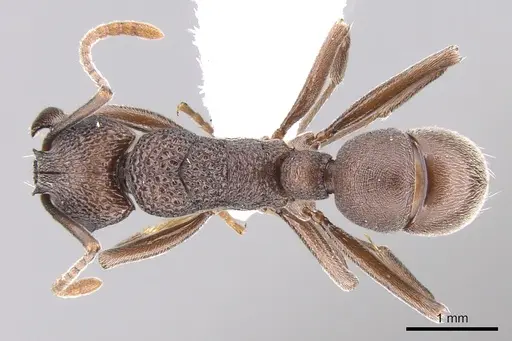
CASENT0900538
View on AntWeb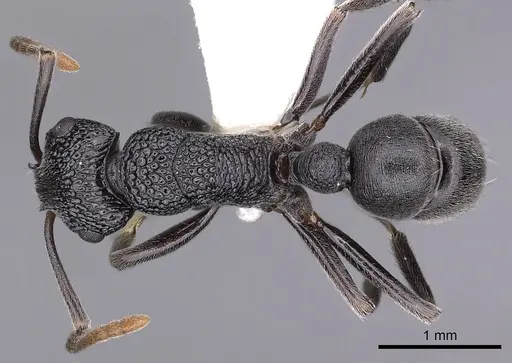
Literature
Loading...Loading products...