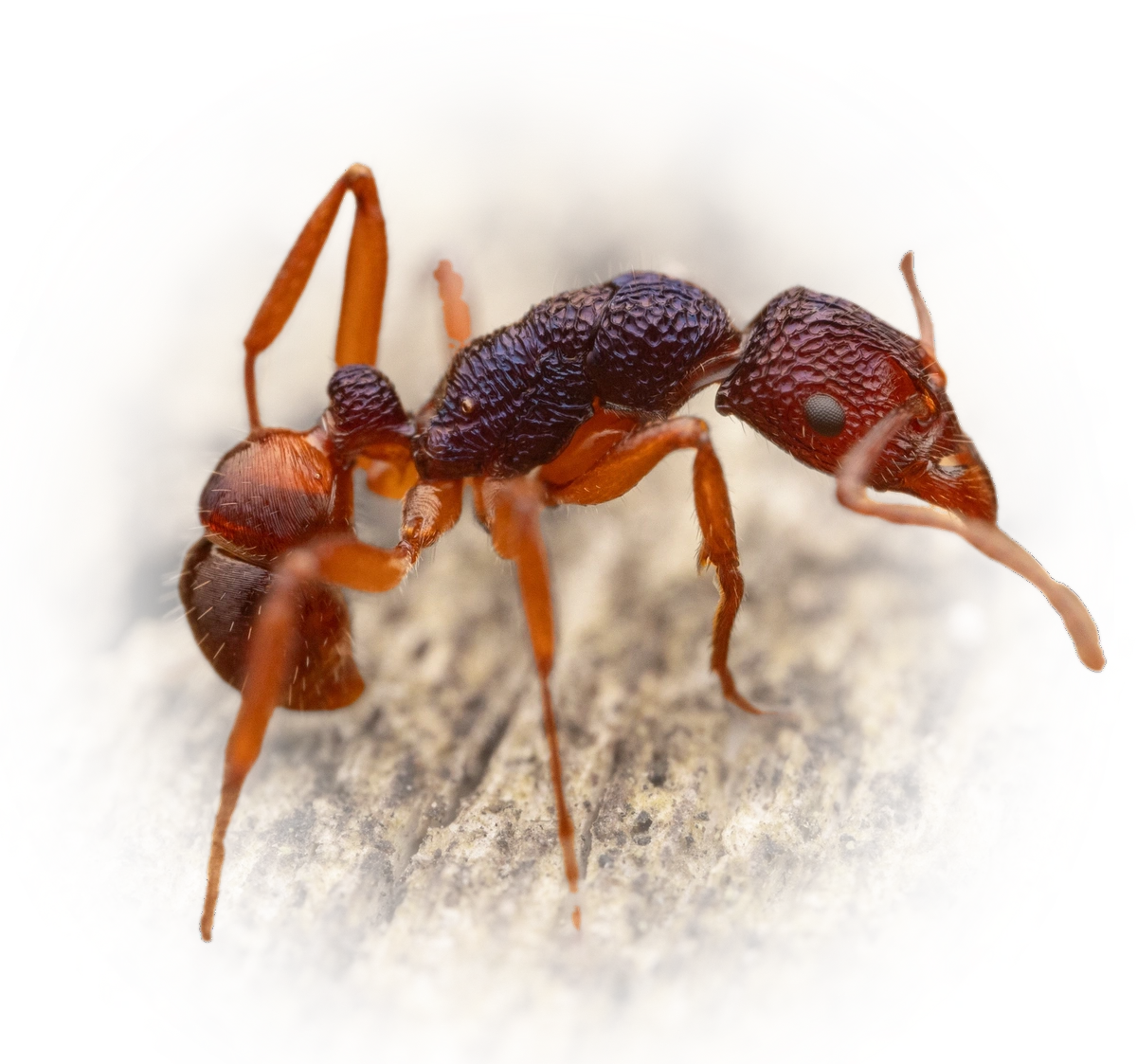

Rhytidoponera croesus
- Scientific Name
- Rhytidoponera croesus
- Tribe
- Ectatommini
- Subfamily
- Ectatomminae
- Author
- Emery, 1901
- Distribution
- Found in 1 countries
Rhytidoponera croesus Overview
Rhytidoponera croesus is an ant species of the genus Rhytidoponera. It is primarily documented in 1 countries , including Australia. Detailed taxonomic data and occurrence records can be further explored via authoritative databases such as AntWeb or the Global Biodiversity Information Facility (GBIF).
Rhytidoponera croesus
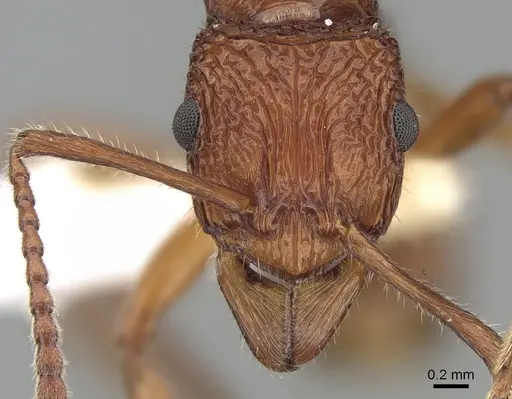
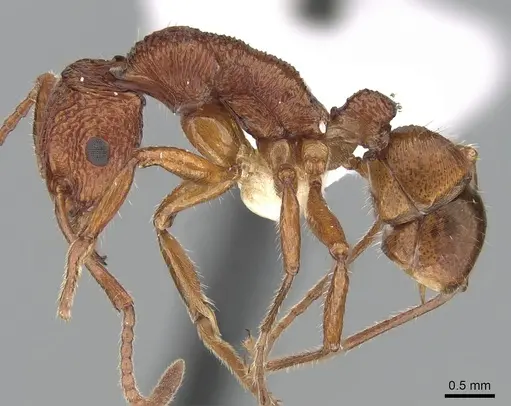
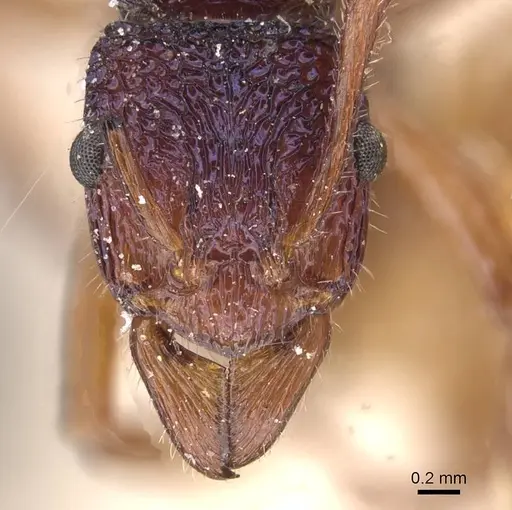
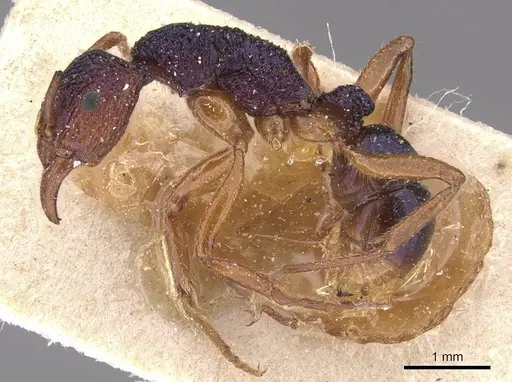
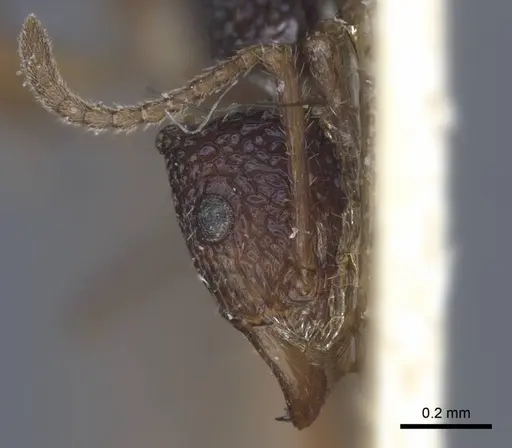
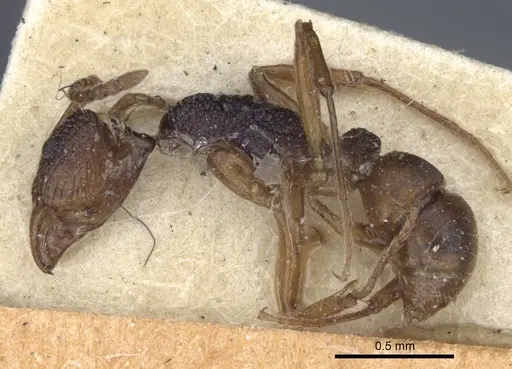
Rhytidoponera croesus is an Australian ant species known for its distinctive metallic copper to bronze coloration. Workers measure around 5-7mm and are relatively robust for a ponerine ant. This species is native to New South Wales, Australia, where it inhabits forest and woodland areas. The genus Rhytidoponera belongs to the subfamily Ectatomminae, which are known for having functional stingers, these ants can deliver a painful sting if handled roughly. A notable feature of this species is its colony structure dimorphism, some colonies have a single queen while others have multiple queens, a rare trait shared with only a few other Rhytidoponera species [1].
Quick Summary
- Difficulty: Medium
- Origin & Habitat: Native to New South Wales, Australia. Inhabits forest and woodland areas in temperate to subtropical eastern Australia [2].
- Colony Type: Facultatively polygynous, colonies can be either single-queen (monogyne) or multi-queen (polygyne). This dimorphism in colony structure is a documented trait of this species [1].
- Colony: Optionally polygyne
- Founding: Semi-claustral
- Size & Growth:
- Queen: Approximately 7-9mm (estimated from genus patterns)
- Worker: Approximately 5-7mm [2]
- Colony: Likely several hundred workers based on typical Rhytidoponera colony sizes
- Growth: Moderate
- Development: Estimated 8-12 weeks at optimal temperature (inferred from related Ponerinae species) (Development time is estimated based on typical ponerine ant development patterns, as species-specific data is not available)
- Antkeeping:
- Temperature: Keep at 22-26°C. Australian temperate origins suggest they can tolerate room temperature but prefer warmth. A gentle heat gradient allows workers to regulate their temperature.
- Humidity: Moderate humidity around 50-60%. These forest-dwelling ants prefer slightly moist substrate but not waterlogged conditions.
- Diapause: May require a mild winter rest period (6-8 weeks at 10-15°C) given their Australian temperate distribution, though this is not well-documented.
- Nesting: In nature, they nest in soil under stones or in rotting wood. In captivity, a naturalistic setup with soil substrate and flat stones or a Y-tong/plaster nest works well. They prefer dark, secure nesting areas.
- Behavior: These ants are predatory and will hunt small invertebrates. They are moderately aggressive and will defend their nest vigorously. Workers are active foragers that search for prey. They have a functional stinger and can deliver a painful sting, handle with care. Their small to medium size (5-7mm) means escape prevention is important but not as critical as with tiny ants.
- Common Issues: Stinger, these ants can sting painfully, so handle gently and avoid disturbing the nest, Colony structure uncertainty, you may get a single-queen or multi-queen colony, both are normal, Predatory diet requirements, they need live prey, not just sugar water, Slow founding, new colonies may take months to establish first workers, Winter dormancy confusion, unclear if true diapause needed, observe colony behavior
Housing and Nest Setup
Rhytidoponera croesus does well in naturalistic setups that mimic their forest floor habitat. Use a substrate of moist soil or a soil/plaster mix, with flat stones or pieces of rotting wood as nest covers. These ants prefer dark, secure nesting areas and will readily dig chambers in soil. A test tube setup can work for founding colonies, but a larger formicarium with soil substrate is better for established colonies. Ensure the outworld has space for hunting and foraging. Because they have a stinger, provide deep substrate where they can retreat if threatened. [2]
Feeding and Diet
As predatory ponerine ants, they need a protein-rich diet of live small invertebrates. Offer small crickets, mealworms, fruit flies, and other tiny arthropods. They will also accept sugar sources like honey or sugar water, but protein is essential for brood development. Feed every 2-3 days, removing uneaten prey after 24 hours. A varied diet helps ensure healthy colony growth. Unlike some ants, they are active hunters and will pursue prey across the foraging area.
Temperature and Seasonal Care
Maintain temperatures between 22-26°C for optimal colony activity and brood development. They can tolerate cooler room temperatures but growth will slow. A heating cable on one side of the nest creates a temperature gradient that workers can use to regulate their conditions. Regarding winter dormancy, their Australian origins suggest they may benefit from a mild rest period at 10-15°C for 6-8 weeks during winter months, though this is not extensively documented. Observe your colony, if workers become less active in winter, a cool period may help mimic natural cycles.
Behavior and Handling
These ants are active foragers with a predatory nature. Workers will search the outworld for prey and can be observed carrying captured insects back to the nest. They are defensive of their colony and will sting if the nest is disturbed. When working with them, move slowly and avoid blowing on the nest or vibrating the setup. Their sting is painful but not medically significant for healthy humans. They are not aggressive toward humans unless provoked. The colony structure dimorphism means your colony may have one queen or several, both arrangements are natural for this species. [1]
Colony Founding
Colony founding for Rhytidoponera croesus is likely semi-claustral, meaning the queen must leave the nest periodically to hunt for food during the founding stage. This differs from claustral ants that seal themselves in and live off stored fat. After mating, the queen will dig a small chamber and begin laying eggs. She will need to hunt to feed herself and eventually the brood. This makes founding colonies somewhat challenging, ensure the founding chamber has access to small prey items. First workers (nanitics) may take several months to emerge.
Frequently Asked Questions
Does Rhytidoponera croesus have a sting?
Yes. As a member of the subfamily Ectatomminae (Ponerinae-related), this species has a functional stinger and can deliver a painful sting if handled roughly or threatened. The sting is not medically significant for healthy humans but can be quite painful. Handle gently and avoid disturbing the nest.
How long does it take for first workers to appear?
First workers typically appear within 8-12 weeks under optimal conditions (22-26°C), though this is estimated based on related species. Founding can be slow, be patient and ensure the queen has access to small live prey. The colony may take several months to establish firmly.
Can I keep multiple queens together?
Yes, this is normal for this species. Rhytidoponera croesus exhibits colony structure dimorphism, both single-queen (monogyne) and multi-queen (polygyne) colonies occur naturally [1]. If you have multiple unrelated foundress queens, they may fight initially, but established multi-queen colonies are viable.
What do Rhytidoponera croesus eat?
They are predatory ants that need live small invertebrates like fruit flies, small crickets, mealworms, and other tiny arthropods. They will also accept sugar sources (honey, sugar water) but protein is essential for brood development. Feed protein prey 2-3 times per week and keep sugar water available.
Are Rhytidoponera croesus good for beginners?
They are rated as medium difficulty. They require more specific care than simple sugar-feeding ants, they need live prey and prefer specific temperature ranges. They also have a sting. They are a good intermediate-level species for keepers who want to move beyond basic ant care but aren't ready for the most demanding species.
How big do colonies get?
Colonies likely reach several hundred workers based on typical Rhytidoponera sizes. The colony structure dimorphism means some colonies may support more queens and thus potentially grow larger. Growth is moderate, expect several months to reach 50+ workers.
What size formicarium do they need?
Start with a test tube for founding colonies. Once established with 20+ workers, upgrade to a small formicarium with soil substrate or a Y-tong/plaster nest. They prefer dark nesting areas and will dig in soil. Ensure the outworld is large enough for hunting and foraging.
Why is my colony not growing?
Check temperature (should be 22-26°C), ensure protein prey is being offered regularly, and verify humidity is adequate but not waterlogged. Founding colonies can be slow, queens may take months before producing first workers. Also ensure the queen is alive and not being disturbed.
References

This caresheet is licensed under CC BY-SA 4.0 .
CASENT0281242
View on AntWeb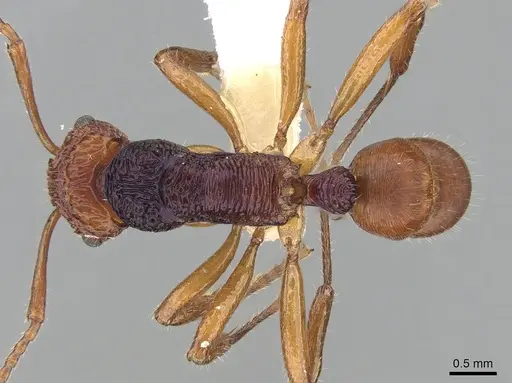
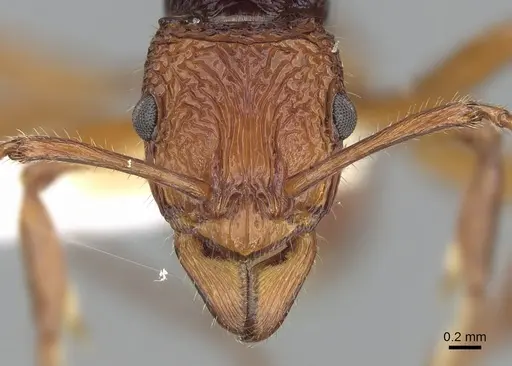
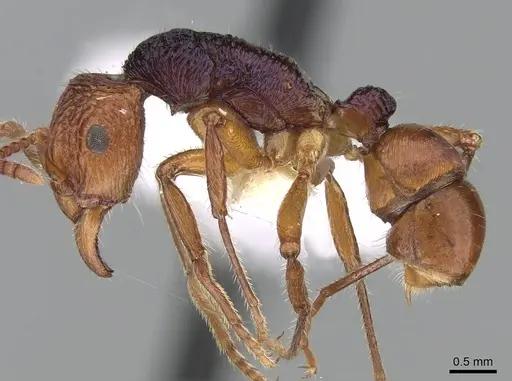
CASENT0281243
View on AntWeb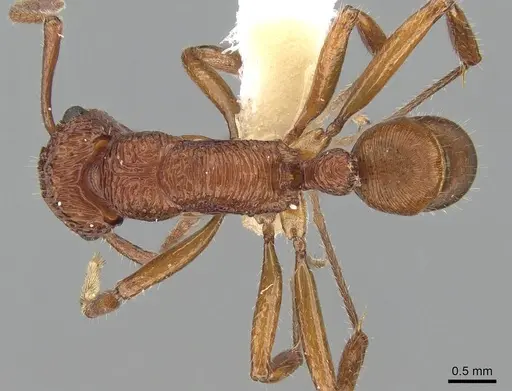
CASENT0281244
View on AntWeb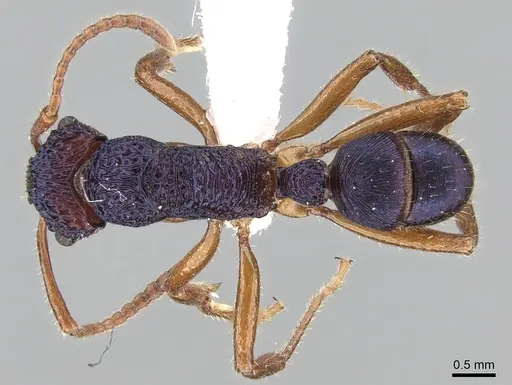
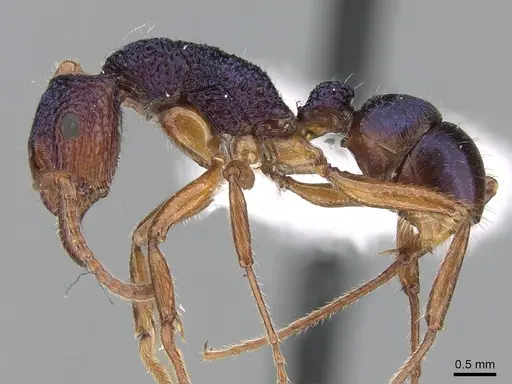
CASENT0903833
View on AntWeb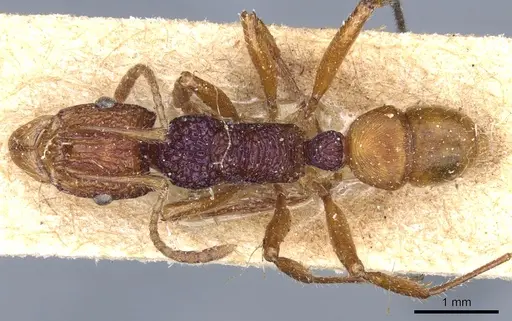
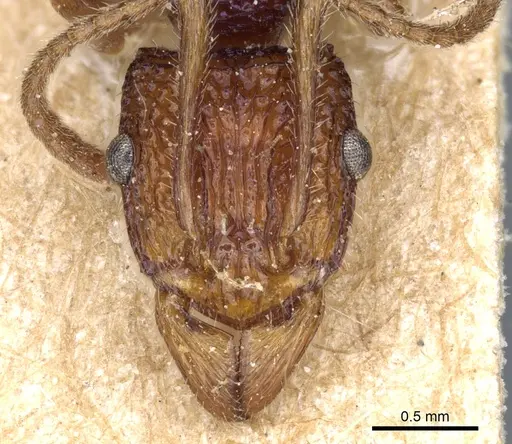
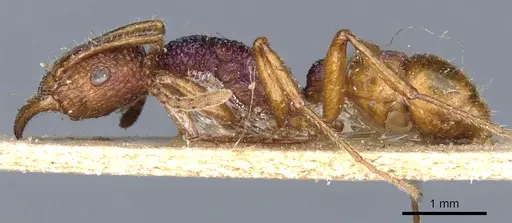
CASENT0915135
View on AntWeb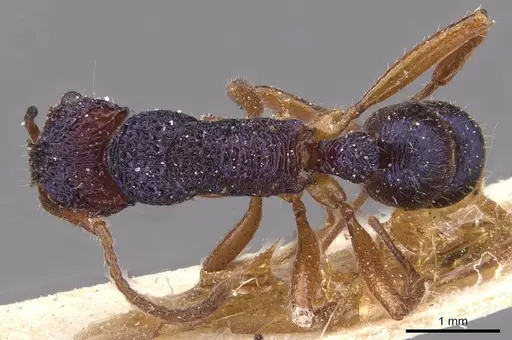
CASENT0916803
View on AntWeb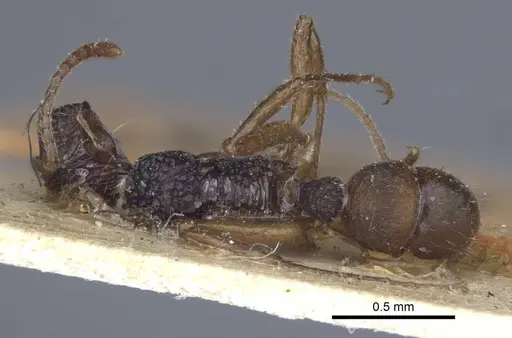
Literature
Loading...Loading products...