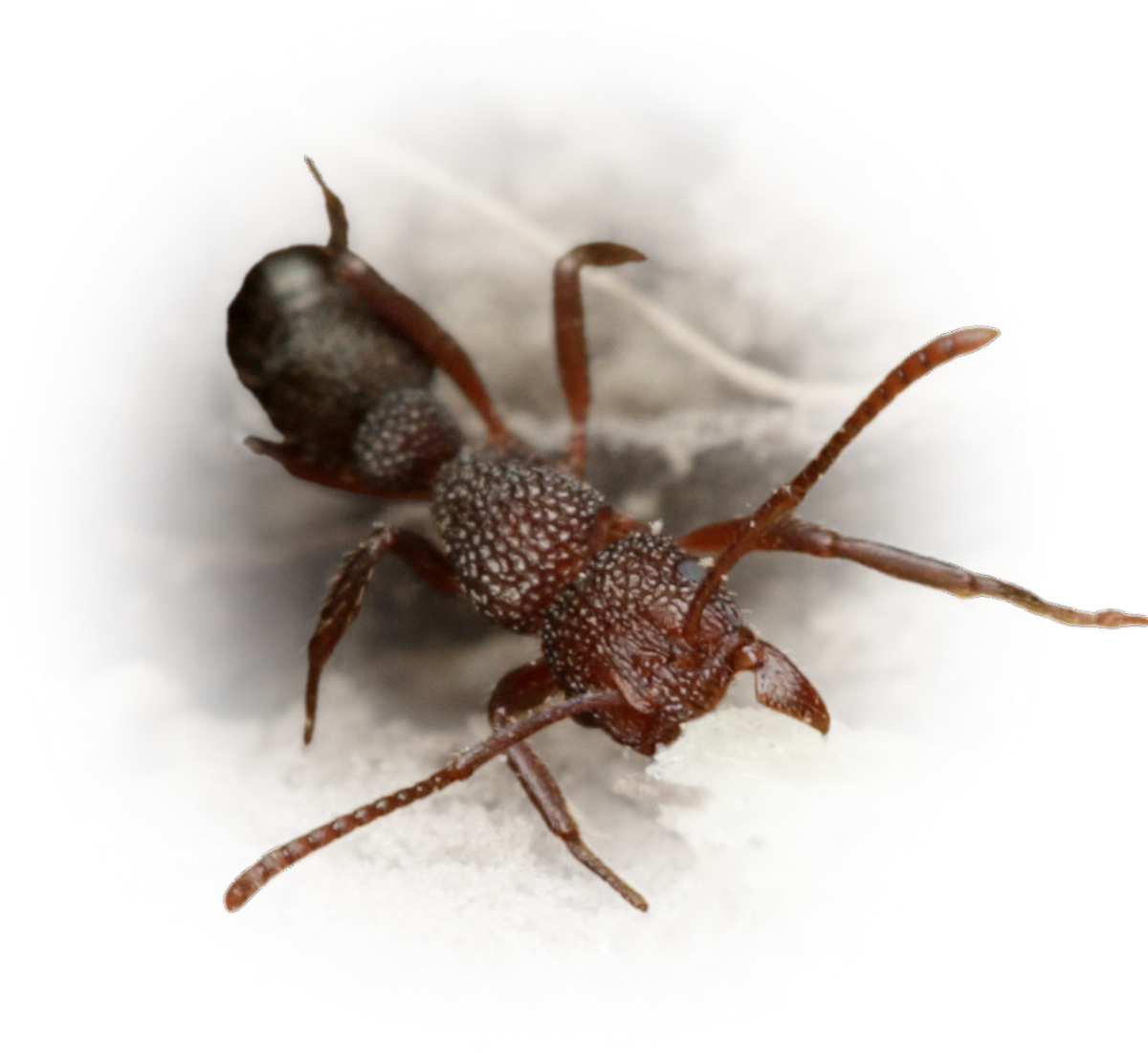

Rhytidoponera borealis
- Scientific Name
- Rhytidoponera borealis
- Tribe
- Ectatommini
- Subfamily
- Ectatomminae
- Author
- Crawley, 1918
- Distribution
- Found in 1 countries
Rhytidoponera borealis Overview
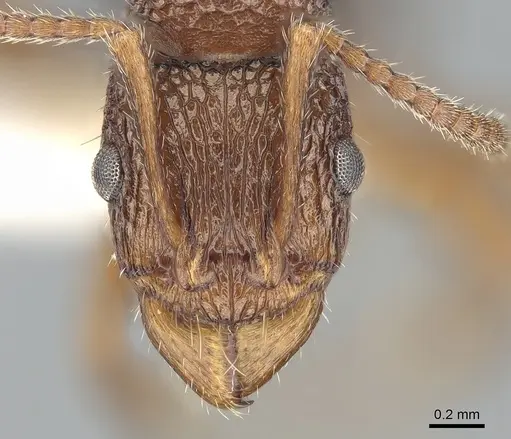
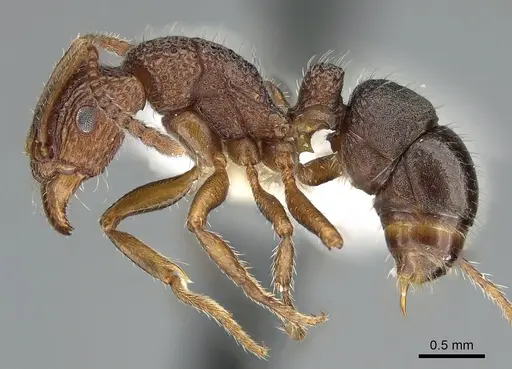
Rhytidoponera borealis is an ant species of the genus Rhytidoponera. It is primarily documented in 1 countries , including Australia. Detailed taxonomic data and occurrence records can be further explored via authoritative databases such as AntWeb or the Global Biodiversity Information Facility (GBIF).
Rhytidoponera borealis
Rhytidoponera borealis is a medium-sized ant species native to northern Australia, particularly the Northern Territory and Tiwi Islands. Workers measure approximately 5-7mm and have the robust, powerful build typical of the Ectatomminae subfamily. They are non-iridescent with a dark reddish-brown to black coloration. This species inhabits the monsoonal tropics of northern Australia, where it nests in soil or under stones in arid and semi-arid landscapes. It is one of the most common ant species in Australia's seasonal tropics and shows remarkable resilience to fire regimes [1][2]. The genus Rhytidoponera belongs to the tribe Ectatommini, which are known for their potent stingers, these ants can deliver a noticeable sting if handled roughly.
Quick Summary
- Difficulty: Medium
- Origin & Habitat: Native to northern Australia, specifically the Northern Territory and Tiwi Islands. Found in monsoonal tropical habitats with hot, wet summers and dry winters. Non-granivorous, meaning they don't rely on seeds as a food source [1].
- Colony Type: Colony structure is not well-documented in available research. Based on typical Rhytidoponera patterns, colonies likely have a single queen (monogyne), though multi-queen colonies may occur in some situations.
- Colony: Monogyne
- Founding: Claustral
- Size & Growth:
- Queen: Approximately 7-9mm (estimated based on genus patterns)
- Worker: 5-7mm [1]
- Colony: Likely several hundred workers based on typical genus colony sizes
- Growth: Moderate
- Development: Estimated 6-10 weeks at optimal temperatures based on related Ectatommini species (Development time is inferred from genus-level data since species-specific timing is unconfirmed)
- Antkeeping:
- Temperature: Keep at 24-30°C, reflecting their tropical Australian origin. A temperature gradient allows workers to regulate their own conditions.
- Humidity: Moderate humidity around 50-70%. These ants come from a monsoonal region with distinct wet and dry seasons, so they can tolerate some variation. Allow the nest substrate to dry partially between waterings.
- Diapause: Likely reduced activity during the dry season (Australian winter), but true hibernation is not required given their tropical origin. A slight cooling period may be beneficial but is not mandatory.
- Nesting: In captivity, they do well in Y-tong (AAC), plaster, or naturalistic setups with soil substrate. They prefer nesting in darker areas and will establish colonies in soil chambers or pre-formed tunnels.
- Behavior: Rhytidoponera borealis is an active forager with a potent sting, these ants should be handled with care as they will defend their nest vigorously. They are predatory and likely hunt small invertebrates in captivity. Workers are medium-sized and can escape through standard barrier methods, but are not as prone to escaping as tiny species. They are ground-nesting and may be less likely to climb smooth surfaces compared to some arboreal species.
- Common Issues: potent sting makes them risky to handle without proper technique, limited research data means many care aspects are inferred from genus patterns, wild-caught colonies may carry parasites specific to Australian ant fauna, dry season dormancy may be mistaken for colony death by inexperienced keepers, moderate growth rate requires patience, colonies take time to establish
Temperature and Heating
As a species from northern Australia's tropical regions, Rhytidoponera borealis prefers warm temperatures. Keep the nest area between 24-30°C for optimal brood development. A heating cable on one side of the nest creates a temperature gradient, allowing ants to self-regulate by moving to warmer or cooler areas. Avoid temperatures below 20°C for extended periods, as this can slow colony development significantly. Room temperature within this range is acceptable, but additional heating may be needed in cooler climates. Monitor colony activity, if workers become sluggish and cluster together, the temperature may be too low. [1]
Feeding and Diet
Rhytidoponera borealis is non-granivorous, meaning they do not primarily eat seeds [1]. In captivity, they should be fed a diet similar to other predatory Ectatommini species: protein-rich foods like small insects (fruit flies, pinhead crickets, mealworms) and occasional sugar sources (honey water, sugar water). Offer protein prey 2-3 times per week, and keep a sugar source available at all times. Remove uneaten prey after 24-48 hours to prevent mold. These ants are active hunters and will readily take down prey larger than themselves. Fresh killed insects are often more readily accepted than live prey initially.
Nesting Preferences
In the wild, Rhytidoponera borealis nests in soil or under stones in Australia's northern monsoonal regions. For captivity, a Y-tong (AAC) nest or plaster nest works well, both provide dark, secure chambers that this species prefers. A naturalistic setup with a soil substrate also works and allows for natural digging behavior. Keep the nest relatively dark and avoid excessive disturbance during the founding stage. The nest should have chambers scaled to the colony size, too large chambers can make the colony feel insecure. A humidity reservoir or regular misting maintains appropriate substrate moisture.
Humidity and Water
These ants come from a region with distinct wet and dry seasons, so they can tolerate moderate humidity variation. Aim for 50-70% humidity in the nest area. The substrate should be allowed to dry partially between waterings, constant saturation should be avoided. Provide a water tube or gel as a constant water source. During the dry season simulation (winter), reduce watering frequency. Monitor for mold, which indicates excessive moisture. If condensation forms heavily on nest walls, improve ventilation.
Behavior and Defense
Rhytidoponera borealis has a potent sting and should be handled with extreme care. When threatened, workers will readily sting, the sting is reported to be painful and may cause localized swelling. This species is not aggressive toward humans when undisturbed, but will defend the nest aggressively if the colony is threatened. Workers are active foragers and will hunt prey actively rather than waiting for food to be delivered. They are ground-dwelling and less likely to climb than some species, but standard escape prevention is still recommended. Observe colony behavior to establish their activity patterns, they are typically most active during warmer parts of the day.
Seasonal Care
In their native habitat, these ants experience a monsoonal climate with hot, wet summers and mild, dry winters. During the Australian winter (roughly June-August), colony activity may naturally decrease. You can simulate this by reducing temperatures slightly (to around 20-24°C) and reducing feeding frequency. True hibernation is not required, but a slight cooling period mimics natural conditions and may benefit colony health. Do not feed heavily during low-activity periods as uneaten food can cause mold issues. Resume normal care when spring arrives and activity increases.
Frequently Asked Questions
Does Rhytidoponera borealis have a sting?
Yes, Rhytidoponera borealis has a potent sting. This species belongs to the Ectatomminae subfamily, which is known for functional stingers. The sting is reported to be painful and can cause localized swelling. Handle with extreme care and avoid provoking the colony.
How long does it take for the first workers to emerge?
Based on related Ectatommini species, expect 6-10 weeks from egg to first worker at optimal temperatures (around 26-28°C). The exact timeline for this species is unconfirmed due to limited research, but development follows typical patterns for the genus.
What do Rhytidoponera borealis ants eat?
They are non-granivorous, meaning they don't eat seeds. Feed them small insects (fruit flies, pinhead crickets, small mealworms) as a primary protein source 2-3 times per week. Offer sugar water or honey as a constant carbohydrate source. Remove uneaten prey after 24-48 hours.
Are Rhytidoponera borealis ants good for beginners?
This species is rated as Medium difficulty. While they are relatively hardy once established, their potent sting makes them less suitable for beginners who want to handle their ants frequently. They require warm temperatures and proper humidity, but otherwise have straightforward care requirements.
Do Rhytidoponera borealis ants need hibernation?
True hibernation is not required as they come from tropical Australia. However, a slight cooling period during winter months (reducing to around 20-24°C) mimics their natural seasonal cycle and may benefit colony health. This is optional but recommended.
How big do Rhytidoponera borealis colonies get?
Based on typical genus patterns, colonies likely reach several hundred workers. The exact maximum size is unconfirmed for this species, but related Rhytidoponera species typically establish moderate-sized colonies.
Can I keep multiple queens together?
The colony structure is not well-documented for this species. Based on typical Rhytidoponera patterns, single-queen colonies are most common. Combining unrelated queens has not been studied and is not recommended.
What temperature should I keep Rhytidoponera borealis at?
Keep them warm at 24-30°C, with 26-28°C being ideal for brood development. A temperature gradient allowing self-regulation is best. Avoid temperatures below 20°C for extended periods.
When should I move them to a formicarium?
Keep newly caught or purchased colonies in a test tube setup for the founding stage. Once the colony reaches 20-30 workers and the test tube humidity declines, you can move them to a formicarium or naturalistic setup. They prefer dark nesting areas.
Why is my colony dying?
Common causes include: temperatures too low (below 20°C), excessive humidity causing mold, poor nutrition, or parasites from wild-caught colonies. Review your temperature, humidity, and feeding regimen. If caught in the wild, parasites are a common cause of colony failure in Australian species.
References

This caresheet is licensed under CC BY-SA 4.0 .
ANTWEB1008154
View on AntWeb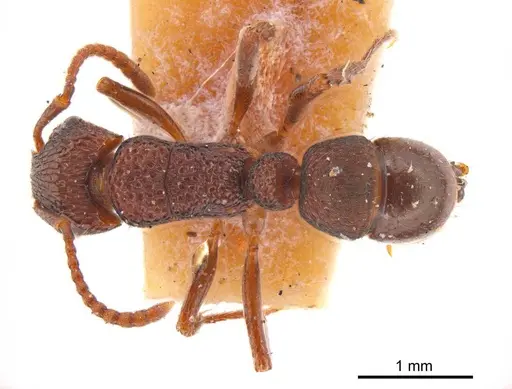
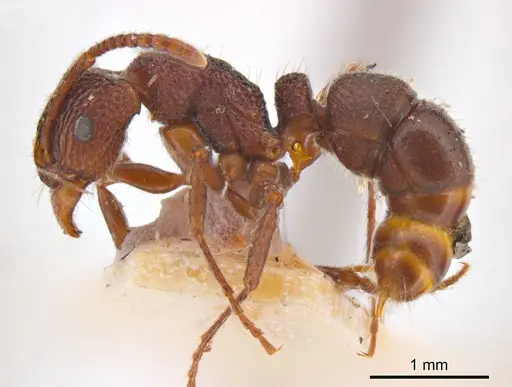
CASENT0281258
View on AntWeb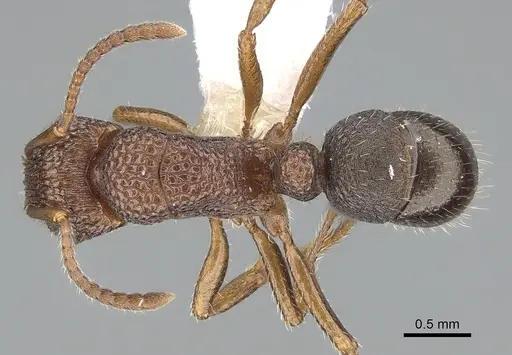
Literature
Loading...Loading products...