

Rhytidoponera aurata
- Scientific Name
- Rhytidoponera aurata
- Tribe
- Ectatommini
- Subfamily
- Ectatomminae
- Author
- Roger, 1861
- Distribution
- Found in 2 countries
Rhytidoponera aurata Overview
Rhytidoponera aurata is an ant species of the genus Rhytidoponera. It is primarily documented in 2 countries , including Australia, Papua New Guinea. Detailed taxonomic data and occurrence records can be further explored via authoritative databases such as AntWeb or the Global Biodiversity Information Facility (GBIF).
Rhytidoponera aurata
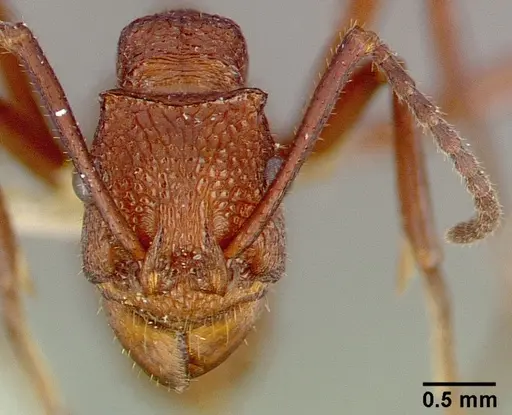
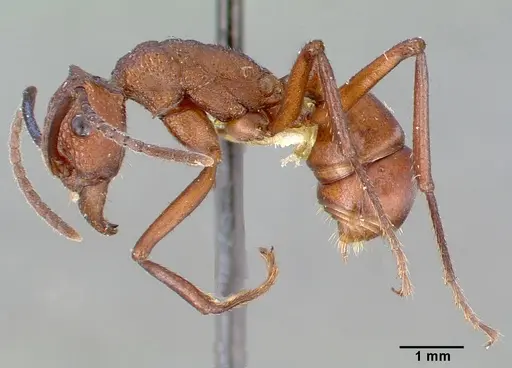
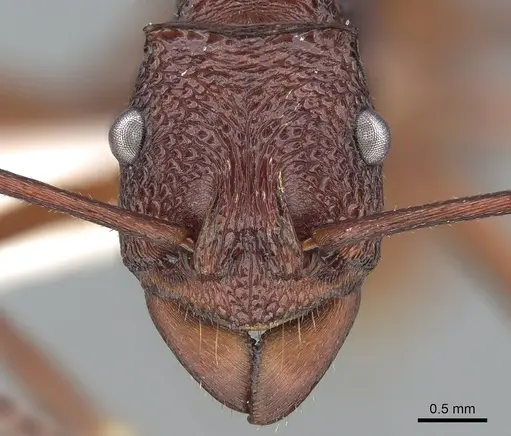
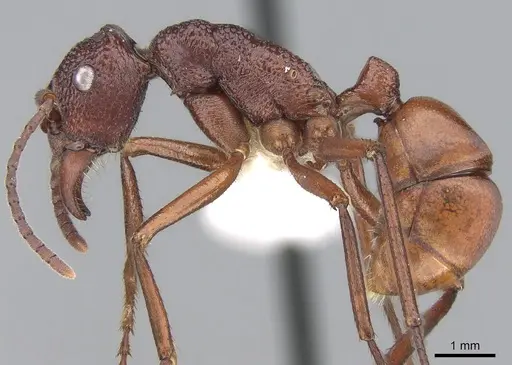
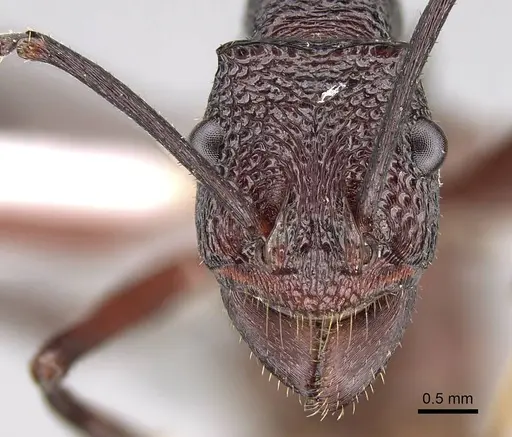
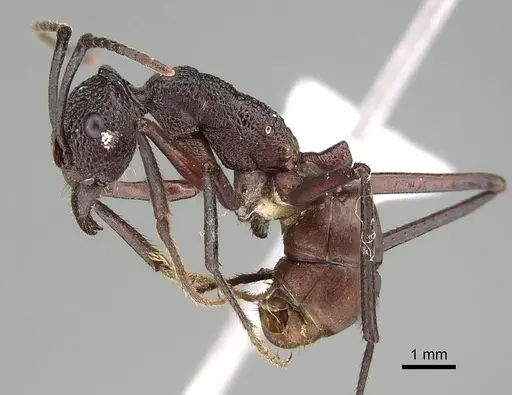
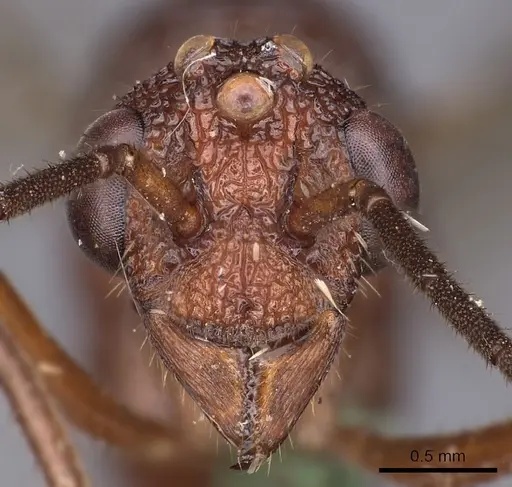
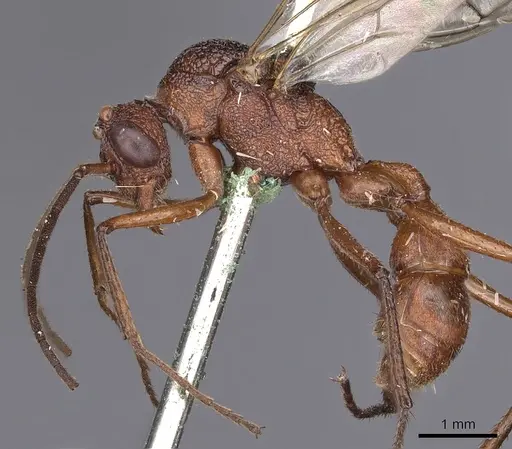
Rhytidoponera aurata is a medium-sized ant native to Australia and New Guinea, belonging to the subfamily Ectatomminae. Workers measure around 5-7mm and have a distinctive appearance with sharp occipital corners at the back of the head and a generally robust build. The species is golden to reddish-brown in color, giving rise to its common name. In the wild, these ants thrive in heathland, hummock grassland, and coastal grassland habitats across northern Australia, showing a strong association with fire-prone savanna environments [1]. They are classified as 'Opportunists' in functional group terms, meaning they are generalist foragers that can quickly exploit new food resources [2][3].
This species has a fascinating social structure, it is one of the few ants that can have multiple gamergates (reproductive workers) in a single colony, with documented colonies having 22±9 gamergates on average [4]. Unlike many ponerine ants that have completely lost their queen caste, R. aurata has retained the true queen caste alongside these reproductive workers [4]. Colonies in the wild average around 182 workers, though smaller colonies of just 75 workers also exist [4].
Quick Summary
- Difficulty: Medium
- Origin & Habitat: Australia and New Guinea, found in heathland, hummock grassland, and coastal grasslands across northern Australia's seasonal tropics [1]. Classified as an 'Opportunist' functional group, meaning they are generalists that thrive in disturbed areas and can quickly exploit available resources [2][3].
- Colony Type: Facultatively polygynous with gamergates, colonies can have multiple reproductive workers (gamergates), averaging 22±9 per colony, alongside retained queen caste. Some colonies are smaller with only a single gamergate (75±38 workers), while larger colonies reach 182±98 workers [4].
- Colony: Optionally polygyne
- Special: Gamergates
- Size & Growth:
- Queen: Estimated 7-9mm based on genus typical sizes
- Worker: Estimated 5-7mm based on genus descriptions [5]
- Colony: Up to approximately 200 workers in wild colonies (182±98 average) [4]
- Growth: Moderate, based on related Ectatomminae species
- Development: Estimated 6-10 weeks at optimal temperature, based on typical Ponerine development patterns (Development time is estimated from related species, specific data for R. aurata is not available)
- Antkeeping:
- Temperature: Keep at 22-26°C, these are tropical ants from northern Australia that prefer warm conditions. A gentle heat gradient allows them to regulate temperature.
- Humidity: Moderate humidity (50-70%), they inhabit grasslands and savanna, not rainforests. Allow the nest substrate to dry partially between rehydrations.
- Diapause: No, being from tropical Australia, they do not require a true hibernation. However, they may show reduced activity during cooler winter months if your room temperature drops.
- Nesting: They naturally nest in soil under stones or in small cavities in the ground. In captivity, a Y-tong (AAC) nest or a naturalistic setup with a soil chamber works well. Provide a moisture reservoir but avoid waterlogging.
- Behavior: R. aurata is a solitary forager, workers hunt and collect food alone rather than in groups [6]. They primarily collect dead insects and other protein sources [6]. They are not particularly aggressive toward humans but belong to the subfamily Ectatomminae which includes functional stingers, so they can sting if threatened. Their sting is reported to be painful but not medically significant for healthy humans. Workers are moderately active and will explore their outworld in search of prey. Escape prevention is important as they are agile climbers, use fluon on nest edges.
- Common Issues: smaller colony size means slower population growth than faster-growing species like some Formica, gamergate system is complex, colony reproduction is not straightforward like simple queen-right colonies, wild-caught colonies may have parasites or diseases that can cause colony failure, solitary foraging means they may not efficiently discover food sources, place prey directly in their foraging area, they prefer warm conditions, cold rooms below 20°C can slow or stop brood development
Housing and Nest Setup
Rhytidoponera aurata does well in Y-tong (AAC) nests or naturalistic setups with a soil chamber. Since they naturally nest under stones in grassland habitats, provide them with a nest chamber that allows for some humidity retention without becoming waterlogged. A moisture reservoir connected to the nest helps maintain appropriate substrate moisture. For the outworld, a simple plastic container works fine, these ants are not particularly large or destructive, so standard formicarium setups are suitable. Ensure escape prevention is in place as they are good climbers, a barrier of fluon on the rim of the nest works well. [1]
Feeding and Diet
In the wild, R. aurata is a solitary forager that collects dead insects and other protein sources [6]. In captivity, offer them small live or dead insects such as fruit flies, small crickets, mealworms, or other appropriately-sized arthropods. They are not known to be heavy honeydew consumers like some ants, protein from insects should form the primary food source. You can occasionally offer a drop of diluted honey or sugar water, but protein-rich foods are more important for their health and brood production. Feed them 2-3 times per week, adjusting based on colony size and consumption.
Temperature and Seasonal Care
Being from tropical northern Australia, R. aurata prefers warm conditions in the range of 22-26°C [2]. They are adapted to the seasonal tropics with distinct wet and dry seasons, but temperatures remain warm year-round. You do not need to hibernate them as you would temperate species. If your room temperature falls below 20°C consistently, consider using a heating cable or heat mat on one side of the nest to maintain warmth. However, avoid direct heat that could dry out the nest too quickly. They tolerate brief temperature fluctuations but perform best with stable warmth.
Colony Structure and Reproduction
This species has a unique social structure among ants, it is one of the few species where multiple workers can become reproductive (gamergates). Wild colonies average 182±98 workers with 22±9 gamergates per colony [4]. Some colonies are smaller (around 75 workers) and have only a single gamergate, these appear to be newly founded colonies [4]. Importantly, R. aurata has retained its true queen caste alongside the gamergate system, making it unusual among ponerine ants [4]. In captivity, colony reproduction is more complex than simple queen-right species. The presence of multiple reproductive individuals means colonies can sustain worker production even if some gamergates are lost, but this also means colony dynamics are less predictable.
Defense and Handling
R. aurata belongs to the subfamily Ectatomminae, which includes ants with functional stingers. While they are not aggressive by nature, they will sting if threatened or cornered. The sting is reported to be painful but not medically significant for healthy humans, similar to a bee sting for most people. When working with them, move slowly and avoid pinning them down or disturbing the nest excessively. If you need to relocate them, coax them into a test tube rather than shaking them out. Their pain-causing ability means they are not ideal for handling, but they are fascinating to observe through the nest glass.
Field Ecology and Distribution
R. aurata is widely distributed across northern Australia and New Guinea, with records from multiple island groups including the Tiwi Islands [1]. They show strong associations with heathland, hummock grassland, and coastal grassland vegetation types. The species is classified as an 'Opportunist' in ant functional group terms, this means they are generalist foragers that can quickly exploit new resources and are resilient to environmental disturbance [2][3]. Interestingly, they are more abundant in areas with frequent fire regimes, suggesting they are well-adapted to the fire-prone savanna ecosystems of northern Australia [7]. This fire tolerance makes them one of the more resilient ant species in their native habitat.
Common Problems and Solutions
The main challenges in keeping R. aurata relate to their specific biology. First, their colony sizes are relatively small compared to many common ant species, expect maximum colonies around 200 workers rather than thousands. Second, their need for warmth means cold rooms can cause problems, monitor temperatures and provide heating if needed. Third, as solitary foragers, they may not efficiently discover food, place prey directly in their foraging area rather than expecting them to find it. Fourth, wild-caught colonies may carry parasites that can cause problems in captivity, quarantine and observe new colonies carefully. Finally, their sting means they are not suitable for keepers who are sensitive to ant stings or want a hands-on pet. [4][6]
Frequently Asked Questions
How long does it take for Rhytidoponera aurata to produce first workers?
Exact development time is not documented for this species, but based on related Ectatomminae and Ponerine ants, expect approximately 6-10 weeks from egg to worker at optimal temperature (24-26°C). This is slower than many common ant species, so patience is required during the founding phase.
Do Rhytidoponera aurata ants sting?
Yes, they can sting. R. aurata belongs to Ectatomminae, a subfamily that includes ants with functional stingers. The sting is painful but not medically significant for healthy humans, similar to a bee sting. They are not aggressive but will defend themselves if threatened.
How big do Rhytidoponera aurata colonies get?
Wild colonies reach approximately 182±98 workers on average, with some larger colonies up to around 200 workers [4]. This is smaller than many common ant species, but colonies are long-lived and sustainable.
What do Rhytidoponera aurata eat?
They are primarily insectivorous, collecting dead insects and other small arthropods in the wild [6]. In captivity, offer small insects like fruit flies, small crickets, or mealworms. You can occasionally offer sugar water or honey, but protein-rich foods are essential for colony health.
Can I keep multiple queens together?
R. aurata is facultatively polygynous, wild colonies can have multiple reproductive individuals including both gamergates and queens. However, combining unrelated foundress queens in captivity has not been studied and is not recommended. If you acquire multiple dealate queens, it is safer to house them separately.
Do Rhytidoponera aurata need hibernation?
No, they do not require hibernation. Being from tropical Australia, they are active year-round when kept warm. If your room temperature drops significantly in winter, they may show reduced activity, but a true diapause is not necessary.
Are Rhytidoponera aurata good for beginners?
They are rated as medium difficulty. They are less commonly kept than species like Lasius or Camponotus, and their specific temperature requirements and smaller colony sizes present some challenges. However, their fascinating social structure and interesting behavior make them rewarding for intermediate antkeepers who can provide warm conditions.
What is a gamergate?
A gamergate is a worker ant that has become reproductive, she can mate and lay eggs like a queen. R. aurata is one of the few ant species where multiple workers can become gamergates in a single colony. This is unusual, most ant species have either a queen or gamergates, but R. aurata has retained both [4].
When should I move R. aurata to a formicarium?
Wait until the colony has at least 20-30 workers before moving them from a founding setup. They do best in setups that allow for some humidity control, a Y-tong nest with a water reservoir or a naturalistic setup works well. They are not particularly large, so standard-sized formicaria are suitable.
Why are my R. aurata dying?
Common causes include: temperatures below 20°C (they need warmth), improper humidity (too wet or too dry), parasites from wild-caught colonies, or insufficient protein in their diet. Check your temperature first, then review feeding and humidity. Wild-caught colonies often have higher mortality rates due to parasites or stress from collection.
References

This caresheet is licensed under CC BY-SA 4.0 .
CASENT0010638
View on AntWeb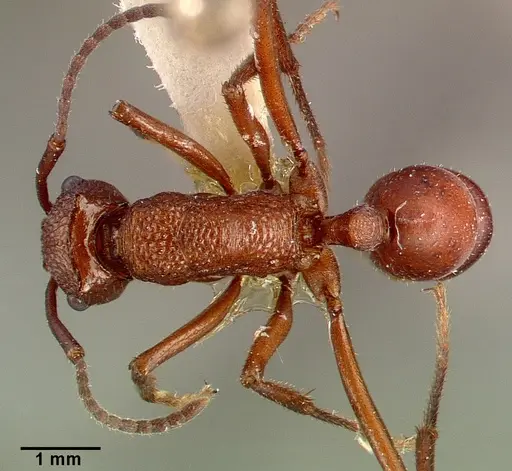
CASENT0281276
View on AntWeb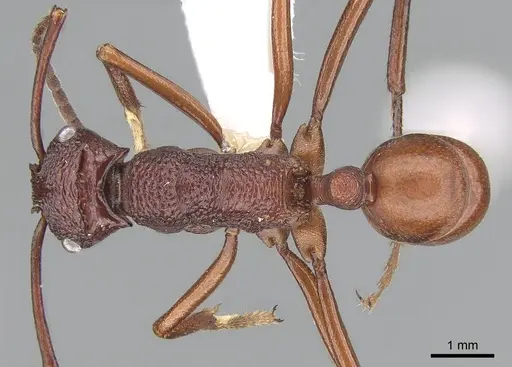
CASENT0746785
View on AntWeb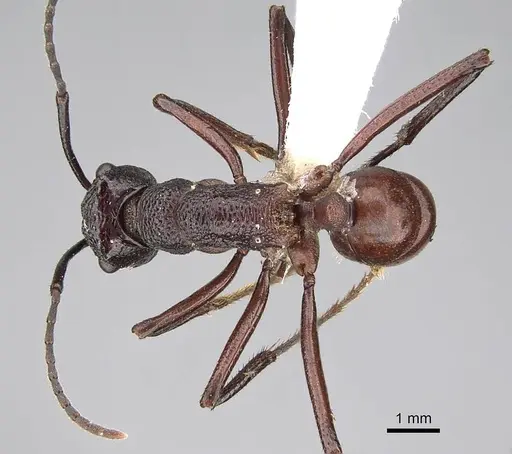
CASENT0900518
View on AntWeb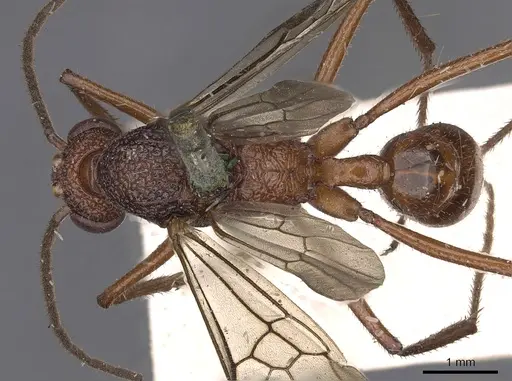
Literature
Loading...Loading products...