

Rhytidoponera atropurpurea
- Scientific Name
- Rhytidoponera atropurpurea
- Tribe
- Ectatommini
- Subfamily
- Ectatomminae
- Author
- Emery, 1914
- Distribution
- Found in 1 countries
Rhytidoponera atropurpurea Overview
Rhytidoponera atropurpurea is an ant species of the genus Rhytidoponera. It is primarily documented in 1 countries , including New Caledonia. Detailed taxonomic data and occurrence records can be further explored via authoritative databases such as AntWeb or the Global Biodiversity Information Facility (GBIF).
Rhytidoponera atropurpurea
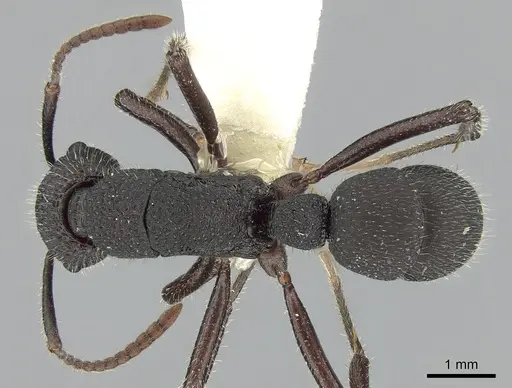
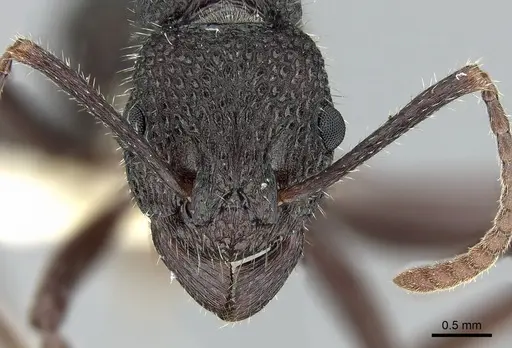
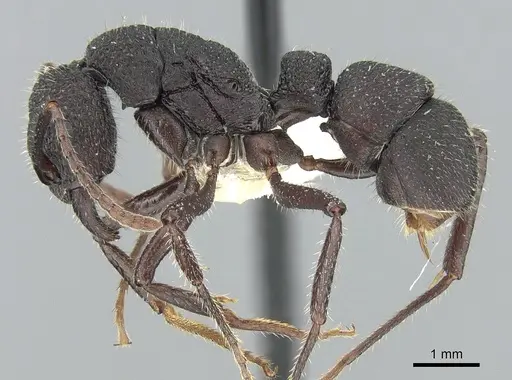
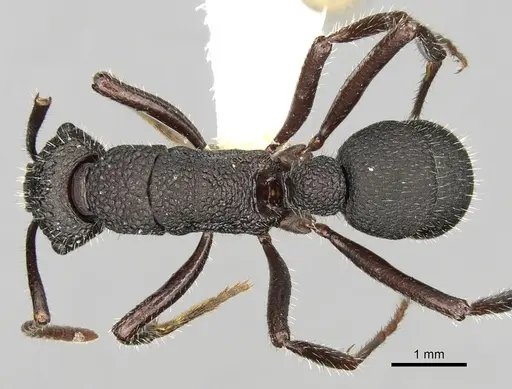
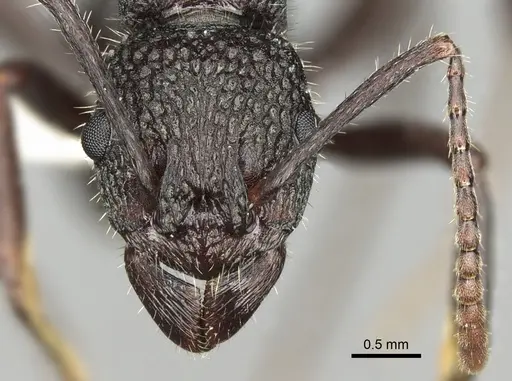
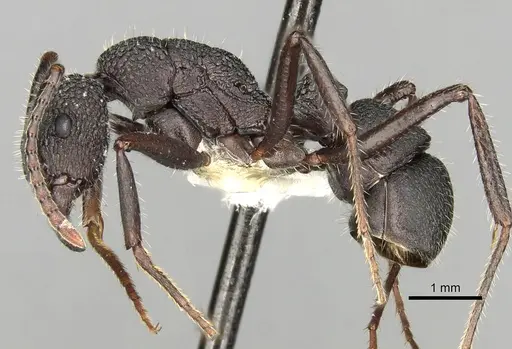
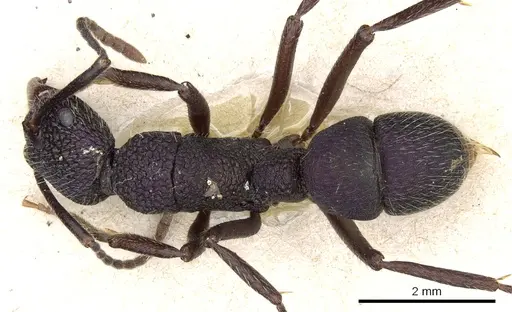
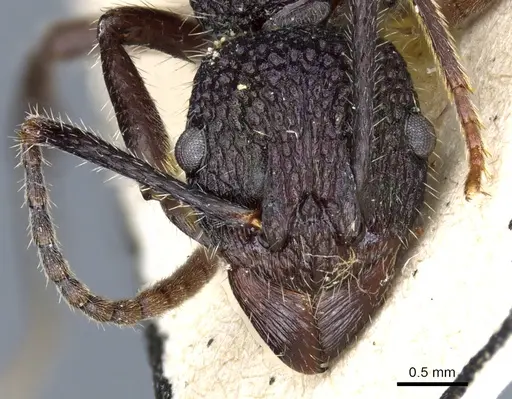
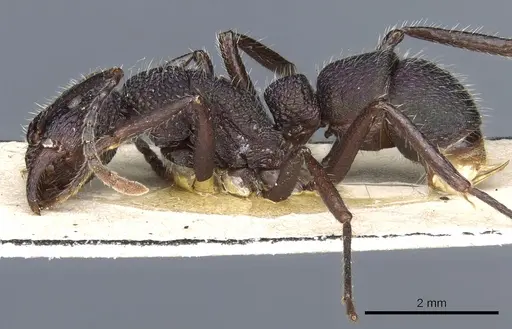
Rhytidoponera atropurpurea is a medium-sized ant species native to New Caledonia, an island in the southwestern Pacific Ocean. Workers measure approximately 5-7mm and have a distinctive dark purple to black coloration, which gives them their species name 'atropurpurea' meaning 'dark purple.' This species belongs to the subfamily Ectatomminae, which is known for having functional stingers, a trait that sets them apart from many other ant groups like Formicinae (which spray formic acid instead). The genus Rhytidoponera is widespread in Australia and the Pacific region, with New Caledonia being home to several endemic species [1].
This species remains poorly studied in the scientific literature, with limited information available about its colony structure, founding behavior, or specific care requirements in captivity. What we know about Rhytidoponera as a genus suggests these are relatively active, predatory ants that likely hunt small invertebrates. As a tropical species from New Caledonia, they probably do not require hibernation and will need warm, humid conditions to thrive in captivity.
Quick Summary
- Difficulty: Medium
- Origin & Habitat: New Caledonia, a tropical Pacific island with humid, warm climate. This species is endemic to the island, found in the northern regions near Hienghiene [1].
- Colony Type: Colony structure is unconfirmed. Based on typical Rhytidoponera patterns, likely single-queen (monogyne) colonies, but this has not been directly documented.
- Size & Growth:
- Queen: Approximately 7-9mm (estimated based on genus patterns)
- Worker: Approximately 5-7mm (from type description)
- Colony: Unknown, likely several hundred workers based on typical genus colony sizes
- Growth: Moderate, estimated based on tropical ant patterns
- Development: 8-12 weeks (estimated for tropical Ectatomminae at 24-26°C) (Development timeline is not directly documented for this species. Estimates based on related Ectatomminae species and tropical ant development patterns.)
- Antkeeping:
- Temperature: Keep at 24-28°C. As a tropical species from New Caledonia, they prefer warm conditions. A heating cable on one side of the nest creates a suitable gradient.
- Humidity: High humidity, aim for 70-80%. New Caledonia has a humid tropical climate, so keep the nest substrate consistently moist but not waterlogged.
- Diapause: No, tropical species do not require hibernation. They remain active year-round in captivity.
- Nesting: In nature, they likely nest in soil or under stones in forest habitats. In captivity, a naturalistic setup with moist substrate or a Y-tong/plaster nest works well. They prefer tight, dark chambers.
- Behavior: Rhytidoponera are active, alert ants with a functional stinger. They are likely predatory, hunting small invertebrates rather than relying on honeydew or plant secretions. Workers are moderately aggressive when defending the nest. Their medium size means escape prevention should be good, they cannot squeeze through standard test tube barriers, but fine mesh is still recommended. They are diurnal and actively forage during the day.
- Common Issues: Limited scientific data means care requirements are estimated from genus patterns, be prepared to adjust conditions based on colony behavior, Tropical humidity requirements can lead to mold issues if ventilation is poor, Predatory diet may be challenging for beginners, live prey is likely essential, Stinging capability means they can defend themselves, though pain level is unknown for this species
Temperature and Care
As a tropical species from New Caledonia, Rhytidoponera atropurpurea requires warm temperatures to thrive. Keep the nest area at 24-28°C, which supports normal colony activity and brood development. You can achieve this using a heating cable placed on one side of the nest to create a temperature gradient, allowing workers to regulate their own body temperature by moving between warmer and cooler areas. Avoid temperatures below 20°C for extended periods, as this species is not adapted to cool conditions.
Temperature control is particularly important for brood development. At optimal temperatures (around 26°C), you can expect faster development of eggs into workers. If you notice workers clustering near the heat source, the colony is telling you they want it warmer. If they avoid the heated area entirely, reduce the temperature slightly. Watch for signs of stress like lethargy or unusual clustering patterns.
Humidity and Water
New Caledonia has a humid tropical climate, so this species needs higher humidity than many temperate ant species. Keep the nest substrate consistently moist, it should feel damp to the touch but not have standing water. Aim for roughly 70-80% humidity in the nest area. A water reservoir connected to the nest (like in a test tube setup) helps maintain humidity through evaporation.
However, balance humidity with adequate ventilation. Poor airflow combined with high humidity creates conditions for mold growth, which can be fatal to ant colonies. If you see mold appearing on the substrate or nest materials, improve ventilation immediately and replace the affected material. The key is finding that sweet spot, damp enough to prevent desiccation, but with enough airflow to prevent stagnation.
Feeding and Diet
Rhytidoponera ants are predatory by nature, belonging to the tribe Ectatommini which includes many active hunters. In captivity, their primary food should be small live invertebrates. Offer small insects like fruit flies, small crickets, springtails, and other tiny arthropods. You can also try small mealworms, but live prey is generally preferred and ensures the most natural behavior.
Beyond protein, offering a sugar source is beneficial. Provide sugar water, honey, or diluted honey water in a separate feeding area from the protein prey. Replace sugar sources every few days to prevent fermentation. The exact acceptance of sugar sources by this species is not well documented, so observe your colony's preferences. Fresh water should always be available.
Nesting Preferences
In their natural habitat in New Caledonia, Rhytidoponera likely nest in soil or under stones in forested areas. For captive care, a naturalistic setup with moist substrate works well, a mix of soil and sand that holds moisture while providing structure for tunnel-building. Y-tong (AAC) nests or plaster nests are also suitable options, as they maintain humidity well and provide the dark, tight chambers these ants prefer.
Regardless of nest type, ensure the chambers are appropriately sized. Workers of 5-7mm need passages and chambers that aren't too cramped but also not excessively large. A formicarium with multiple connected chambers allows the colony to organize itself naturally, with brood chambers typically kept warmer and more humid than resting areas.
Behavior and Temperament
Rhytidoponera atropurpurea workers are active and alert, typical of predatory ants in the Ectatomminae subfamily. They have a functional stinger, which they may use for defense or subduing prey. When threatened, workers will likely raise their gaster in a stinging posture. The sting pain level for this specific species is not documented, but related species in the genus are known to deliver noticeable stings.
These ants are diurnal and will establish active foraging patterns, sending workers out to hunt or collect sugar sources. They are moderately aggressive in defense of their nest but not particularly territorial or expansive in their foraging compared to some other ant species. Workers are medium-sized, so standard escape prevention measures (fluon barriers, tight-fitting lids) work well, they are not prone to the extreme escape artist behavior seen in tiny ants.
Colony Development
Since this species has not been extensively studied in captivity, exact colony development timelines are estimates. Based on typical tropical ant development patterns and related Ectatomminae species, expect 8-12 weeks from egg to first worker (nanitic) at optimal temperatures around 26°C. The first workers will be smaller than mature workers but should immediately begin helping with colony tasks.
Colony growth rate is likely moderate, not the fastest growers like some Camponotus species, but not slow either. A healthy founding queen may produce her first batch of 5-15 workers within 2-3 months under good conditions. From there, growth depends on feeding consistency and environmental stability. Mature colonies may reach several hundred workers, though exact maximum size is unknown for this species.
Frequently Asked Questions
How long does it take for Rhytidoponera atropurpurea to get their first workers?
Based on typical tropical ant development patterns, expect 8-12 weeks from egg to first worker at optimal temperatures (around 26°C). This timeline is estimated since specific development data for this species is not documented. The first workers (nanitics) will be smaller than mature workers but should immediately begin helping with colony tasks.
What do Rhytidoponera atropurpurea ants eat?
They are predatory ants that primarily eat small live invertebrates like fruit flies, small crickets, springtails, and other tiny arthropods. You can also offer sugar water, honey, or diluted honey water as an energy source. Fresh water should always be available.
Do Rhytidoponera atropurpurea ants sting?
Yes, they likely can sting. This species belongs to the subfamily Ectatomminae, which is known for having functional stingers (unlike Formicinae which spray formic acid, or Dolichoderinae which use other chemical defenses). The exact pain level for this species is not documented, but expect a noticeable sting if handled roughly or if the nest is threatened.
What temperature do Rhytidoponera atropurpurea ants need?
Keep them warm at 24-28°C. As a tropical species from New Caledonia, they prefer warm conditions year-round. A heating cable on one side of the nest can create a temperature gradient. Avoid temperatures below 20°C for extended periods.
Do Rhytidoponera atropurpurea need hibernation?
No, they do not require hibernation. As a tropical species from New Caledonia, they remain active year-round in captivity. Simply maintain normal warm, humid conditions throughout the year without attempting to cool them for winter.
Are Rhytidoponera atropurpurea good for beginners?
This species is rated as Medium difficulty. While not the most challenging species, the limited scientific data on their specific care means you may need to adjust conditions based on colony behavior. Their predatory diet requires more effort than species that accept just sugar and pre-killed insects. They are not as documented as more common ant species, so some experimentation may be needed.
How big do Rhytidoponera atropurpurea colonies get?
Colony size is not well documented for this specific species. Based on typical Rhytidoponera genus patterns, mature colonies likely reach several hundred workers. The exact maximum is unknown, as this species has not been extensively studied in the wild or captivity.
Can I keep multiple Rhytidoponera atropurpurea queens together?
The colony structure (monogyne vs polygyne) is not documented for this species. Based on typical Rhytidoponera patterns, they likely form single-queen colonies. Combining unrelated foundress queens is not recommended since this has not been studied and could result in aggression.
What humidity do Rhytidoponera atropurpurea need?
High humidity at 70-80%. New Caledonia has a humid tropical climate, so keep the nest substrate consistently moist but not waterlogged. A water reservoir connected to the nest helps maintain humidity through evaporation. Balance with adequate ventilation to prevent mold.
When should I move Rhytidoponera atropurpurea to a formicarium?
Wait until the colony has at least 20-30 workers before moving from a founding setup (like a test tube) to a larger formicarium. The colony should be actively foraging and consuming regular meals. Make sure the new enclosure can maintain proper humidity and has appropriately sized chambers for the colony size.
References

This caresheet is licensed under CC BY-SA 4.0 .
Literature
Loading...Loading products...